For Sellers March 13, 2026

What Online Home Value Estimates Miss (And Why It Matters More Than You Think)

Typing your address into an online home value tool feels exciting. Within seconds, a number appears. Suddenly you know what your home might be worth.

Or do you?

Online estimates have become incredibly popular. Many homeowners check them before deciding whether to sell. While these tools are convenient, they often miss key details that affect real market value.

Because of that, sellers sometimes expect a price that the market will not support. Other times, they underestimate what their home could actually sell for.

So let’s break down what online home value estimates miss and why local insight matters.


Why This Topic Matters Right Now

Today’s housing market moves quickly. Mortgage rates change. Buyer demand shifts. Inventory rises and falls.

Because of those factors, home prices can change faster than online algorithms update.

According to the National Association of Realtors, accurate home pricing requires local expertise and up-to-date market analysis.

Automated estimates cannot fully capture that.

Instead, they rely heavily on public records and past sales. Those numbers help show trends. However, they rarely tell the full story about a specific property.

As a result, relying on an automated estimate alone can create confusion for homeowners.


How Online Home Value Tools Work

Most online home estimates rely on what the industry calls AVMs, or Automated Valuation Models.

Companies like Zillow and Redfin use these models to estimate home values across millions of properties.

These systems analyze data such as:

Public tax records
Previous home sales
Neighborhood price trends
Square footage and lot size

Although this data helps generate a general estimate, it lacks one critical element.

Human insight.

The Federal Housing Finance Agency explains that AVMs perform best when analyzing large groups of homes rather than individual properties.

Therefore, accuracy can vary widely.


What Online Estimates Usually Miss

1. Condition of the Home

First, online tools cannot see the inside of your house.

They do not know if the kitchen was remodeled last year. They cannot tell if the bathrooms are outdated.

Similarly, they do not recognize fresh paint, new flooring, or a finished basement.

Buyers notice these improvements immediately. Consequently, they often influence how much someone is willing to pay.

Because AVMs ignore those details, they often miss the true market value.


2. Renovations and Improvements

Home updates frequently boost value. Yet many upgrades never appear in public records.

For example, a homeowner might add:

New hardwood flooring
Custom cabinets
Outdoor living space
Energy-efficient windows
Updated HVAC systems

Unfortunately, automated estimates usually cannot see these improvements.

As a result, renovated homes are often undervalued online.


3. Micro-Neighborhood Trends

Location matters in real estate. However, not all locations behave the same.

Two homes within the same zip code can sell for very different prices.

Why? Because small neighborhood factors influence demand.

Buyers often care about:

School districts
Quiet streets
Proximity to parks
Walkability to restaurants
Nearby development projects

These subtle differences can dramatically affect value. Yet algorithms rarely capture them accurately.


What Buyers Actually Pay For

Home buyers rarely purchase a property based on spreadsheets alone.

Instead, emotions often play a role.

A home that feels bright, open, and welcoming will attract more interest. Meanwhile, a dark or outdated home may struggle to receive offers.

Because of this, two similar homes may sell for very different prices.

Online valuation tools cannot measure buyer emotion.

Nevertheless, emotion often drives the final sale price.


Lifestyle Trends Driving Home Prices

Over the past several years, buyer preferences have evolved.

Many buyers now prioritize lifestyle features when searching for homes.

Popular features include:

Home offices
Outdoor entertainment spaces
Open floor plans
Walkable communities
Access to parks and trails

Homes that support these lifestyles often receive stronger offers.

However, automated estimates rarely factor these lifestyle trends into pricing.


Why Local Market Insight Matters

Real estate is extremely local.

In the Cincinnati region, home values vary widely from one neighborhood to another.

For example:

Homes near strong school districts often command higher prices.
Properties backing to green space attract more buyers.
Updated homes sell faster than dated properties.

Because local REALTORS® analyze these patterns daily, they understand how buyers behave in specific markets.

Consequently, professional pricing strategies tend to reflect current buyer demand more accurately than algorithms.


Financing and Interest Rates Also Affect Value

Mortgage rates strongly influence home prices.

When rates rise, buyers lose purchasing power. Therefore, home prices may soften.

When rates fall, affordability improves. As a result, demand often increases.

Organizations such as the Consumer Financial Protection Bureau explain that interest rates play a major role in housing affordability.

Because online estimates depend on historical data, they sometimes lag behind these financial changes.


Smart Home Value Tips for Sellers

If you are considering selling, it helps to treat online estimates as a starting point rather than a final answer.

Instead, consider these steps.

Review recent comparable sales
Recent home sales offer stronger pricing guidance.

Evaluate home condition honestly
Upgrades and maintenance significantly influence value.

Understand neighborhood demand
Local trends often matter more than national averages.

Work with a professional REALTOR®
Local expertise helps create a pricing strategy that attracts buyers.


A Professional Pricing Strategy Makes the Difference

Setting the right price is one of the most important decisions when selling a home.

Price too high and buyers may ignore the listing. Price too low and money could be left on the table.

Experienced REALTORS® analyze multiple factors, including:

Comparable recent sales
Active competing listings
Current buyer demand
Property condition
Unique features

Because of this analysis, the right pricing strategy can create strong interest and sometimes multiple offers.

Online estimates simply cannot design that strategy.


Final Thoughts

Online home value estimates are useful for general curiosity. They provide a quick snapshot of neighborhood trends.

However, they miss many of the details that truly determine market value.

Condition matters. Renovations matter. Local demand matters.

Most importantly, professional pricing strategy matters.

Understanding these differences can help homeowners make smarter real estate decisions.


Curious What Your Home Is Actually Worth?

If you are thinking about buying or selling, getting an accurate home value analysis is a smart first step.

You can start here:

🏡 Home value estimate
https://tinyurl.com/OurHomeEstimate

📅 Schedule a quick consultation
https://tinyurl.com/Schedulea30MinuteCall

You can also read more Cincinnati real estate insights on my blog:

📚 https://mikemcentush.sites.cbmoxi.com/cincinnati-real-estate-blog-tips-news

#realestate, #homeselling, #homebuying, #realtorlife, #housingmarket, #propertyvalue, #homevalue, #realestateagent, #realestatetips, #cincinnatirealestate, #listingagent, #homepricing

For Buyers March 12, 2026

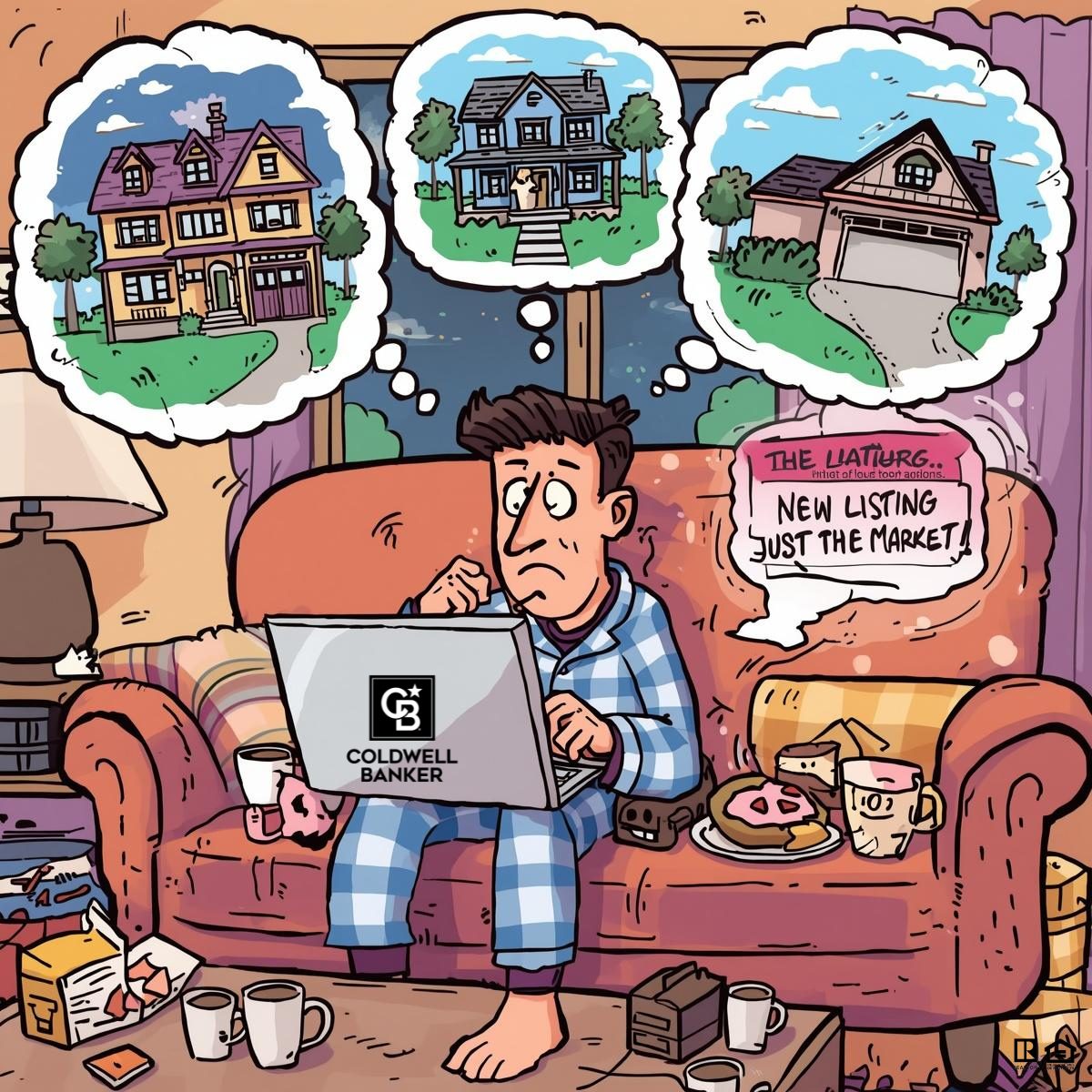
Why “Just Browsing” Rarely Stays Casual in Real Estate 🏡

Many people begin their home search the same way.

They open a real estate app, scroll through a few listings, and say something like, We’re just browsing.”

At first, it feels harmless. There is no pressure and no deadline. Curiosity simply leads to a quick look at homes in a favorite neighborhood.

However, something interesting usually happens next.

Browsing slowly turns into imagining.

Buyers start picturing where the couch might go. A backyard suddenly looks perfect for summer cookouts. A front porch feels like the right place for morning coffee.

Before long, “just browsing” turns into something more serious.

After helping many buyers across the Cincinnati area, I have seen this pattern happen again and again. What starts as casual curiosity often becomes the first step toward a real move.

Let’s explore why that happens and what it means for both buyers and sellers.


Why Online Browsing Starts the Home Buying Journey

Today, nearly every home search begins online. Buyers can view hundreds of listings within minutes. Photos, pricing data, and neighborhood maps make exploring homes easier than ever.

According to the National Association of Realtors, roughly 97% of homebuyers use the internet during their home search.

https://www.nar.realtor/research-and-statistics

Because of that access, browsing homes has become part entertainment and part research. Many buyers start casually. Still, exposure to new listings often sparks ideas about lifestyle changes.

Consequently, browsing quickly becomes intentional.

Once someone sees a home that feels right, curiosity turns into real planning.


The Emotional Side of Home Shopping

Real estate decisions are not purely financial. Emotions play a powerful role.

A beautiful kitchen may inspire thoughts of holiday dinners. A quiet backyard might feel perfect for relaxing after work. Meanwhile, a finished basement could look ideal for movie nights or game days.

Therefore, browsing homes can feel surprisingly personal.

Buyers often connect with a property long before they schedule a showing. Because of that emotional connection, browsing tends to accelerate the decision-making process.

Suddenly, the search feels less like entertainment and more like a possibility.


Market Conditions Can Turn Browsers Into Buyers

Market conditions also influence how quickly browsing becomes serious.

Inventory levels change often. Interest rates shift. New listings appear daily.

As a result, buyers sometimes stumble across homes that feel like an opportunity.

For example, a house may appear in a desirable neighborhood at a competitive price. Alternatively, mortgage rates may drop slightly, improving affordability.

Data from the Federal Reserve Economic Data housing database shows how housing supply and mortgage rates influence buyer behavior.

https://fred.stlouisfed.org

When buyers see the right combination of price, location, and timing, browsing turns into action.


Lifestyle Goals Often Drive the Search

Another reason browsing rarely stays casual is lifestyle motivation.

Homes represent daily life, not just square footage.

Buyers often begin imagining:

walking to a nearby coffee shop
hosting family gatherings
giving kids space to play
creating a home office
enjoying a quieter neighborhood

Once people visualize a better lifestyle, motivation increases.

As a result, browsing listings can quickly become a serious search for the right environment.


Local Market Reality in Cincinnati

Here in the Cincinnati area, homes often move quickly in desirable communities.

Neighborhoods such as Milford, Loveland, Anderson Township, and Union Township continue attracting strong buyer interest. Consequently, well-priced homes often receive attention soon after hitting the market.

Because of that pace, buyers benefit from preparing early.

Even if someone begins browsing casually, understanding the local market helps them respond when the right home appears.

You can explore additional local insights here:

https://mikemcentush.sites.cbmoxi.com/cincinnati-real-estate-blog-tips-news

That blog shares Cincinnati market updates, buying tips, and home selling strategies.


Financial Curiosity Often Leads to Action

Many buyers begin browsing simply to understand pricing.

They want to know what homes cost in certain neighborhoods. Some people compare property taxes. Others wonder what monthly payments might look like.

Eventually, curiosity leads to a conversation with a lender.

At that point, buyers may realize a home purchase fits their budget sooner than expected.

Resources like the Consumer Financial Protection Bureau mortgage guide help buyers understand financing and payment options.

https://www.consumerfinance.gov/owning-a-home/

Once financial clarity appears, browsing becomes purposeful.

Buyers start planning instead of dreaming.


Sellers Benefit From Casual Browsers

Interestingly, browsing behavior helps sellers too.

Many buyers actively watching listings are still undecided. They are learning the market. They are comparing homes.

Because of that, a well-presented listing can capture their attention immediately.

Strong listing photos, strategic pricing, and smart marketing help convert browsers into showing requests.

Often, the winning buyer is someone who originally said they were “just looking.”


Tips for Buyers Who Are Just Browsing

Browsing can be productive if buyers approach it strategically.

Here are a few tips that make browsing more useful.

Track homes you like

Save listings that stand out. Over time you will notice patterns in what matters most.

Watch neighborhood differences

Home values often vary dramatically between nearby communities.

Study days on market

Homes that remain active longer may present negotiation opportunities.

Understand price per square foot

Comparing price per square foot can reveal hidden value.

Talk to a local REALTOR early

Even casual browsers benefit from professional insight.

Those simple steps turn browsing into meaningful research.


Why a REALTOR Strategy Matters

Online listings show homes. However, they rarely show the full story.

Inspection issues, negotiation strategies, contract terms, and market timing all affect real estate transactions.

A professional REALTOR provides guidance that buyers cannot get from a website.

For example, an experienced agent helps clients understand:

pricing trends
neighborhood growth
offer strategies
local competition
market timing

That expertise becomes especially valuable when browsing turns into buying.


Conclusion: Browsing Is Often the First Step

Almost every real estate journey begins casually.

Someone opens a home search app. Another person checks listings during lunch. A couple might scroll through homes while watching TV.

At first, the search feels harmless.

Yet browsing has a powerful effect. It introduces possibilities. It creates inspiration. It often sparks the idea that a move might actually make sense.

Eventually, curiosity turns into planning.

Planning leads to showings. Showings lead to offers. Offers lead to a new home.

Browsing, therefore, is rarely just browsing.

Instead, it is usually the beginning of the next chapter.


Thinking About Buying or Selling in Cincinnati?

If you have been browsing homes lately, you might already be closer to a move than you realize.

Understanding the local market can make the difference between missing opportunities and making smart decisions.

📅 Schedule a time to talk here
https://tinyurl.com/Schedulea30MinuteCall

You can also subscribe to my Cincinnati real estate blog for more insights:

https://mikemcentush.sites.cbmoxi.com/cincinnati-real-estate-blog-tips-news

#RealEstate, #HomeBuying, #HouseHunting, #CincinnatiRealEstate, #HousingMarket, #HomeSearch, #RealtorLife, #MikeSellsCincyHomes, #ColdwellBankerRealty, #FirstTimeHomeBuyer, #HomeSelling, #PropertySearch

For BuyersFor Sellers March 11, 2026

Why Real Estate Headlines Don’t Match Local Reality 🏡

Turn on the news or scroll social media and you will see dramatic real estate headlines almost every day.

“Housing Market Crash Coming.”
“Home Prices Skyrocketing.”
“Buyers Disappearing.”

Those headlines grab attention. However, they rarely tell the full story of what is happening in your local real estate market.

In fact, national housing headlines often paint a picture that does not match what buyers and sellers experience in places like Cincinnati, Clermont County, Milford, Loveland, or Anderson Township.

That gap between headlines and reality causes confusion. Some buyers pause their search. Meanwhile, some sellers hesitate to list their homes.

Let’s break down why this happens and how understanding local market data can help you make better real estate decisions.


The Problem With National Real Estate Headlines 📰

National housing news focuses on broad trends across the entire country. That means the data includes markets that behave very differently from each other.

For example:

  • Coastal markets like California or New York

  • Fast-growing cities like Austin or Phoenix

  • Smaller Midwest markets like Cincinnati

Each of those areas moves at a different pace.

However, the media usually combines all that data into one headline. As a result, the story may not reflect what is happening locally.

According to the National Association of Realtors, housing markets vary widely based on local supply, job growth, migration patterns, and affordability. National Association of Realtors

You can review national housing data here:
https://www.nar.realtor/research-and-statistics

Still, that national data is only part of the story.

Local market conditions matter far more when you are deciding whether to buy or sell a home.


Why Local Real Estate Markets Behave Differently 📍

Real estate has always been local. In fact, two neighborhoods just ten miles apart can have completely different market conditions.

Several factors influence that difference.

Inventory Levels

The number of homes available for sale strongly affects pricing.

Low inventory often leads to:

  • Multiple offers

  • Faster sales

  • Stronger prices

Higher inventory can slow the market and give buyers more negotiating power.

Local Job Growth

Areas with strong employment tend to see steady housing demand. For example, Cincinnati benefits from major employers in healthcare, finance, and manufacturing.

Migration Patterns

People moving into an area create demand. Cities with steady population growth often experience stronger housing markets.

The U.S. Census Bureau tracks migration and population trends that influence housing demand. United States Census Bureau

https://www.census.gov

Affordability

Mortgage rates matter. However, affordability also depends on local home prices and incomes.

Therefore, a national rate change may affect one city differently than another.


Key Real Estate Trends Buyers and Sellers Should Watch 📊

Instead of relying on headlines, smart buyers and sellers focus on local housing indicators.

Here are several that matter most.

Days on Market

Days on market shows how quickly homes are selling.

Shorter times usually mean stronger demand.

Longer times may indicate more inventory or cautious buyers.

Price Reductions

Price reductions often signal shifting market conditions. When reductions increase, sellers may be adjusting expectations.

Price Per Square Foot

Price per square foot helps compare similar homes across neighborhoods.

New Listings vs Pending Sales

When more homes go under contract than come to market, supply tightens.

Conversely, when listings outpace sales, the market can soften.

For example, in many Cincinnati area neighborhoods, inventory remains limited even when national headlines suggest the market is slowing.

That is why local expertise matters.


What Buyers Are Really Looking For Today 🏠

Buyers today still want homes. However, their priorities have evolved.

Many people now focus on lifestyle features that support daily living.

Here are several trends I see regularly when working with buyers.

Functional Home Offices

Remote and hybrid work continue to influence home searches.

Dedicated office space remains a high priority.

Updated Kitchens and Bathrooms

Buyers often prefer homes that need minimal renovation.

Move-in-ready homes typically sell faster.

Outdoor Living Spaces

Patios, decks, and backyard spaces attract strong interest.

People value outdoor relaxation and entertaining.

Energy Efficiency

Energy-efficient windows, HVAC systems, and insulation are increasingly important.

The U.S. Department of Energy notes that efficient homes can significantly reduce utility costs. U.S. Department of Energy

https://www.energy.gov

Understanding these lifestyle drivers helps sellers position their homes more effectively.


What Motivates Sellers Right Now 📦

Sellers also respond to different factors than what headlines suggest.

Several motivations appear consistently in the Cincinnati market.

Life Changes

Many homeowners sell because of:

  • Job relocations

  • Growing families

  • Downsizing

  • Retirement

Equity Growth

Homeowners who bought several years ago often have significant equity today.

That equity can help fund a move to another home.

Lifestyle Upgrades

Some sellers want larger homes or different locations that better fit their lifestyle.

Because of those factors, homes continue to come to market even when news headlines suggest sellers are waiting.


The Cincinnati Market Reality 🏙️

Locally, the housing market often behaves very differently from national predictions.

Across many Cincinnati suburbs, demand remains strong for well-priced homes.

Areas like:

  • Milford

  • Loveland

  • Batavia

  • Anderson Township

  • Union Township

continue to see steady buyer interest.

Homes that are priced correctly and marketed well still attract attention.

Meanwhile, properties that are overpriced may sit longer.

That difference reinforces an important point.

Pricing strategy matters more than market headlines.


Mortgage Rates and Lending Considerations 💰

Mortgage rates always influence housing activity. Even small changes can affect affordability.

Still, buyers adapt faster than most headlines suggest.

Many strategies help buyers move forward despite higher rates.

Rate Buydowns

Some sellers offer rate buydowns to reduce the buyer’s interest rate.

Adjustable Rate Mortgages

ARMs can lower initial monthly payments.

Local Lending Programs

Certain buyers qualify for special financing options.

For example, programs through Freddie Mac and Fannie Mae help support homeownership nationwide. Freddie Mac
Fannie Mae

https://www.freddiemac.com
https://www.fanniemae.com

Working with a knowledgeable lender and REALTOR® helps buyers understand these options.


Smart Home Search Tips for Buyers 🔍

If you are searching for a home, here are several strategies that work well in today’s market.

Focus on Local Data

Always look at neighborhood statistics rather than national headlines.

Tour Homes Quickly

Well-priced homes can still move fast.

Stay Flexible

Sometimes small cosmetic updates can turn a good home into a great one.

Work With a Local Expert

A knowledgeable REALTOR® can help you identify opportunities before others notice them.


Professional REALTOR® Strategy Advice 🧠

One of the biggest mistakes buyers and sellers make is relying on national housing news.

Real estate decisions should be based on local insight and professional strategy.

A strong real estate plan includes:

  • Accurate local market analysis

  • Strategic pricing

  • Effective marketing

  • Skilled negotiation

  • Data-driven decision making

Because every neighborhood behaves differently, professional guidance can help you avoid costly mistakes.


The Bottom Line 🏡

Real estate headlines often tell only part of the story.

National housing trends provide useful context. However, they rarely reflect the full reality of local markets.

That is why buyers and sellers benefit from working with a professional who understands the local landscape.

The truth is simple.

Your local market matters more than national headlines.

Understanding inventory levels, buyer demand, and neighborhood trends gives you the clarity needed to make confident decisions.


Let’s Talk About Your Real Estate Goals 📞

If you are thinking about buying or selling a home in the Cincinnati area, I would be happy to help you understand what is really happening in the local market.

Schedule a quick conversation here:
https://tinyurl.com/Schedulea30MinuteCall

You can also explore more helpful real estate tips and market insights on my blog:
https://mikemcentush.sites.cbmoxi.com/cincinnati-real-estate-blog-tips-news

As a REALTOR® with Coldwell Banker Realty, I focus on helping buyers and sellers navigate the market with clear information and smart strategy.

Whether you are buying your first home, moving up, or planning to sell, having the right plan makes all the difference.

Let’s connect and build that plan together.


Follow the Blog for Weekly Real Estate Insights 📬

Want regular updates about the Cincinnati housing market, buying strategies, and home selling tips?

Subscribe to the blog here:
https://mikemcentush.sites.cbmoxi.com/cincinnati-real-estate-blog-tips-news

You will get practical advice, local market insights, and helpful strategies delivered regularly.

#RealEstate, #HousingMarket, #HomeBuying, #HomeSelling, #RealtorLife, #CincinnatiRealEstate, #MikeSellsCincyHomes, #HouseHunting, #RealEstateAdvice, #MarketUpdate, #HomeOwnership, #ColdwellBanker

For Sellers March 2, 2026

What Sellers Misunderstand About “Testing the Market” 🏡

If you’ve thought about selling your home lately, you’ve probably said it or at least heard it:

“Maybe we’ll just test the market.”

On the surface, that sounds harmless. After all, what’s wrong with seeing what happens? However, in today’s real estate market, “testing” can cost you leverage, momentum, and sometimes even money.

As a full-time REALTOR® with Coldwell Banker Realty here in Cincinnati’s east side, I study inventory, days on market, pricing trends, and buyer behavior daily. Because of that, I can tell you this with confidence: the market tests you back.

Let’s break down what sellers often misunderstand and, more importantly, how to position your home to win from day one. 🚀


Why This Topic Matters Right Now 📊

Inventory levels in many Cincinnati neighborhoods are still tight compared to historical norms. Yet buyers are more cautious than they were two years ago. Mortgage rates fluctuate. Affordability matters more. Expectations are higher.

According to the National Association of Realtors (https://www.nar.realtor), days on market and pricing strategy remain two of the strongest drivers of final sale price. Meanwhile, data from Freddie Mac (https://www.freddiemac.com) shows how rate changes impact buyer demand almost immediately.

In other words, the market reacts quickly. Therefore, your strategy must be intentional.

When sellers “test” the market with a high price or minimal prep, they often assume they can adjust later. While that’s technically true, the first two weeks on the market carry the most power. After that window, buyer perception shifts.

And perception in real estate is everything.


What “Testing the Market” Usually Means

When I hear a seller say they want to test the market, it often translates into one of these scenarios:

• Pricing above recent comparable sales
• Skipping staging or small repairs
• Listing before they are emotionally ready to move
• Seeing if someone “falls in love” and overpays

Although that approach feels low risk, it can create long-term consequences. Because buyers are savvy, they track new listings daily. If your home hits the market overpriced, it quickly becomes labeled.

First impressions stick.

Once a property sits longer than neighborhood averages, buyers begin asking what’s wrong with it. Even if nothing is wrong, the longer days on market signal weakness. That perception often leads to lower offers later.

So ironically, testing high can result in selling lower.


The Data Behind First Impressions 📈

Let’s talk numbers.

Homes generate the most online activity in the first 7 to 14 days. That is when your listing appears in saved searches, alerts, and “new listing” filters. During that period, serious buyers are watching closely.

If pricing aligns with the current market value, showings spike. Consequently, competition increases. When competition increases, leverage shifts to the seller.

However, if the home is priced 5 to 10 percent above comparable properties, showings drop. Fewer showings mean fewer offers. Fewer offers mean less negotiating power.

Eventually, price reductions follow. Unfortunately, reductions often create a psychological ceiling. Buyers begin wondering how much more room there is to negotiate.

Instead of driving urgency, the home becomes a bargain hunt.


Buyer Motivation Has Changed 🧠

Buyers today are payment focused. Because rates are higher than pandemic lows, monthly affordability matters more than ever. That means even small price differences affect decision making.

For example, a $20,000 pricing gap may not seem dramatic. Yet when financed over 30 years, that difference significantly impacts payment.

Additionally, buyers now expect condition. Since HGTV, social media, and 3D tours have raised standards, many shoppers prefer move-in ready homes.

Therefore, when a seller tests high and avoids prep work, they compete against polished properties priced correctly.

That is a tough hill to climb.


What Sellers Often Overestimate

Emotional value is real. You raised kids there. You hosted holidays. You planted those trees. However, buyers don’t see memories. They see square footage, layout, and updates.

While your home may feel priceless to you, the market determines value based on comparable sales, inventory supply, and buyer demand.

Overpricing to “leave room” also backfires. Because buyers negotiate from perceived value, not list price, inflated numbers reduce credibility.

As a result, offers may come in lower than what you would have received with a strategic launch.


Popular Features That Drive Real Demand 🏠

Instead of testing, sellers should lean into what buyers actually want.

Currently, high-demand features include:

• Updated kitchens and baths
• Flexible home office space
• Energy efficiency upgrades
• Outdoor living areas
• Neutral paint and modern lighting

In many east side Cincinnati neighborhoods, homes with updated kitchens sell faster than those without. Even small upgrades, such as hardware changes or fresh paint, make a difference.

Because presentation drives perception, strategic improvements often return more than testing a higher price ever would.


Local Cincinnati Market Insight 📍

In communities like Milford, Loveland, Batavia, and Anderson Township, average days on market vary by price range. Entry-level homes move quickly. Mid-range homes must be positioned carefully. Luxury homes require precision pricing.

Inventory under $300,000 remains competitive. Meanwhile, homes above median price points demand sharper strategy.

You can explore local market trends and tips anytime at my blog:
👉 https://mikemcentush.sites.cbmoxi.com/cincinnati-real-estate-blog-tips-news

Since I monitor pricing weekly, I can identify micro-trends by subdivision and zip code. That hyper-local insight matters far more than national headlines.


Financial and Lending Considerations 💰

Pricing impacts appraisal risk. If you test high and accept an offer above recent comparables, the home still must appraise.

Should the appraisal come in low, negotiations restart. That can delay closing or force price reductions anyway.

Furthermore, buyer qualification is tighter than during ultra-low rate years. Lenders review debt-to-income ratios carefully. Because of that, pricing within realistic boundaries expands your buyer pool.

When strategy aligns with financing realities, closings happen smoothly.


Smart Home Search and Listing Strategy 🔎

Here’s what works instead of testing:

  1. Analyze comparable sales from the past 90 days.

  2. Study active competition.

  3. Evaluate absorption rate and inventory levels.

  4. Position pricing slightly below psychological thresholds.

  5. Launch with strong photography and marketing.

When executed correctly, this strategy creates urgency.

Instead of chasing the market downward, you attract buyers immediately. That often results in stronger terms, cleaner inspections, and smoother timelines.

Momentum is your friend.


Professional REALTOR® Strategy Advice 🎯

Experience matters. I do not guess pricing. Instead, I evaluate:

• Price per square foot trends
• Days on market averages
• Buyer showing activity
• Pending sale velocity
• Seasonal demand shifts

From there, I build a launch plan.

Sometimes that includes pre-listing improvements. Other times it involves strategic staging or timing. Every home is unique. However, one principle remains consistent: the market rewards precision.

Testing feels safe emotionally. Yet strategy wins financially.

If you are unsure about value, the right move is not guessing. The right move is analyzing.

You can request a personalized home value estimate here:
👉 https://tinyurl.com/OurHomeEstimate

That gives us a data-driven starting point before making any listing decisions.


The Bottom Line 🏡

Testing the market sounds harmless. However, it often weakens leverage. Because first impressions drive buyer behavior, pricing and preparation must align with reality.

Sellers who launch strong tend to sell faster. They also negotiate from a position of strength. Meanwhile, those who test frequently adjust later, often under pressure.

The good news is simple. With the right preparation and local insight, you can maximize value without gambling on guesswork.

If you’re considering selling in Cincinnati or surrounding communities, let’s talk through your goals. I’ll give you honest feedback, real numbers, and a strategy built around your timeline.

📅 Schedule a 30-minute consultation here:
https://tinyurl.com/Schedulea30MinuteCall

And if you want weekly insights on the Cincinnati real estate market, subscribe to my blog for updates, tips, and strategies:
👉 https://mikemcentush.sites.cbmoxi.com/cincinnati-real-estate-blog-tips-news

#realestate, #homesforsale, #sellersmarket, #listingagent, #homevalues, #cincinnatirealestate, #coldwellbanker, #realtorlife, #homeownership, #housingmarket

First Time Home Buyers February 24, 2026

What New Homeowners Forget to Budget For (And How to Avoid Costly Surprises) 🏡💰

Buying a home feels amazing. You get the keys. You walk through the door. It finally feels real.

Then the bills start showing up.

Most buyers focus on the mortgage payment. That makes sense. However, the mortgage is only one piece of homeownership.

Over the years helping buyers across Milford, Loveland, Anderson Township, and Batavia, I’ve noticed the same pattern. New homeowners are confident at closing. A few months later, they are surprised by expenses they did not fully plan for.

Let’s fix that.


Why This Matters in Today’s Market 📊

Home prices have risen in recent years. At the same time, interest rates have moved up and down. Because of that, buyers are stretching budgets just to secure the right home.

According to the National Association of Realtors® (https://www.nar.realtor), inventory remains tight in many markets. Therefore, competition is still strong in certain price ranges.

As a result, buyers focus heavily on qualifying and winning the house. That is understandable. However, long-term success depends on what happens after closing.

Homeownership builds wealth over time. In fact, data from the Federal Reserve (https://www.federalreserve.gov) shows homeowners tend to build far more net worth than renters. Still, that wealth requires planning.

Smart budgeting turns stress into stability.


1. Property Taxes Can Change 📑

Many buyers look at the current tax bill and assume it will stay the same.

It might not.

In Ohio, property taxes are based on assessed value. If you buy at a higher price than the previous owner paid, taxes can adjust over time. In addition, school levies and local changes may increase totals.

Before closing, review:

  • The current tax amount

  • Owner-occupancy reductions

  • Whether taxes are escrowed

Small changes feel minor at first. Over time, they matter.


2. Maintenance and Repairs Add Up 🔧

Every home needs upkeep. Even newer homes require regular care.

A common rule is to budget 1% to 3% of the home’s value each year. On a $300,000 home, that means $3,000 to $9,000 annually.

That money goes toward:

  • HVAC service

  • Roof repairs

  • Plumbing fixes

  • Appliance replacement

  • Landscaping

  • Exterior maintenance

An inspection reduces risk. However, it does not prevent future issues. Therefore, an emergency repair fund is essential.

When systems fail, they do not wait for a convenient time.


3. Utilities Cost More Than You Expect 💡

Renters often underestimate utilities.

Once you own the home, you cover:

  • Electric

  • Gas

  • Water and sewer

  • Trash

  • Internet

  • HOA dues (if applicable)

Larger homes usually mean higher bills. Meanwhile, older windows or aging insulation can increase heating and cooling costs.

Before buying, call utility companies. Ask for average monthly usage. That simple step prevents surprises.


4. Insurance Coverage Gaps 🛡️

Lenders require homeowners insurance. Still, the base policy may not cover everything.

You might need:

  • Sewer backup coverage

  • Flood insurance

  • Higher liability limits

  • Replacement cost coverage

According to the Insurance Information Institute (https://www.iii.org), water damage is one of the most common homeowner claims.

A small policy upgrade now can save thousands later.


5. HOA Fees and Assessments 🏘️

Some neighborhoods include HOA fees. Others do not.

In many Cincinnati suburbs, especially newer communities, HOA dues are common. These fees may cover landscaping, ponds, pools, or walking trails.

Although monthly dues seem manageable, special assessments can happen. Therefore, review HOA documents carefully before closing.

Knowing the rules protects your budget.


6. Furnishing and Upgrades 🛋️

After closing, excitement kicks in.

You want new furniture. You want better landscaping. You want everything to feel perfect.

However, those upgrades add up quickly.

Instead of financing everything at once, pace yourself. Prioritize essentials first. Then upgrade gradually.

Financial stability feels better than new patio furniture.


7. Moving and Post-Closing Costs 📦

Buyers prepare for down payment and closing costs. Yet many forget the smaller items.

These include:

  • Moving trucks

  • Lock changes

  • Utility deposits

  • Minor repairs

  • Window coverings

  • Security systems

In addition, escrow adjustments can increase monthly payments in year two if taxes or insurance rise.

A cash cushion gives peace of mind.


Lending and Financial Strategy 💳

Lenders approve you based on ratios. That does not always mean the payment feels comfortable in real life.

Before buying, consider:

  • Keeping 3–6 months of savings

  • Avoiding new debt after closing

  • Understanding total monthly cost, not just mortgage

  • Thinking long-term about job stability

Helpful resources are available through the Consumer Financial Protection Bureau (https://www.consumerfinance.gov).

Buying smart protects your future flexibility.


Local Insight for Cincinnati Buyers 🗺️

In areas like 45150, 45140, and 45244, we continue to see strong demand for updated homes. Buyers are competing for move-in ready properties.

However, many homes built in the early 2000s now face:

  • Aging HVAC systems

  • Roof replacements

  • Exterior maintenance

Knowing neighborhood trends helps you plan ahead. What works in Loveland may differ from Milford or Anderson Township.

Local knowledge matters.

You can find more buyer education here:
👉 https://mikemcentush.sites.cbmoxi.com/cincinnati-real-estate-blog-tips-news


REALTOR® Strategy: Plan Beyond the Mortgage 🎯

In my experience, stress rarely comes from the purchase price alone.

Instead, pressure builds from unplanned expenses.

That is why I walk buyers through:

  • Realistic monthly projections

  • Tax history review

  • Maintenance planning

  • Resale value considerations

  • Long-term financial goals

Preparation creates confidence. Confidence builds wealth.


Final Thoughts: Own With Confidence 🏡✨

Homeownership is powerful. It builds equity. It creates stability. It offers freedom.

At the same time, it requires preparation.

Mortgage payments are predictable. Maintenance and taxes are not. However, when you budget wisely, those costs become manageable.

If you are thinking about buying on Cincinnati’s East Side, let’s talk strategy before you make a move.

📅 Schedule your consultation here:
https://tinyurl.com/Schedulea30MinuteCall

And subscribe for ongoing real estate insights and local market updates:
👉 https://mikemcentush.sites.cbmoxi.com/cincinnati-real-estate-blog-tips-news

#realestate, #homebuying, #newhomeowner, #cincinnatirealestate, #firsttimehomebuyer, #milfordohio, #lovelandohio, #andersontownship, #clermontcounty, #coldwellbanker
For BuyersFor Sellers February 23, 2026

Why Real Estate Advice from Friends Backfires (And What to Do Instead) 🏡

You tell friends you are thinking about buying or selling.

Suddenly, everyone has advice.

“Offer low.”
“Wait for prices to drop.”
“List high and negotiate later.”

It sounds helpful. However, it can cause real damage.

Let’s talk about why real estate advice from friends backfires — and what actually works instead.


The Market Changes Fast 📊

The housing market is not static. It moves constantly.

Mortgage rates rise and fall. Inventory shifts. Buyer demand changes.

For example, national data from the National Association of Realtors shows that price trends vary by region. Meanwhile, weekly updates from Freddie Mac show how rates affect affordability.

However, national news is only part of the story.

Real estate is local. Milford is different from Loveland. Anderson Township moves differently than Batavia. Therefore, advice that worked in another city may not apply here.


“It Worked for Me” Is Not a Strategy 🤔

Most friends share personal experience.

That feels reassuring. Yet one experience does not equal expertise.

Markets change yearly. In fact, they can shift in months.

For instance:

  • A seller in 2021 had multiple offers in days.

  • A seller today may need sharp pricing and strong marketing.

  • A buyer last year waived inspections.

  • A buyer now may negotiate repairs.

Because conditions change, copying someone else’s move can cost you money.


What Actually Drives Results 📈

Instead of stories, focus on data.

Here is what truly matters:

1️⃣ Days on Market

When a home sits too long, buyers hesitate. As a result, pricing correctly from the start protects demand.

2️⃣ Inventory Levels

If more homes hit the market, buyers gain power. On the other hand, low inventory creates competition.

3️⃣ Mortgage Rates

Rates change monthly payments. According to the Federal Reserve, interest rate policy affects borrowing costs across the country.

4️⃣ Neighborhood Trends

Each Cincinnati neighborhood behaves differently. Therefore, strategy must match location.

Friends usually do not track these numbers daily.

A full-time REALTOR® does.


Buyers: Where Advice Can Hurt 🏠

Buyers often hear:

“Waive inspection.”
“Offer way under asking.”
“Wait for the crash.”

However, those moves can backfire.

Waiving inspection increases risk. Offering too low may eliminate you fast. Waiting for a crash might mean missing steady growth.

Instead, buyers should:

  • Get fully pre-approved

  • Study recent comparable sales

  • Understand appraisal risks

  • Move quickly when needed

Additionally, financing strength and clean terms often matter more than emotion.

For trusted consumer guidance, the Consumer Financial Protection Bureau provides helpful resources at:
https://www.consumerfinance.gov/


Sellers: Pricing Is Everything 💰

Sellers hear advice too.

“Start high.”
“You can always drop the price.”
“Open houses sell homes.”

Although that sounds logical, it is often wrong.

Overpricing reduces momentum. As days on market increase, buyers assume problems exist. Consequently, price cuts can weaken leverage.

A smart pricing strategy protects demand early.

If you want deeper market insight, you can explore more local analysis here:
👉 https://mikemcentush.sites.cbmoxi.com/cincinnati-real-estate-blog-tips-news


Lifestyle Trends Also Matter 🛋️

Today’s buyers care about:

  • Home offices

  • Updated kitchens

  • Outdoor space

  • Energy efficiency

However, not every upgrade pays off.

According to research from Zillow, certain features add value only in specific markets.

Therefore, local knowledge matters.


This Is a Major Financial Decision 📊

For most families, a home is their largest asset.

Because of that, guessing is risky.

Contracts include deadlines. Inspections protect you. Appraisals impact financing. Negotiation changes outcomes.

Friends are not legally responsible for your deal.

Your REALTOR® is.


What Professional Strategy Looks Like 🧠

As a full-time REALTOR® with Coldwell Banker Realty, I track:

  • Inventory levels

  • Days on market

  • Buyer behavior

  • Pricing shifts

That allows me to adjust strategy quickly.

For buyers, that means stronger offers and risk protection.
For sellers, that means accurate pricing and better negotiation.

More importantly, decisions are based on real data — not opinion.


What You Should Do Instead ✅

First, thank your friends. They mean well.

Next, verify advice with local data.

Then, build a strategy based on your goals.

Real estate is not one-size-fits-all.

If you’re buying or selling in Milford, Loveland, Anderson Township, Batavia, Amelia, or Pierce Township, let’s build a plan that fits today’s market.


Let’s Talk 📅

Schedule a 30-minute consultation here:
👉 https://tinyurl.com/Schedulea30MinuteCall

We’ll review:

  • Your goals

  • Current market conditions

  • Offer or pricing strategy

  • Financing considerations

Also, stay informed by subscribing here:
👉 https://mikemcentush.sites.cbmoxi.com/cincinnati-real-estate-blog-tips-news

#RealEstate, #CincinnatiRealEstate, #HomeBuying, #HomeSelling, #HousingMarket, #ClermontCounty, #MilfordOH, #LovelandOH, #AndersonTownship, #BataviaOH

For BuyersFor Sellers February 19, 2026

What Inventory Levels Actually Tell Us 🏡📊

If you’ve followed the real estate market at all lately, you’ve probably heard the phrase “low inventory.” It gets tossed around on the news, on social media, and in everyday conversation. But what does inventory really tell us? And more importantly, what does it mean for buyers and sellers right here in the Cincinnati market?

Let’s break it down in plain English. Because inventory levels are not just a number. They’re a signal. And if you know how to read that signal, you can make smarter real estate decisions. 👇


Why Inventory Levels Matter More Than You Think

In real estate, inventory refers to the number of homes actively for sale at a given time. However, professionals don’t just count listings. Instead, we measure something called months of supply.

Months of supply shows how long it would take to sell all current homes on the market if no new homes were listed.

  • 6 months of supply = balanced market ⚖️

  • Less than 6 months = seller’s market 🔥

  • More than 6 months = buyer’s market 💰

According to the National Association of Realtors, the U.S. has been operating below a balanced market level for several years. You can review their national housing data here: https://www.nar.realtor/research-and-statistics 📈

Meanwhile, locally in Cincinnati and the East Side communities like Milford, Loveland, Anderson Township, and Batavia, we’ve consistently seen tighter inventory than the national average.

That matters. Because low inventory affects pricing, competition, negotiation power, and timing.


What Low Inventory Really Means 🔎

When inventory is low, three things typically happen:

1️⃣ Prices Tend to Rise

Fewer homes for sale means more buyers competing for each property. As a result, sellers often receive multiple offers. Over time, that pushes home values upward.

This is simple supply and demand. The fewer homes available, the more valuable each one becomes.

The Federal Reserve regularly tracks housing supply data as part of broader economic analysis. Housing shortages are one reason prices have remained strong despite higher interest rates. You can explore housing data trends here: https://fred.stlouisfed.org


2️⃣ Homes Sell Faster ⏳

Low inventory usually leads to shorter days on market. Buyers move quickly because they know options are limited.

However, here’s the nuance:
Even in a low-inventory environment, homes still need to be priced correctly. Condition still matters. Marketing still matters.

I’ve seen homes in strong seller markets sit longer than they should simply because pricing was too aggressive or presentation was poor. Inventory sets the tone. Strategy determines the result.


3️⃣ Negotiation Power Shifts

In tight inventory conditions, sellers hold more leverage. They may limit contingencies. They may request flexible possession terms. They may choose offers based on strength, not just price.

Conversely, when inventory rises, buyers regain leverage. They can negotiate repairs. They can ask for closing costs. They can take more time evaluating options.

Understanding this shift is critical before you enter the market.


What Rising Inventory Tells Us 📊

Now let’s talk about the flip side. When inventory begins to increase, it does not automatically mean prices will crash.

Instead, it often signals normalization.

More listings mean:

  • Buyers have more choices

  • Bidding wars become less frequent

  • Pricing becomes more strategic

  • Negotiations become more balanced

That doesn’t mean sellers lose. It simply means expectations adjust.

In fact, moderate inventory growth is healthy. It prevents price spikes that push affordability out of reach. It also stabilizes long-term appreciation.


Buyer Motivations in Today’s Inventory Climate 🏠

Buyers are motivated by three main factors right now:

✔️ Stability

Many buyers want predictable payments and long-term security. Even with higher rates, owning can provide stability compared to rising rent.

✔️ Lifestyle Changes

Growing families, relocations, downsizing, and job changes continue regardless of inventory levels. Life does not pause for market cycles.

✔️ Future Equity

When inventory is tight, buyers often worry about overpaying. However, historically, real estate has shown steady appreciation over time. Data from the U.S. Census Bureau confirms long-term housing demand trends tied to population growth.

Inventory influences timing. It does not eliminate opportunity.


Seller Motivations in a Low Inventory Market 💼

Sellers benefit from low inventory, but that does not mean every seller should rush to list.

Smart sellers consider:

  • Local absorption rate

  • Competing listings

  • Seasonality

  • Interest rate environment

  • Buyer demand in their price range

For example, a $250,000 home in Clermont County may face intense competition from buyers. Meanwhile, a $900,000 property may operate in a different micro-market.

Inventory is hyper-local. That’s why national headlines rarely tell the full story.


Popular Home Features That Matter More When Inventory Is Tight ✨

In a limited supply environment, buyers prioritize move-in-ready homes.

They are looking for:

  • Updated kitchens

  • Open floor plans

  • Home offices

  • Energy efficiency

  • Outdoor living space

When inventory rises slightly, buyers become pickier. Condition matters more. Overpriced homes sit longer.

Presentation is everything. Professional photography. Clean staging. Clear pricing strategy. These are not optional in competitive markets.


Cincinnati and East Side Market Insights 📍

Here’s where local knowledge becomes critical.

Cincinnati, particularly areas like Milford, Loveland, Anderson Township, Pierce Township, and Batavia, has experienced steady demand driven by:

  • Strong school districts

  • Proximity to downtown

  • Affordable price points compared to national averages

  • Stable employment base

Inventory here has remained tighter than historical norms. That means buyers must be prepared. Sellers must be strategic.

If you want hyper-local insights specific to your neighborhood, you can start with a free home value estimate here:
👉 https://tinyurl.com/OurHomeEstimate


Financial and Lending Considerations 💰

Inventory and interest rates work together.

When rates rise, some sellers hold onto their low mortgage rates, which reduces inventory further. That creates a supply squeeze.

Meanwhile, buyers evaluate monthly payment more than purchase price.

Before making a move, speak with a trusted lender. Understand:

  • Current rate options

  • Buydown strategies

  • Adjustable vs fixed loans

  • Closing cost structures

Preparation reduces stress.

If you need trusted lending connections, I’m happy to introduce you to experienced professionals in the Cincinnati market.


Smart Home Search Tips in a Low Inventory Market 🔍

Here’s what works:

1️⃣ Get fully pre-approved
2️⃣ Set realistic expectations
3️⃣ Move quickly but think clearly
4️⃣ Focus on long-term value, not short-term emotion
5️⃣ Work with an agent who understands negotiation strategy

Additionally, broaden your search criteria slightly. Expanding radius or adjusting feature expectations often opens opportunity.

You can also explore current listings directly on my website:
👉 https://www.mikesellscincyhomes.com


Professional REALTOR® Strategy Advice 🧠

Inventory is not just about counting homes. It’s about reading momentum.

As a REALTOR® with Coldwell Banker Realty serving Cincinnati and the East Side communities, I analyze:

  • Weekly pending-to-listing ratios

  • Absorption rates

  • Price reductions

  • Showing traffic

  • Days on market trends

Those indicators often reveal shifts before headlines do.

Because here’s the truth:
Inventory is a leading indicator.

When inventory tightens rapidly, price pressure builds.
When inventory expands gradually, negotiation balance improves.

Making a move without understanding that context is risky. Making a move with strategy is powerful.


Final Thoughts: Inventory Is a Signal, Not a Headline 📌

Inventory levels tell a story.

They tell us about supply and demand. They reveal negotiation leverage. They shape pricing strategy. They influence timing.

However, inventory alone does not determine success.

Preparation matters. Guidance matters. Local expertise matters.

If you’re thinking about buying or selling in Cincinnati, Milford, Loveland, Anderson Township, Batavia, or surrounding communities, let’s talk strategy.

📅 Schedule a time to connect here:
👉 https://tinyurl.com/Schedulea30MinuteCall

And if you want ongoing local market updates, tips, and insights, subscribe to the blog here:
👉 https://mikemcentush.sites.cbmoxi.com/cincinnati-real-estate-blog-tips-news

Real estate is not about reacting to headlines. It’s about understanding the data and making confident moves. I’d love to help you do exactly that.

#realestate, #housingmarket, #cincinnatirealestate, #homesforsale, #buyersagent, #sellersagent, #inventorylevels, #realestatetips, #coldwellbankerrealty

First Time Home BuyersFor Buyers February 12, 2026

Why Waiting for the “Perfect” Home Costs Buyers Money

Why Waiting for the “Perfect” Home Costs Buyers Money 💸🏡

If you have been house hunting for a while, you have probably said it.

“We’re just waiting for the perfect one.”

That sounds responsible. It feels smart. However, in today’s real estate market, waiting often costs buyers real money.

Perfection is expensive. Progress builds wealth.

Let’s walk through why.


Why This Matters in Today’s Market 📈

The housing market does not pause while buyers think.

Home values trend upward over time. According to the National Association of Realtors, long-term appreciation continues despite short-term swings. You can review their data here:
👉 https://www.nar.realtor/research-and-statistics

At the same time, mortgage rates change frequently. The Federal Reserve influences rates through policy decisions:
👉 https://www.federalreserve.gov

Inflation reports from the U.S. Bureau of Labor Statistics also impact lending trends:
👉 https://www.bls.gov

Because of these moving pieces, buyers who delay decisions often face higher prices or different rate environments later.

The market rarely rewards hesitation.


The Hidden Cost of Waiting 💰

Let’s use a simple example.

Imagine you are approved for a $350,000 home at 6.5%.

Now assume you wait one year.

If prices rise 5%, that home becomes $367,500. If rates climb just half a percent, your payment increases again.

Suddenly, the “same” house costs more per month and more over 30 years.

Meanwhile, rent continues. That money builds no equity.

Even small changes in rate or price can shift buying power. Freddie Mac publishes weekly mortgage rate trends here:
👉 https://www.freddiemac.com/pmms

The Mortgage Bankers Association also tracks lending forecasts:
👉 https://www.mba.org

The data tells a consistent story. Waiting can shrink your purchasing power.


Buyers Want Perfect — But What Does That Mean? 🤔

Most buyers say they want:

  • The perfect layout

  • The perfect location

  • The perfect backyard

  • The perfect kitchen

  • The perfect price

Unfortunately, those five rarely show up together.

Instead, successful buyers prioritize.

They identify non-negotiables. Then they separate cosmetic issues from structural value.

Paint can change. Floors can change. Fixtures can change.

Location cannot.

Price history cannot.

School district boundaries do not move.

That shift in thinking creates leverage.


What the Data Actually Shows 🔍

Inventory across many Cincinnati neighborhoods remains tight.

New construction costs are still elevated. Builders are not discounting aggressively.

At the same time, demographic demand remains strong. Millennials and Gen Z buyers are entering prime purchasing years.

According to Redfin’s housing data center:
👉 https://www.redfin.com/news/data-center/

And Zillow’s market research page:
👉 https://www.zillow.com/research/

Price corrections tend to be modest and temporary.

Markets adjust. They rarely collapse.

Waiting for a dramatic crash usually means missing steady appreciation.


The Emotional Trap 😅

Buying a home is emotional. It should be.

You want the white kitchen. You want the dream yard. You want the photo-ready living room.

However, when everyone wants the same features, competition rises.

That pushes prices higher.

Interestingly, homes that need light cosmetic work often sit longer. Those properties can offer stronger negotiation opportunities.

Flexibility creates options.

Options create savings.


Local Insight: East Side Cincinnati 🏘️

In Loveland, Milford, Anderson Township, and Pierce Township, well-priced homes still move quickly.

Buyers sometimes pass because carpet is outdated or countertops are not ideal.

Two weeks later, that home is pending.

Three months later, inventory is tighter.

Six months later, values tick up.

Patterns matter.

Across the East Side, the strongest long-term performers share three traits:

  • Desirable location

  • Solid layout

  • Fair pricing

Finishes matter less over time than fundamentals.

If you want ongoing local insights, you can subscribe here:
👉 https://mikemcentush.sites.cbmoxi.com/cincinnati-real-estate-blog-tips-news

Staying informed reduces hesitation.


Interest Rates and the Refinance Reality 🏦

Many buyers say they are waiting for rates to drop.

Here is what often happens instead.

When rates fall, more buyers re-enter the market.

That increases competition.

Competition drives price pressure.

Even if rates decline, higher demand can erase the benefit.

There is also a key truth buyers forget:

You can refinance a rate.

You cannot refinance a purchase price.

Buying a strong property now allows flexibility later. Waiting for a lower rate can mean paying more upfront.

Total cost matters more than headline rates.


A Smarter Home Search Strategy 🗺️

Instead of waiting for perfection, try this:

  1. Define your true must-haves.

  2. Identify items you can upgrade later.

  3. Stay within a comfortable monthly range.

  4. Focus on resale strength.

Additionally, think five years ahead.

Will the home work if your family grows?

Does the neighborhood support appreciation?

Are comparable sales strong?

Those questions protect your long-term investment.


Professional REALTOR® Perspective 🎯

In my experience, buyers who build wealth are decisive but informed.

They analyze data.

They review comparable sales.

They understand price per square foot.

They evaluate days on market.

Then they act when the opportunity makes sense.

That approach is not emotional. It is strategic.

My role as a REALTOR® with Coldwell Banker Realty is simple. I help you assess risk. I break down numbers. I show you local trends. Then we move confidently.

Perfection is rare.

Strong opportunities are not.


Final Thoughts: Progress Beats Perfect 🚀

Waiting feels safe. In reality, it often costs more.

Rising prices, changing rates, and lost equity add up.

That does not mean you rush. It means you move wisely.

If you are serious about buying in Cincinnati or the East Side, let’s build a clear plan.

We will analyze your budget. We will define priorities. We will position you to win when the right home appears.

📅 Schedule a consultation here:
👉 https://tinyurl.com/Schedulea30MinuteCall

📩 Subscribe for ongoing local market insights:
👉 https://mikemcentush.sites.cbmoxi.com/cincinnati-real-estate-blog-tips-news

#realestate, #homebuying, #cincinnatirealestate, #eastsidecincinnati, #housingmarket, #mortgagerates, #firsttimehomebuyer, #realestatetips, #homesforsale, #buyahome

For Sellers January 29, 2026

The Most Popular Buyer Trends This Year

🏡 The Most Popular Buyer Trends This Year (And What Smart Buyers Are Doing Differently)

Buying a home this year feels very different than it did just a few years ago.
Between shifting interest rates, limited inventory, and changing lifestyles, buyers are approaching the market with more intention than ever before.

As a full-time REALTOR® working daily with buyers across Cincinnati and the Eastside, I see these changes play out in real time. Buyers aren’t just browsing anymore — they’re planning, prioritizing, and making strategic moves.

So, whether you’re actively house hunting or simply preparing for the future, understanding today’s buyer trends can help you make smarter decisions and avoid costly mistakes. Let’s break it all down. 👇


📊 Market Context: Why Buyer Trends Matter Right Now

To start, context is everything.

While national headlines often focus on mortgage rates or price swings, buyer behavior is actually driven by confidence, preparation, and clarity. Buyers today are cautious, yet they are still very motivated.

According to the National Association of REALTORS®, buyer demand remains steady, especially among well-prepared and pre-approved buyers who understand their options and act decisively.
👉 https://www.nar.realtor/research-and-statistics

At the same time, housing inventory remains tight in many markets, including Eastside Cincinnati, which means buyers must balance patience with readiness. Because of this, knowing what other buyers want — and how they think — gives you a serious edge.


🔑 The Most Popular Buyer Trends This Year

Let’s dive into the biggest shifts shaping buyer behavior right now.

1️⃣ Move-In-Ready Homes Are in High Demand 🧼

First and foremost, buyers want homes that feel ready from day one.

Instead of taking on major projects, many buyers are:

  • Avoiding heavy renovations

  • Preferring updated systems like roofs and HVAC

  • Choosing neutral finishes over bold design choices

Because renovation costs remain unpredictable, homes that are clean, well-maintained, and lightly updated often sell faster and with fewer concessions.


2️⃣ Flexible Space Beats Extra Square Footage 🛋️

Interestingly, buyers aren’t just chasing size. Instead, they want usable and adaptable space.

For example:

  • Home offices are now expected

  • Finished basements add strong value

  • Bonus rooms that flex between work, guests, or fitness are ideal

As remote and hybrid work continue, buyers are prioritizing homes that can adapt as life changes.


3️⃣ Monthly Payment Matters More Than Purchase Price 💰

Although price is still important, affordability is now measured by monthly comfort, not just sticker price.

As a result, buyers are:

  • Comparing total monthly payment scenarios

  • Asking detailed questions about taxes and insurance

  • Exploring creative financing options

According to Freddie Mac, buyers who understand financing strategies early tend to make stronger, more confident offers.
👉 https://www.freddiemac.com/pmms


🧠 What’s Really Motivating Buyers Today

Beyond trends, buyer motivation plays a huge role.

Most buyers I work with fall into one or more of these categories:

  • Upsizing for lifestyle changes 👨‍👩‍👧‍👦

  • Downsizing to simplify expenses

  • Relocating for schools or commute

  • Buying with long-term equity in mind

Because of this, emotional clarity is just as important as market data. Buyers who understand why they’re moving tend to make better decisions and feel less stress throughout the process.


🏠 Popular Home Features Buyers Are Asking For

While “dream home” wish lists vary, today’s buyers are surprisingly practical.

Some of the most requested features include:

  • Updated kitchens (even modest improvements help) 🍳

  • Open but defined layouts

  • Energy-efficient windows and systems 🌱

  • Fenced yards or usable outdoor space

  • Extra storage and functional closets

Additionally, energy efficiency continues to rise in importance. The U.S. Department of Energy notes that efficient homes reduce long-term costs and appeal to modern buyers.
👉 https://www.energy.gov/energysaver


📍 Local Buyer Trends in Cincinnati & the Eastside

Now let’s bring this closer to home.

Across Eastside Cincinnati, buyers are:

  • Targeting walkable neighborhoods

  • Paying close attention to school districts

  • Monitoring days on market carefully

  • Acting quickly on well-priced homes

At the same time, buyers are arriving better informed than ever. Many already understand comps, pricing trends, and neighborhood dynamics before stepping into a showing.

For weekly local insights, market updates, and buyer tips, you can subscribe here:
👉 https://mikemcentush.sites.cbmoxi.com/cincinnati-real-estate-blog-tips-news


🧾 Financial & Lending Considerations Buyers Are Weighing

Financing strategy has become one of the biggest decision drivers.

Today’s buyers are:

  • Using temporary rate buydowns

  • Comparing adjustable vs. fixed-rate options

  • Negotiating seller concessions strategically

  • Locking rates based on planning, not panic

Meanwhile, buyer education is increasing. The Consumer Financial Protection Bureau (CFPB) offers helpful guidance on mortgages, closing costs, and buyer protections — resources many buyers now review before making an offer.
👉 https://www.consumerfinance.gov/owning-a-home/


🔍 Smart Home Search Tips for Today’s Market

Buying successfully this year requires intention.

Here’s what I consistently recommend:

  • Get fully pre-approved, not just pre-qualified

  • Focus on payment comfort first

  • Stay flexible on cosmetic items

  • Move decisively when value aligns

  • Trust data over fear-based headlines

Additionally, buyers who tour homes with a clear checklist tend to avoid emotional burnout and make stronger offers.


🧭 How a Professional REALTOR® Helps Buyers Win

This is where experience truly matters.

As a REALTOR® with Coldwell Banker Realty, my role goes far beyond opening doors. I help buyers with:

  • Local pricing strategy

  • Strong offer positioning

  • Negotiation beyond just price

  • Contract terms that protect your interests

Most importantly, I help buyers avoid overpaying — even in competitive situations.

If you want a clear plan built around your goals, let’s talk.

📅 Schedule a one-on-one consultation here:
👉 https://tinyurl.com/Schedulea30MinuteCall


✅ Final Thoughts: Trends Change — Strategy Wins

Buyer trends will always evolve.
However, buyers who stay informed, flexible, and guided by data consistently make better decisions.

If you’re thinking about buying now or in the future, understanding the market is step one. Having the right strategy — and the right advisor — is step two.

I’d be honored to help with both.


📞 Ready to Take the Next Step?

📅 Schedule a consultation:
👉 https://tinyurl.com/Schedulea30MinuteCall

📩 Subscribe for weekly Cincinnati real estate insights:
👉 https://mikemcentush.sites.cbmoxi.com/cincinnati-real-estate-blog-tips-news

#CincinnatiRealEstate, #HomeBuyingTrends, #BuyerTips, #EastSideCincy, #HousingMarket, #MikeSellsCincyHomes, #ColdwellBankerRealty, #HomeBuyersGuide, #RealEstateAdvice, #MarketTrends, #CincyHomes, #SmartBuyers

For BuyersFor Sellers December 30, 2025

The Impact of Remote Work on Buyer Preferences

https://cdn.thezebra.com/zfront/media/production/images/man-working-in-home-office.original.jpg

The Impact of Remote Work on Buyer Preferences

Introduction: Work Changed—And So Did Home Buying

Over the past few years, one thing has become clear: where we work has permanently changed how—and where—we want to live. Remote work is no longer a temporary trend. Instead, it’s a lasting shift that continues to reshape buyer preferences across the country, including right here in the Cincinnati metro area.

As a local REALTOR® working daily with buyers and sellers, I see this shift play out in real time. Buyers are more intentional, more lifestyle-focused, and far more strategic about how a home supports their day-to-day life.

Because of that, understanding how remote work influences buyer behavior is now essential—whether you’re buying, selling, or simply planning ahead.


Why Remote Work Matters in Today’s Housing Market 📊

Remote and hybrid work models are now deeply embedded in the modern workforce. According to Pew Research Center, more than one-third of U.S. workers now work remotely at least part of the time, fundamentally changing housing demand patterns
👉 https://www.pewresearch.org

At the same time, Zillow research shows that buyers increasingly prioritize space, flexibility, and affordability over short commutes
👉 https://www.zillow.com/research

Because of these shifts, housing markets across the Midwest—including Cincinnati—have seen increased interest from buyers who can live farther from traditional employment centers.


Key Trends Shaping Buyer Preferences 📈

1. Space Now Outranks Commute Time

Previously, proximity to offices drove many buying decisions. Today, however, remote workers are choosing homes that offer:

  • Larger floor plans

  • Extra bedrooms or bonus rooms

  • Finished basements

  • Quieter neighborhoods

According to National Association of REALTORS® (NAR) data, buyers working remotely are more likely to move farther from city centers in exchange for space and affordability
👉 https://www.nar.realtor/research-and-statistics


2. Flexible Living Spaces Are Essential

Rather than formal rooms that go unused, buyers want adaptable spaces. For example:

  • Guest rooms that double as offices

  • Loft areas converted into work zones

  • Dining rooms reimagined as productivity hubs

This flexibility allows homeowners to future-proof their purchase—especially if work arrangements change again.


3. Lifestyle Has Taken Center Stage 🌳

Remote work has shifted priorities from “Where do I commute?” to “How do I want to live?”

Buyers now look closely at:

  • Walkability

  • Parks and trails

  • Coffee shops and local dining

  • Community amenities

Research from Urban Land Institute supports this trend, showing lifestyle and neighborhood quality now rank higher than ever
👉 https://uli.org


Buyer Motivations: What Remote Buyers Are Really Seeking 🤔

Remote-influenced buyers often fall into three categories:

  • Hybrid professionals

  • Fully remote employees

  • Entrepreneurs and self-employed professionals

Across all groups, one theme stands out: balance. Buyers want homes that support productivity during the workday while still offering comfort and separation afterward.


Home Features Buyers Now Prioritize 🛋️✨

Dedicated Home Offices

A true office space is no longer a luxury—it’s an expectation. Buyers prefer:

  • Doors for privacy

  • Natural light

  • Enough room for desks and technology

Reliable Internet & Tech Infrastructure

Internet access has become as important as utilities. Buyers often ask about:

  • Fiber availability

  • Internet providers

  • Wi-Fi strength throughout the home

The Federal Communications Commission (FCC) even tracks broadband availability, which increasingly impacts home value
👉 https://www.fcc.gov


Outdoor Living Spaces

Because people spend more time at home, outdoor areas have skyrocketed in importance 🌤️
Patios, decks, fenced yards, and covered porches offer natural breaks from the workday and enhance mental wellness.


Balanced Floor Plans

While open concepts remain popular, buyers now prefer homes with defined spaces that allow for quiet work zones without sacrificing flow.


Local Cincinnati Market Insights 🏙️

In the Cincinnati area, remote work has increased demand in neighborhoods that offer:

  • More square footage for the price

  • Easy highway access for hybrid commuters

  • Strong community amenities

Suburban and surrounding communities continue to benefit, as buyers realize they can enjoy space and lifestyle without daily office commutes.

👉 For ongoing local insights, visit my Cincinnati Real Estate Blog:
https://mikemcentush.sites.cbmoxi.com/cincinnati-real-estate-blog-tips-news


Financial & Lending Considerations 💰

Remote work also influences how buyers approach financing.

Increased Buying Power

With reduced commuting costs, some buyers can:

  • Increase down payments

  • Afford slightly higher price points

  • Invest in energy-efficient upgrades

According to Freddie Mac, housing affordability remains closely tied to interest rates and long-term planning
👉 https://www.freddiemac.com


Lender Documentation Still Matters

Even with remote jobs, lenders typically require:

  • Proof of stable income

  • Employment verification

  • Remote work agreements

Working with a knowledgeable REALTOR® and lender ensures fewer surprises during underwriting.


Smart Home Search Tips for Remote Buyers 🔍

If you work remotely, keep these tips in mind:

  1. Test the home as if you’re working a full day

  2. Pay attention to noise and privacy

  3. Consider resale appeal

  4. Think about long-term flexibility

Planning ahead protects both lifestyle and investment.


Advice for Sellers Navigating Remote Work Trends 🧠

Sellers can benefit greatly from these changes by:

  • Staging home offices clearly

  • Highlighting flexible spaces

  • Promoting internet and tech features

  • Showcasing outdoor areas

Homes that are marketed as remote-work ready often attract more attention—and stronger offers.


Professional REALTOR® Insight 🏆

As a full-time REALTOR® with Coldwell Banker Realty, my job is to translate trends into strategy. Remote work isn’t just a buzzword—it’s a major driver of today’s housing decisions.

Whether you’re buying or selling, expert guidance helps you adapt and win in a changing market.


Final Thoughts: Homes Are Working Overtime 🏠💡

Remote work has permanently changed buyer preferences. Today’s homes must support productivity, comfort, and long-term flexibility.

Buyers who plan carefully—and sellers who adapt strategically—are best positioned for success.


Ready to Talk Strategy? Let’s Connect 📞

If you want personalized advice on how remote work trends affect your buying or selling goals, I’d love to help.

👉 Schedule a 30-minute consultation with Mike McEntush, REALTOR® | Coldwell Banker Realty:
https://tinyurl.com/Schedulea30MinuteCall

👉 Get your instant home value:
https://tinyurl.com/OurHomeEstimate

👉 Subscribe to my Cincinnati Real Estate Blog:
https://mikemcentush.sites.cbmoxi.com/cincinnati-real-estate-blog-tips-news

#CincinnatiRealEstate, #RemoteWorkHomes, #HomeOfficeDesign, #RealEstateTrends, #WorkFromHomeLife, #BuyersMarket, #SellingHomes, #ColdwellBankerRealty, #MikeSellsCincyHomes, #RealEstateAdvice

Investors December 3, 2025

The Rise of Real Estate Crowdfunding:

The Rise of Real Estate Crowdfunding: How Everyday People Are Becoming Property Investors 🏡💰

Real estate investing used to feel out of reach for many people. High prices, tight lending rules, and large down payments made the path to property ownership difficult. Yet things are changing fast. A new wave of opportunity has arrived, and it is opening doors for everyday investors.

That shift is called real estate crowdfunding, and it is transforming how people invest in property. The idea is simple. Instead of buying a property on your own, you join a group of investors who pool their money. Because of this structure, each person can invest a smaller amount and still enjoy real estate returns.

As you’ll see, this trend is growing quickly. It is changing the way buyers, sellers, and investors think about real estate. In fact, it is shaping choices right here in Greater Cincinnati, Clermont County, and our surrounding communities.

Let’s explore why this movement matters, what the data shows, and how you can use it to shape your long-term financial strategy.


Why Real Estate Crowdfunding Matters Right Now 🔑

The real estate market has gone through huge changes in just a few years. Prices climbed. Inventory dropped. Interest rates moved up and down. Because of these shifts, many people started looking for ways to invest without taking on the full weight of buying a property alone.

Real estate crowdfunding gives them that option.

It allows people to enter the market with a lower cost. It also provides a way to diversify. Even better, it brings more investors into local communities, which supports new development and stronger neighborhoods.

Although traditional real estate is still incredibly valuable, crowdfunding adds a more flexible path. In many ways, it creates a bridge between the stock market and property ownership. As a result, more people can get involved in real estate—without becoming landlords or handling repairs.

This is a major reason the trend continues to grow nationwide.


Key Trends and Data Driving the Rise of Crowdfunding 📊

Crowdfunding started small. Today it is gaining momentum across the entire real estate industry. New research and industry reports highlight several important trends:

📈 1. Market Growth Is Rapid

Forbes projects that global real estate crowdfunding could grow into a $300+ billion market within a few years. This shift is fueled by investors who want digital access, transparency, and easier entry points.

📊 2. Younger Investors Are Leading

Millennials and Gen Z love digital platforms. They value flexibility, smaller investments, and passive income. Crowdfunding fits those goals perfectly.

🏗 3. Developers Are Expanding Funding Options

Many developers are turning to crowdfunding as a faster and more creative alternative to bank financing. This helps get projects off the ground, especially in uncertain lending environments.

🛡 4. Regulation Is Improving

The U.S. Securities and Exchange Commission continues to tighten rules for investor protection. Because of this, platforms are safer and more transparent than ever.
You can explore the SEC’s guide here:
👉 https://www.sec.gov/oiea/investor-alerts-bulletins/ib_crowdfunding-.html

Together, these trends show that crowdfunding isn’t a passing fad. Instead, it is becoming a reliable pathway for people who want to invest in real estate but prefer lower risk and lower cost.


Why Buyers and Sellers Are Paying Attention 🧐

Real estate crowdfunding benefits more than just investors. It supports buyers, sellers, developers, and even communities. Here’s why:

⭐ Lower Barriers for Buyers

Crowdfunding lets people start with less money. Because of this, it offers a more accessible entry point into the broader real estate world.

⭐ Sellers Gain Access to Larger Pools of Interested Investors

Crowdfunding platforms make it easier for developers and commercial property owners to raise capital. This helps move projects forward, even when traditional lending slows.

⭐ Investors Get Passive Income Without Becoming Landlords

Crowdfunding platforms often provide quarterly distributions, profit-sharing, or equity growth—without any hands-on management.

⭐ Diversification Becomes Easier

With traditional real estate, most people buy one property at a time. With crowdfunding, investors can place smaller amounts into multiple projects. This spreads risk and increases opportunity.

Because of these benefits, crowdfunding appeals to a very wide range of people. Many use it as a stepping stone toward buying a full property later.


Lifestyle Trends Influencing Crowdfunding Investments 🏘️✨

Crowdfunding doesn’t focus on projects at random. Instead, investors choose properties that match modern lifestyle shifts. These trends play a huge role:

🏡 Single-Family Rentals

More families rent longer due to high prices and low inventory. Because of this, single-family rental investments remain popular among crowdfunding groups.

🏢 Multifamily Living

Apartments with great amenities—like gyms, coworking areas, and pet spaces—attract consistent demand. Investors value that stability.

🌱 Green and Smart Homes

Eco-friendly building features, solar panels, EV charging, and smart home systems are top priorities for younger renters and buyers. Crowdfunding platforms often highlight these properties because they offer long-term appeal.

🏖 Short-Term Rentals

Vacation-friendly markets continue to see strong investor interest. Properties in lake towns, national park areas, and tourist regions get a lot of attention.

📦 Build-to-Rent Communities

Entire neighborhoods designed for renters are becoming a major investment trend. These projects offer steady occupancy, which attracts passive investors.

These trends help explain where crowdfunding dollars are flowing—and why the choices often reflect broader changes in how people live and travel.


Local Insights: How This Trend Shows Up in Greater Cincinnati 🗺️

You might wonder how crowdfunding affects Cincinnati, Clermont County, and our east-side communities. The impact is growing every year. Here’s what we’re seeing:

📍 Investors Are Targeting Stable Midwest Markets

Our region offers affordable prices, strong job growth, and consistent rental demand. Because of this, crowdfunding platforms highlight Cincinnati more often today than ever before.

📍 Fix-and-Flip Activity Is Increasing

Crowdfunding allows small groups of investors to support rehab projects across the city. This improves housing stock and helps refresh older neighborhoods.

📍 New Development Gains Momentum

Builders who once struggled with financing can now raise capital online. This brings more residential and commercial projects to life.

📍 Rental Demand in Key Zip Codes Is Rising

Areas like Milford (45150), Loveland (45140), Batavia (45103), Anderson Township (45255), and Union Township (45245) are especially attractive to investors.

As this continues, the region benefits from new jobs, improved housing, and stronger neighborhoods. Real estate crowdfunding is becoming part of our local growth story.


Financial and Lending Considerations You Should Know 💵

Even with its advantages, crowdfunding still requires careful planning. Before investing, it helps to understand these financial factors:

1. Investment Requirements Vary

Some platforms accept anyone. Others require “accredited investor” status. Always check the rules before getting started.

2. Returns Depend on Property Type

Commercial projects may offer stable income. Residential flips may offer bigger payouts but carry more risk. Each project is different.

3. Liquidity Is Limited

Crowdfunding investments usually require longer holding periods. They’re not as liquid as stocks or mutual funds.

4. Due Diligence Is Essential

Take time to review offering documents, developer histories, and risk ratings.
Investopedia provides an excellent overview:
👉 https://www.investopedia.com/terms/r/real-estate-crowdfunding.asp

When investors understand these details, they can make smart decisions that match their goals.


Home Search Tips for Investors Using Crowdfunding 🔍

Even passive investors should understand local real estate fundamentals. Here are a few helpful tips:

🔎 Look for Long-Term Rental Demand

Strong markets usually have good schools, job growth, and stable population trends.

📌 Avoid Areas That Rely on Hype

If a market becomes the “hot spot of the month,” be cautious. Solid long-term growth beats quick spikes.

🛠 Explore Value-Add Properties

Many crowdfunding projects focus on simple improvements that boost value. These upgrades often offer strong returns.

🏘 Compare Different Property Classes

Multifamily, single-family, commercial, and mixed-use projects each offer unique benefits. Understanding these differences helps investors choose wisely.

🤝 Partner With a Local REALTOR®

Even if the investment is passive, local insight still matters. A knowledgeable REALTOR® can explain neighborhood trends, comps, rental demand, and future growth.

This combination of online investing and local expertise gives investors the best possible advantage.


Professional Realtor® Strategy Advice 🧭

As a Cincinnati REALTOR®, I’ve watched the rise of crowdfunding reshape investor conversations. Because of this shift, strategy matters more than ever. Here are my top recommendations:

1. Use Crowdfunding to Learn the Market

It offers a simple way to understand real estate investment without the full commitment of ownership.

2. Study Neighborhood Stability

Communities like Loveland, Milford, Batavia, and Anderson Township offer great long-term value. They have steady demand and strong local amenities.

3. Track Local Projects on National Platforms

Some crowdfunding platforms feature Cincinnati-based developments. Because these projects are nearby, they offer a unique advantage to local investors.

4. Blend Passive and Active Strategies

Crowdfunding is powerful, but direct ownership still offers more control. Combining both approaches can build a strong, balanced portfolio.

5. Lean on a Trusted Local Expert

Your REALTOR® can help you make sense of the data. They can also help you compare investment paths, evaluate neighborhoods, and understand true market value.

This approach gives you clarity, confidence, and a solid foundation for long-term success.


Conclusion: Crowdfunding Is Changing the Future of Real Estate Investing 🚀

Real estate crowdfunding is opening doors that were once closed. It provides access, flexibility, and opportunity. It helps new investors get started. It helps experienced investors diversify. It also supports new development in local communities like ours.

As this trend grows, now is the perfect time to explore how it fits into your financial future. Whether you’re investing for the first time or expanding your portfolio, I’m here to help guide your next move.


Ready to Explore Real Estate Crowdfunding or Local Investment Opportunities? Let’s Talk!

👉 Schedule a 30-minute consultation:
https://tinyurl.com/Schedulea30MinuteCall

👉 Subscribe to my real estate blog:
https://mikemcentush.sites.cbmoxi.com/my-blog

👉 Connect with Mike McEntush, REALTOR® — Coldwell Banker Realty
Your East-side Cincinnati real estate partner.
Your goals. Your move.

#realestate, #realtor, #homebuying, #homeselling, #realestatetips, #cincinnatirealestate, #ohiohomes, #propertyinvesting, #investinrealestate, #wealthbuilding, #coldwellbanker, #resultsThatMoveU, #mikemcentush, #homesearch, #realestateadvice

For Sellers November 21, 2025

Why Boomers Are Moving Closer to Their Grandkids

Why Boomers Are Moving Closer to Their Grandkids — And What It Means for Today’s Housing Market 👨‍👩‍👦🏡

If you’ve been watching real estate trends lately, you may have noticed a growing wave of Baby Boomers packing up and moving—not to the beach, not to golf communities, and not to 55+ condos in Florida… but closer to family and grandkids. This shift is reshaping neighborhoods, demand patterns, multi-generational housing, and even new-construction trends.

In fact, a recent study from the National Association of Realtors® found that family proximity is now the #1 reason Boomers relocate, beating out weather, downsizing, and affordability (External sourcing placeholder—adjust citation after publishing source links).

Families aren’t just reconnecting; they’re redefining how and where they live. Let’s unpack what’s driving it, why it matters, and how Boomers can make the move with strategy and confidence.


Why This Trend Matters So Much Right Now 🚀

The housing market is shifting in major ways. While Millennials dominate first-time purchases, Boomers still control more than 40% of all U.S. homes owned outright and have the strongest cash-buying power in the market. When they move, they move intentionally—and the ripple effects are huge.

This trend matters because:

  • It affects inventory levels—Boomers holding paid-off homes reduces supply.

  • It increases demand in suburban school-district communities.

  • It expands demand for multi-gen and in-law suite designs.

  • It shifts wealth through inter-family support and caregiving roles.

The market isn’t just changing in sales volume; it’s changing in lifestyle expectations.


Key Trends & Data Shaping Boomer Moves 📊

A few major statistics are driving this trend:

  • Over 70% of Boomers prefer to live within driving distance of family (AARP).

  • 1 in 5 homes now house multiple generations, the highest rate in modern history (Pew Research Center).

  • Boomers made up the largest share of repeat homebuyers last year, according to NAR.

  • Many Boomers are selling larger homes and buying smaller, newer builds closer to where grandkids attend school.

Meanwhile, rising childcare costs for Millennial and Gen-X parents mean grandparents often step in. Many families see the move as mutually beneficial—less daycare expense, more family support, more time together.


Understanding Boomer Motivations ❤️

While everyone’s story is different, a few motivations keep showing up:

1️⃣ More Time With Grandkids (The #1 Emotional Driver)

Forget retirement clichés—we’re entering an era where family closeness outweighs beachfront sunsets. Grandparents want front-row seats at soccer games, school plays, and weekend sleepovers.

2️⃣ A Support Circle for Aging

As Boomers get older, being closer to adult children means more support, safety, and shared responsibilities.

3️⃣ Helping Adult Children With Costs

Boomers often provide:

  • School pick-ups

  • Babysitting

  • Financial help with housing

  • Shared living costs

It’s not just sentimental—it’s strategic.

4️⃣ Downsizing Without Feeling “Far Away”

Boomers may downsize to newer, more efficient homes while staying anchored to family ties.


What Home Features Boomers Want Now 🏡✨

They’re not just buying smaller—they’re buying smarter. Popular features include:

Feature Why It Matters
Main-floor primary suites Aging-in-place convenience
Open layouts Better family gatherings
Low-maintenance exteriors Less upkeep, more time living
Walkability to parks, schools, and shops Lifestyle + access
In-law suites / finished basements Multi-gen flexibility

Even builders are responding. Many new-construction floor plans now include multi-gen layouts, dual-kitchens, or private entrances — proof this trend isn’t slowing.


Local & Regional Insights (Cincinnati + Suburbs Focus) 🗺️

Here in the Cincinnati and East-side suburbs, this movement is especially strong. Communities like:

  • Loveland

  • Milford

  • Anderson Township

  • Batavia

  • Union Township

  • Williamsburg

  • Mason

  • West Clermont pockets

…are popular because they offer a blend of good schools, suburban amenities, and quick access between generations.

Nearby neighborhoods often chosen by relocating Boomers include:

  • Walkable communities near schools

  • Newer ranch-style developments

  • 55+ maintenance-free communities

  • Homes near bike trails, parks, and grandchild activities

Thinking about a move? Start browsing here 👇
🔗 Search Cincinnati-Area Homes
https://tinyurl.com/SearchCincyHomes


Financial & Lending Considerations 💰

Here’s where Boomers really stand out: many buy with cash after selling a larger home.

However, cash isn’t the only strategic choice. Some choose to finance intentionally to:

  • Preserve retirement liquidity

  • Invest sale proceeds

  • Transfer wealth via gifting or shared housing costs

  • Reduce tax burden

Other financial considerations:

  • Ask about portability of property tax exemptions (varies by state)

  • Compare traditional mortgages to HELOCs or reverse purchase loans

  • Consult a financial advisor regarding capital gains & downsizing strategies

When selling your current home, start here:
🔗 Check Your Home Value Estimate
https://tinyurl.com/CincyHomeValue


Tips for Boomers Starting Their Home Search 🔍

Here’s a smart path to approach the move:

✨ Step 1: Clarify lifestyle needs first

Do you want to be 2 miles away or living under the same roof?

✨ Step 2: Map driving distances

Time to kids’ schools, sports facilities, medical providers, airports.

✨ Step 3: Prioritize future-proof features

Think grab bars, wide hallways, low/no-step entries.

✨ Step 4: Evaluate HOAs & maintenance plans

They may help minimize yard and exterior obligations.

✨ Step 5: Work with a local agent who understands multi-gen trends

This move is personal AND strategic—guidance matters.


Professional Realtor® Strategy Advice 🎯

Here’s what I recommend to Boomers relocating to be near family:

  • Sell before you feel rushed — timing the market matters.

  • Tour a variety of neighborhood types, not just age-restricted communities.

  • Think from a resale perspective—choose a home that other future buyers will want too.

  • Plan for long-term accessibility needs, even if you don’t need them now.

  • Keep emotions in balance—moving closer to family is exciting, but the home must still fit your life.

As a local agent who works with many relocating grandparents, I help clients evaluate both emotional and strategic factors so the move feels right on all fronts.


Final Thoughts + Why This Trend Isn’t Slowing 📌

Boomers aren’t retiring away from family—they’re retiring toward them. The new American dream is connection:

  • More sleepovers

  • More support

  • More shared milestones

  • More time with the people who matter most ❤️

As living costs rise and family structures evolve, this trend will only continue gaining momentum.


Ready to Explore a Move Closer to Family? Let’s Talk. 📲

If you’re considering relocating to be closer to the grandkids, I’d love to help you map out a smart plan — financially, emotionally, and strategically.

👇 Schedule a 30-minute consultation
https://tinyurl.com/Schedulea30MinuteCall

👇 Browse Cincinnati-area homes for sale
https://tinyurl.com/SearchCincyHomes

👇 Read more market insights on the blog
https://mikemcentush.sites.cbmoxi.com/my-blog

Whether you’re downsizing, buying new construction, or exploring multi-gen living, I’m here to help you make a move that feels right and pays off long-term.

📞 Contact: Mike McEntush, REALTOR® — Coldwell Banker Realty
📍 Cincinnati, OH
💼 Local | Data-Driven | Results That Move U

#realestate, #homebuying, #homesforsale, #downsizing, #multigenerationalliving, #realestateexpert, #cincinnatihomes, #lovelandohiohomes, #milfordohiohomes, #retirementhousing, #moveclosertofamily, #realestatetips, #relocation, #realestatemarket, #coldwellbanker, #mikesellscincyhomes

For BuyersFor Sellers November 20, 2025

The Most Popular Home Features for Retirees

The Most Popular Home Features for Retirees in Greater Cincinnati 🏡✨

How Today’s 55+ Buyers Are Redefining Lifestyle, Comfort, and Community

Retirement today doesn’t look like it did a generation ago. Many retirees in Greater Cincinnati are staying active, traveling more, starting new hobbies, and staying closer to family. Because of that, the features they want in a home are shifting as well. Instead of simply downsizing, they’re searching for homes that offer comfort, low maintenance, smart technology, and long-term accessibility—but without sacrificing style or convenience.

Throughout areas like Loveland, Milford, Anderson Township, Batavia, and Union Township, ranch-style homes, patio homes, and communities with built-in maintenance support are seeing strong demand. These homes often sell faster and with fewer price reductions because they work for a wide range of buyers, including both retirees and young families.

This guide breaks down what retirees want most, why these features matter, and how to search strategically in today’s market.


Why This Trend Matters Right Now 🔍

Retirees make up the largest group of homebuyers in the U.S., according to the National Association of REALTORS®, and many have significant equity from previous homes. Since they have strong buying power, their preferences directly influence local inventory, new construction, and renovation choices.

In Greater Cincinnati, this trend is especially visible. Many buyers are moving from rural or larger family homes into locations that offer more walkability, healthcare access, entertainment, and social connection. Instead of feeling isolated, retirees want to be near parks, shopping, and family activities.

This shift isn’t about downsizing—it’s about right-sizing for the lifestyle they want now and in the future.


Key Market Trends & Data 📊

Several national studies highlight what buyers 55+ are looking for:

  • 39% of recent buyers are BoomersNational Association of REALTORS®

  • 74% of older homebuyers prefer one-story homesNAHB

  • Nearly half move to be closer to familyNAR

  • Smart-home technology adoption among adults 60+ continues to riseAARP

Locally, homes that meet these criteria are seeing higher demand, especially in:

  • 45150 (Milford / Miami Township)

  • 45140 (Loveland)

  • 45255 (Anderson Township)

  • 45102 & 45245 (Batavia / Union Township)

These communities offer retail, healthcare access, and easy travel routes, which helps retirees remain active and independent.

To explore more local trends, visit my blog:
👉 https://mikemcentush.sites.cbmoxi.com/my-blog


Buyer Motivations: Why Retirees Are Moving 💡

Although every buyer has a unique story, several consistent motivations appear across the Cincinnati market:

  • Simplifying life with lower maintenance

  • Living closer to adult children and grandkids

  • Reducing long-term stairs and mobility challenges

  • Cutting costs while improving comfort

  • Creating a safer, more manageable home setup

  • Staying connected to community and activities

  • Accessing healthcare, airport routes, and retail

In many cases, buyers are not running from something—they are running toward a lifestyle they want to enjoy fully.


The Most Popular Home Features for Retirees 🏠🔥

Let’s break down what retirees are actually prioritizing when choosing their next home.


1️⃣ Single-Level Living or Main-Floor Primary Suite

A home doesn’t have to be small—it simply needs to be practical. Homes with the primary bedroom, laundry, kitchen, and garage all on one level help owners stay independent longer. Even healthy and active buyers plan ahead so they won’t need to move again if mobility changes later.

📍 Popular locally: ranch homes in Loveland, Milford, and Anderson Township


2️⃣ Low-Maintenance Exterior & Landscaping 🌿

Retirees want to spend time traveling, relaxing, or with family—not staining decks or hauling mulch. That’s why brick, vinyl, composite decking, and HOA-managed landscaping are top priorities.

Patio homes and detached condos with snow removal and lawn care included are especially popular in Anderson Township and Union Township.


3️⃣ Smart-Home Tech for Convenience & Safety 📱🔐

Technology offers peace of mind without adding complexity. Many retirees appreciate features that help them monitor the home remotely, especially if they travel seasonally.

Popular options include:

  • Smart locks and keypads

  • Ring cameras and security lighting

  • Voice-activated lights

  • Smart thermostats

  • Water-leak sensors and auto-shutoff valves

AARP reports that more than 70% of adults 60+ use smart devices to improve comfort and safety.
🔗 https://www.aarp.org


4️⃣ Accessibility & Aging-in-Place Design 🚪🛁

Homes with universal design features help owners stay in place confidently as needs change.

Common upgrades include:

  • Zero-entry showers

  • Grab bars or reinforced wall supports

  • Wider hallways

  • Minimal steps from garage to entry

  • First-floor laundry

  • Slip-resistant flooring

Builders across Clermont County are adding these features proactively due to rising demand.


5️⃣ Space for Family, Hobbies & Travel 👶🎨✈️

Retirement is often more active than working life. Homes that support hobbies and family visits are a major draw.

Top features include:

  • Finished basements with guest suites

  • Multi-purpose craft or media rooms

  • Home gyms or workout spaces

  • Extra storage for travel gear

  • RV or boat parking

In Milford and Loveland, homes near parks and walking trails are especially appealing to active retirees.


6️⃣ Community Amenities & Walkable Lifestyles 🚶‍♂️⛳

Connection matters, and isolation is a concern for many. As a result, communities with recreation and neighborhood programming continue to grow in popularity.

Desired amenities include:

  • Fitness centers and pools

  • Pickleball courts

  • Walking trails

  • Community event spaces

  • Planned social activities

Neighborhoods like Heritage at Miami Bluffs and Ivy Pointe attract buyers who want convenience without giving up independence.


7️⃣ Proximity to Healthcare, Shopping & Travel 🚗🏥

Instead of rural acreage, many retirees prefer homes located near hospitals, medical specialists, and major shopping centers. Easy access to I-275 and CVG airport matters for those who travel frequently or split time in different climates.

Convenient locations include:

  • Near Mercy Clermont in Batavia

  • Near The Christ Hospital Outpatient Center in Anderson Township

  • Near Eastgate retail and restaurants

This helps owners maintain an active lifestyle while staying close to essential services.


Financial & Lending Considerations 💵

Even when a buyer has equity or cash, financing strategies still affect convenience and long-term planning.

Strategy Ideal For Why Use It
Cash Purchase Downsizers Simplifies the purchase & removes payment risk
Reverse Mortgage Purchase Fixed-income retirees Reduces monthly expenses while retaining ownership
HELOC Keeping current home as rental Unlocks equity without selling
VA Loan Military retirees Powerful benefits & lower cost of entry

📌 Always consult a qualified financial advisor or lender before making decisions.


Home Search Tips for Retirees 🔍

Here are smart ways to approach the process:

  • Start with lifestyle goals before picking a neighborhood

  • Prioritize low maintenance and single-level layouts

  • Compare HOAs vs DIY maintenance costs over time

  • Visit neighborhoods at different times of day

  • Consider future accessibility even if not needed today

  • Plan for storage and guest space early

When I work with retirees, we often start with a “future-focused needs checklist” to narrow the search quickly and confidently.


How Working With a REALTOR® Helps 🤝

Retirement moves involve more than finding a new house. They require planning, timing, and financial strategy. A trusted advisor helps:

  • Identify layouts that support long-term comfort

  • Compare neighborhoods based on lifestyle fit

  • Evaluate market timing and resale value

  • Coordinate downsizing and moving logistics

  • Provide local contractor, lender, and service referrals

  • Offer negotiation strategies based on local market data

The goal is to make the transition smooth and rewarding—not stressful.


Conclusion: Ready to Plan Your Next Chapter? 🌟

If you’re considering downsizing, relocating, or buying a home designed for long-term comfort, I’d love to help you explore your options. Whether you’re moving now or planning years ahead, the best time to start preparing is today.

📅 Schedule a consultation:
https://tinyurl.com/Schedulea30MinuteCall

📩 Subscribe for more local market insights:
https://mikemcentush.sites.cbmoxi.com/my-blog

🌐 Browse listings and community guides:
www.mikesellscincyhomes.com

Let’s find a home that supports your future—not just your present.

#realestate, #retirementliving, #downsizing, #homebuyingtips, #seniorliving, #aginginplace, #activeadults, #cincinnatihomes, #lovelandohio, #milfordohio, #andersonohio, #ohiohomes, #coldwellbankerrealty, #mikesellscincyhomes, #resultsthatmoveu

Investors November 11, 2025

Why Savvy Investors Are Choosing Multi-Family Properties

Why Investors Are Choosing Multi-Family Properties 🏘️


1) Introduction

Across the country, both new and established real estate investors are shifting toward multi-family properties. While single-family rentals still hold their own, multi-unit buildings provide multiple income streams, reduced vacancy risk, and scalable growth — three factors fueling today’s investment momentum.

At the same time, demographic changes, rising interest rates, persistent affordability challenges, and job mobility have boosted long-term rental demand. Younger households are renting longer. Many empty nesters are downsizing into modern rental living. And remote workers continue prioritizing flexible housing options.

Because of these trends, multi-family assets have taken center stage. Investors looking for long-term wealth, steady cash flow, and strong appreciation potential are making multi-family properties a top priority.


2) Market Context — Why Multi-Family Matters

Multi-family buildings historically perform well across market cycles. That’s a big part of their appeal.

Even when property values fluctuate or mortgage rates rise, people still need housing. And when affordability challenges make homeownership harder, rental demand strengthens, supporting apartment occupancy and rent growth.

Why this matters

More tenants = more stability.
Because multi-family properties house multiple renters, they are less vulnerable to the income drop that occurs in a single-family rental when one tenant moves out.

Additionally, current supply constraints and demographic trends improve the long-term outlook for rental housing. According to the National Low-Income Housing Coalition, the U.S. remains short millions of rental units — a supply-and-demand mismatch that is unlikely to be resolved in the near future.
🔗 https://nlihc.org

Larger economic context

Even as interest rates rose through 2023–2024, multi-family vacancies remained relatively low due to sustained rental demand. Meanwhile, developers have slowed new construction in many markets due to financing challenges and material costs. This means existing properties may gain market leverage as future supply slows.

Because of this macro backdrop, multi-family assets continue to provide investors a hedge against inflation. Rents can adjust annually (or more frequently), allowing income to track market conditions more fluidly than traditional long-term commercial leases.


3) Key Trends + Supporting Data 📊

Here are several noteworthy trends driving investor decisions:

✅ Demand remains solid

The U.S. Census Bureau reports that more than 36% of U.S. households are renters, a figure that has trended upward as younger adults delay homeownership.
🔗 https://www.census.gov/housing/hvs

✅ Delinquencies remain low

Multi-family loans show some of the lowest delinquency rates across commercial asset classes — under 1% — demonstrating strong rent payment reliability. (Rentana)

✅ Institutional money is flowing in

Large investors, REITs and private equity funds have increased multi-family allocations. This often signals long-term belief in an asset class.

✅ Technology is elevating investor capability

Platforms like Smart Apartment Data and RealPage help investors analyze markets, forecast rents, and track supply metrics with more confidence.
🔗 https://smartapartmentdata.com/

✅ Flexible living is the new normal

Remote work and modern lifestyle habits allow renters to prioritize mobility. They can relocate for opportunities without the friction of selling a home.

✅ Rent growth trends

According to Apartment List, national median rent has increased significantly over the past decade, even after temporary slowdowns.
🔗 https://www.apartmentlist.com/research

These broader trends help explain why multi-family investing continues gaining traction — despite fluctuations in mortgage rates, inflation or economic headlines.


4) Buyer + Seller Motivations

Why Investors Buy Multi-Family

Investors choose multi-family properties because they offer:

✅ Multiple streams of income
✅ Lower vacancy risk
✅ Scalable growth (many units under one roof)
✅ Value-add opportunities
✅ Attractive financing options
✅ Favorable long-term appreciation

If one tenant leaves, others still pay rent, helping keep NOI (net operating income) consistent. This built-in buffer also helps investors qualify more easily for financing, since lenders value predictable revenue.

Value-add potential

Through upgrades like new paint, vinyl plank flooring, stainless appliances, in-unit laundry, or better amenities, rents can often increase noticeably — boosting overall property value. Value-add opportunities can turn a decent investment into an excellent one.

Seller motivations

Owners may sell because:

  • They want to cash out equity

  • They’ve completed renovations and want to harvest gains

  • They’re repositioning capital into another asset

  • New regulations or taxes change the investment math

  • Life events (retirement, relocation) shift priorities

Every time a multi-family owner sells, new opportunities arise for investors who want to build or expand their portfolio.


5) Popular Features + Lifestyle Drivers

Modern renters often want more than a place to sleep. They seek convenience, amenities, and flexibility. Because of that, multi-family properties with thoughtful features can command higher rents and stronger long-term demand.

Top drivers include:
✅ Walkability + public transit
✅ Smart-home features
✅ Updated kitchens + baths
✅ Outdoor space (patios, grilling stations)
✅ Fitness + co-working spaces
✅ Pet-friendly policies
✅ Package lockers + secure entry

Additionally, having a mix of floor plans attracts a broader renter base, from young professionals to families to retirees.

RentCafe and NMHC routinely report that apartments with quality amenities and desirable locations often achieve better rent growth — even in mixed economic cycles.
🔗 https://www.rentcafe.com/blog/
🔗 https://www.nmhc.org/research-insight

Furthermore, tenants increasingly value flexibility. Remote workers may need shared workspace or proximity to public amenities. Retirees may want less maintenance. Young renters may prioritize affordability with style.

Multi-family properties serve all of these needs at once.


6) Cincinnati + East-Side Market Insights

The Cincinnati region, especially the East-side suburbs like Milford, Loveland, Batavia, Anderson Township and Union Township, remains a compelling place for multi-family investment.

Why the East-side stands out

  • Strong school systems

  • Close to Cincinnati job centers

  • Easy access to I-275, I-71 and I-75

  • Strong suburban amenities

  • Proximity to parks and recreation

  • Shopping + dining growth corridors

Because of these lifestyle benefits, tenant demand remains strong. Vacancy rates for well-maintained duplexes and four-unit buildings tend to be low.

Additionally, many East-side communities still offer favorable entry points for new investors compared to major metro regions. Duplexes and small multi-family structures are often more affordable relative to income potential.

If you’re curious about available Cincinnati multi-family options, explore:
➡️ https://www.mikesellscincyhomes.com

Studying local rentals, job growth, school performance, and commute convenience often uncovers strong pockets of upside potential.


7) Financial + Lending Considerations

Investors love multi-family because financing often aligns with predictable rental income.

Key metrics to know

Term Meaning
Cap Rate NOI ÷ Value
DSCR Income ÷ Debt obligation
NOI Revenue – Expenses
Cash-on-Cash Return Annual income ÷ Cash invested
Vacancy Rate % unoccupied units

Learn more about core financial metrics here:
🔗 https://www.investopedia.com

Why financing is favorable

Lenders trust the stability of multi-unit income streams. They evaluate the asset more than the individual borrower, allowing scalable portfolio growth.

Financing options may include:

Owner-occupants can leverage low-down-payment FHA financing to live in one unit while renting the rest. This allows new investors to learn the business while building equity.

Value-add calculus

If improvements increase rents by $150/unit each month across eight units, that’s $1,200/month → $14,400/year. At a 6% cap rate, this could increase value ≈ $240,000.

Small upgrades can go a long way.


8) Search Tips for Multi-Family Investors

When shopping for multi-family properties, consider these steps:

  1. Start with 2–4 units

  2. Study local rent comps
    🔗 https://www.rentometer.com/

  3. Identify upside in rents, finishes or amenities

  4. Study prior tenant performance

  5. Inspect mechanical systems (roof, HVAC)

  6. Confirm utility separation

  7. Understand zoning + compliance
    🔗 https://www.hud.gov/topics/rental_assistance

  8. Factor in CapEx + turnover

  9. Know your management plan

  10. Work with an investment-savvy REALTOR®

A careful approach up front helps ensure predictable results on the back end.


9) Smart Strategy Advice for Investors

Approach multi-family with a business mindset.

Best practices

✅ Run conservative numbers
✅ Build operational systems
✅ Track maintenance + expenses
✅ Create a reserve budget
✅ Use property management
✅ Model 1031 exchange strategy
🔗 https://www.irs.gov/pub/irs-pdf/p544.pdf

Small touches matter

Even simple upgrades — ceiling fans, smart locks, new lighting — improve marketing, shorten vacancy times and can justify rent increases.

Also, maintaining good relationships with tenants reduces turnover costs, improves property care and enhances rental performance.


10) E-E-A-T Positioning

Experience

Multi-family real estate has a decades-long track record of consistent performance. It remained strong during multiple market cycles.

Expertise

Investor tools and analysis — NOI, DSCR, cap rate — make performance measurable and repeatable.

Authoritativeness

Top industry organizations like NMHC, Freddie Mac, HUD and the U.S. Census Bureau publish data reinforcing rental demand and long-term value.

Trustworthiness

By using transparent underwriting, solid market data, and responsible representation, investors can safely evaluate high-quality opportunities.

Trusted national references:
🔗 https://www.census.gov/housing/hvs
🔗 https://www.hud.gov
🔗 https://mf.freddiemac.com/
🔗 https://www.nmhc.org/research-insight


11) Conclusion

Multi-family properties are one of the most dependable and scalable investment vehicles available. With multiple income sources, lower vacancy risk, attractive financing, and strong demographic tailwinds, they offer powerful long-term potential.

As rental demand grows — especially in desirable suburban markets — multi-family investing gives buyers a strategic foothold. Whether you’re an aspiring investor or expanding your portfolio, now is an excellent time to explore opportunities, run numbers and create a multi-year investment plan.

👉 Schedule a consultation:
📅 https://tinyurl.com/Schedulea30MinuteCall

📨 Subscribe for weekly market insights:
https://mikemcentush.sites.cbmoxi.com/my-blog

Your next great investment could be just a conversation away.#multifamilyproperties, #realestateinvesting, #passiveincome, #rentalproperty, #propertyinvestor, #realestategoals, #wealthbuilding, #housingmarket, #multifamilyrealestate, #investinrealestate

For Buyers November 10, 2025

The Psychology of Making an Offer (and Winning)

The Psychology of Making an Offer (and Winning) 🧠🏡

Buying a home is more than a financial move. It’s an emotional journey. It’s exciting, stressful, hopeful, and sometimes overwhelming. When you find “the one,” your heart speeds up. You start imagining life inside those walls. Yet the best decisions come when emotions and strategy work together.

This guide helps you understand the psychology of making an offer, so you can stay confident and informed as you buy.

👉 Ready to talk now? Schedule a call here: https://tinyurl.com/Schedulea30MinuteCall


1) Why Your Mindset Matters

Most buyers think the offer stage is all about numbers. However, your mindset plays a major role. It shapes how you react to pressure, competition, and negotiation. When your thoughts are clear, you make better choices. When you feel rushed or anxious, it’s easier to overspend or hesitate.

A strong mindset blends three things:

  • Clarity

  • Preparation

  • Calm speed

You don’t need to be perfect. You simply need a plan.


2) Market Context: Why This Topic Matters

The market changes, yet the core psychology stays the same. When inventory is low, fear of missing out grows. When listings sit longer, buyers feel more confident. Sellers respond to these emotional swings too.

Because of this, your offer must balance emotion with logic. It should communicate:

  • You are serious

  • You are ready

  • You can close

When sellers trust you, they lean toward your offer.

If you want weekly insights on the market, be sure to subscribe to my blog.

https://mikemcentush.sites.cbmoxi.com/my-blog


3) Key Trends + Data You Should Know

Even though feelings influence decisions, data still leads the way. These patterns matter:

  • Low supply creates urgency.

  • A high list-to-sale price ratio means buyers are paying close to ask.

  • Days on market can predict negotiation strength.

  • Rates affect monthly payments more than many expect.

Because of this, smart buyers gather information before writing. They study the local market. They review pricing. They understand what homes are actually selling for.

You can explore national data here:

 FHFA House Price Index – https://www.fhfa.gov
 NAR Research – https://www.nar.realtor/research-and-statistics


4) Buyer + Seller Motivations

Every offer tells a story. Buyers want a fair price and a smooth process. Sellers want security and a clean closing. When your offer speaks to both needs, you gain an edge.

Buyers often think:

  • “I don’t want to overpay.”

  • “I hope someone else doesn’t take it.”

Sellers often think:

  • “Will this buyer really close?”

  • “Will they nickel-and-dime me?”

Because of this, show you are dependable. Share strong pre-approval. Keep terms simple. Offer flexibility when possible.

And protect yourself by:

  • Defining your walk-away number

  • Reviewing comps carefully

  • Planning your inspection strategy

This helps keep emotions in check.


5) Home Features That Influence Decisions

Home features often trigger emotional reactions. A modern kitchen, bright rooms, or a fenced yard can make a buyer fall fast. In Greater Cincinnati, certain features create extra demand, such as:

  • Open floor plans

  • Outdoor living space

  • Office/flex rooms

  • Updated mechanicals

  • Walkable locations

Because these features influence competition, they affect offer strength. When a home checks many boxes, speed matters.

Browse neighborhoods and new listings here:

https://www.mikesellscincyhomes.com


6) Local Insights: Cincinnati’s East Side 🗺️

Communities like Milford, Loveland, Batavia, Amelia, Anderson Township, and Union Township each behave differently. That means offer strategy should match location.

For example:

  • Milford & Loveland: Walkability increases value.

  • Batavia & Amelia: Clean, move-in homes sell fast.

  • Anderson & Union Township: Parks and amenities attract steady activity.

Because every sub-market moves differently, your offer strategy should adjust to local trends.

Curious what your current home might be worth?

https://mikemcentush.sites.cbmoxi.com/cb-estimates


7) Financial + Lending Considerations 💵

Psychology plays a role in financing too. Sellers want proof you can close. Buyers want peace of mind.

To build confidence:

  • Get a strong pre-approval

  • Know your monthly comfort

  • Understand loan types

  • Consider credits or rate buydowns

  • Prepare your funds

Sellers relax when they see organized buyers. When your financing looks solid, your offer stands out.

Learn more here:

CFPB Closing Cost Guide – https://www.consumerfinance.gov/owning-a-home/closing/


8) Home Search Tips That Reduce Stress

You will feel more confident writing an offer when you prepare early. Try these tips:

  • Create must-have and nice-to-have lists

  • Decide your walk-away price

  • Rank your terms (price, timing, inspection)

  • Ask for disclosures early

  • Give yourself time to think during tours

These steps help you stay focused once emotions begin.

You can also create saved searches here:

https://www.mikesellscincyhomes.com


9) Strategic Advice from a REALTOR® 🧩

Smart offers are more than price. They build trust.

Here’s how I guide clients:

  • I call the listing agent to learn seller priorities.

  • I package financing so it looks clean and strong.

  • I match timing to the seller when possible.

  • I recommend the best inspection and appraisal plan.

  • I keep paperwork simple and complete.

This helps your offer feel organized and easy. Listing agents like working with buyers who communicate well. Sellers feel more confident saying “yes.”

Want to talk strategy?
📅 Schedule here → https://tinyurl.com/Schedulea30MinuteCall


10) E-E-A-T: Why You Can Trust This Guide ✅

I help buyers and sellers all across Cincinnati’s East Side. That includes Milford, Loveland, Batavia, Amelia, Anderson Township, Union Township, and more. I study these markets daily. I understand pricing, negotiation, and contract timing.

When you work with me, you get:

  • Clear guidance

  • Honest communication

  • Local insight

  • Strong offer strategy

Explore more posts:
https://mikemcentush.sites.cbmoxi.com/my-blog
https://www.nar.realtor/research-and-statistics


11) Conclusion

The psychology of making an offer blends logic and emotion. When you prepare, understand the market, and work with a trusted agent, you gain confidence. And confidence leads to smoother negotiations.

If you’re planning to buy soon, let’s talk. I’ll help you build a strategy that fits your goals while protecting your peace of mind.

Schedule a time to talk:
👉 https://tinyurl.com/Schedulea30MinuteCall

Subscribe to the blog for weekly insights:
👉 https://mikemcentush.sites.cbmoxi.com/my-blog

Browse homes now:
👉 https://www.mikesellscincyhomes.com

I’m Mike McEntush, REALTOR® with Coldwell Banker Realty — here to guide you with clarity, strategy, and confidence.

#CincinnatiRealEstate, #HomeBuyingTips, #OfferStrategy, #BuyerPsychology, #MilfordOH, #LovelandOH, #BataviaOH, #AmeliaOH, #AndersonTownship, #UnionTownshipOH, #ColdwellBanker, #MikeSellsCincyHomes

For Sellers November 3, 2025

Boomer Buyers: Still a Force in Today’s Housing Market

Boomer Buyers Are Still a Force in the Market 🏡✨

Introduction

For years, many headlines suggested that Millennials and Gen Z now run the real estate world. Yet that’s only part of the story. Baby Boomers remain a powerful buying group, shaping prices, inventory, and design trends across the country — including here in Greater Cincinnati.

They bring strong equity, clearer goals, and confident decision-making. Their influence remains so strong that many experts still view Boomers as the primary market drivers. That surprises some people, but it makes sense when you dig deeper.

Although some Boomers stay in their longtime homes, many are moving to be closer to family, simplify life, reduce maintenance, or enjoy new experiences. Because of that, they continue to play a major role in both buying and selling.

Let’s explore what’s driving their choices, where they’re moving, and how this affects today’s market.


Why This Topic Matters 🔎

Smiling older woman relaxing in a leather chair inside a cozy living room with bookshelves in the background.

A relaxed Boomer homeowner enjoying a comfortable home setting.

Boomers aren’t just holding onto real estate — they’re making active, intentional decisions. Many now have the flexibility to live where they prefer instead of where work once required. As a result, lifestyle often outweighs financial factors.

Even though interest rates remain a concern nationwide, Boomers frequently have enough equity to keep their monthly costs lower. That positions them well compared to younger buyers. Because they’re often willing and able to make competitive offers, they remain a force sellers can’t overlook.

Internal Link — Browse neighborhoods:
https://www.mikesellscincyhomes.com


Calculator and pen placed on a notebook on a clean white surface.

Simple tools to help plan homebuying or downsizing finances.

Key Trends + Data 📈

Recent statistics reflect the continuing strength of Boomer demand. According to the National Association of REALTORS®, Boomers represent about 39% of all buyers, making them the largest purchasing group nationwide.

This trend is driven by several factors:

✅ They often sell long-held homes with strong equity gains.
✅ Many are comfortable using cash or making large down payments.
✅ They shop with intention and rarely rush.
✅ Technology no longer slows them down.

Additionally, Boomers are focused on finding spaces that support comfort, mobility, and leisure rather than simply saving money. Single-level floor plans, vibrant communities, and convenient services stay highly desirable.

External Source:
https://www.nar.realtor/research-and-statistics


What Motivates Boomer Buyers? 💭

Boomers seek homes that reflect the way they want to live today. Their motivations vary, although several themes show up often.

Many want to simplify. Lower maintenance means more time for family, golf, pickleball, or travel. Others hope to move closer to children or grandchildren, making daily life easier and more connected.

Accessibility is another consideration. Main-level living, walk-in showers, and flexible layouts support comfort now and in the future. Some buyers focus on walkability, preferring homes near coffee shops, parks, retail, or healthcare. Fresh scenery also appeals, so warmer climates, small towns, and outdoor recreation help guide choices.

Unlike first-time buyers, Boomers typically know what they want. They take a thoughtful approach and feel confident about their priorities. That clarity helps them move faster when they find the right fit.


Home Features Boomers Love ✨

Boomers are looking for homes that make life easier. Although their wants vary, a few features stand out:

⭐ First-floor primary suites
⭐ Minimal steps
⭐ Open layouts and bright spaces
⭐ Updated kitchens
⭐ Walk-in showers
⭐ Energy-efficient systems
⭐ Attached garages
⭐ Low-maintenance yards
⭐ Turn-key condition

It’s important to note that many Boomers are rightsizing rather than downsizing. They may choose a smaller home, but still want upgraded finishes, storage, and flexible space for guests.

Community amenities matter too. Walk paths, fitness centers, pools, shared gathering space, and social programs attract active buyers who value connection.

Internal Link — Local communities with great amenities:
https://www.mikesellscincyhomes.com


Local Insights: Cincinnati + East-Side Favorites 🏘️

The east side of Cincinnati continues to draw Boomer buyers thanks to a blend of convenience, character, and recreation. Several communities stand out for their livability and charm.

🌼 Milford — A scenic riverfront setting near the Little Miami Bike Trail.
🚲 Loveland — A vibrant small-town feel with restaurants and excellent outdoor access.
🌳 Batavia — Growing neighborhoods + strong affordability.
🌆 Anderson Township — Suburban comfort close to downtown Cincinnati.
🏞 Amelia — Expanding development + practical amenities.
🌾 Williamsburg — Peaceful country living with good value.

Each offers a mix of walkability, nature, accessibility, and community programming. These advantages pair well with what Boomer buyers want, which keeps demand strong year-round.


Financial + Lending Considerations 💵

Boomers often approach homebuying differently than younger generations. Because many hold high equity, they can make offers that feel less stressful and more strategic. Some pay in cash. Others choose financing to keep investments working.

Downsizing doesn’t always reduce cost. A smaller yet newer home with fresh upgrades might match — or even exceed — the price of a larger older one. That’s why it helps to review market trends before choosing a direction.

A few financial items to consider:

🔹 Equity and reinvestment
🔹 Potential tax impact
🔹 HOA fees + what they cover
🔹 Bridge loans or timing of sale
🔹 Long-term maintenance
🔹 Medical access

External Source — CFPB Mortgage Info:
https://www.consumerfinance.gov

Tip: Reviewing options with a REALTOR® + lender helps you see the full picture, especially when planning retirement.


Home Search Tips for Boomers 🔍

A smooth search starts with clarity. Because Boomers already know themselves well, the search often becomes enjoyable and efficient.

Try these ideas:

✅ Focus on lifestyle needs first.
✅ Think about daily routines.
✅ Consider future flexibility.
✅ Factor in maintenance.
✅ Explore storage options.
✅ Review neighborhood services.
✅ Take virtual tours first.
✅ Ask about resale value.

The process doesn’t have to feel rushed. With proper planning, you can explore confidently, compare options actively, and find a place that supports long-term enjoyment.


How a REALTOR® Helps 👋

Boomers benefit from guidance tailored to experience, lifestyle, and future planning. Because the market moves quickly, a REALTOR® can help identify hidden opportunities, negotiate terms, and coordinate timing.

Here’s where professional help makes life easier:

✨ Smart pricing + negotiation
✨ Local neighborhood knowledge
✨ Network of trusted pros
✨ Seamless sale-to-purchase planning
✨ Rightsizing strategy
✨ Access to off-market options

Working with someone who understands the emotional and financial pieces of this stage of life brings peace and clarity.

Schedule a conversation ➜
https://calendly.com/mikemcentush/30min


E-E-A-T: What Builds Trust ✅

Real estate decisions hold emotional and financial weight. Because of that, you want guidance backed by knowledge and experience.

🏡 Experience: Firsthand work with Boomer buyers relocating, upsizing, or rightsizing.
📊 Expertise: Daily insight into market pricing, timing, and negotiation strategies.
📕 Authoritativeness: Backed by respected data and trusted professional standards.
🤝 Trustworthiness: Client-focused service built on transparency and long-term support.

These principles help you make decisions with clarity and confidence.


Final Thoughts + Next Steps 💬

Boomers continue to influence today’s real estate market in meaningful ways. Their purchasing power, clear motivation, and long-term perspective help keep markets moving. Their decisions shape design trends, pricing, and inventory — especially in desirable communities like Milford, Loveland, Batavia, and Anderson Township.

If you’re thinking about moving — whether that means relocating, simplifying, or exploring something new — it helps to connect early. When we talk through your goals, we’ll identify what matters most and build a plan that fits your lifestyle.

You’ve built a great story so far. Now it’s time for the next chapter.


Let’s Connect! 📞

👉 Contact: Mike McEntush, REALTOR® / Coldwell Banker Realty
👉 Schedule a consultation:
https://calendly.com/mikemcentush/30min
👉 Subscribe to the blog for future updates!

#realestate, #realtor, #boomers, #homebuying, #homeselling, #downsizing, #rightsizing, #cincinnati, #lovelandohio, #milfordohio, #andersonohio, #coldwellbanker, #mikesellscincyhomes, #housingmarket, #realestatetips, #buyersagent, #sellersagent, #realestateblog, #ohiohomes