For Sellers December 23, 2025

Why Buyers Are Choosing Open Floor Plans

🏡 Why Buyers Are Choosing Open Floor Plans (And Why They’re Here to Stay)

Buying a home today looks very different than it did even a decade ago. While location, price, and condition still matter, how a home feels has taken center stage. Because of that shift, one design feature continues to rise to the top of buyer wish lists: open floor plans.

Across Cincinnati and the surrounding communities, buyers consistently ask for homes with open layouts. They want space to breathe, room to gather, and flexibility for real life. As a local REALTOR® who works daily with buyers and sellers, I see firsthand why open floor plans are winning hearts — and driving stronger offers. ❤️

So, let’s break down why buyers are choosing open floor plans, what it means for sellers, and how this trend impacts value, lifestyle, and long-term resale.


🌟 Market Context: Why This Topic Matters Right Now

The way people live in their homes has changed dramatically. Because remote work, flexible schedules, and multi-purpose living spaces are now common, buyers want homes that adapt with them.

Rather than boxed-in rooms and narrow hallways, today’s buyers are prioritizing:

  • Flow and flexibility

  • Natural light ☀️

  • Connection between living spaces

  • Better use of square footage

As a result, homes with open layouts often sell faster and attract more attention online. According to the National Association of REALTORS®, layout and functionality now rank among the top decision-making factors for buyers.
🔗 https://www.nar.realtor


📊 Key Trends + Data Supporting Open Floor Plans

Data continues to support what buyers are saying out loud. Over the past several years:

  • Homes with open layouts receive more online views

  • Listings with “open concept” in the description often see higher engagement

  • Buyers are more likely to overlook minor cosmetic flaws if the layout feels right

Meanwhile, builders across the country continue to design homes with fewer walls and more shared space. Even renovations increasingly focus on removing barriers between kitchens, dining areas, and living rooms.

Additionally, according to housing design studies from platforms like Houzz, open layouts remain one of the most requested features among buyers under 55.
🔗 https://www.houzz.com


🧠 Buyer Motivations: Why Open Floor Plans Feel So Right

Buyers don’t just want a house — they want a home that supports how they live. Because of that, open floor plans deliver emotional and practical value.

1. Better Connection & Togetherness ❤️

Families want to be together, even while doing different things. Cooking dinner while helping with homework or entertaining guests becomes easier when spaces flow naturally.

2. More Natural Light ☀️

Fewer walls allow light to travel through the home, making rooms feel brighter, warmer, and more inviting.

3. Flexible Use of Space

Instead of rigid room labels, open layouts allow buyers to adapt spaces as their needs change — home offices, play areas, or workout zones included.

4. Entertaining Made Easy 🍷

Whether hosting holidays or casual get-togethers, open floor plans make entertaining feel effortless.


🛋️ Popular Home Features That Pair Perfectly With Open Layouts

Open floor plans shine even brighter when combined with other buyer-favorite features, including:

  • Large kitchen islands 🍽️

  • Quartz or granite countertops

  • Walk-in pantries

  • Hardwood or luxury vinyl flooring

  • Oversized windows

  • Neutral color palettes

Because these features enhance flow and usability, buyers often perceive greater value — even if the home isn’t larger on paper.


📍 Local & Regional Insights: What I’m Seeing in Cincinnati

Here in the Greater Cincinnati market, demand for open layouts remains strong — especially in suburbs and growing communities like Milford, Loveland, Anderson Township, Batavia, and Union Township.

From my experience:

  • Homes with open layouts receive more showing requests

  • Buyers linger longer during showings

  • Offers often come in faster, and sometimes stronger

In contrast, homes with heavy compartmentalization may require staging updates or pricing adjustments to compete.

If you’re curious how your home compares to current buyer preferences, you can get a quick estimate here:
👉 https://tinyurl.com/OurHomeEstimate


💰 Financial & Lending Considerations

While open floor plans don’t automatically increase square footage, they often improve perceived value, which matters greatly during appraisals and buyer decision-making.

Additionally:

  • Buyers may stretch budgets for homes that “feel right”

  • Lenders favor homes that align with market demand

  • Open layouts can reduce the need for costly renovations later

However, it’s important to remember that layout alone isn’t everything. Pricing, condition, and location still play key roles — which is where professional guidance becomes critical.


🔍 Home Search Tips for Buyers Who Want Open Floor Plans

If an open layout is high on your wish list, here are a few smart tips:

  • Look past cosmetic issues and focus on structure

  • Ask whether walls are load-bearing before ruling out a home

  • Pay attention to ceiling height and window placement

  • Consider how furniture placement will define spaces

Most importantly, work with a REALTOR® who understands how to spot potential — not just perfection.


🧭 Professional REALTOR® Strategy Advice

As a REALTOR® with Coldwell Banker Realty, my role goes far beyond opening doors. I help buyers and sellers align design trends with smart financial decisions.

For sellers, that might mean:

  • Strategic staging to highlight openness

  • Minor layout adjustments for maximum impact

  • Marketing that emphasizes flow, light, and lifestyle

For buyers, that means:

  • Identifying homes with layout potential

  • Understanding resale value

  • Negotiating wisely based on condition and demand

You don’t need to navigate these decisions alone — and you shouldn’t.


✅ Conclusion: Open Floor Plans Are About Lifestyle, Not Just Design

At the end of the day, buyers choose open floor plans because they support modern living. They feel welcoming, flexible, and connected — all things people crave in a home.

While trends may evolve, the desire for light, flow, and togetherness isn’t going anywhere. Whether you’re buying, selling, or simply planning ahead, understanding this shift gives you a serious advantage.


📞 Ready to Talk About Your Next Move?

If you’re thinking about buying or selling — or just want clarity about your options — I’d love to help.

👉 Schedule a 30-minute consultation here:
🔗 https://tinyurl.com/Schedulea30MinuteCall

📰 Subscribe to my blog for weekly market insights:
🔗 https://mikemcentush.sites.cbmoxi.com/cincinnati-real-estate-blog-tips-news

#CincinnatiRealEstate, #OpenFloorPlan, #HomeBuyingTips, #HomeSellingTips, #ModernHomes, #RealEstateExpert, #ColdwellBankerRealty, #MikeSellsCincyHomes, #HomeDesignTrends, #BuyersMarket, #SellersMarket, #RealEstateBlog

For Sellers December 22, 2025

The Most Popular Home Features Modern Buyers Want Today

🏡 The Most Popular Home Features Modern Buyers Want Right Now

Buying a home today is not what it used to be.
Buyers are smarter, more prepared, and more selective than ever before. Because of that, the features inside a home now matter just as much as the price and location.

As a Cincinnati REALTOR®, I see these changes every day. Buyers walk into homes with clear expectations. Sellers who understand those expectations usually win. Meanwhile, those who ignore them often sit on the market longer.

So, whether you are buying, selling, or planning ahead, this guide breaks down the most popular home features modern buyers want today—and why they matter so much. 👇


📊 Why Home Features Matter More in Today’s Market

First, let’s talk about why this topic is so important.

Inventory levels change quickly. At the same time, interest rates remain higher than many buyers expected. Because of that, buyers are far more cautious with their money.

As a result, buyers prefer homes that:

  • Feel move-in ready

  • Offer flexible spaces

  • Require fewer upgrades after closing

According to the National Association of REALTORS®, buyers are willing to pay more for homes that reduce future costs and fit modern lifestyles.
👉 https://www.nar.realtor/research-and-statistics

Therefore, understanding buyer preferences is no longer optional. Instead, it is essential.


🔑 Key Trends Shaping Buyer Demand

Several big trends are driving today’s buyer decisions.

For example:

  • Remote and hybrid work 💻

  • Energy efficiency and lower bills 🌱

  • Multi-generational living 👨‍👩‍👧‍👦

  • Lifestyle-focused layouts 🧘‍♂️

Because these trends affect daily life, buyers now think long-term. In other words, they are not just buying a house. They are buying how that house will work for them.


🛋️ Open Floor Plans (But Smarter Than Before)

Open floor plans are still popular. However, buyer preferences have shifted.

Instead of wide-open spaces with no definition, buyers now want flow and function. For instance, kitchens that open to living rooms still perform well. At the same time, buyers want subtle separation.

Why does this matter?

  • It improves natural light ☀️

  • It supports entertaining 🍷

  • It works better for families

As a result, smart layouts now beat oversized layouts.


🍳 Kitchens That Feel Modern and Practical

Without question, the kitchen remains the heart of the home.
In fact, many buyers decide how they feel about a house within minutes of seeing the kitchen.

Modern buyers look for:

  • Large islands with seating

  • Quartz or granite countertops

  • Updated cabinets

  • Walk-in pantries

  • Stainless steel appliances

According to Zillow, homes with updated kitchens sell faster and often for more money.
👉 https://www.zillow.com/research

Because kitchens are expensive to remodel, buyers strongly prefer homes where this work is already done.


🛁 Bathrooms That Feel Like a Retreat

Bathrooms have changed too.
Instead of basic spaces, buyers now want comfort and calm.

Popular bathroom features include:

  • Walk-in showers 🚿

  • Double vanities

  • Neutral tile

  • Updated lighting

Even secondary bathrooms matter more than before. Therefore, small updates in these spaces can create big emotional wins during showings.


💻 Home Offices and Flexible Rooms

Remote work reshaped housing needs.
Because of that, home offices are no longer optional for many buyers.

Buyers often look for:

  • Dedicated office spaces

  • Bonus rooms

  • Flex rooms that change over time

For example, a room might serve as an office today and a nursery tomorrow. As a result, flexibility adds real value.

If you are selling, staging a flex room properly can completely change buyer perception.


🌞 Natural Light and Energy Efficiency

Bright homes feel better.
Efficient homes cost less to live in.

Because of that, buyers strongly prefer:

  • Large windows

  • Energy-efficient HVAC systems

  • Updated insulation

  • Smart thermostats

According to the U.S. Department of Energy, energy-efficient homes often have lower monthly costs and higher resale value.
👉 https://www.energy.gov

Therefore, energy efficiency is no longer just a bonus. Instead, it is an expectation.


🏠 Primary Suites Buyers Truly Want

Primary bedrooms are now private retreats.
Buyers want space, comfort, and separation.

Top features include:

  • Walk-in closets

  • En-suite bathrooms

  • Quiet locations away from other bedrooms

As a result, homes with well-designed primary suites consistently stand out.


🧺 Storage That Makes Life Easier

Clutter stresses buyers out.
Because of that, storage matters more than ever.

Highly desired features include:

  • Mudrooms

  • Laundry rooms (not closets)

  • Walk-in closets

  • Organized garage space

When buyers can picture an organized life, they connect emotionally with the home faster.


🌿 Outdoor Living Spaces Buyers Love

Outdoor space became a priority—and it remains one.

Buyers actively look for:

  • Covered patios

  • Decks

  • Fenced yards

  • Fire pits or outdoor seating 🔥

In Greater Cincinnati, usable outdoor space often boosts demand, especially for families and pet owners.


📍 Local Insight: What Cincinnati Buyers Want Most

In the Cincinnati market, buyers often prioritize:

  • Updated interiors

  • Functional layouts

  • Move-in-ready condition

East-side communities like Milford, Loveland, Anderson Township, and Batavia continue to attract buyers who want lifestyle, schools, and long-term value.

For more local trends, visit:
👉 https://mikemcentush.sites.cbmoxi.com/cincinnati-real-estate-blog-tips-news


💵 Financial Reality Buyers Face

Because interest rates are higher, buyers are more careful.

That means:

  • Less patience for major repairs

  • More focus on condition

  • Strong preference for turnkey homes

As a result, sellers who prepare properly often sell faster and with fewer concessions.


🔍 Smart Home Search Tips for Buyers

If you are buying, focus on:

  • Layout flexibility

  • Energy efficiency

  • Upgrade costs versus price

Instead of chasing trends, think about how the home will work five or ten years from now.


🧭 Why a REALTOR® Strategy Matters

This is where professional guidance makes a real difference.

I help buyers:

  • Spot true value

  • Avoid costly mistakes

  • Plan for long-term resale

I help sellers:

  • Highlight the right features

  • Price homes strategically

  • Prepare homes to win buyer attention

Because of that, working with the right REALTOR® can save time, money, and stress.


🏁 Final Thoughts

The most popular home features today reflect how people live now.
Buyers want comfort, flexibility, efficiency, and peace of mind.

If you understand these trends, you gain an advantage—whether you are buying or selling.


📞 Ready to Talk About Your Next Move?

If you want help understanding what buyers want—or how your home compares—I would love to help.

📲 Schedule a 30-minute consultation:
👉 https://tinyurl.com/Schedulea30MinuteCall

📩 Subscribe to the Cincinnati Real Estate Blog:
👉 https://mikemcentush.sites.cbmoxi.com/cincinnati-real-estate-blog-tips-news

#CincinnatiRealEstate, #CincinnatiRealtor, #MikeSellsCincyHomes, #HomeBuyingTips, #HomeSellingTips, #RealEstateExpert, #ColdwellBankerRealty, #ModernHomes, #RealEstateTrends, #HomeFeatures, #BuyersMarket, #SellersMarket

For Sellers December 18, 2025

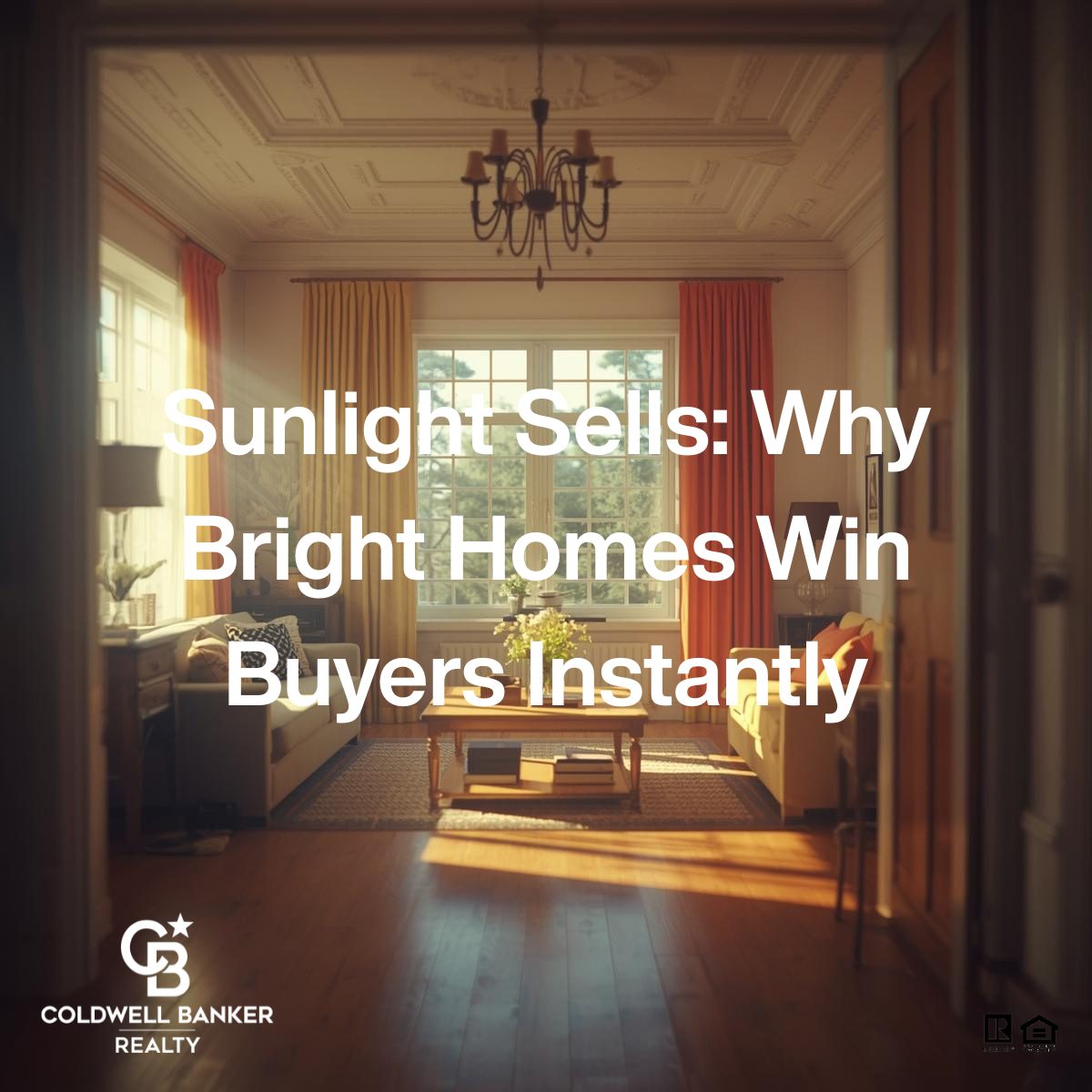
Sunlight Sells: Why Bright Homes Win Buyers Instantly

☀️ Why Buyers Are Obsessed With Natural Light (And What It Means for Home Values)

If you’ve toured homes lately — either online or in person — you’ve probably noticed one thing right away. Buyers light up (pun intended 😄) when they walk into a bright, sun-filled space. Almost instantly, shoulders relax, smiles appear, and comments like “This feels good” start flowing.

So why does natural light matter so much?

More importantly, how does it affect buyer decisions, home values, marketing strategies, and time on market?

As a REALTOR® working with buyers and sellers every day, I see firsthand how sunlight influences emotions, pricing, and final outcomes. Let’s break down why buyers are obsessed with natural light — and how you can use it to your advantage in today’s real estate market.


🌞 Introduction: Light Sells Before Words Ever Do

Before a buyer notices the countertops or the flooring, their brain reacts to light. In fact, natural light creates an instant emotional response that often determines whether a buyer stays engaged or mentally checks out.

Even so, this preference isn’t just aesthetic. Instead, it’s deeply rooted in psychology, wellness, and lifestyle trends. As homes increasingly serve as offices, retreats, and gathering spaces, sunlight has become a non-negotiable feature for many buyers.

Because of that shift, understanding the power of natural light is now essential — whether you’re buying, selling, or investing.


📈 Market Context: Why Natural Light Matters More Than Ever

Over the last decade, buyer priorities have changed dramatically. While location and price still matter, how a home feels has become equally important.

Thanks to remote work, flexible schedules, and increased time at home, buyers now spend more waking hours indoors. Consequently, dark or poorly lit homes feel smaller, colder, and less inviting than they once did.

At the same time, listing photos dominate first impressions. Since bright images perform better online, homes with abundant natural light naturally stand out on platforms like Zillow, Realtor.com, and MLS searches.

As a result, light-filled homes often:

  • Receive more online views 📲

  • Generate stronger emotional connections

  • Sell faster than darker counterparts

  • Command higher perceived value


📊 Key Trends & Data: What the Numbers Say

The obsession with natural light isn’t just anecdotal — the data backs it up.

According to the National Association of REALTORS® (NAR), lighting consistently ranks among the top interior features buyers notice first. Additionally, studies from the American Psychological Association show that exposure to natural light improves mood, focus, and overall well-being.

Meanwhile, real estate analytics firms report that homes marketed as “bright,” “sun-filled,” or “open and airy” often receive more showings and shorter days on market.

Even more interesting, research shared by Zillow indicates that listings emphasizing natural light sell for a premium compared to similar homes without that feature.
👉 Learn more at zillow.com/research


🧠 Buyer Motivations: It’s Emotional Before It’s Logical

While buyers often believe they’re making purely rational decisions, emotions play a massive role.

Natural light:

  • Makes rooms feel larger 📐

  • Enhances paint colors and finishes

  • Creates warmth and positivity

  • Reduces stress and fatigue

Because of this, buyers subconsciously associate bright homes with happiness, health, and comfort.

Additionally, light supports modern lifestyles. Whether someone works from home, hosts family gatherings, or simply enjoys a morning coffee by the window ☕, sunlight enhances daily routines.


🏡 Popular Home Features That Maximize Light

Buyers aren’t just asking for light — they’re looking for specific architectural and design features that deliver it.

Here are some of the most popular:

  • Large windows and sliding doors

  • Open floor plans

  • Vaulted or higher ceilings

  • South-facing exposure

  • Skylights and sun tunnels

  • Glass doors leading to patios or decks

Even homes without massive windows can feel brighter with thoughtful layouts, lighter finishes, and strategic staging.


🌍 Lifestyle Drivers Behind the Trend

Beyond design, lifestyle changes are fueling this obsession.

For instance:

  • Remote work demands better home environments 💻

  • Wellness trends emphasize mental health and sunlight

  • Energy efficiency improvements reduce glare and heat

  • Buyers value indoor-outdoor living more than ever

As a result, light has shifted from a “nice-to-have” to a “must-have” for many buyers — especially in competitive markets.


📍 Local & Regional Insights: Why It Matters Here

In the Greater Cincinnati area and surrounding communities, natural light can vary widely by home style and neighborhood.

Older homes often have smaller windows, while newer construction tends to prioritize open layouts and brightness. However, even historic homes can shine with the right preparation.

In neighborhoods like Milford, Loveland, Anderson Township, and Batavia, I consistently see brighter homes attract stronger interest — even when pricing is similar.

Because of that, sellers who highlight light correctly often outperform expectations.


💰 Financial & Lending Considerations

Although natural light doesn’t appear as a line item on an appraisal, it absolutely influences value perception.

Homes that show better:

  • Attract more competition

  • Encourage stronger offers

  • Reduce buyer hesitation

  • Appraise more smoothly due to demand

Furthermore, buyers stretching their budgets often feel more confident doing so for homes that feel right. That emotional confidence can make all the difference.

For financing insights, visit consumerfinance.gov for trusted mortgage education.


🔍 Home Search Tips for Buyers

If natural light is a priority, here’s how to search smarter:

  • Tour homes at different times of day

  • Pay attention to window placement

  • Ask about orientation and exposure

  • Look beyond paint and furniture

  • Imagine seasonal lighting changes

Also, don’t forget that cosmetic updates — like trimming landscaping or changing window treatments — can dramatically increase brightness.


🧭 Professional REALTOR® Strategy Advice

This is where experience matters.

As a REALTOR®, my role isn’t just unlocking doors. Instead, it’s helping buyers and sellers understand how features like natural light impact value, marketing, and negotiation.

For sellers, I help:

  • Prepare homes to maximize brightness

  • Time photography for best lighting

  • Position listings to attract emotional buyers

For buyers, I help:

  • Identify homes with hidden potential

  • Evaluate long-term livability

  • Avoid overpaying for cosmetic brightness

To explore how light impacts your specific situation, visit www.mikesellscincyhomes.com for local insights and tools.


✅ Conclusion: Light Isn’t Just a Feature — It’s a Feeling

At the end of the day, buyers aren’t just purchasing walls and roofs. They’re buying a lifestyle, a mood, and a sense of comfort.

Natural light delivers all three.

Whether you’re preparing to sell, searching for your next home, or simply planning ahead, understanding why buyers crave light gives you a major advantage in today’s market.


📞 Ready to Talk Strategy?

If you’re wondering how natural light affects your home’s value or your buying power, let’s talk.

👉 Schedule a 30-minute consultation:
https://tinyurl.com/Schedulea30MinuteCall

👉 Subscribe to my blog for weekly market insights:
https://mikemcentush.sites.cbmoxi.com/cincinnati-real-estate-blog-tips-news

#RealEstate, #CincinnatiRealEstate, #HomeBuying, #HomeSelling, #NaturalLight, #RealEstateTips, #HouseHunting, #SellYourHome, #BuyAHome, #RealtorLife, #ColdwellBanker, #MikeSellsCincyHomes

For Sellers December 17, 2025

Why Some Homes Sit on the Market

Why Some Homes Sit on the Market 🏡⏳

(And What Sellers Can Do About It)

Selling a home should feel exciting.
However, when days on market start stacking up, frustration can creep in quickly.

At first, sellers stay optimistic.
Then, showings slow down.
Eventually, questions turn into worries.

So why do some homes sell quickly, while others linger on the market? More importantly, what can homeowners do differently to avoid becoming “that listing” buyers scroll past?

Let’s break it all down — clearly, honestly, and with real-world insight from the Cincinnati real estate market and beyond. 👇


Why This Topic Matters in Today’s Market 📊

The housing market has shifted.
While demand remains strong in many areas, buyers are also more cautious, better informed, and financially sensitive than they were a few years ago.

Because of that, pricing mistakes, poor presentation, and lack of strategy stand out fast.

According to the National Association of REALTORS®, homes that are overpriced typically sit longer and sell for less after reductions compared to homes priced correctly from day one (NAR.org). That trend continues locally across Greater Cincinnati.

As a result, sellers can no longer rely on “throw it on the market and see what happens.”

Instead, strategy matters more than ever. 🧠


The #1 Reason Homes Sit on the Market: Overpricing 💰

Let’s start with the biggest culprit.

Pricing a home too high is the most common — and most costly — mistake sellers make.

While it’s understandable to want top dollar, today’s buyers are savvy. They compare listings online, review recent sales, and watch price histories closely.

When a home is overpriced:

  • Buyers skip it altogether

  • Online engagement drops quickly

  • The listing becomes “stale”

  • Price reductions feel reactive instead of strategic

Even worse, the first two weeks on the market are critical. That’s when serious buyers are watching closely.

💡 Pro Insight: Homes priced correctly at launch typically receive more showings, stronger offers, and better final terms.


Market Trends That Influence Days on Market 📈

Several broader trends also impact how long a home takes to sell.

Inventory Levels

When inventory rises, buyers gain leverage.
Consequently, homes must stand out more to compete.

Interest Rates

Higher mortgage rates reduce buying power.
As a result, buyers become pickier and more price-sensitive.

Seasonality

Spring and early summer still see more buyer activity.
Meanwhile, fall and winter listings often require sharper pricing and stronger marketing.

You can explore current local trends anytime through tools like the Neighborhood News section on my site:
👉 https://mikemcentush.sites.cbmoxi.com/neighborhood-news


Buyer Psychology: What Buyers Are Really Thinking 🧠

Buyers don’t just buy homes.
They buy confidence.

When a home sits too long, buyers start asking:

  • “What’s wrong with it?”

  • “Did it fail inspections before?”

  • “Will the seller negotiate heavily?”

Even if nothing is wrong, perception becomes reality.

Because of this, homes that linger often face tougher negotiations later.

That’s why the goal isn’t just to sell — it’s to sell efficiently and confidently.


Condition, Presentation, and First Impressions Matter 🎨

Another major reason homes sit?
They simply don’t show well.

First impressions happen in seconds — online and in person.

Common issues include:

  • Outdated paint colors

  • Poor lighting

  • Cluttered rooms

  • Worn flooring

  • Unfinished repairs

According to Zillow research, homes with professional photos sell faster and for more money (Zillow Research).

Small upgrades can create big impact.
Fresh paint, new hardware, and strategic staging often outperform costly renovations.


Popular Home Features Buyers Want (and Expect) 🛋️

Buyer preferences continue to evolve.

Homes that sit often lack:

  • Open or flexible layouts

  • Updated kitchens or baths

  • Functional home office space

  • Energy-efficient features

  • Outdoor living areas

While not every home can check every box, how features are presented matters just as much as what exists.

That’s where expert positioning makes a difference.


Local and Regional Factors at Play 🌎

In Cincinnati and surrounding communities, neighborhood-level details matter.

For example:

  • School district perception

  • Commute times

  • Nearby development

  • Property tax differences

  • HOA rules

A home in Loveland may market very differently than one in Batavia or Anderson Township.

That’s why hyper-local pricing and messaging are essential — not generic online estimates.

👉 Curious about your home’s value right now?
Use this local estimate tool: https://tinyurl.com/OurHomeEstimate


Financial and Lending Considerations 💳

Financing plays a bigger role than many sellers realize.

If a home sits:

  • Appraisals may become stricter

  • Buyers may request seller concessions

  • FHA or VA guidelines may limit condition issues

Additionally, buyers today are often juggling:

  • Higher monthly payments

  • Tighter budgets

  • Increased insurance costs

Because of that, pricing must align with real monthly affordability, not just comparable sales.


Online Visibility and Marketing Gaps 📱

Sometimes the problem isn’t the home — it’s the exposure.

Homes can sit when:

  • Photos are low quality

  • Descriptions lack emotion

  • Listings aren’t optimized for search

  • Social media promotion is minimal

  • Showing instructions are restrictive

Modern marketing requires:

  • Professional photography

  • Compelling listing copy

  • Strategic online syndication

  • Local social media amplification

Homes that tell a story always perform better.


Seller Expectations vs. Market Reality ⚖️

Emotion can quietly work against sellers.

Memories, improvements, and personal value don’t always translate to market value.

That’s why honest conversations upfront matter.

A strong REALTOR® doesn’t just list — they guide, educate, and advocate with data.


Home Search Tips for Buyers 👀

If you’re buying, homes that sit can sometimes be opportunities.

However, due diligence matters.

Buyers should:

  • Review price history

  • Ask about prior inspections

  • Understand days on market context

  • Work with a knowledgeable agent

A longer DOM doesn’t always mean a bad home — it means you need clarity.


Professional REALTOR® Strategy That Works 🧭

As a full-time Cincinnati REALTOR® with Coldwell Banker Realty, my approach focuses on three things:

  1. Accurate Pricing from Day One
    Based on hyper-local data, not guesswork.

  2. Strong Presentation & Positioning
    From staging guidance to professional marketing.

  3. Clear Communication & Strategy Adjustments
    So sellers never feel left in the dark.

This proactive approach reduces stress and increases results.


Final Thoughts: Sitting Isn’t Inevitable 🏁

Homes don’t sit because sellers fail.
They sit because strategy missed the mark.

The good news?
Every one of these issues is fixable with the right guidance.

Whether you’re planning to sell soon or just want clarity, knowledge is power.


Let’s Talk Strategy 📅

If your home is sitting — or you want to prevent that from happening — let’s talk.

👉 Schedule a free consultation with Mike McEntush, REALTOR® | Coldwell Banker Realty:
https://tinyurl.com/Schedulea30MinuteCall

📬 Subscribe to the blog for weekly market insights:
https://mikemcentush.sites.cbmoxi.com/my-blog

Together, we’ll turn questions into confidence — and listings into results that move you. 🚀

#CincinnatiRealEstate,#HomesForSale,#SellYourHome,#RealEstateTips,#ColdwellBanker,#MikeSellsCincyHomes,#HomeSellingAdvice,#RealEstateMarket,#ListingAgent,#OhioRealEstate,#HomeValue,#RealEstateExpert

For Sellers December 16, 2025

The Impact of Color on Home Sales

🎨 The Impact of Color on Home Sales: How the Right Shades Can Boost Your Sale Price

When homeowners think about selling, they usually focus on price, timing, and condition. However, one powerful factor often gets overlooked: color. 🎯
Surprisingly, the colors inside and outside your home can shape buyer emotions, influence first impressions, and even impact final sale prices.

While color might seem subjective, data shows it plays a measurable role in how quickly homes sell — and for how much. Therefore, understanding the psychology behind color can give sellers a real edge in today’s competitive real estate market.

As a Cincinnati REALTOR® with years of hands-on experience, I’ve seen firsthand how simple color changes can turn a “just listed” home into a “sold” success. Let’s explore how color impacts home sales — and how to use it strategically.


🏡 Why Color Matters in Today’s Housing Market

First impressions matter more than ever. Since most buyers begin their home search online, photos do the heavy lifting long before a showing happens. Because of that, color becomes a silent salesperson. 📸

Neutral, well-chosen palettes help buyers imagine themselves living in a space. In contrast, bold or dated colors can stop buyers emotionally before they ever walk through the door.

According to the National Association of REALTORS®, buyers often struggle to visualize a home’s potential when strong personal colors dominate the space. As a result, they may mentally subtract value — even if the home is well maintained.

👉 External source: https://www.nar.realtor/research-and-statistics


📊 Key Color Trends That Influence Buyer Behavior

While trends evolve, some patterns remain consistent year after year. Data from Zillow’s Paint Color Analysis shows that certain colors are linked to higher offers and faster sales. 📈

Here are a few standout findings:

  • Greige (gray + beige) walls consistently outperform stark white

  • Soft blues in bathrooms can increase perceived value

  • Warm neutrals photograph better than cool whites

  • Dark exterior accents boost curb appeal when used correctly

Zillow’s research found that homes with light gray or greige interiors sold for up to $2,500 more than expected, while overly bold colors reduced buyer interest.

👉 External source: https://www.zillow.com/research/paint-color-analysis/


🧠 The Psychology of Color in Real Estate

Color affects mood, emotion, and perception — all of which matter during a home tour. Therefore, understanding how buyers emotionally respond to color is critical.

  • Blues create calm, trust, and stability

  • Greens suggest balance and connection to nature 🌿

  • Warm neutrals feel inviting and flexible

  • Dark colors, when overused, can shrink spaces visually

Because buying a home is emotional, sellers should aim to create a space that feels peaceful, bright, and adaptable — not overly personal.


🏠 Buyer & Seller Motivations Explained Through Color

Buyers aren’t just shopping for square footage. Instead, they’re searching for a lifestyle. That’s where color plays a supporting role.

Buyers want:

  • Spaces that feel clean and move-in ready

  • Rooms that look bigger and brighter

  • Homes that feel emotionally neutral

Sellers, on the other hand, often feel attached to personal design choices. While that’s understandable, depersonalizing through paint can lead to stronger offers and fewer days on market.

Consequently, strategic color choices help bridge the emotional gap between sellers and buyers.


✨ Popular Home Features Enhanced by Color

Certain features shine brighter when paired with the right colors:

  • Open floor plans benefit from consistent neutral tones

  • Kitchens pop with white, soft gray, or warm taupe cabinets

  • Bathrooms feel spa-like with pale blue or light gray 🚿

  • Home offices stay productive with muted greens or greiges

Rather than repainting everything, targeted updates in high-impact areas often deliver the best return on investment.


📍 Local Cincinnati Market Insights on Color Choices

In the Cincinnati market — especially areas like Milford, Loveland, Anderson Township, and Batavia — buyers lean toward clean, timeless looks.

Homes that show well locally tend to use:

  • Warm neutrals instead of stark white

  • Light gray or beige walls for flexibility

  • Dark front doors for contrast and curb appeal

Older homes, in particular, benefit from fresh paint that modernizes without removing character. Therefore, paint can be one of the most cost-effective updates sellers make.

👉 Internal link: https://mikemcentush.sites.cbmoxi.com/neighborhood-news


💰 Financial Impact: ROI of Paint Before Selling

Painting offers one of the highest returns among pre-sale improvements. On average:

  • Interior painting costs $2,000–$5,000

  • Sellers often recoup 100%+ of that cost

  • Faster sales reduce carrying costs 💵

Additionally, homes that photograph better generate more online interest, leading to stronger buyer competition.

👉 External source: https://www.remodeling.hw.net/cost-vs-value


🏦 Lending, Appraisals & Buyer Perception

While appraisers don’t assign value directly to color, buyer perception absolutely influences final prices. If buyers feel a home is dated or needs work, they may submit lower offers — even when financing allows more.

Since appraisals are influenced by comparable sales, strong offers driven by presentation can indirectly protect appraised value.

Therefore, color impacts more than aesthetics — it affects negotiation power.


🔍 Smart Home Search Tips for Buyers

Buyers should look past color when evaluating homes. While paint is emotional, it’s also one of the easiest fixes.

Before passing on a home, ask:

  • Does the layout work for my needs?

  • Is the location right long-term?

  • Can paint quickly change the feel?

Often, a weekend paint job transforms a space completely. 🎨

👉 Internal link: https://mikemcentush.sites.cbmoxi.com/property-search


🧑‍💼 Professional REALTOR® Strategy: How I Guide Sellers

As a REALTOR®, I don’t guess — I advise based on data, buyer behavior, and local trends.

My strategy includes:

  • Personalized color recommendations

  • Pre-listing walkthroughs

  • Market-driven staging advice

  • ROI-focused improvements

Instead of overspending, sellers get clear guidance on what truly matters.

👉 Internal link: https://mikemcentush.sites.cbmoxi.com/selling


🎯 Final Thoughts: Color Is More Powerful Than You Think

At the end of the day, color sets the emotional tone of a home. When used intentionally, it attracts buyers, strengthens offers, and speeds up sales.

While trends change, one rule stays constant: buyers want homes that feel clean, calm, and move-in ready.

If you’re thinking about selling — or even just planning ahead — the right color choices can make a real financial difference.


📞 Ready to Talk Strategy?

If you’d like personalized advice on preparing your home for today’s market, I’d love to help.

👉 Schedule a 30-minute consultation:
https://tinyurl.com/Schedulea30MinuteCall

👉 Subscribe to the blog for weekly market tips:
https://mikemcentush.sites.cbmoxi.com/my-blog

#CincinnatiRealEstate, #HomeSellingTips, #RealEstateAdvice, #HomeStaging, #SellYourHome, #MikeSellsCincyHomes, #ColdwellBankerRealty, #RealEstateMarketing, #HomesForSale, #SellerTips, #RealEstateExpert, #ResultsThatMoveU

For Buyers December 12, 2025

What Boomers Can Teach Younger Homebuyers

What Boomers Can Teach Younger Homebuyers 🏡

Introduction: Why Old-School Homebuying Wisdom Still Matters ✨

Buying a home today can feel stressful. Prices feel high. Inventory feels tight. Decisions feel rushed. Because of that, many younger buyers feel pressure to move fast and stretch limits.

However, this isn’t the first time buyers have faced tough conditions.

In fact, Baby Boomers bought homes during periods of high inflation, rising rates, and economic uncertainty. Even so, many built long-term wealth through smart and steady choices.

So what did they do differently?

More importantly, what can today’s buyers learn from them?

As a Cincinnati REALTOR® working daily with first-time buyers, move-up buyers, and sellers, I see these lessons play out in real life. When buyers apply timeless principles, outcomes improve. As a result, stress drops and confidence rises.

Let’s break it down. 👇


Market Context: Why This Lesson Matters More Than Ever 📊

Right now, the housing market moves quickly. Homes sell fast. Competition stays strong. Meanwhile, mortgage rates change often.

Because of this, younger buyers sometimes feel forced to act emotionally. Unfortunately, emotional decisions often lead to regret.

Boomers faced challenges too. During the 1980s, mortgage rates reached double digits. Jobs were uncertain. Inflation was high. Still, they focused on what they could control.

According to the National Association of REALTORS®, homeowners build significantly more long-term wealth than renters over time, especially when they stay invested through market cycles.
👉 https://www.nar.realtor/research-and-statistics

Therefore, ownership — even during tough periods — often pays off.


Key Trends: How Buying Has Changed (and Hasn’t) 📈

Today’s buyers rely on apps, alerts, and social media. Information moves fast. Expectations feel high.

Meanwhile, Boomers bought homes with far less data. Instead of chasing trends, they focused on fundamentals.

They paid attention to:

  • Monthly payment comfort

  • Neighborhood quality

  • Long-term value

  • Livability over flash

Even today, those same factors matter most.

Data from Freddie Mac shows that homeowners who stay in their homes longer often see better overall returns and stability over time.
👉 https://www.freddiemac.com/pmms

As a result, patience still wins.


Buyer & Seller Motivations: Think Long-Term, Not Just Right Now 🎯

Boomers understood something important. A home is not just a purchase. It’s a long-term plan.

Rather than buying the biggest house possible, they bought what fit their lives and budgets. That approach helped them weather market shifts.

Today, younger buyers can benefit by doing the same.

Instead of asking, “What looks best online?”
Try asking, “What works best over time?”

Sellers notice this mindset too. Buyers who focus on stability often make stronger offers.

If you’re starting your search, you can explore current listings here:
👉 https://mikemcentush.sites.cbmoxi.com/property-search


Home Features That Matter: Practical Beats Perfect 🛠️

Boomers didn’t expect perfection. Instead, they expected potential.

They bought solid homes. Then, over time, they improved them.

That approach still works today.

Rather than waiting for a fully renovated home, consider:

  • Strong structure

  • Good layout

  • Upgrade potential

According to Remodeling Magazine’s Cost vs. Value Report, certain improvements consistently add value over time, while others do not.
👉 https://www.remodeling.hw.net/cost-vs-value

Because of that, buyers who focus on bones instead of finishes often win.


Lifestyle Lessons: Patience Creates Opportunity ⏳

Boomers rarely expected fast equity. Instead, they planned to stay put.

Because of that, market swings mattered less.

Today’s buyers can benefit by doing the same.

For example:

  • Plan to stay at least 5–7 years

  • Ignore short-term headlines

  • Focus on daily livability

According to the Federal Reserve, housing remains one of the most stable long-term wealth builders for American households.
👉 https://www.federalreserve.gov/econres/notes/feds-notes/household-wealth.htm

Therefore, time often smooths market ups and downs.


Local Cincinnati Insight: Smart Locations Still Win 📍

In Greater Cincinnati, certain patterns stay consistent.

Areas with strong schools, access to amenities, and community appeal continue to perform well year after year.

Neighborhoods like Milford, Loveland, Anderson Township, and Union Township remain popular because they offer long-term livability, not just short-term buzz.

Boomers paid close attention to location. That wisdom still applies today.

To explore local trends and neighborhood data, visit:
👉 https://mikemcentush.sites.cbmoxi.com/neighborhood-news


Financial Wisdom: Buy Comfort, Not Pressure 💰

Boomers focused on payments they could handle. Even when rates were high, they stayed conservative.

That lesson matters today more than ever.

Instead of stretching to the maximum approval, smart buyers:

  • Leave room in the budget

  • Plan for repairs

  • Build savings

The Consumer Financial Protection Bureau stresses that sustainable monthly payments matter more than chasing the biggest loan.
👉 https://www.consumerfinance.gov/owning-a-home/

Rates can change later. Stress lasts much longer.

You can estimate values and plan smarter here:
👉 https://mikemcentush.sites.cbmoxi.com/cb-estimates


Lending Strategy: Preparation Creates Leverage 🏦

Boomers worked closely with lenders early. That preparation gave them confidence.

Today, pre-approval does the same.

It helps buyers:

  • Move quickly

  • Make stronger offers

  • Avoid surprises

The U.S. Department of Housing and Urban Development (HUD) also recommends buyer education and early preparation before shopping.
👉 https://www.hud.gov/buying

Because of that, having the right team matters.


Home Search Tips: Think Beyond Today 🧠

Boomers naturally thought ahead.

Even if you plan to stay long-term, thinking like an investor helps protect your future value.

Ask yourself:

  • Will others want this home later?

  • Does the layout age well?

  • Is the area improving?

Research from the Harvard Joint Center for Housing Studies shows that neighborhood stability plays a major role in long-term value.
👉 https://www.jchs.harvard.edu


REALTOR® Strategy: Why Experience Still Matters 🤝

Boomers relied on trusted advisors. They asked questions. They listened.

In today’s fast market, that guidance matters even more.

As a Cincinnati REALTOR® with Coldwell Banker Realty, I help buyers:

  • Win competitive situations

  • Avoid costly mistakes

  • Build smart long-term plans

You don’t need to do this alone.

👉 Learn more about my buyer strategy here:
https://mikemcentush.sites.cbmoxi.com/buying


Conclusion: Timeless Lessons for Today’s Buyers 🌟

Markets change. Technology changes. However, smart principles stay the same.

Boomers succeeded because they stayed patient, practical, and prepared.

Younger buyers who adopt those habits often feel more confident and make better decisions.

By blending modern tools with proven wisdom, you can move forward with clarity and purpose.


Ready to Build a Smart Plan? Let’s Talk 📞

Whether you’re buying now or planning ahead, I’m here to help.

👉 Schedule a free 30-minute strategy call:
https://tinyurl.com/Schedulea30MinuteCall

👉 Subscribe for weekly market insights:
https://mikemcentush.sites.cbmoxi.com/my-blog


#realestate, #homebuyingtips, #firsttimehomebuyer, #millennialhomebuyer, #genzhomes, #cincinnatirealestate, #ohiorealestate, #housingmarket, #realestatetips, #homeownership, #buyersagent, #realestateeducation

For Buyers December 11, 2025

How the Latest Fed Interest Rate Reduction Doesn’t Necessarily Reflect in Mortgage Rates

How the Latest Fed Interest Rate Reduction Doesn’t Necessarily Reflect in Mortgage Rates

Introduction: Why Buyers and Sellers Are Confused 🤔

Each time the Federal Reserve announces a rate cut, people expect mortgage rates to drop as well. It feels logical, and it seems simple. However, the mortgage market works very differently. Because of this, many homebuyers and sellers across Cincinnati wonder why mortgage rates stay the same—or even rise—after a Fed announcement.

This guide breaks everything down in a clear and helpful way. You’ll learn why mortgage rates move at their own pace, and you’ll see how to make smart choices in today’s market. As always, I’m here to support you with real-time insights and local experience.

If you want personalized advice, you can schedule a quick call anytime at 👉 https://tinyurl.com/Schedulea30MinuteCall.


Why This Topic Matters in Today’s Housing Market 🏡

The real estate market changes fast. Even small movements in mortgage rates can affect affordability, buyer demand, and seller strategy. Because of this, understanding what actually drives mortgage rates is essential.

Many buyers hit pause on their search because they expect rates to fall right after a Fed cut. Meanwhile, some sellers delay listing their homes because they think buyers will wait for better rates. Both decisions can backfire. When you know what’s really happening, you can make better, faster, and more confident choices.


What the Fed Actually Controls 🔍

Although it seems like the Fed should influence all borrowing costs, it does not directly set mortgage rates. Instead, the Federal Reserve adjusts the federal funds rate, which affects short-term lending between banks. Mortgage rates follow a different path.

Mortgage pricing is shaped by:

  • The 10-year Treasury bond

  • Investor expectations

  • National and global economic trends

  • Inflation data

  • Mortgage-backed securities

Because these factors react differently than bank-to-bank lending, the mortgage market often moves independently of a Fed announcement. For more detail, you can review this helpful overview from Freddie Mac:
https://www.freddiemac.com/purchasemarket/overview


Why Mortgage Rates Don’t Always Drop After a Fed Cut 📈

Even though a Fed cut sounds positive, mortgage rates respond to long-term expectations—not short-term news. Here’s why.

1. Markets Look Ahead, Not Back

Investors react to future inflation and economic trends. When they expect inflation to stay steady or rise, mortgage rates may remain higher, even after a cut. This forward-looking approach often creates delays between the Fed’s action and the mortgage market’s reaction.

2. Bond Yields Drive Mortgage Rates

The 10-year Treasury bond plays a major role in setting mortgage rates. When bond yields rise, mortgage rates usually rise too—regardless of what the Fed does. Because of this, a Fed cut may not move the needle at all if the bond market heads in a different direction.

3. Lenders Adjust for Risk

Banks want protection during uncertain economic times. They sometimes keep rates higher to reduce risk. This happens even when borrowing conditions improve elsewhere.

4. Global Events Influence U.S. Mortgage Rates

International economics also matter. When global markets feel unstable, investors may shift money around quickly. These shifts can push U.S. mortgage rates higher or lower, with no connection to the Federal Reserve.

For a deeper explanation, you can review this article from Investopedia:
https://www.investopedia.com/mortgage-rates-dont-just-follow-the-fed-7488402


Key Trends Buyers Should Understand 🧭

Even when rates stay steady, many Cincinnati buyers continue to move forward for good reasons.

More Manageable Competition

Although homes still sell quickly, the frenzy of 2021 is gone. Buyers today often face fewer competing offers.

More Price Stability

Many Cincinnati sellers have embraced realistic pricing. This creates more opportunities for buyers to enter the market.

Refinancing Remains an Option

Rates go up and down over time. Buyers like the idea of buying now and refinancing later when rates become more favorable.

Lifestyle Needs Are Changing

People still move because of work, family, or personal goals. These needs don’t disappear when interest rates fluctuate.

For more local trends and updates, you can explore my blog here:
Internal link: https://mikemcentush.sites.cbmoxi.com/my-blog


Seller Motivations in the Current Market 🔥

Sellers still hold significant power in many Cincinnati neighborhoods. Although rates influence buyer decisions, strong demand continues across the region.

Low Inventory = Strong Demand

In many areas—including 45102, 45244, and the Milford/Loveland corridor—pending sales and sold homes often outnumber new listings.

Qualified Buyers Are Active

Not all buyers wait for lower rates. Many need to move now due to life circumstances. Motivated buyers create solid opportunities for sellers.

Homes Still Sell Quickly

When priced well, homes across Cincinnati’s east side continue to receive steady showing activity and strong offers.

Buyers Want Updated Homes

Features like modern kitchens, energy-efficient updates, finished basements, and outdoor spaces attract immediate interest.


Popular Home Features & Lifestyle Drivers 🏠✨

Homebuyers today care about lifestyle as much as price. Because of this, certain features stand out:

  • Home offices

  • Larger yards

  • Finished basements for multigenerational living

  • Energy-saving improvements

  • Walkable communities

  • Updated kitchens

  • Open floor plans

These features often influence demand more than interest rates. Data from the National Association of REALTORS® continues to confirm these lifestyle trends:
https://www.nar.realtor/research-and-statistics


Local Insights: Cincinnati’s East Side Is Still Strong 📍

Real estate is extremely local. While national headlines may seem dramatic, the Cincinnati region often behaves differently.

Here are areas where buyer activity remains strong:

  • Milford — loved for its charm and schools

  • Loveland — popular trail systems and family-friendly appeal

  • Amelia & Batavia — growing demand and strong affordability

  • Anderson Township — consistently high interest

  • Union Township & Pierce Township — outstanding value

Every neighborhood has its own unique market behavior. Because of this, having a knowledgeable Cincinnati Realtor® is essential.

You can always reach out for a personalized market update or a custom analysis for your home.
Schedule here: https://tinyurl.com/Schedulea30MinuteCall


Lending Considerations Buyers Should Review 💰

Even when mortgage rates don’t fall after a Fed cut, buyers still have several ways to improve affordability.

💡 1. Seller Credits Are Returning

Buyers can request credits to lower closing costs or reduce their interest rate for the first few years.

💡 2. Temporary Buydowns

Programs like 2-1 buydowns lower rates early on and help ease the first years of homeownership.

💡 3. Adjustable-Rate Mortgages (ARMs)

In some situations, an ARM can provide a lower starting rate. This helps buyers who expect to refinance later.

💡 4. Lender Incentives

Many local lenders offer creative programs and special promotions.

💡 5. Refinancing Opportunities

Because rates change over time, refinancing remains a useful long-term strategy.


Home Search Tips to Stay Competitive 🔑

Even with unpredictable rates, buyers can still find success by using smart tactics.

✔ Get pre-approved early

This makes you more prepared and competitive. It also helps you understand your true buying power.

✔ Compare lenders

Rates and fees vary. Because of this, comparing several options often leads to better savings.

✔ Stay focused on affordability

Look at your budget and monthly payment comfort level.

✔ Act quickly when the right home appears

Waiting for a small rate drop may cause you to miss a home that fits your needs.

✔ Work with an experienced local Realtor®

Guidance matters more than ever in a shifting market.


Strategy Advice from a Cincinnati Realtor® 🧠

With years of experience in the Cincinnati market, I see how buyers and sellers react to interest rate news every day. Here is my best advice:

1. Avoid fear-driven decisions

Rates move often. Your long-term goals matter more.

2. Understand that timing the market is nearly impossible

Waiting for perfect conditions usually leads to missed opportunities.

3. Focus on value

Homes in strong neighborhoods—like Milford, Loveland, and Anderson Township—tend to appreciate over time.

4. Stay flexible

Your strategy can shift as the market evolves.

5. Use today’s conditions to your advantage

Periods of uncertainty often present some of the best opportunities.

If you want help building a personalized plan, I’m always here to assist you.


Conclusion: Rate Cuts Don’t Tell the Whole Story 💬

Although the latest Fed rate reduction didn’t push mortgage rates down right away, buyers and sellers still have strong reasons to stay active. Mortgage rates follow many factors, and they rarely shift overnight. Because of this, the best strategy is to focus on your long-term goals and use smart guidance along the way.

Whenever you’re ready, I’m here to help you understand the market and make the best move for your situation.

👉 Schedule your consultation:

https://tinyurl.com/Schedulea30MinuteCall

👉 Subscribe to the blog:

https://mikemcentush.sites.cbmoxi.com/my-blog

#realestate, #cincinnatirealestate, #mortgagerates, #interestrates, #homebuyingtips, #homesellers, #firsttimehomebuyer, #ohiohomes, #milfordohio, #lovelandohio, #andersonohio, #realtorlife, #mikemcentush, #mikesellscincyhomes

For Sellers December 10, 2025

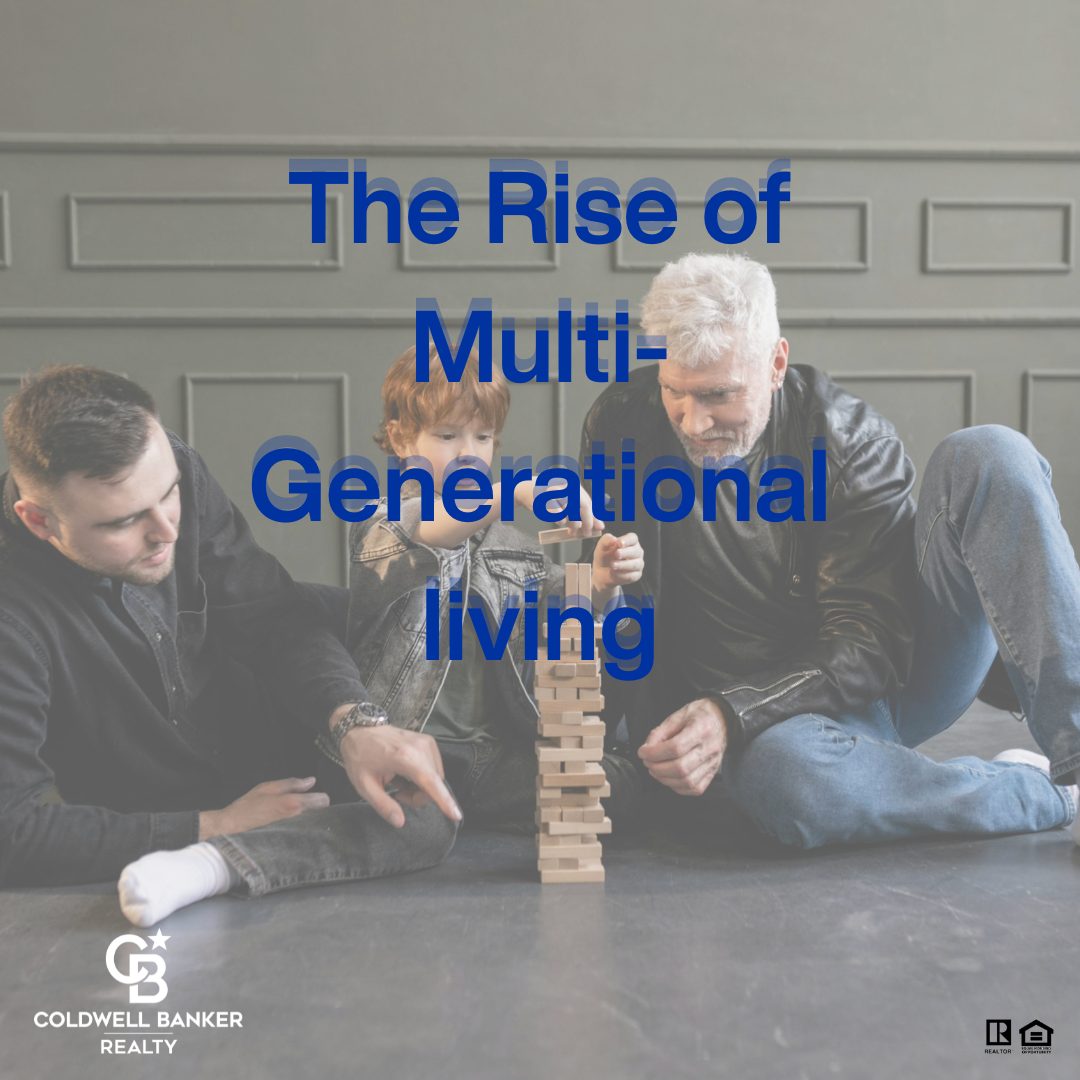
The Rise of Multi-Generational Living

The Rise of Multi-Generational Living: Why More Cincinnati Families Are Choosing to Live Together 🏡❤️

Multi-generational living is becoming more common in Greater Cincinnati. Families want more support, more flexibility, and more financial stability. Because of these needs, homes that can accommodate several generations are now in high demand across Milford, Loveland, Batavia, Amelia, Anderson Township, and Union Township.

This shift is reshaping how people buy and sell homes. It is also changing how builders design new spaces. As this movement grows, buyers and sellers gain new opportunities that can benefit them for years. Let’s explore why this lifestyle is rising and how it affects our local real estate market. 🌟


Introduction

Families everywhere are searching for better ways to live, and multi-generational housing offers a simple solution. When families live together, they save money, share responsibilities, and stay connected. Daily life becomes easier because everyone can offer support, whether it’s helping with childcare, caring for aging parents, or managing household expenses.

Additionally, many Cincinnati buyers want features that offer both privacy and community. Sellers also see the value in these layouts. Homes that include lower-level suites, additional bedrooms, or separate living areas often attract more attention.

Multi-generational living is more than a trend. It is becoming a long-term lifestyle choice for many Cincinnati-area families who want comfort and stability.


Why Multi-Generational Living Matters Today

Housing costs remain higher than buyers would like, and interest rates add pressure for many individuals. Because of this, families often combine incomes to improve their buying power. This approach allows them to qualify for larger or more flexible homes.

Furthermore, more adults want support for childcare or elder care. Multi-generational living makes these daily needs easier to manage. Cultural traditions also play a role, since many families already value shared living arrangements.

According to the Pew Research Center, nearly 18% of adults in the U.S. now live in multi-generational households—a number that continues to grow.
https://www.pewresearch.org/social-trends/

For additional national insight, the National Association of Realtors® publishes ongoing research on home trends:
https://www.nar.realtor/research-and-statistics

In Cincinnati, homes offering flexible layouts often receive more showings, faster offers, and stronger interest from buyers. If you want to browse available homes, visit:
👉 Browse Cincinnati Homes


Key Trends Shaping Multi-Generational Housing

Millennials Driving Demand

Many millennials choose multi-generational living because it offers stability and shared financial support. They can manage childcare costs, student loans, and living expenses more easily when they share a home with parents or grandparents.

Older Adults Aging in Place

Many older adults prefer to age at home rather than move into retirement communities. Homes with accessible features—like first-floor suites, wider doorways, and step-free entries—help make this possible.
Learn more from AARP’s Livable Communities initiative:
https://www.aarp.org/livable-communities/

Homes With Flexibility Sell Faster

Properties offering separate living areas, walkout basements, or in-law suites often sell more quickly and attract stronger offers.

Builders Adding Multi-Gen Floor Plans

New-build communities in Milford, Batavia, Eastgate, and Union Township now offer floor plans designed for shared living.


What Motivates Buyers and Sellers

Buyer Motivations

  • More affordability through shared income

  • Built-in support for childcare and elder care

  • Closer family connections

  • Easier management of household expenses

Seller Motivations

  • Larger buyer pool

  • Higher interest in flexible layouts

  • Faster market activity

  • Stronger pricing potential

For more seller strategies, visit:
👉 Selling Your Home


Popular Home Features for Multi-Generational Living

Walkout Finished Basements

These offer privacy and comfort for extended family members.

First-Floor Bedroom Suites

Ideal for aging parents or anyone who needs easy access.

Second Kitchens or Kitchenettes

Support independent living while keeping the family together.

Separate Entrances

Provide more freedom for extended family members or guests.

Open-Concept Living Areas

Make family gatherings more enjoyable.

Outdoor Living Spaces

Decks, patios, and yards offer room to relax.

Flex Rooms

These rooms adapt easily to changing needs over time.


Greater Cincinnati & Clermont County Insights

Milford (45150)

Walkout basements and ranch layouts attract multi-gen buyers.

Loveland (45140)

Larger homes with expanded suites draw strong interest.

Batavia (45103)

New builds often feature flexible or multi-gen floor plans.

Union Township (45245)

Known for larger homes and versatile layouts.

Anderson Township (45230, 45255)

Diverse home designs and strong schools increase appeal.

Amelia (45102)

Ranch homes and new construction options are popular choices.

Explore local property records via the Hamilton County Auditor:
https://www.hcauditor.org

For regular market updates:
👉 Neighborhood News


Financial & Lending Considerations

Combined Income Helps Buyers Qualify

When multiple borrowers are on the loan, families often gain more buying power.

Loan Types That Support Multi-Gen Living

Renovation Loans for Updating Spaces

Families upgrading homes for accessibility or extra living areas may benefit from renovation financing.

Plan Ownership Structure Early

Discuss long-term ownership, roles, and expectations before purchasing together.


Home Search Tips for Multi-Generational Buyers

Successful multi-gen home searches balance privacy with connection. Therefore, look for layouts with dedicated suites, separate entrances, or adaptable rooms.

It also helps to think about long-term needs. A home that works today should continue supporting the family as members age or circumstances change.

Location matters as well. Homes near schools, healthcare, shops, and major routes like I-275 and Route 32 offer convenient access for everyone in the household.


Professional REALTOR® Strategy and Support

As a full-time Cincinnati REALTOR®, I help families navigate multi-generational living every week. Because I understand which neighborhoods offer the right layouts, I can guide you toward homes that fit your needs faster.

Additionally, I craft strong negotiation strategies to help you stand out in a competitive market. Homes designed for multi-gen living often get a lot of attention, so having the right approach matters.

If you’re selling, I highlight your home’s multi-gen potential through targeted marketing that reaches motivated buyers.
Learn more about purchasing here:
👉 Buying a Home


Conclusion

Multi-generational living is growing across Cincinnati because it creates stronger financial footing, practical daily support, and deeper family connections. Whether you’re hoping to help aging parents, support adult children, or simply enjoy more time with family, this approach can make life easier and more meaningful.

With the right strategy and guidance, you can find a home that supports every generation and brings long-term value.


Ready to Explore Multi-Generational Living in Cincinnati? Let’s Talk!

📞 Contact Mike McEntush, REALTOR® | Coldwell Banker Realty
📅 Schedule a consultation: https://tinyurl.com/Schedulea30MinuteCall
📝 Subscribe to the blog: https://mikemcentush.sites.cbmoxi.com/my-blog
🌐 Explore listings: https://mikemcentush.sites.cbmoxi.com

#realestate, #realtor, #realtorlife, #homebuying, #homeselling, #cincinnatirealestate, #ohiorealestate, #househunting, #multigenerationalliving, #familyhomes, #coldwellbanker, #mikemcentush

Millennials December 9, 2025

What’s Trending in Starter Homes

What’s Trending in Starter Homes in 2025: The Ultimate Guide for First-Time Buyers & Savvy Sellers 🏡✨

Purchasing your first home is more than a milestone — it’s a defining moment in your financial journey. Yet the starter-home market has changed so dramatically that what used to be considered “standard” no longer applies. As a result, understanding what’s trending today is essential for anyone hoping to buy, sell, or simply stay informed.

Starter homes have become a hot topic for both buyers and sellers across the country, and especially in the Greater Cincinnati market, where affordability, quality of life, and community amenities continue to attract first-time homeowners. Whether you’re dreaming of Milford, Loveland, Batavia, Amelia, Anderson Township, or Union Township, knowing what today’s buyers want will give you a major edge.

Let’s dive into the latest trends, insights, and strategic tips that can help you confidently navigate today’s evolving market.


1. Introduction: Why Starter Homes Matter More Than Ever 🧭

Starter homes are more than entry-level. They represent opportunity, long-term growth, and the first step toward building equity. However, because buyer expectations and lifestyle needs have evolved, so has the definition of a “starter home.”

Years ago, buyers were willing to take on heavy renovations. Today, they prefer efficiency, low maintenance, cost savings, and modern convenience. Sellers, on the other hand, want to maximize value without pouring in unnecessary cash. Because of that, smart updates, digital convenience, and strategic pricing play a huge role in winning over first-time buyers.

This guide explores the top trends influencing starter homes in 2025 — from popular features and lifestyle drivers to financial factors, regional insights, and professional recommendations that give buyers and sellers a competitive edge.


2. Market Context: What’s Shaping Today’s Starter-Home Market 📊

Understanding the broader economic landscape helps explain why starter homes are evolving. Several major factors are influencing buyer and seller behavior right now:

🌡️ Inventory Remains Tight

Starter homes under $350,000 remain in high demand across Greater Cincinnati. The limited supply pushes buyers to act quickly and encourages sellers to strategically prepare their homes before listing.

💸 Affordability Pressures Are Shifting Buyer Priorities

Although interest rates have changed over the past few years, many buyers remain motivated because they see homeownership as a shield against rising rents. Even when mortgage rates fluctuate, owning still offers long-term financial benefits.

👥 Millennials & Gen Z Are Driving Demand

These two generations make up the majority of first-time buyers. They prioritize:

  • Low-maintenance living

  • Energy efficiency

  • Technology integration

  • Walkability

  • Flexible work-from-home options

🏘️ Cincinnati’s Strong Market Position

Compared to many U.S. metro areas, Cincinnati remains far more affordable. Buyers often get more square footage, better schools, safer neighborhoods, and higher long-term value.

For national context, the National Association of REALTORS® reports that first-time buyers now make up around one-third of all homebuyers — a number that continues rising as younger adults enter the market.
(Source: https://www.nar.realtor)

Starter homes are evolving because the buyers themselves are evolving.


3. Key Trends & Data: What Buyers Want Most Right Now 🔍📈

The starter-home market shows clear trends, and understanding these patterns helps both buyers and sellers make smarter choices.

📌 Trend #1: Move-In Ready Beats Fixer-Upper

Rising material costs and limited spare time push today’s buyers toward updated, turnkey homes.
Homes with newer mechanicals, modern finishes, and neutral colors attract stronger and faster offers.

📌 Trend #2: Smaller Footprint, Smarter Design

Average starter-home sizes range from 1,100 to 1,800 sq ft, but the focus has shifted from size to function. Buyers love:

  • Open-concept living areas

  • Versatile rooms (office/guest combo)

  • Efficient storage

  • Finished or partially finished basements

📌 Trend #3: Outdoor Living Is a Top Priority

Since the pandemic, outdoor spaces remain high on everyone’s list. Buyers are looking for:

  • Fenced yards

  • Patios

  • Fire pits

  • Decks

  • Small gardens

  • Low-maintenance landscaping

Even modest outdoor upgrades can dramatically boost perceived value.

📌 Trend #4: Energy Efficiency = Savings

Energy-efficient homes save buyers money every single month, which is a huge motivator. Features include:

  • High-efficiency HVAC systems

  • LED lighting

  • Newer roofs with proper ventilation

  • Better insulation

  • Energy Star appliances

  • Smart thermostats

📌 Trend #5: Smart Home Tech Is Now Expected

Doorbell cameras, app-controlled thermostats, digital locks, and smart lighting aren’t luxury features anymore — they’re modern essentials.

📌 Trend #6: Convenient Location Matters More Than Luxury

Buyers want to spend less time driving and more time living. Walkability, proximity to grocery stores, parks, gyms, and major highways increase demand significantly.

These trends shape not just what buyers look for but also what sellers should emphasize when preparing their homes for market.


4. Buyer & Seller Motivations: What Drives Today’s Decisions 🧠💬

Understanding what motivates each side creates smoother and more successful transactions.

👍 For Buyers:

  • They want value — not just in pricing but in lifestyle and efficiency.

  • They prioritize predictable monthly expenses.

  • They look for low maintenance and modern systems.

  • They expect digital convenience during the buying process.

  • They want to see return potential, even in their starter home.

Buyers also crave simplicity. Homes that require too many unknowns end up feeling risky.


👍 For Sellers:

  • They want fast, strong offers.

  • They understand buyers gravitate toward updated homes.

  • They aim to maximize ROI without overspending.

  • They look for pricing strategies based on true local data, not online estimates.

Seller expectations stay consistent: sell quickly, sell confidently, and sell with the least amount of friction.


5. Popular Home Features & Lifestyle Drivers in 2025 🏡🔥

Beyond basic updates, several lifestyle shifts are shaping what buyers want.

✨ Work-from-Home Flexibility

Even though more people are returning to offices, hybrid schedules continue. Starter homes that feature:

  • A spare bedroom

  • A finished basement office

  • A dedicated desk nook

…immediately rise in value.

✨ Multi-Purpose Rooms

Rooms need to function in multiple ways:

  • Workout + office

  • Nursery + playroom

  • Guest room + storage

Buyers want adaptable homes that grow with them.

✨ Affordable Monthly Utility Costs

Energy efficiency drives this trend. Buyers often ask about HVAC age, window age, insulation type, and the average electric bill.

✨ Low-Maintenance Finishes

LVP flooring, modern countertops, tile showers, and vinyl exterior siding are favorites because they reduce upkeep.

✨ Outdoor Entertaining

Starter homes with usable outdoor spaces sell faster and often with stronger offers.

Lifestyle drives value — and sellers who understand this position their homes far more effectively.


6. Local Cincinnati Market Insights (Hyper-Local Breakdown) 🌆📍

Every market is unique, and the Cincinnati suburbs have their own clear trends.

🔥 Milford (45150)

Buyers love the small-town feel, top schools, vibrant businesses, and proximity to outdoor trails.

🔥 Loveland (45140)

Always in high demand thanks to the Loveland Bike Trail, coffee shops, and award-winning schools.

🔥 Batavia (45103)

A favorite for buyers seeking affordability, newer construction, and convenience to shopping.

🔥 Amelia (45102)

Strong demand because of access to Eastgate, Route 125, and affordable starter-home options.

🔥 Anderson Township (45255)

A top-tier school district, tree-lined neighborhoods, and lifestyle amenities make it extremely competitive.

🔥 Union Township (45245)

Fast-growing with retail convenience, parks, and an excellent blend of established and new homes.

These areas continue to attract both first-time buyers and long-term investors.
For current updates, explore Neighborhood News:
👉 https://mikemcentush.sites.cbmoxi.com/neighborhood-news


7. Financial & Lending Considerations for Buyers in 2025 💰🏦

To compete effectively, buyers must understand today’s lending environment.

Popular loan products for first-time buyers:

  • FHA loans with low down payments

  • Conventional 3% down loans

  • VA loans for eligible buyers

  • OHFA programs (https://ohiohome.org)

  • Local down payment assistance depending on income

Why Pre-Approval Matters

A strong pre-approval letter often beats higher offers from buyers with weaker financing.
It also helps buyers confidently navigate bidding situations.

What Sellers Need to Know

Homes appealing to FHA and VA loan buyers generally attract more traffic and often move faster.
Addressing basic safety and structural items before listing is key.


8. Smart Home-Search Strategies for Today’s Market 🔍✨

Because competition remains high, buyers need a strategy that combines logic and speed.

🔹 Start with a realistic budget

Know your monthly comfort zone, not just your maximum loan approval.

🔹 Expand your search radius

Homes slightly outside your target area often offer more value and less competition.

🔹 Focus on long-term resale potential

Look for strong schools, stable neighborhoods, and solid local job markets.

🔹 Act quickly — but ask smart questions

Speed matters, but so does due diligence.

🔹 Don’t dismiss cosmetic flaws

Paint, fixtures, and flooring are easier (and cheaper) to fix than people think.

Start your home search here:
👉 https://mikemcentush.sites.cbmoxi.com/property-search


9. REALTOR® Strategy: How a Professional Can Elevate Your Results 🧠🔑

Working with an experienced REALTOR® saves buyers and sellers time, money, and stress.

How I Help Buyers

  • I analyze neighborhoods for long-term value

  • I provide private local insights unavailable online

  • I implement proven offer strategies

  • I guide you through inspections, appraisals, and negotiations

  • I connect you with the best lenders and inspectors in the region

How I Help Sellers

  • I price strategically using real local data

  • I help prioritize cost-effective updates

  • I deliver professional marketing (video, photo, social media, ads)

  • I negotiate aggressively to protect your equity

  • I manage the entire transaction from listing to closing

When experience meets strategy, results follow.


10. Conclusion: Opportunity Awaits in the Starter-Home Market ⭐

The starter-home market continues to evolve, and the buyers shaping it are more informed, more intentional, and more lifestyle-focused than ever. Sellers who understand these trends dramatically increase their chances of success, while buyers who prepare strategically position themselves to win even in competitive situations.

Whether you’re ready to make your move or simply exploring what’s next, I’m here to guide you with clear, confident, and local expertise.


Let’s Connect! Ready to Start Your Journey? 🔑

👉 Schedule a consultation today:
https://tinyurl.com/Schedulea30MinuteCall

👉 Subscribe to the blog for more market insights:
https://mikemcentush.sites.cbmoxi.com/my-blog

#realestate, #starterhome, #firsttimehomebuyer, #cincinnatirealestate, #milfordohiohomes, #lovelandohio, #buyingahome, #sellingahome, #homesearch, #househunting, #realtorlife, #ohiorealestate, #realestatetips


For BuyersMillennials December 8, 2025

The Rise of Millennial Homeownership

The Rise of Millennial Homeownership: Why America’s Largest Buyer Group Is Changing Real Estate

https://dallas.culturemap.com/media-library/young-couple-buying-their-first-house.jpg?coordinates=0%2C0%2C0%2C0&height=1500&id=31513328&width=2000&utm_source=chatgpt.com

1. Introduction: A New Era in Homeownership 🏡✨

For years, experts predicted millennials would never buy homes. They said this generation was drowning in student loans, too focused on travel, and uninterested in settling down. Yet here we are — millennials now make up the largest share of homebuyers in America. Even better? They’re purchasing homes with purpose, clarity, and confidence.

As a Cincinnati-area REALTOR® who works daily with first-time and repeat millennial buyers, I’ve seen the shift firsthand. This isn’t simply a trend — it’s a major demographic movement reshaping neighborhoods, pricing, and expectations across the country.

In this blog, we’ll explore the data, motivations, lifestyle preferences, and financial strategies driving the rise of millennial homeownership. Throughout, you’ll find expert guidance, helpful tips, internal links, external research, and plenty of real-world insights based on what I see every day here in Greater Cincinnati.

Whether you’re a buyer, seller, or just watching the market evolve, this guide will help you understand exactly what’s happening — and why it matters.


2. Market Context: Why the Rise of Millennial Buyers Matters 📈

Millennials — adults roughly 25–44 — make up the largest living adult generation and, for the first time, the majority of homebuyers. According to the National Association of REALTORS® (NAR), millennials accounted for 43% of all home purchases in recent years (source: https://www.nar.realtor). That’s a massive shift, and it’s transforming everything from pricing strategies to what sellers must highlight to attract this demographic.

Why this matters:

  • They have strong purchasing power. Many millennials are now in their peak earning years.

  • They’re entering family-building and wealth-building phases. Buying a home fits both.

  • They demand modern features. This pushes builders and sellers to update their offerings.

  • They research heavily. Transparency and trust from REALTORS® matter more than ever.

Locally, in areas like Milford, Loveland, Batavia, Anderson Township, and Union Township, millennials are driving competition for well-priced, move-in-ready homes. As a top Cincinnati REALTOR®, I see them influencing which neighborhoods boom next and how fast homes appreciate.


3. Key Trends + Data: What the Numbers Say 📊

National and regional data give us a clear picture:

✔️ Millennials are buying earlier than Gen X and Boomers did.

Many purchased their first home around 32–34. That number continues to drop as remote work expands.

✔️ Student loans were a hurdle — but not a wall.

More lenders are using flexible debt-to-income considerations, helping qualified millennials secure loans.

✔️ Remote work expanded the map.

With the ability to work from home, many are choosing suburbs like Milford, Amelia, and Loveland for affordability and lifestyle benefits.

✔️ They prefer turnkey homes.

Unlike previous generations, millennials often work demanding jobs and don’t want heavy renovation projects.

✔️ They value affordability + resale.

Millennial buyers are extremely investment-minded and care deeply about long-term ROI.

These trends shape everything from offer strategies to how sellers prepare their homes for market.


4. Buyer & Seller Motivations: Why Millennials Are Buying Now 🎯

Millennials aren’t buying homes because “that’s what people do at 30.” Instead, their motivations are more intentional and financially driven.

Top Reasons Millennials Are Buying:

  • Desire for stability in an unpredictable rental market

  • Rising rents outpacing monthly mortgage payments

  • Ability to build wealth and gain equity

  • Growing families or future family planning

  • A craving for personal space and privacy

Interestingly, lifestyle factors matter just as much as financial ones. Many millennials want a space that supports hobbies, work, pets, and wellness — a major shift from previous generations.

Seller Motivations:

Sellers who understand millennial preferences win big. Because millennials prioritize turnkey condition, updated kitchens, smart-home features, and energy-efficiency, homes that include these see faster sales and higher offers.

Want to explore how to prepare your home for this generation? Check out my tips page here:
➡️ https://mikesellscincyhomes.com (internal link suggestion — replace with your actual internal page)


5. Popular Home Features + Lifestyle Drivers 🛋️💡

Millennials aren’t just buying houses — they’re curating lifestyles. The home must match their values, rhythms, and daily routines.

Most-Wanted Features for Millennial Buyers:

  • Updated kitchens with neutral tones

  • Smart-home tech, including thermostats, security, and lighting

  • Low-maintenance yards

  • Energy-efficient windows and appliances

  • Flexible spaces that can evolve over time

  • A dedicated home office or workspace

  • Open-concept living areas

  • Pet-friendly layouts

Lifestyle Drivers:

  • Health & wellness: spaces for home gyms

  • Outdoor living: patios, decks, fenced yards

  • Convenience: proximity to coffee shops, local restaurants, parks

  • Walkability: Many choose neighborhoods with sidewalks and trails

These preferences aren’t fads. They reflect a generation building homes around comfort, technology, and experience.


6. Local Cincinnati & Regional Insights 🏘️

Here in Greater Cincinnati — especially across Clermont and Hamilton Counties — millennial buying behavior is creating noticeable shifts.

Communities seeing strong millennial demand:

  • Milford (45150) — charming downtown, walkability, excellent schools

  • Loveland (45140) — bike trail, active food scene, family-friendly

  • Batavia (45103) — affordability + new developments

  • Anderson Township (45255) — strong schools, parks, updated homes

  • Amelia (45102) — value + growing amenities

  • Williamsburg (45176) — affordability with land/space

Millennials often choose these areas because they offer a blend of budget-friendly options, lifestyle convenience, and long-term investment potential.

As a trusted Cincinnati REALTOR®, I analyze these buyer flows to guide sellers on pricing strategy and help buyers land homes in competitive pockets.


7. Financial & Lending Considerations 💵📄

Millennials are incredibly financially aware. They research every option and ask detailed questions — which is a good thing.

What Millennial Buyers Prioritize:

  • Lower interest rates and long-term affordability

  • Down payment assistance programs

  • First-time buyer incentives

  • Competitive closing costs

  • Transparent lender communication

Useful Resources:

Smart Strategies for Millennials:

  • Get pre-approved early

  • Compare 3–4 lenders

  • Consider 3–5% down programs

  • Factor in insurance + utilities, not just mortgage payment

  • Build an emergency fund for homeownership

With rates still fluctuating, having the right guidance makes all the difference.


8. Home Search Tips for Millennial Buyers 🔍🏡

Here are expert, real-world tips I give every millennial client:

1. Know your must-haves vs. nice-to-haves.

This helps you act fast in a competitive market.

2. Get your pre-approval ready before touring.

Sellers take your offer more seriously.

3. Tour homes quickly.

Great millennial-friendly homes often sell within days.

4. Lean on data.

Your decisions should be supported by comps, trends, and local insights.

5. Think 5–7 years ahead.

Don’t buy only for today — buy for the lifestyle you’re building.

For more insights, visit my home search page here:
➡️ https://mikesellscincyhomes.com


9. Professional Realtor® Strategy Advice 🔑

Millennials appreciate transparency, strategic communication, and clear guidance. As a top Cincinnati REALTOR®, I approach millennial clients with:

✔️ Data-driven pricing strategies

✔️ Modern marketing + professional photography

✔️ Neighborhood-specific insight

✔️ Local connections for lenders, inspectors, contractors

✔️ Clear explanation of every step

✔️ Negotiation that protects long-term financial goals

For sellers, understanding millennial expectations means preparing, staging, and listing with intention.
For buyers, navigating budget, location, and competition requires an advocate who knows the market inside and out.

This is where a trusted pro makes all the difference.


10. Conclusion  🌟

The rise of millennial homeownership isn’t just a statistic — it’s a major movement reshaping communities, revitalizing suburbs, and modernizing real estate. Millennials bring energy, intention, and curiosity to the buying process, and they expect REALTORS® who match that commitment.

Whether you’re a millennial ready to buy your first home, a seller hoping to attract this massive audience, or simply looking for expert market insight, I’m here to guide you with honesty, expertise, and unmatched local experience.

Ready to talk about your next move? Let’s chat.

📞 Contact Mike McEntush, REALTOR® — Coldwell Banker Realty
📅 Schedule your consultation: https://tinyurl.com/Schedulea30MinuteCall
📝 Subscribe to the blog: https://mikemcentush.sites.cbmoxi.com/my-blog

#realestate, #realtor, #homebuying, #homesellers, #millennialhomebuyers, #cincyrealestate, #coldwellbanker, #househunting, #realestatetips, #firsttimehomebuyer, #ohiohomes, #realestatemarket

For Sellers December 5, 2025

What Millennials Want in a Home

🌟 What Millennials Want in a Home: A Simple and Helpful Guide for Buyers & Sellers

Millennials now make up the largest group of homebuyers in the real estate market. Because of this, their preferences shape what sells, what sits, and what gets top dollar. 🏡✨

This generation values comfort, flexibility, and smart design. They care about affordability, lifestyle, and long-term stability. As a REALTOR® working across Greater Cincinnati, I see these trends every day.

Let’s walk through what Millennials want in a home — and how buyers and sellers can use this insight to make better decisions. 👇


📌 1. Introduction

Millennials (born 1981–1996) approach homeownership with a fresh mindset. Many waited longer to buy, yet they now enter the market with clearer goals and stronger expectations. They want homes that are practical, comfortable, efficient, and easy to maintain.

Their decisions often focus on value, lifestyle fit, and community. Because they gather a lot of information online before touring a home, they expect clarity and convenience throughout the process.


📈 2. Market Context: Why This Topic Matters Today

The market changes quickly, and Millennials play a huge role in these changes. Inventory stays tight, interest rates shift often, and buyers want more transparency. Millennials lead these trends because they rely on data and digital tools when making big decisions.

According to the National Association of REALTORS®, they are the largest share of buyers in the U.S.
👉  https://www.nar.realtor

As a result, sellers who understand Millennial expectations often see more showings, quicker offers, and a smoother sale. Buyers also benefit because they can focus on homes that truly match their needs.


📊 3. Key Trends + Data

Several major trends shape how Millennials search for homes. These trends appear nationwide and across Cincinnati.

⭐ Trend 1: Affordability still leads

Prices continue to rise. Because of this, Millennials often look for good value in suburbs and growing neighborhoods.

⭐ Trend 2: Remote work changed the layout buyers want

Many Millennials now work from home. Therefore, they need offices, flex rooms, or finished basements.

⭐ Trend 3: Energy efficiency matters

Homes with efficient systems save money. This makes features like modern HVAC, good insulation, and LED lighting very appealing.

⭐ Trend 4: Smart features make homes stand out

Millennials like technology that adds safety or convenience. For example, video doorbells, smart thermostats, and app-controlled lighting all score high.

⭐ Trend 5: Outdoor living space is important

Decks, patios, fenced yards, and green areas offer room to relax. Millennials love this because it adds space and comfort.


❤️ 4. Buyer + Seller Motivations

Millennials buy homes for different reasons than past generations.

🎯 Why Millennials Buy

They often want:

  • A stable place to call home

  • Lower monthly costs compared to rising rent

  • A chance to build equity

  • More space for work or family

  • A community that fits their lifestyle

Many feel ready for long-term roots and want a home that supports growth and flexibility.

🎯 Why Sellers Should Care

Since Millennials make up the biggest buyer group, sellers who tailor their homes to this market often see stronger results. Homes that match Millennial wants tend to sell faster and attract better offers.


🧭 5. Popular Home Features Millennials Love

Below are the features that appear again and again on Millennial wish lists.

🔹 Move-In Ready Condition

Busy schedules and tight budgets make renovations tough. Because of this, updated homes attract more Millennial buyers.

🔹 Open Floor Plans

Open layouts feel bright and flexible. They support cooking, watching kids, relaxing, and hosting friends.

🔹 Energy Efficiency

Millennials value low energy costs. Efficient appliances and updated systems make a home more appealing and more comfortable.

🔹 Modern Kitchens

Simple, clean, and functional kitchens rank high. Features like islands, updated counters, and good storage help a lot.

🔹 Outdoor Spaces

Fenced yards, patios, and decks add value. Even small outdoor areas give buyers a sense of freedom and relaxation.

🔹 Walkability and Community

Millennials enjoy walking to parks, trails, coffee shops, gyms, and pet-friendly spots. They want both connection and convenience. 🐶☕


📍 6. Local Insights for the Cincinnati & Clermont County Market

These preferences also appear across Milford, Loveland, Batavia, Amelia, Anderson Township, Williamsburg, and more.

🌆 In the city and inner suburbs

Millennials search for:

  • Walkability

  • Updated interiors

  • Character homes

  • Good parking

🏘️ In suburbs like Milford, Loveland, and Batavia

They want:

  • Newer builds

  • Larger yards

  • Finished basements

  • Nearby parks and trails

  • Strong school districts

🌳 In rural or quieter areas

They prefer:

  • Space

  • Privacy

  • Room for hobbies

  • Lower traffic

👉 Learn more about local communities and market updates:
https://mikemcentush.sites.cbmoxi.com


💰 7. Financial + Lending Considerations

Financing can feel overwhelming. However, Millennials have many options that make owning a home possible.

✔ Down Payment Help

Ohio offers grants, tax programs, and reduced-rate loan options. These tools make the first step easier.

✔ Loan Types

FHA, VA, and USDA loans help buyers with different needs. Each program offers unique benefits and flexible guidelines.

✔ Monthly Payment Focus

Millennials pay close attention to monthly payments. Because of this, they compare interest rates, utility costs, and taxes carefully.

✔ Closing Cost Support

Some lenders offer credits. Some sellers offer concessions. These options help keep buyer expenses manageable.

👉  https://www.consumerfinance.gov


🔍 8. Home Search Tips for Millennial Buyers

Here are simple tips that make the process easier and faster.

📝 Tip 1: Get pre-approved early

This sets your budget and strengthens your offer.

📝 Tip 2: Make a clear must-have list

Focus on the features that matter most.

📝 Tip 3: Explore up-and-coming areas

Places like Batavia, Amelia, and Williamsburg offer great value today and strong growth tomorrow.

📝 Tip 4: Consider the total cost

Look at utilities, taxes, insurance, and maintenance. These costs matter long-term.

📝 Tip 5: Use smart tools

Virtual tours, digital CMAs, and online scheduling save time and stress.


🧠 9. Realtor® Strategy Tips for Sellers

Sellers can attract more Millennial buyers with a few smart steps.

💡 Strategy 1: Highlight updates

Smart tech and energy-efficient features catch attention right away.

💡 Strategy 2: Complete repairs upfront

Move-in ready homes reduce stress and increase buyer confidence.

💡 Strategy 3: Stage with purpose

Create a home office setup. Add cozy outdoor space. Show flexibility.

💡 Strategy 4: Use strong online marketing

Millennials shop on their phones. High-quality photos and mobile-friendly descriptions make a big difference.

💡 Strategy 5: Price with precision

Millennials compare carefully. Accurate pricing helps generate stronger interest.

👉https://mikemcentush.sites.cbmoxi.com


🎉 10. Conclusion

Millennials influence today’s housing trends in major ways. Because they value comfort, flexibility, efficiency, and community, sellers should adjust their approach. Buyers should use these insights to find homes that match their lifestyle and long-term goals.

Whether you’re buying or selling, you deserve a clear plan and a trusted guide. I’m here to help you navigate the market with confidence, support, and expert insight.


📞 Ready to Plan Your Next Move?

👉 Contact Mike McEntush, REALTOR® | Coldwell Banker Realty
Your trusted expert for Cincinnati, Clermont County, and the entire east side.

📅 Schedule a consultation: https://tinyurl.com/Schedulea30MinuteCall
📝 Subscribe to my blog: https://mikemcentush.sites.cbmoxi.com/my-blog

#realestate, #millennialbuyers, #homebuyingtips, #cincinnatihomes, #clermontcounty, #lovelandohio, #milfordohiohomes, #househunting, #ohiorealestate, #firsttimehomebuyer, #realtorlife, #homesearch

For Buyers December 4, 2025

The Rise of Eco-Friendly Developments:

🌿 The Rise of Eco-Friendly Developments: Why Sustainable Living Is Reshaping Today’s Real Estate Market

Sustainable living has become far more than a passing trend. Buyers across Greater Cincinnati, Clermont County, and surrounding communities are placing a higher value on homes that support healthier living, reduce energy waste, and improve long-term efficiency. Although eco-friendly construction once felt niche, it is now shaping how builders design neighborhoods, how sellers market their homes, and how buyers evaluate long-term value. 🌎🏡

This shift affects buyers, sellers, investors, and homeowners who want to protect their wallets, support the environment, and stay ahead of where the housing market is heading. Because this topic impacts so many decisions, it deserves a clear and practical explanation—one based on real-world expertise, up-to-date research, and local insights from the Cincinnati market.

Let’s explore why eco-friendly developments are rising so quickly and what this means for homeowners in our region.


⭐ 1. Introduction: A Smarter Way to Build, Buy, and Live

Eco-friendly developments offer something homeowners increasingly want: comfort, efficiency, and long-term savings. As construction standards evolve, builders are integrating modern technologies that lower monthly expenses and create healthier indoor spaces. Many of today’s communities also incorporate green space, walking paths, and modern infrastructure designed to minimize environmental impact.

Although early sustainability efforts focused primarily on energy use, newer developments include more comprehensive features such as EV-ready garages, improved air filtration, smart home automation, solar-ready roofs, high-performance windows, and eco-landscaping. As a result, these homes not only feel better to live in—they also tend to hold their value more effectively.

Because of these benefits, interest in eco-friendly real estate is growing across nearly every age group. Buyers understand that efficiency upgrades offer immediate comfort and long-term financial flexibility. Sellers see that green features often improve marketability. And developers recognize that sustainability is becoming a competitive advantage.


⭐ 2. Why This Topic Matters in Today’s Real Estate Market

The demand for sustainable developments is rising because it aligns with several major trends affecting buyers and homeowners. Although affordability remains important, many people now consider long-term operating costs just as closely as purchase price. When utilities continue climbing, energy-efficient homes become far more attractive.

Additionally, EV ownership is expanding, especially in suburban markets. Builders are responding by adding dedicated charging circuits and improving garage electrical capacity. Because these features cost more to retrofit than to build upfront, many buyers prefer homes that already include them.

Meanwhile, younger generations—particularly Millennials and Gen Z—are deeply interested in sustainable living. They prioritize walkability, outdoor access, and communities that feel healthier and more connected. These preferences are significantly influencing new developments in Milford, Loveland, Anderson Township, Union Township, Batavia, and Amelia.

Overall, eco-friendly housing matters because it affects:

  • Future resale value

  • Monthly affordability

  • Neighborhood appeal

  • Buyer demand

  • Community planning

  • Market competitiveness

When so many factors converge, the result is a long-term shift in how real estate is built, marketed, and purchased.

For related market insights, explore more posts on my blog:
👉 Mike’s Real Estate Blog


⭐ 3. Key Trends + Data Driving the Growth of Eco-Friendly Housing

Several national and regional studies show clear momentum behind sustainable real estate. Because buyers want more transparency around efficiency, builders and developers continue expanding green features.

Here are a few notable statistics from trusted organizations such as EnergyStar.gov, the National Association of Home Builders, and the U.S. Green Building Council:

  • 🌱 78% of buyers prefer energy-efficient homes, even at a higher price point

  • 🌱 Homes with eco-friendly features often sell faster than comparable properties

  • 🌱 Solar-ready homes attract stronger buyer interest, even when panels are not installed

  • 🌱 Over 40% of new builds include green certification standards or upgraded insulation systems

  • 🌱 Neighborhoods with green space and walking paths tend to score higher on buyer satisfaction

External source:
🔗 https://www.energy.gov/energysaver/energy-efficient-home-design

Additionally, Cincinnati-area builders are integrating sustainable materials and HVAC systems at higher rates. These trends apply across price points, which means eco-friendly living is becoming accessible—not exclusive.


⭐ 4. Buyer & Seller Motivations: Why Homeowners Value Sustainable Features

Understanding buyer and seller motivations reveals why eco-friendly developments are gaining so much traction.

🌎 Buyer Motivations

Homebuyers appreciate features that support comfort, savings, and long-term security. Many are motivated by:

  • Lower monthly utility bills

  • Better indoor air quality

  • Reliable, low-maintenance systems

  • Smart home control for energy use

  • Solar readiness

  • EV charging access

  • Community walkability

  • Healthier materials and finishes

Although environmental awareness plays a role, many buyers focus primarily on the financial benefits that efficiency brings.

🌎 Seller Motivations

Homeowners also recognize the value of green features:

  • Energy-efficient homes often attract more showings

  • Listings with green upgrades stand out in online searches

  • Eco-friendly features can increase perceived value

  • Utility savings become a selling point

  • Energy certifications boost buyer confidence

  • Modern features reduce negotiation friction

As more buyers seek these upgrades, sellers gain a strategic advantage by adding even simple improvements.


⭐ 5. Popular Home Features + Lifestyle Drivers Behind the Push for Sustainability

The features that define eco-friendly developments continue to evolve. Modern buyers look for elements that support both convenience and long-term savings.

🔌 Popular Eco-Friendly Features

  • High-efficiency HVAC systems

  • Low-E or triple-pane windows

  • Advanced insulation

  • Smart thermostats

  • Tankless water heaters

  • LED lighting packages

  • Solar-ready roofing

  • Rainwater collection systems

  • Energy-efficient appliances

  • Fresh-air ventilation technology

  • EV charging capabilities

🌿 Lifestyle Drivers

  • More families want homes that support indoor wellness

  • Outdoor recreation is becoming a major priority

  • Remote work increases the need for healthier living environments

  • Interest in walkable communities is growing

  • Desire for lower long-term housing costs continues to rise

  • EV adoption is expanding quickly across Cincinnati suburbs

These lifestyle preferences are shaping not only homes but also the overall planning of future communities.


⭐ 6. Cincinnati & Clermont County: Local Trends You Should Watch

Eco-friendly developments are rapidly gaining popularity in several Greater Cincinnati areas. Because local buyers appreciate value, comfort, and efficiency, green features are becoming more common across East-side communities.

📍 Milford

New developments highlight smart-home features, improved insulation packages, and efficient HVAC systems.

📍 Loveland

Buyers love the outdoor lifestyle, and eco-friendly amenities pair perfectly with the Little Miami Trail and surrounding natural areas.

📍 Batavia & Amelia

Starter-home neighborhoods increasingly include energy-efficient envelopes that appeal to first-time buyers.

📍 Anderson Township & Union Township

Higher-end communities emphasize solar-ready roofs, EV infrastructure, and advanced building materials.

📍 Rural Clermont County

Large-lot homes with upgraded wells, septic systems, and modern mechanicals are gaining strong interest.

These trends demonstrate how sustainability is becoming a regional priority—not a fringe preference.


⭐ 7. Financial + Lending Considerations for Eco-Friendly Homes

Financing an eco-friendly home often brings distinct benefits because many lenders now support energy-efficient upgrades.

💵 Lower Monthly Costs

Well-built eco-friendly homes typically reduce utilities significantly, often by 20–40%. Because monthly savings matter, many buyers prioritize these homes.

💵 Better Long-Term ROI

Properties with high-efficiency systems or solar-ready roofs usually maintain higher resale value.

💵 Lending Tools

Several loan products support sustainable improvements:

  • Fannie Mae HomeStyle® Energy

  • FHA Energy-Efficient Mortgage

  • Green construction loans

  • PACE financing (location-dependent)

💵 Tax Incentives

Homeowners may qualify for federal tax credits for solar, energy-efficient windows, HVAC systems, and water heaters.

External reference:
🔗 https://www.irs.gov/credits-deductions/residential-clean-energy-credit

Because incentives frequently change, buyers should review both federal and state programs before moving forward.


⭐ 8. Home Search Tips for Buyers Who Want Eco-Friendly Living

Searching for a sustainable home requires a slightly different approach. Here are expert tips that help buyers make the smartest choice:

✔ Request recent utility history to evaluate actual costs.
✔ Examine insulation levels in attics and exterior walls.
✔ Look for modern HVAC systems with high SEER ratings.
✔ Evaluate window quality and air-sealing strategies.
✔ Ask whether the roof is solar-ready.
✔ Review any available efficiency certifications.
✔ Pay attention to natural light and home orientation.
✔ Use smart-home features to track and manage energy use.
✔ Choose communities with walkability and green space.
✔ Work with a REALTOR® who understands these features and local trends.

Because eco-friendly features significantly influence long-term value, buyers benefit from guidance rooted in experience and strong local knowledge.


⭐ 9. Professional REALTOR® Strategy Advice

Eco-friendly developments offer unique advantages for both buyers and sellers.

💡 Buyer Strategy

  • Move quickly when green features appear in affordable price ranges.

  • Focus on homes with modern building envelopes, not just cosmetic upgrades.

  • Consider the long-term savings of energy-efficient systems.

  • Ask your agent to compare efficiency between neighborhoods.

  • Factor the cost of future upgrades into your offer strategy.

💡 Seller Strategy

  • Highlight eco-friendly upgrades clearly in your listing description.

  • Provide utility bills to demonstrate savings.

  • Offer a list of recent efficiency improvements.

  • Add smart thermostats or LED packages before selling.

  • Market your home to buyers who value sustainability.

Because green features are becoming more common, sellers who embrace them often gain a competitive advantage.


⭐ 10. Conclusion: Eco-Friendly Developments Are Shaping the Future of Real Estate

Sustainable homes are transforming how buyers evaluate long-term value, how sellers position their properties, and how developers plan new communities. Because of these changes, eco-friendly developments will continue expanding across Cincinnati, Clermont County, and the surrounding region.

If you’re considering buying, selling, or upgrading your home, this trend matters. A REALTOR® who understands local sustainability features can help you make smart, informed decisions that support both your lifestyle and your financial goals. 🌿


📞 Ready to Talk About Eco-Friendly Living?

I’d be happy to walk through your options, provide a market analysis, or help you find a sustainable home that fits your needs.

👉 Schedule a complimentary 30-minute call:
https://tinyurl.com/Schedulea30MinuteCall

👉 Subscribe to the blog for more insights:
https://mikemcentush.sites.cbmoxi.com/my-blog

#realestate, #realtor, #homebuyer, #homeseller, #sustainablehomes, #ecofriendlyhomes, #realestatetips, #cincinnatihomes, #clermontcountyhomes, #realestatetrends, #coldwellbanker, #mikesellscincyhomes

Investors December 2, 2025

What Makes a Neighborhood Investor-Friendly?

What Makes a Neighborhood Investor-Friendly? A Simple Guide for Today’s Buyers, Sellers & Investors

Real estate investing has become more popular than ever. However, not every neighborhood is a good fit for investors. Some areas offer steady returns, predictable demand, and long-term growth. Others do not. Understanding the difference can help you make smarter decisions whether you are buying, selling, or investing. 🏡💰

As a full-time REALTOR® working across Greater Cincinnati, I see what truly attracts investors. I also see why certain neighborhoods grow faster than others. This guide explains those patterns in a simple and friendly way. You’ll learn what investors search for, how trends shape markets, and what makes certain areas stand out.


1. Introduction

Investor-friendly neighborhoods matter. They create strong housing demand, attract new buyers, and keep local markets stable. These areas often have rising property values, good rental occupancy, and homes that hold long-term appeal.

Because of this, understanding what makes a neighborhood attractive to investors can help:

  • Buyers choose a home with solid appreciation potential

  • Sellers position their property for stronger offers

  • Investors find profitable opportunities

  • Homeowners understand future trends

A little knowledge goes a long way when navigating these markets.


2. Market Context: Why This Topic Matters Today

The housing market continues to shift. Rising costs, limited inventory, and changes in how people work shape today’s neighborhoods. According to recent data from Realtor.com and Redfin (external links: Realtor.com, Redfin), investors make up nearly 18% of home purchases in some areas.

Because investors play a larger role, their choices influence property values. They also impact the type of housing offered, the pace of updates, and how quickly homes sell. When investors choose a neighborhood, it signals confidence.

For homeowners, this is valuable information. For buyers, it can help guide long-term planning. And for investors, these patterns point toward the best opportunities.


3. Key Trends and Data Shaping Investor-Friendly Areas

Several major trends affect where investors choose to buy. These trends also help predict which neighborhoods may grow in the future.

📌 Growth in Rental Demand

Many people now rent longer due to affordability challenges. Investors pay attention to neighborhoods where rental demand stays strong year-round.

📌 A Shift Toward Suburbs and Small Cities

More buyers want homes outside big cities. Suburban neighborhoods near good schools, jobs, and shopping are especially attractive. Cities like Cincinnati, Columbus, Indianapolis, and Louisville continue to benefit from this trend.

📌 Remote and Hybrid Work

People who work from home want extra space. Rooms that can serve as an office, finished basements, and flexible layouts all boost rental and resale appeal.

📌 Renovation Opportunities

Investors love neighborhoods with older homes that need updates. These “value-add” properties often create higher returns after renovations.

📌 Community Improvements

New parks, retail development, or road improvements can lift entire neighborhoods. Investors follow these upgrades closely because they signal long-term growth.


4. Buyer and Seller Motivations in Investor-Friendly Neighborhoods

Understanding motivations helps explain why some areas attract more attention.

🏠 What Buyers Want

  • Updated homes

  • Good resale potential

  • Strong community feel

  • Modern finishes

  • Affordable prices

💼 What Investors Want

  • Predictable rental demand

  • Manageable renovation projects

  • Steady long-term returns

  • Areas with incoming development

  • Stable property values

📈 What Sellers Want

  • Quick sales

  • Strong offers

  • As-is purchase options

  • Interest from both investors and buyers

When these motivations align, neighborhoods thrive.


5. Popular Home Features and Lifestyle Drivers

Certain home features make a property more attractive to renters and buyers. Investors pay special attention to anything that boosts appeal or reduces maintenance costs.

✨ Popular Home Features

  • Updated kitchens

  • Modern bathrooms

  • Durable flooring

  • Energy-efficient appliances

  • Off-street parking

  • Finished basements

  • Fenced yards

✨ Popular Location Features

  • Walkability to shops

  • Parks and trails

  • Access to highways

  • Close to job centers

  • Strong school districts

  • Local restaurants and stores

These features help properties rent quickly and support long-term growth.


6. Local Insights: A Look at Greater Cincinnati

Cincinnati remains one of the best real estate markets for investors because it offers strong demand, affordable home prices, and steady job growth.

Neighborhoods like:

  • Milford (45150)

  • Loveland (45140)

  • Anderson Township (45255)

  • Union Township (45245)

  • Goshen

  • Batavia

  • Clermont County suburbs

…offer the right mix of value, convenience, schools, and long-term stability.

Many of these areas also have active development, revitalization, or infrastructure improvements underway. Investors appreciate that kind of momentum.

👉 More Cincinnati market insights (internal link):
https://mikemcentush.sites.cbmoxi.com/my-blog


7. Financial and Lending Factors Investors Consider

Numbers matter. A neighborhood becomes investor-friendly when the financial side makes sense.

📊 Cash Flow

Investors calculate whether the rent covers monthly expenses and still produces profit.

📊 Rent-to-Value Ratios

A rent-to-value ratio of 0.8% to 1% is often attractive for long-term rentals.

📊 Property Taxes

Lower tax areas help improve overall returns.

📊 Insurance Costs

Investors avoid neighborhoods with high insurance premiums unless returns outweigh risks.

📊 Lending Options

Investors may use:

  • Conventional loans

  • DSCR loans

  • Hard money

  • HELOCs

  • Portfolio loans

Flexible financing makes a neighborhood even more appealing.


8. Home Search Tips for Investors and Buyers

These simple tips help you evaluate a neighborhood’s true potential.

🔍 Look at the Neighborhood First

Homes can be updated. Locations cannot.

📈 Check Days on Market

Homes selling quickly usually signal strong demand.

🏗 Watch for Planned Development

New grocery stores, highways, or retail centers often point to future growth.

💬 Work with a Local REALTOR®

Local knowledge matters more than online data. Street-by-street insight makes a big difference.


9. Professional REALTOR® Strategy Advice

After helping many clients across Greater Cincinnati, I recommend several key strategies.

⭐ Use Local Market Data

Neighborhoods close together can behave differently.

⭐ Balance Cash Flow and Future Appreciation

Smart investments look at today’s value and tomorrow’s growth.

⭐ Review Zoning Rules

Zoning impacts what you can do with a property.

⭐ Avoid Choosing Neighborhoods Based on Price Alone

Cheaper homes do not always create stronger returns.

⭐ Never Skip Inspections

Even seasoned investors benefit from knowing a property’s condition.

⭐ Build a Strong Team

Contractors, lenders, inspectors, and title partners help protect your investment.

If you want personalized guidance for neighborhoods like 45150, 45245, 45140, or anywhere in Greater Cincinnati, I can help you navigate the best options.


10. Conclusion: Investor-Friendly Neighborhoods Help Communities Grow

A neighborhood becomes investor-friendly when it offers strong demand, stable growth, and reliable returns. These areas attract buyers, renters, and investors who all want the same thing: value, convenience, and long-term opportunity.

Understanding these factors helps you make confident real estate decisions. Whether you plan to buy, sell, or invest, the right neighborhood can support your goals for years to come.


📞 Ready to Explore Investor-Friendly Areas? Let’s Talk!

I help buyers, sellers, and investors make clear, informed decisions across Greater Cincinnati.

👉 Schedule a 30-minute consultation:
https://tinyurl.com/Schedulea30MinuteCall

👉 Subscribe for weekly Cincinnati market updates:
https://mikemcentush.sites.cbmoxi.com/my-blog

📲 Contact Mike McEntush, REALTOR® | Coldwell Banker Realty

#realestate, #realtor, #realestatetips, #homebuying, #homeselling, #realestateinvesting, #investorfriendly, #propertyinvestment, #cincinnatirealestate, #coldwellbanker, #mikemcentush, #housingmarket

For Buyers December 1, 2025

The Rise of Flexible Living Space:

The Rise of Flexible Living Space: Why Today’s Buyers Want Homes That Do More 🏡✨

Life has changed, and the way people use their homes has changed with it. Today, homeowners want spaces that offer options. They want rooms that can shift from office to guest room, or from gym to game room. As a result, flexible living space has become one of the biggest trends driving the 2025 real estate market.

Although every buyer wants something a little different, most of them share one clear expectation: their home should work for their lifestyle—not the other way around.

In this guide, we’ll explore why flexible space matters, how it affects home values, and what buyers and sellers can expect in the Cincinnati and Clermont County markets. Along the way, you’ll find tips, data, and local insights to help you make confident decisions about your next move.

Let’s jump in! 🚀


1. Introduction: A New Way of Thinking About Home

People have always wanted comfortable homes. However, today’s homeowners want something more. They want freedom. They want rooms that can change as their lives change. Families are growing. Careers are shifting. Hobbies are expanding. Because of that, flexible layouts are now in high demand.

In the past, many households had formal living rooms or under-used spaces. Yet now, those same areas are being transformed into home offices, art studios, playrooms, or guest suites. It’s clear that homeowners want versatility. And they’re willing to pay for it.


2. Market Context: Why Flexible Living Is Surging

The shift toward flexible living didn’t happen overnight. Instead, it formed through several major lifestyle changes.

📌 The Remote and Hybrid Work Boom

More people are working from home than ever before. According to Gallup’s 2024 report, over half of U.S. workers use a hybrid or remote schedule. Because of that, home offices have become essential.

📌 Evolving Lifestyles

Families today have more complex schedules. Kids need space for homework, gaming, or activities. Adults want areas for fitness or hobbies. Even pets often influence home layout choices.

📌 Rising Costs

Housing prices have grown in recent years. As a result, buyers want more value from every room. A flexible floorplan helps them maximize their investment.

📌 Midwest Migration

The Cincinnati region continues to attract families from high-cost cities. Many of these buyers expect modern layouts with adaptable rooms.

📌 Multigenerational Living

More adults are sharing homes across generations. Parents may move in with children. Adult children may return home to save for a house. Extra space has become a priority.

Because of these trends, flexible living is no longer optional. It’s a must-have feature for a large share of buyers.


3. Key Trends + Data Shaping Flexible Living 📊

Several important trends illustrate how fast this demand is growing.

🏡 Home Offices

A dedicated home office is now a top priority. NAR reports that 70% of buyers want an office. Many households even prefer two workspaces.

🏠 Finished Basements

Buyers love finished basements because they can serve almost any purpose. Across Midwest markets, homes with finished basements often sell 6–10% faster.

🎮 Specialty Activity Spaces

People want areas for:

  • Gaming

  • Fitness

  • Crafts

  • Streaming content

  • Music

  • Kids’ activities

Even small nooks can serve a big purpose.

🏘 Accessory Dwelling Units (ADUs)

ADUs have increased nationwide. They offer:

  • Guest housing

  • Rental income

  • Caregiver space

  • Multi-generational solutions

(Source: U.S. Census Bureau — Accessory Dwelling Trends)

🛏 Convertible Rooms

Murphy beds, modular furniture, and fold-away desks help homeowners transform a single room into two or three uses.

💡 Smart Partitions

Sliding doors, glass panels, and room dividers make it easy to separate spaces without construction.

The data is clear: buyers want homes that can evolve with them.


4. Buyer & Seller Motivations

Understanding why flexible space matters helps both buyers and sellers make smarter decisions.

Why Buyers Want Flexible Living

Buyers today want homes that can:

  • Support new work patterns

  • Grow with their families

  • Make daily life easier

  • Adjust without costly renovations

  • Offer privacy and comfort

  • Create space for hobbies and wellness

They’re searching for homes that meet multiple needs at once.

Why Sellers Benefit From Flexibility

Homes with flexible features often:

  • Attract more showings

  • Sell faster

  • Command stronger offers

  • Appeal to multiple generations

  • Stand out against stiff competition

When buyers can imagine several uses for the same room, they connect emotionally with the home.

Generational Motivations

Each age group sees flexibility differently:

  • Gen Z loves creative, studio-like spaces

  • Millennials want hybrid layouts for family and work

  • Gen X needs adaptable rooms for teens and aging parents

  • Boomers want spaces that support long-term comfort

Sellers who understand these motivations can market their homes more effectively.


5. Popular Home Features + Lifestyle Drivers 🧩

Certain features are appearing in more homes because they support flexible living.

📌 Multi-Use Offices

Instead of one desk, buyers want workstations for multiple people. Loft areas and basements often work well for this.

📌 Finished Basements

Basements are incredibly useful. They can become:

  • Guest suites

  • Playrooms

  • Media rooms

  • Workout areas

  • Workshops

  • Teen hangouts

  • Home theaters

They offer more value than almost any other room in the home.

📌 Loft and Bonus Rooms

These spaces are easy to customize. They often become:

  • Kids’ learning areas

  • Hobby spaces

  • Secondary living rooms

  • Hybrid office/media rooms

📌 Outdoor Flex Areas

Covered patios, screened-in porches, and three-season rooms expand usable living space. Cincinnati’s mild spring and fall make these areas especially popular.

📌 Smart Storage

Custom shelves, closet systems, and hidden storage keep rooms clean and open for multiple uses.

📌 Murphy Beds and Wall Storage

These features help smaller spaces do a lot more.

📌 Sliding Partitions

Partitions let homeowners enjoy open layouts while keeping privacy when needed.

These features give buyers confidence that the home can adapt with them.


6. Local + Regional Insights: Cincinnati & Clermont County

The flexible-living trend is especially strong in this region. Many neighborhoods in Cincinnati and Clermont County offer homes with lofts, basements, split levels, and bonus rooms.

Top Local Trends

Buyers here often look for:

  • Finished basements

  • Dual-purpose offices

  • Guest suites

  • First-floor flex rooms

  • Screened-in porches

  • Multi-zone living areas

Demand by Zip Code

Here’s a closer look:

  • 45150 – Milford: Finished basements and flex rooms attract the most interest.

  • 45140 – Loveland: Buyers want lofts, bonus rooms, and basement living areas.

  • 45103 – Batavia: Outdoor-flex features and lofts are very popular.

  • 45255 – Anderson Township: Home offices and hybrid-use basements lead the market.

  • 45102 – Amelia: Buyers want flex rooms on both main and lower levels.

  • 45244 – Newtown/Anderson: Ranch layouts with adaptable spaces appeal to downsizers.

For ongoing updates, you can explore my blog anytime:
👉 https://mikemcentush.sites.cbmoxi.com/my-blog

Local buyers expect flexibility, and local sellers who highlight it gain an advantage.


7. Financial & Lending Considerations 💰

Flexible layouts also connect to financial decisions.

📈 Appraisal Value

Homes with finished basements, usable lofts, or potential guest suites often appraise higher.

💡 Energy Savings

Zoned HVAC and smart thermostats may qualify for Energy Star tax incentives.
Learn more: https://www.energystar.gov/about/federal_tax_credits

🏠 Home Office Tax Deductions

Some homeowners may qualify for deductions when using dedicated office space. A tax professional can help determine eligibility.

💼 Rental Opportunities

Flexible rooms may support long-term rentals, short-term rentals, or shared living. However, zoning and local laws always apply.

💵 Resale Power

Homes with adaptable layouts appeal to more buyers, creating stronger resale potential.


8. Home Search Tips for Buyers 🔑

If you want a home that supports flexible living, here are ideas to guide your search:

1. Look for Rooms With Clear Potential

Consider whether a loft, basement, or bonus room could serve more than one purpose.

2. Don’t Focus Only on Décor

Think about shape, layout, and lighting instead.

3. Identify Wasted Space

Even a small corner can become a reading nook or workspace.

4. Plan for the Future

Choose spaces that can adapt as your needs change.

5. Revisit Homes a Second Time

Sometimes potential becomes clearer on the second visit.

You can start your home search here:
👉 https://mikemcentush.sites.cbmoxi.com


9. Professional REALTOR® Strategy Advice 🧠

Both buyers and sellers benefit greatly from smart strategy.

For Sellers

  • Use simple staging. A desk and chair can turn a spare room into an office.

  • Add lighting to define zones. Layers of light make spaces feel larger and more useful.

  • Clear clutter. Buyers love open spaces that feel ready to customize.

  • Highlight flexibility in marketing. Strong descriptions help buyers imagine future uses.

For Buyers

  • Keep an open mind. Some homes offer more versatility than they appear to at first glance.

  • Consider homes with bonus rooms. These spaces can solve many needs.

  • Evaluate basements carefully. A good basement adds tremendous value.

  • Think long-term. A flexible home grows with you.

Great strategy can help you use flexible living to your advantage—no matter your goals.


10. Conclusion: The Future of Home Design Is Flexible 🏡✨

Flexible living is more than a trend. It’s a direct response to how people live today. Since families change and lifestyles shift, buyers want homes that can shift with them. Sellers who understand this rise in demand often find greater success, especially in a competitive market.

If you’re planning to buy or thinking about selling, now is the perfect time to evaluate how flexible your home is—or how flexible your next home should be.


📞 Ready to Explore Homes With Flexible Living? Let’s Talk!

Contact Mike McEntush, REALTOR® | Coldwell Banker Realty
Your trusted expert for Cincinnati & Clermont County real estate.

📅 Schedule your complimentary 30-minute consultation:
👉 https://tinyurl.com/Schedulea30MinuteCall

📚 Subscribe for weekly local market insights:
👉 https://mikemcentush.sites.cbmoxi.com/my-blog

I’m here to help you find the home that fits your life—now and in the future.

#realestate, #realtor, #home, #realestateagent, #househunting, #realtorlife, #homesweethome, #realestateinvesting, #justlisted, #dreamhome, #newlisting, #openhouse, #forsale, #interiordesign, #homegoals, #luxuryrealestate, #property, #hometour, #realestatelife, #sold

For Sellers November 25, 2025

What Makes a Listing Go Viral? The Secrets Behind Buzz-Worthy Homes in Today’s Market

Introduction

Every so often, a home listing breaks through the noise and grabs the attention of thousands of people instead of dozens. It gets shared on social media, saved by excited buyers, sent in group texts, and talked about in offices and coffee shops. A viral listing feels exciting, and the buzz around it often helps the home sell faster and for a stronger price. While it may look like magic from the outside, viral attention is not random. Instead, it comes from a blend of smart strategy, clear presentation, emotional storytelling, and a deep understanding of what today’s buyers truly want. ✨

As a full-time REALTOR® who studies market behavior and buyer psychology every single day, I’ve seen firsthand how certain homes take off. I’ve also learned which features, visuals, and marketing tactics consistently increase engagement. Although every property is different, the path to a viral listing follows a pattern. When sellers understand that pattern, they discover how to turn their home into the one everyone is talking about.

This blog breaks the entire concept down in a friendly, approachable way. You’ll learn why viral listings matter, what buyers respond to, and how strategy shapes excitement. More importantly, you’ll see how the right real estate approach can elevate a home from “just listed” to “must see.”


Market Context: Why Viral Listings Matter in Today’s Real Estate Landscape

The housing market has changed dramatically over the past decade. Buyers no longer rely solely on weekend open houses or printed brochures. Instead, they explore the market with their phones, laptops, and tablets at all hours of the day. Because of that shift, first impressions matter more than ever.

According to the National Association of REALTORS® (NAR), 97% of buyers use the internet as their primary home-search tool. That single statistic reveals how important it is for a home to stand out online. Modern buyers scroll quickly, and they make instant decisions about what to click, read, and save. Therefore, a listing that captures attention in seconds gains a significant advantage. 📱

Additionally, today’s market remains competitive. Inventory levels shift month to month, mortgage rates influence affordability, and lifestyle trends shape how people choose neighborhoods. Because buyers interact with so much information, the listings that create excitement often feel like a breath of fresh air. Viral homes tap into emotion, and emotion drives action. When more buyers feel connected to a property, they schedule faster and make stronger offers.


Key Trends and Data: What Research Shows About Viral Listings

Real estate platforms, marketing analytics firms, and national housing studies all reveal similar patterns. Homes that go viral share several characteristics that spark more interest, clicks, and engagement across all digital channels.

1. Professional Photography Increases Views Dramatically

Bright, crisp, high-quality images encourage buyers to stop scrolling. According to multiple studies, professional photos can increase online views by more than 60%. Great visuals immediately raise the perceived value of the home, even before buyers read the description. 📸

2. Video and Virtual Tours Boost Engagement

More buyers expect listings to include video walkthroughs, drone clips, or 3D tours. These features increase listing engagement by as much as 40–90%. Motion creates an emotional connection and helps people imagine how it feels to move through the home.

3. Story-Driven Descriptions Keep Buyers Interested Longer

A list of features is helpful, but storytelling transforms basic details into meaningful moments. Buyers respond to language that helps them imagine daily life in the home. When a description highlights natural light, gathering spaces, neighborhood charm, or a peaceful backyard, buyers pay attention longer. 📖

4. Local Context Enhances Visibility

Homes that include information about schools, parks, walkability, coffee shops, and trails attract more interest. Neighborhood value matters just as much as interior features, and buyers appreciate listings that paint a full picture.

5. Unique Features Increase Shares

People love to share homes with interesting attributes. Whether it’s a chef’s kitchen, a dreamy backyard, a spa-style bathroom, or an oversized garage, unique features inspire excitement. They also encourage buyers to share the listing with friends, even if they’re not currently looking.

These data insights guide modern real estate marketing. When a listing aligns with multiple trends, it has a much higher chance of going viral.


Buyer and Seller Motivations: Why People Share Listings

A viral listing taps into the way people think, feel, and behave when they shop for homes. Buyers want more than a set of walls and a roof. They want a home that reflects their identity, supports their lifestyle, and sparks the right emotions.

For Buyers

Buyers share listings when they feel:

  • Surprised by a unique feature 😮

  • Inspired by beautiful design ✨

  • Drawn in by great photography 📸

  • Excited about the layout or updates

  • Curious about the location

  • Connected to a lifestyle they want

Additionally, people enjoy sharing listings that feel fun, clever, unusual, or aspirational. Even if they are months away from buying, the “wow factor” is too strong to ignore.

For Sellers

Sellers love viral listings because they result in:

  • More showings

  • More online traffic

  • More qualified buyers

  • Increased urgency

  • Multiple-offer potential

A viral listing elevates the seller’s position because it creates energy around the home. That excitement often leads to faster sales and stronger terms.


Popular Home Features and Lifestyle Drivers That Boost Visibility

Some features rise to the top again and again because they align with the needs of today’s buyers. Even simple updates can create a significant difference in how a listing performs online.

High-Impact Features Include:

  • Updated kitchens with stone countertops

  • Modern bathrooms

  • Open-concept living areas

  • Large kitchens with islands

  • Finished basements

  • Outdoor living spaces with decks, patios, or firepits

  • Home offices or flex rooms

  • Smart-home technology

  • Walk-in closets

  • Energy-efficient upgrades ♻️

These features stand out because they enhance daily living. They also appear beautifully in photos and videos, which boosts engagement.

Lifestyle Drivers That Matter to Modern Buyers

Beyond features, people consider how a home supports their lifestyle. Today’s buyers prioritize:

  • Convenience

  • Walkability

  • Hybrid work needs

  • Wellness and fitness

  • Gathering spaces

  • Pet-friendly layouts 🐾

  • Entertaining potential

Homes that address multiple lifestyle needs often receive far more attention.


Local Cincinnati and Clermont County Insights

The Greater Cincinnati market has a distinct personality, and viral listings here tend to share a few regional qualities. Buyers in areas like Milford, Loveland, Batavia, Amelia, Williamsburg, Anderson Township, Union Township, and Brown County often look for a blend of convenience, value, and lifestyle.

What Goes Viral in Our Area?

  • Beautifully maintained acreage

  • Updated kitchens and baths

  • Finished basements

  • Cul-de-sac locations

  • Oversized garages and workshops

  • Properties near the Little Miami Scenic Trail 🚲

  • Neighborhoods with pools, clubhouses, or walking trails

  • Charming older homes in Milford or Loveland

  • Turn-key homes with modern touches

  • Peaceful settings with trees or privacy

When these features combine with great pricing and thoughtful marketing, homes gain traction quickly.

For more local insights, you can visit my real estate blog:
👉 https://mikemcentush.sites.cbmoxi.com/my-blog


Financial and Lending Considerations That Influence Engagement

Although the emotional side of a listing matters, financial clarity encourages action. Listings that help buyers understand affordability tend to perform better.

Financial Details Buyers Appreciate

  • Estimated monthly payments

  • Property tax information

  • HOA fees (when applicable)

  • Utility expectations

  • Upgrade values

  • Notes about energy efficiency

  • Local lender insights

  • Down payment assistance programs

  • Rate buydown scenarios 💡

This information builds trust and helps buyers make decisions with confidence.


Home Search Tips: How Buyers Spot Viral Listings Instantly

Buyers scroll quickly, but they’re surprisingly skilled at identifying homes worth clicking. Several elements consistently capture their attention.

Buyers Respond Strongly To:

  • High-quality listing photos

  • Short, compelling headlines

  • Clear, emotional descriptions

  • Accurate pricing

  • Location highlights

  • Video walkthroughs

  • Drone footage

  • Strong curb appeal

  • Natural light ☀️

Even small improvements in these areas can dramatically increase engagement.

Want to Explore Homes in Cincinnati? Start Here:

Milford Homes: https://tinyurl.com/45150Homes
Loveland Homes: https://tinyurl.com/LovelandHomes
Clermont County Homes: https://tinyurl.com/ClermontCoOpenHouses
Full Search: https://mikemcentush.sites.cbmoxi.com


Professional REALTOR® Strategy: How Listings Actually Go Viral

Every viral listing starts with strategy. While a home’s features matter, expert marketing is what amplifies excitement and spreads the listing across multiple platforms.

Here’s how I approach viral listing creation as a full-time REALTOR® with Coldwell Banker Realty:

1. High-End Photography and Editing

Buyers engage with crisp, bright, inviting images.

2. Custom Branding for Every Listing

Each home receives its own identity across marketing channels.

3. Social Media Optimization

Short-form content performs incredibly well. I create Reels, TikToks, YouTube shorts, and lifestyle videos that highlight the home’s unique story. 🎥

4. Strategic Syndication

Your listing appears on major platforms: MLS, Zillow, Realtor.com, Homes.com, Coldwell Banker, and social networks.

5. Targeted Advertising

Paid ads reach the exact demographic most likely to consider your home.

6. Sharp SEO and Neighborhood Relevance

Local keywords help the listing appear in more searches.

7. Lifestyle Storytelling

I write descriptions that highlight moments, not just measurements.

8. Consistent Communication

Clear updates keep sellers informed and confident.

9. Coldwell Banker Technology

CB’s marketing tools boost visibility even further.

10. Deep Market Knowledge

Pricing, timing, and presentation all work together to create momentum. 🔥


Conclusion: Your Home Deserves Thoughtful, Strategic, Viral-Level Marketing

A listing doesn’t go viral by accident. It happens when the home’s strongest features connect with the right marketing strategy. When professional visuals, emotional storytelling, and smart promotion work together, buyers respond quickly. As a result, your listing receives more attention, more views, more showings, and more opportunities.

If you’re considering selling your home — or you’re simply curious about how your property would perform — I’d love to walk you through the process. Together, we can create a plan that highlights your home’s strengths and positions it for maximum impact in the Cincinnati market.

📅 Schedule a consultation: https://tinyurl.com/Schedulea30MinuteCall
🏡 Explore home values (CB Estimates): https://mikemcentush.sites.cbmoxi.com/cb-estimate
📦 Compare your next move with Move Meter: https://www.coldwellbanker.com/movemeter
📝 Subscribe to the blog: https://mikemcentush.sites.cbmoxi.com/my-blog
🌐 Visit my website: https://mikemcentush.sites.cbmoxi.com

Your home deserves a strategy that creates excitement — and results that move you.

#realestate, #realtor, #homeforsale, #realestateagent, #househunting, #dreamhome, #homesweethome, #newlisting, #openhouse, #justlisted, #realestatelife, #property, #forsale, #homegoals, #realestateexperts

For Sellers November 24, 2025

The Rise of Virtual Home Tours: How Technology Is Transforming the Real Estate Experience

The Rise of Virtual Home Tours: How Technology Is Transforming the Real Estate Experience

1. Introduction

Real estate is evolving faster than ever. Buyers are busier. Technology is smarter. And expectations are sky-high. Although in-person showings remain important, virtual home tours have quickly become one of the most impactful tools in the industry. They make the experience easier, clearer, and far more efficient for buyers and sellers alike. 🏡✨

What once felt like futuristic “bonus content” is now something many buyers expect. Yet here’s what surprises most people:
Virtual tours are NOT standard among most REALTORS®.
But with me — they are.

I provide professional virtual tours as a standard practice because I believe every home, every price point, and every client deserves exceptional marketing and clear guidance. In this blog, we’ll explore why virtual tours have risen so quickly, what they mean for your buying or selling experience, and how they give you a powerful edge in today’s market.


2. Why Virtual Tours Matter in Today’s Market

Consumers have changed how they shop for everything, including real estate. They expect convenience, speed, and clarity. Virtual home tours provide all three.

More buyers work remote jobs, commute farther distances, or search from out of state. Others simply want to preview homes before taking time to drive across town. And nearly every buyer starts their search online first.

This shift has made virtual home tours a cornerstone of modern home buying. The National Association of REALTORS® reports that over 67% of buyers find virtual tours extremely helpful, and online viewing has increased over 200% since 2020.
https://www.nar.realtor/research-and-statistics)

Even more importantly, virtual tours help buyers get emotionally connected to a home earlier. When they can “walk through” a property on their phone or laptop, it speeds up their journey from curiosity to confidence.

And here’s the key advantage:
Every listing I represent includes professional virtual tour options — something not all agents provide.
It’s not an upgrade or an add-on. It’s simply how I do business.


3. Key Trends + Data Driving the Rise of Virtual Tours

📲 Trend #1 — Online-First Home Searches

More than 95% of buyers begin their home search online. Before they ever message an agent or schedule a showing, they’re clicking photos, videos, and — most importantly — virtual tours. Homes with virtual tours get more views and longer watch time, which leads to stronger buyer interest before they walk through the door.

📈 Trend #2 — Time Is the New Currency

Modern life moves fast. Virtual tours allow buyers to eliminate homes that don’t fit and highlight homes that do, without spending hours driving around.

🌎 Trend #3 — Relocation Buyers Are Surging

Cincinnati attracts buyers from Columbus, Chicago, Nashville, Northern Kentucky, and beyond. These buyers rely heavily on virtual tours to decide which homes to prioritize during their limited time in town.

🏠 Trend #4 — Sellers Want Maximum Exposure

Virtual tours typically produce:

  • 87% more online views

  • 5× longer engagement

  • 30–50% more showing requests

That’s why they’re standard in my listing packages. Many agents still offer only basic photos—but a modern market demands modern presentation.


4. Buyer & Seller Motivations: Why People Love Virtual Tours

Why Buyers Love Them

Virtual tours help buyers:

  • Understand the layout and flow

  • Evaluate lighting, ceiling height, and room proportion

  • Compare multiple homes with clarity

  • Rewatch tours at home with family

  • Avoid wasted time

  • Make quicker decisions in competitive markets

They provide context that static photos simply can’t deliver.

Why Sellers Love Them

Sellers appreciate virtual tours because they:

  • Make a strong first impression

  • Reduce unnecessary traffic

  • Attract relocation buyers

  • Boost online ranking and visibility

  • Encourage stronger offers

  • Sell the lifestyle, not just the house

And the big difference?
Many agents don’t offer virtual tours unless the seller pays extra. I include them because great marketing should always be the standard.


5. Popular Home Features That Shine in Virtual Tours

Some features look good in photos — but they look incredible in virtual tours:

  • Open layouts

  • Tall ceilings

  • Large or updated kitchens

  • Finished basements and media rooms

  • Backyard living areas

  • Acreage or wooded views

  • Designer fixtures and lighting

  • New flooring or detailed trim work

If your home has any of these, a virtual tour showcases them in a way buyers truly feel.


6. Cincinnati & Southwest Ohio Market Insights

In the Greater Cincinnati region, virtual tours are more than a trend—they’re a necessity.

🏞 Relocation + Corporate Buyers

Companies like P&G, GE Aerospace, Kroger, TriHealth, and UC Health bring constant inflow from major metros. These buyers often depend fully on virtual tours until they arrive in town.

🏡 Variety of Home Styles

Our East-Side communities—Loveland, Milford, Batavia, Amelia, Union Township, Anderson Township, and Clermont County—offer an extremely diverse mix of homes. Virtual tours help buyers preview those differences quickly.

🚗 Commute + School District Shoppers

Many families narrow search areas by school district or commute time. Virtual tours help them compare neighborhoods before driving all over the region.

📸 Standard for Me — Not Standard for Others

Many REALTORS® still rely on cell phone photos and basic MLS uploads.
That’s never been my approach.
Professional-grade virtual tours are included with every listing because buyers deserve clarity and sellers deserve premium presentation.


7. Financial & Lending Considerations

Virtual tours impact more than marketing—they influence financial confidence.

💸 Buyers Get Pre-Approved Sooner

When buyers fall in love with a home online, they feel urgency. That leads to earlier pre-approvals, more competitive offers, and faster closings.

📊 Investors Prefer Virtual Efficiency

Investors—especially remote ones—appreciate virtual walkthroughs paired with rental projections, comps, and cash-flow numbers. Cincinnati’s affordability compared to other metros makes this even more valuable.

💼 Standard Offering with Me

Some agents only arrange virtual tours for luxury listings.
I make them standard, even for entry-level homes.
Every client deserves high-quality marketing, not just those at higher price points.


8. Smart Home Search Tips for Buyers

🔍 1. Watch the Entire Tour

Skipping ahead can cause you to miss important layout details.

📏 2. Check Room Dimensions

Virtual tours are helpful, but measurements still matter.

🔆 3. Pay Attention to Natural Light

Virtual tours reveal how bright or dim a room truly is.

🧭 4. Compare the Walkthrough to the Floor Plan

If available, this brings the whole picture together.

🧐 5. Rewatch Before Making an Offer

A second viewing often reveals new insights.


9. Professional REALTOR® Strategy: How I Use Virtual Tours to Help Clients Win

🎥 For Sellers — Premium Marketing That’s Always Included

My sellers never pay extra for high-quality marketing. Every listing can include:

  • HD cinematic tours

  • Social media reels

  • A custom property website

  • Strategic MLS + YouTube + Facebook exposure

Other REALTORS® charge extra or skip virtual tours entirely.
My clients receive them automatically because buyers demand more than photos—they want an experience.

🔍 For Buyers — Clarity + Confidence

When helping buyers, I offer:

  • Professional virtual tours

  • Live video walkthroughs

  • Neighborhood preview videos

  • Comparative virtual reviews of multiple homes

  • Strategy coaching based on layout, flow, and resale value

Most REALTORS® won’t do this unless asked.
With me, it’s standard because you deserve more support—not less.


10. Conclusion: The Future Is Virtual — And You Deserve a Realtor® Who Embraces It

Virtual home tours have changed the real estate landscape permanently. They make buying and selling easier, faster, and significantly more informed.

However, the real difference isn’t the technology itself.
It’s how your agent uses it.

Many REALTORS® still aren’t offering virtual tours, video walkthroughs, drone photography, or digital previews. You deserve better.

With me, virtual tours are standard practice — not an upgrade, not an add-on, and definitely not optional.
Every client receives modern marketing, powerful tools, and full transparency throughout the process.

If you want a tech-forward, results-driven real estate experience backed by local expertise across Cincinnati, Clermont County, and the East-Side suburbs, let’s connect.


📞 Ready to Make Your Next Move? Let’s Talk!

Whether you’re buying, selling, relocating, or just exploring options, I’m here to help.

👉 Schedule your consultation:
https://tinyurl.com/Schedulea30MinuteCall

👉 Subscribe for more insights:
https://mikemcentush.sites.cbmoxi.com/my-blog

👉 Work with a local expert:
Mike McEntush, REALTOR® | Coldwell Banker Realty
“Results That Move U”

#realestate, #realtor, #realestateagent, #dreamhome, #househunting, #homebuying, #homesweethome, #justlisted, #openhouse, #realestatelife, #realestateexperts, #coldwellbanker, #cincinnatirealestate, #lovelandohio, #virtualtours

First Time Home Buyers November 19, 2025

Why First-Time Homebuyers Are Changing the Market

Why First-Time Homebuyers Are Changing the Market in 2025 🏡✨

The real estate market looks very different today than it did even a few years ago. Prices have risen, inventory is tight, mortgage rates are higher, and competition remains strong in many cities. Yet despite these challenges, first-time homebuyers are stepping in—and they’re reshaping the market in a big way.

They’re not just buying homes. They’re influencing how homes are listed, marketed, renovated, and financed. Because of this shift, both buyers and sellers must understand what this new wave of homeowners wants and how they make decisions.

Let’s break it down in a simple and helpful way. ⭐


Why This Trend Matters Now 🔍

First-time buyers are a major force. In fact, they make up nearly half of all home purchases, according to recent reports from major industry sources. Even with higher borrowing costs and limited supply, they are still choosing to buy. That motivation shows how much this generation values stability, control, and long-term financial planning.

Because they make up such a large share of buyers, their preferences guide market demand. Their choices influence:

  • Pricing trends

  • New construction designs

  • Renovation decisions

  • Listing marketing strategies

  • Where people move

The more they buy, the more the market changes to meet them.


What’s Driving First-Time Buyer Behavior 📊

Several factors explain why first-time buyers are so active right now.

📍 Affordability Shapes Where Buyers Move

Many buyers are choosing smaller cities, suburbs, and rural areas where homes cost less. Remote work has made these moves easier. Lower taxes, larger lots, and better schools also play a role.

For example, in Greater Cincinnati, we’re seeing strong demand in:

  • Loveland (45140)

  • Milford (45150)

  • Anderson Township (45255)

  • Amelia & Batavia (45102 + 45103)

These areas offer value and lifestyle, not just square footage.

🏠 Updated Homes Matter More

While past generations accepted fixer-uppers, today’s buyers prefer turnkey properties. Renovation costs have increased, and many buyers work full-time or remotely, leaving less time for major projects.

💻 Technology Drives the Search

Before seeing a home in person, buyers research:

  • Virtual tours

  • Neighborhood data

  • Online mortgage tools

  • Social media walkthroughs

Because of this shift, great photos, staging, and clear listing details matter more than ever.

🔥 Buying is a Strategy, Not Just a Milestone

Today’s buyers think about resale value, rental potential, and long-term wealth. They view real estate as an investment, not just a place to live.


Top Features First-Time Buyers Want 💡

Modern buyers are clear about what matters most.

Feature Why It Matters
Updated kitchens + bathrooms Saves money after closing
Energy-efficient systems Lower bills + sustainability
Open layouts + flex rooms Work-from-home options
Outdoor living areas Pets, kids, entertaining
Modern mechanicals Fewer repair surprises

While square footage still matters, function has replaced size as the top priority.


How This Trend Impacts Sellers 🏡➡️👀

If sellers want to attract first-time buyers, they need to match their expectations. Homes that feel modern, clean, and well-maintained often receive stronger offers.

High-ROI Improvements for 2025:

  • Fresh neutral paint

  • New lighting fixtures

  • Stainless or energy-efficient appliances

  • Updated flooring

  • Smart home tech

  • Basic landscaping and curb appeal

These updates help buyers feel confident, especially when they are on a budget.


Local Insights: Cincinnati’s New Buyer Wave 🌍

The Cincinnati market remains attractive because it balances affordability, amenities, and growth. First-time buyers are especially drawn to neighborhoods near parks, trails, schools, and walkable town centers.

Top Areas for First-Time Buyers in 2025

Location Why Buyers Choose It
Loveland Trail system, schools, lifestyle
Milford Community feel + affordability
Amelia Newer developments + value
Batavia / Williamsburg More land + lower taxes
Anderson Twp Suburban amenities + convenience

Areas with community pools, sidewalks, or newer construction continue to lead demand.


Financial Strategies First-Time Buyers Use 💵

Down payment expectations have changed. Instead of saving 20%, buyers now use flexible financing options.

Common strategies include:

  • FHA loans (3.5% down)

  • USDA rural loans

  • VA zero-down loans

  • Lender credits and rate buydowns

  • Gift funds or co-buying

  • Down payment assistance programs

🔗 Helpful resource:
https://www.consumerfinance.gov/owning-a-home/help-and-resources/

Because affordability matters, buyers are more proactive about comparing lenders and reviewing long-term costs.


Tips for First-Time Buyers Who Want an Advantage ✔️

Here are simple strategies that make a big difference:

1️⃣ Get full pre-approval, not just pre-qualification

It strengthens your offer and helps you set a realistic budget.

2️⃣ Focus on the long-term value

Location, school districts, and future resale matter more than trendy finishes.

3️⃣ Be open to nearby neighborhoods

The best deal is often just outside the most popular area.

4️⃣ Move quickly when you love a home

Entry-level price ranges often sell fast.

5️⃣ Work with a local expert

A strong agent saves time, money, and stress.


How I Help First-Time Buyers Succeed 🔧

As a REALTOR® with Coldwell Banker Realty, I offer a hands-on process that removes confusion and adds clarity. Buyers deserve education, not pressure.

Here’s what I guide clients through:

  • Market timing strategy

  • Loan options and lender introductions

  • Neighborhood comparisons

  • Off-market + pre-market insights

  • Offer strategy and negotiation

  • Inspection guidance and closing prep

Buying your first home should feel exciting—not overwhelming.


Conclusion

First-time homebuyers are changing the real estate market because they expect more transparency, more value, and more efficiency. Their goals influence pricing trends, renovation choices, and even where new homes are built.

As this group continues to grow, both buyers and sellers who understand these trends will have a major advantage.


Ready to Start Your Home Journey? Let’s Talk. 🏡

👉 Schedule a 1-on-1 consultation
https://tinyurl.com/Schedulea30MinuteCall

👉 Subscribe to my real estate blog
https://mikemcentush.sites.cbmoxi.com/my-blog

📲 Contact Mike McEntush, REALTOR® — Coldwell Banker Realty
Your trusted partner for smarter real estate decisions.

#realestate, #firsttimehomebuyer, #homebuyingtips, #cincinnatihomes, #lovelandohio, #milfordohio, #andersonohio, #coldwellbanker, #homesforsale, #realtorlife, #househunting, #mortgagetips, #realestatemarket, #ohiohomes, #mikemcentush, #mikesellscincyhomes

For Buyers November 17, 2025

Why Are Homes Still So Expensive?

✨ Why Home Prices Keep Climbing (And What Buyers & Sellers Need to Know Right Now)

Introduction: The Question Everyone’s Asking 🤔

You’ve seen the headlines. You’ve probably heard someone say, “This market doesn’t make sense!” Even with higher mortgage rates and tighter budgets, home prices keep climbing — especially here in the Cincinnati market. And if you’re wondering how that’s possible, you’re in the right place.

This article breaks down what’s happening in the housing market in plain English. More importantly, it explains what you should do whether you’re buying, selling, investing, or just keeping an eye on your equity. 🏡📈


Why This Topic Matters

Understanding why home prices keep climbing matters because the market is shifting, not crashing. However, decisions based on outdated assumptions can cost buyers and sellers thousands of dollars. Since timing and strategy are now everything, being informed is the new superpower.


Key Trends + Data Driving Higher Prices 📊

Let’s take a closer look at why home prices keep climbing—even in a market that feels unpredictable.

Low Supply Meets Steady Demand

While inventory has improved slightly, it’s still far below normal. A balanced market needs four to six months of inventory. Yet, many Cincinnati-area zip codes still have less than two. As long as that continues, prices will remain elevated.

Construction Costs Aren’t Coming Down

New homes are expensive to build because:

  • Materials remain costly

  • Labor shortages drive wages up

  • Land and regulatory costs add pressure

Even if demand cooled, new homes wouldn’t suddenly become cheap.

Locked-In Sellers Are Staying Put

This factor plays a huge role. Because homeowners secured mortgage rates below 4%, many simply won’t sell unless they absolutely have to. Fewer people move, fewer homes hit the market, and prices rise as a result.

Demographics Still Favor Demand

Millennials are reaching peak homebuying years. Meanwhile, Baby Boomers are living longer and staying in homes longer. When multiple generations compete for limited inventory, values increase. This trend isn’t reversing anytime soon.


Buyer & Seller Motivations ❤️💰

Buyers Are Motivated By…

  • Long-term equity and stability

  • Rising rental costs

  • Remote work flexibility

  • Fear of being priced out

Even at higher rates, many buyers feel that waiting is riskier than acting now.

Sellers Are Motivated By…

  • Relocating for work or lifestyle

  • Taking advantage of historic equity gains

  • Downsizing or moving closer to family

Since home prices keep climbing, well-priced listings are still seeing strong activity—especially if they’re move-in ready and marketed correctly.


Lifestyle Trends Driving Value

Today’s buyers aren’t just searching for “a house.” They want:

  • Updated kitchens with modern finishes

  • Outdoor living spaces and patios

  • Smart-home features

  • Flexible rooms or office space

  • Energy efficiency

  • Walkable communities

Neighborhoods in Loveland, Milford, Anderson Township, Newtown, Amelia, Batavia, and even rural Clermont/Brown County keep attracting buyers because they offer lifestyle AND value.


Local Insight: What’s Really Happening in Cincinnati 🏙️

The national market is one story—but real estate is hyper-local. Here’s what we’re seeing across Cincinnati:

✔ Turnkey homes still get multiple offers
✔ Updated listings sell within days if priced correctly
✔ Cash and conventional buyers dominate strong school districts
✔ Appreciation has continued even with high rates
✔ Buyers relocating from higher-cost cities view Cincinnati as affordable

Even if the market cools nationally, this area benefits from affordability, job growth, and tight supply — which is why home prices keep climbing in Southwest Ohio.


Financial Realities Buyers Should Know 💵

Yes, higher rates have changed affordability. But:

  • Waiting for rates to fall may mean paying more for the house

  • Buying now and refinancing later is a smart long-term strategy

  • A 1% drop in rate does not offset a 10% increase in home value

  • Equity grows faster when you’re in the market, not watching from the sidelines

Historical note: Every time mortgage rates dipped, home prices jumped faster than buyers expected.

External source: National Association of REALTORS® research
https://www.nar.realtor/research-and-statistics


Tips for Buyers Navigating Rising Prices 🔎

If you’re trying to buy in a market where home prices keep climbing, strategy matters more than ever.

Pro tips:

➡ Start with a true pre-approval
➡ Work with a local agent who knows neighborhood-level trends
➡ Review comparable sales before acting
➡ Expand your search radius to get better opportunities
➡ Remember: Monthly payment matters more than purchase price alone

The right plan can help you compete without overpaying.


Seller Strategy in a Rising Market 📣

Pricing correctly is more important than pricing high. Buyers are informed, and overpriced listings expire — even in a rising-price market. The best-performing listings have:

✨ Strong pricing strategy
✨ Professional photography & videography
✨ Clean staging
✨ Social media + digital exposure
✨ A skilled negotiator handling offers

Great marketing helps you maximize equity even when home prices keep climbing.

Internal link example:
➡ More market breakdowns: https://mikemcentush.sites.cbmoxi.com/my-blog


The Role of a Pro Realtor® In This Market

You shouldn’t navigate this market alone. A skilled agent provides:

  • Pricing and market trend analysis

  • Equity and timing strategy

  • Local buyer behavior insight

  • Professional negotiation

  • Accurate comps

  • Listing preparation and marketing systems

  • Off-market access and local network connections

Real estate isn’t just about finding the house — it’s about winning the deal.


Final Thoughts: What Should YOU Do? 🏁

Now that you know why home prices keep climbing, the question becomes: What move will put you in the best position?

If you’re a buyer—don’t sit out forever waiting for “the perfect moment.” You may miss your opportunity.
If you’re a seller—leverage today’s demand and your equity advantage before more inventory hits.
If you’re a homeowner—stay educated and protect your biggest asset.

The housing market isn’t broken. It’s evolving. And with smart planning, it can still work in your favor.


Ready to Take the Next Step? Let’s Talk 📲

I’d love to help you run the numbers, explore timing, and create a strategy tailored to your goals.

📅 Schedule a 1:1 call here:
👉 https://tinyurl.com/Schedulea30MinuteCall

📬 Want weekly market insights + strategy?
Subscribe to my blog: https://mikemcentush.sites.cbmoxi.com/my-blog

Even if you’re not ready to move, let’s start the conversation early. Your future self will thank you. 💙

#realestate, #realtor, #homeprices, #housingmarket, #realestateexpert, #homebuyers, #homesellers, #househunting, #realestatetips, #cincinnatirealestate, #coldwellbanker, #mikemcentush, #resultsThatMoveU, #Ohiohomes, #marketupdate, #realestateblog

For BuyersFor Sellers November 13, 2025

The 50-Year Mortgage: Could It Make Housing More Affordable?

The 50-Year Mortgage: Could It Make Housing More Affordable? (Pros, Cons & What Buyers Should Know)

Buying a home in today’s market feels a little like running a marathon uphill… in the rain… wearing flip-flops. Prices remain stubbornly high, interest rates stay sticky, and competition in many markets — especially here in Greater Cincinnati — continues to surprise buyers month after month. 🏡💨

Because of these market challenges, a new idea is starting to circulate in policy conversations: the 50-year mortgage. While this is not an approved loan product in the United States today, the concept is gaining attention as affordability becomes a national issue.

So, what would a 50-year mortgage actually mean for homebuyers, sellers, and the future of real estate?

Let’s break it down — the pros, the cons, the data, the potential risks, and how it could reshape the path to homeownership.


Why the 50-Year Mortgage Idea Matters Right Now

The 50-year mortgage is making headlines because affordability is becoming one of the biggest barriers to buying a home.

Home prices have climbed for nearly a decade, interest rates jumped sharply from historic lows, and wages haven’t kept pace. As a result, policymakers are wondering if spreading payments over a longer period could help.

Meanwhile, buyers are looking for relief. Sellers want broader demand. Lenders want stable, responsible loan structures. And the conversations around housing reform continue to expand.

Even though a 50-year mortgage is not currently an available product backed by major agencies, the idea is becoming part of the national conversation about housing.


Key Trends + Data Behind the Push for Affordability

Understanding why the 50-year mortgage is being discussed starts with the numbers. And the numbers are… eye-opening. 👀

1. Home prices have more than doubled in many markets since 2012.

According to the Federal Housing Finance Agency, U.S. home prices rose over 40% just between 2020 and 2023 alone.
Source: FHFA House Price Index → https://www.fhfa.gov

2. Mortgage rates shifted fast.

Rates went from the 2–3% range to the 6–7% range — dramatically lowering affordability. A buyer who could afford a $450,000 home in 2021 may now only qualify for around $300,000.

3. Wage growth hasn’t kept up.

While incomes have increased, they simply haven’t risen at the same pace as home prices.

4. Inventory shortages remain a major driver.

Low supply + high household formation = continued upward pressure on prices.

These realities are pushing policymakers to think outside the box, which is where the 50-year mortgage enters the chat.


What Exactly Is a 50-Year Mortgage?

A 50-year mortgage simply extends the amortization schedule over five decades instead of the typical 15 or 30 years.

The basic idea:
➡️ Longer payoff period
➡️ Lower monthly payments
➡️ Potentially easier entry into the housing market

But again — this is not a current U.S. loan product. It is a theoretical policy tool being discussed, not something a buyer can apply for today.


Pros of a 50-Year Mortgage (If It Ever Became Available)

Even though the loan doesn’t exist today, it’s helpful to examine the potential upside… and why some people support the idea.

🌟 Lower Monthly Payments

This is the biggest selling point.
Extending a mortgage from 30 to 50 years could lower the monthly payment significantly, making homeownership feel more attainable.

🌟 Increased Housing Access for First-Time Buyers

Younger buyers, renters paying high monthly rents, or individuals in expensive metros might find buying possible for the first time.

🌟 Potential Boost in Home Sales

Lower payments would expand the buyer pool — something sellers and builders could benefit from.

🌟 Budget Flexibility

A lower monthly payment gives people more room in their budget for repairs, emergencies, and savings.

🌟 Could Incentivize More New Construction

Builders often respond to increased demand. A larger buyer pool might encourage more inventory — something the country desperately needs.


Cons of a 50-Year Mortgage (and Why Many Experts Are Cautious)

Long-term affordability sounds great — but it comes with real risks.

⚠️ Much Higher Total Interest Paid

The biggest drawback:
A 50-year mortgage would drastically increase the total interest paid over the life of the loan.

Even a slightly lower rate doesn’t offset 20 extra years of interest.

⚠️ Slow Equity Growth

An extended amortization means buyers build equity very slowly.
This could trap homeowners in loan structures where:

  • They owe more than the home is worth

  • They struggle to sell or refinance

  • Homeownership becomes less of a wealth-building tool

⚠️ Potentially Higher Prices

Some economists argue that increasing the length of mortgages could push home prices even higher, because lower monthly payments boost affordability — which increases competition — which can raise prices.

This happened in other countries that introduced ultra-long mortgages.

⚠️ Risk of Over-Leveraging Buyers

Stretching payments that far could encourage buyers to purchase more than they can realistically afford.

⚠️ Longer Debt Horizon = Less Flexibility

Being tied to a home loan for 50 years affects:

  • Retirement planning

  • Job mobility

  • Savings goals

  • Long-term financial strategy

A 50-year mortgage may lower payments but create new long-term challenges.


Buyer Motivations: Why This Idea Is Getting Attention

Buyers today face a unique set of challenges. Many are motivated by:

• Escaping high rents

Rents rise annually, so locking in a mortgage — even over 50 years — feels more stable.

• Wanting to build long-term stability

A home is still one of the strongest wealth-building tools.

• Desire for ownership instead of waiting

Some buyers are tired of waiting for the “perfect” market, which may never come.

• Increased pressure from low inventory

Options are limited, so buyers are willing to explore creative financing ideas.


Popular Home Features & Lifestyle Drivers (Why Buyers Still Want In)

Even with affordability challenges, buyers remain motivated by lifestyle benefits such as:

🏡 More space
🌳 Yards and outdoor areas
👨‍👩‍👧 Room for families and pets
🔧 Ability to customize their home
🚀 Long-term stability in a specific community

These motivations remain strong, even if buyers need creative strategies or new loan types to get there.


Local Cincinnati & Regional Insights

Here in Greater Cincinnati — from Milford to Loveland to Amelia, Batavia, and everywhere in between — affordability conversations look a little different.

Compared to coastal markets, Cincinnati remains relatively affordable, yet we still see:

  • Low inventory

  • Competitive bidding

  • Rising prices in popular suburbs

  • High demand for move-in-ready homes

  • Younger buyers struggling to enter the market

A tool like a 50-year mortgage, even if only hypothetical, reflects something local buyers feel:
➡️ The dream of homeownership is getting harder to reach.

Local policy leaders and housing coalitions continue discussing affordability solutions, but no single approach will solve everything.


Financial & Lending Considerations (If 50-Year Mortgages Ever Become Real)

If this loan type ever became available, lenders, financial advisors, and borrowers would need to consider:

1. Interest Rates

Would a 50-year mortgage have higher rates? Lower? Incentivized rates?
No one knows yet.

2. Qualifying Standards

Would underwriting become stricter to offset risk?

3. Loan-to-Value Impact

Ultra-long loans increase risk if home values fall.

4. Refinance Opportunities

Would buyers be able to refinance into 30-year products later?

5. Wealth-Building Tradeoffs

A longer mortgage slows equity growth, especially in early years.

6. Risk in Slow-Growth Markets

In areas without rapid appreciation, buyers could become stuck.


Home Search Tips in Today’s Market (That Work With Any Mortgage)

Regardless of future loan products, buyers still need smart strategies.

✔ Start with a real, accurate pre-approval

This shapes your budget and helps you compete confidently.

✔ Look at payment, not price

Most buyers make decisions based on monthly payment anyway.

✔ Explore down-payment assistance programs

Ohio and national programs can dramatically improve affordability.

✔ Expand your search radius

Communities like Batavia, Williamsburg, and Amelia often offer better value than high-competition markets.

✔ Work with a full-time REALTOR®

In a tight market, representation matters more than ever.


Professional REALTOR® Strategy Advice (My Take as a Local Expert)

After working with buyers all over Greater Cincinnati — including first-timers, upsizers, downsizers, and investors — here’s my honest take:

1. Affordability needs creative solutions

A 50-year mortgage could help some buyers, but it isn’t a magic fix.

2. Buyers need clarity more than “new loan types”

Understanding what you can truly afford — and what aligns with your long-term goals — matters more than any single mortgage structure.

3. Wealth is built through strategy, not just loan terms

Equity growth, smart timing, negotiation, and the right property make the biggest impact.

4. Local market expertise beats guesswork

Every neighborhood behaves differently. What works in Loveland may not work in Anderson Township.

5. Your mortgage strategy should fit your life

A longer loan may lower payments, but a shorter loan builds wealth faster.
That decision comes down to your goals.


Conclusion: Will the 50-Year Mortgage Solve the Affordability Problem?

The 50-year mortgage is an interesting idea — one that reflects the very real challenges buyers face in today’s market.
It could help lower monthly payments and expand access to homeownership.
It could also create long-term financial risks and slow wealth-building.

The reality?
There is no single solution to the affordability crisis.
However, informed buyers with a strong strategy still win in today’s market — even without new loan programs.

If you’re thinking about buying, selling, or planning your next move in Greater Cincinnati, let’s talk through your goals and build a personalized plan.


📞 Ready to Explore Your Options? Let’s Talk.

I’m here to help you navigate the market with confidence and clarity.
Whether you’re buying your first home, upgrading, or considering selling, I’ll walk you through the steps — and the strategy — that works best for you.

👉 Contact Mike McEntush, REALTOR® – Coldwell Banker Realty
👉 Schedule a 30-Minute Consultation: https://tinyurl.com/Schedulea30MinuteCall
👉 Subscribe to the Blog: https://mikemcentush.sites.cbmoxi.com/my-blog
👉 Explore Homes: https://www.mikesellscincyhomes.com

#realestate, #realtor, #homebuying, #mortgagetips, #housingmarket, #firsttimehomebuyer, #cincinnatihomes, #ohrealestate, #coldwellbanker, #homeownership, #realestatetips, #househunting, #propertymarket, #realestateexpert, #buyersagent, #sellersagent

For BuyersFor Sellers November 13, 2025

Why Inventory Shortages Are Reshaping Buyer Behavior

🏡 Why Inventory Shortages Are Reshaping Buyer Behavior

Introduction

If you’ve tried buying a home recently, you’ve probably noticed something big: inventory shortages are changing everything. Fewer homes are available, competition is stronger, and buyers are adjusting their search behavior—often in surprising ways.

Even though mortgage rates and pricing trends get plenty of attention, it’s the lack of homes for sale that’s having the largest impact. Because of this supply squeeze, buyers are widening their search areas, adjusting priorities, making faster decisions, and relying more heavily on professional guidance.

Today, we’re digging into how inventory shortages are reshaping buyer behavior—and what you need to know if you’re thinking about buying or selling.

Let’s dive in! 🔎


Market Context — Why This Topic Matters

Low inventory isn’t new, but the current intensity is. According to the National Association of REALTORS® (NAR), active listings remain well below pre-pandemic levels nationwide. Sellers continue holding onto low mortgage rates secured years ago, and many are hesitant to move without knowing where they’ll go next.

This creates a domino effect:
• Fewer new listings
• More competition for available homes
• Faster-moving transactions

Demand remains strong, too. Millennials are entering prime buying years, remote work has broadened where people can live, and wages have kept many buyers active—even in a competitive market.

Because of these dynamics, inventory shortages are forcing buyers to adapt quickly.


Key Trends + Data

Scarce homes for sale have triggered several noticeable shifts.

Buyers are moving faster

Homes often receive offers within days—or even hours—of hitting the market. Buyers who delay risk losing out. Quick scheduling, fast approval letters, and decisive offers are now the norm.

Offers keep getting more competitive

Rather than aiming below list price, many buyers go above asking, include escalation clauses, or waive certain contingencies after careful evaluation. Competition encourages stronger terms.

More flexible search boundaries

With limited options, buyers are widening their search radius. Suburban and exurban communities are seeing increased interest because they offer relative affordability and more space.

Compromise is more common

Buyers are prioritizing what matters most, while compromising on things they can change later. Older homes, smaller footprints, and light fixers have become increasingly attractive.

Remote work still influences decisions

Even though some employers are returning to in-person expectations, flexible work remains strong. Buyers value affordability and lifestyle—sometimes more than commute time.

For updated housing data, explore this helpful resource from NAR:
👉 https://www.nar.realtor/research-and-statistics


Buyer and Seller Motivations

Because of inventory shortages, motivations have shifted for both sides of the transaction.

What buyers want

Many buyers fear that waiting could mean fewer choices later. With rent prices rising and life changes happening—marriage, kids, downsizing—people want stability. Locking in a home now feels like a proactive solution, even if it means adjusting expectations.

What sellers consider

Sellers recognize tight supply gives them leverage. They benefit from:
• Faster sales
• Competitive offers
• Stronger negotiation power

Still, some hesitate because they’re unsure what they’d buy next. However, those who choose to sell today often experience smoother timelines and more favorable terms.


Popular Home Features + Lifestyle Drivers

Even during inventory shortages, buyers still have preferences. However, what they prioritize has shifted toward livability.

Top home desires include:
• Convenient location
• Practical bedroom count
• Outdoor space
• Multi-functional rooms
• Low-maintenance finishes
• A home office or flex area

High-end finishes are appreciated, but lifestyle functionality is winning the day. Because affordable inventory is limited, buyers increasingly focus on how a home could evolve—rather than only how it looks today.

In fact, access to parks, recreation, walkability, friendly neighborhoods, and community amenities matters more than ever. Lifestyle-first living is shaping decisions more than granite countertops.


Local + Regional Insights (Greater Cincinnati)

Here in the Greater Cincinnati + East-side suburbs, inventory shortages have made a significant impact.

Communities attracting strong demand include:
✅ Milford
✅ Loveland
✅ Batavia
✅ Amelia
✅ Anderson Township
✅ Union Township

These areas offer:
• More affordable price points
• Quality schools
• Family-friendly neighborhoods
• A strong sense of community
• Quick access to nature, food, and retail

Not surprisingly, buyers relocating from larger metros (Chicago, D.C., Seattle, etc.) often feel they get far more home for their money here. Because of this, many out-of-state buyers continue to show strong interest.

Want to browse active inventory today?
👉 https://www.mikesellscincyhomes.com


Financial + Lending Considerations

Inventory shortages affect not just what buyers shop for, but also how they finance.

Getting pre-approved early is crucial. Sellers want certainty, and pre-approval shows financial strength. Cash offers always stand out, but strong conventional loan buyers are competitive when paired with strategic terms.

Adjustable-rate mortgages (ARMs) have become more common again, offering lower initial rates. They can be beneficial when buyers expect to refinance or move in a few years. Additionally, temporary mortgage rate buydowns (including 2-1 buydowns) help lower initial payments as buyers ease into ownership.

For helpful rate + lending insights, visit Freddie Mac:
👉 https://www.freddiemac.com

Because conditions change quickly, speaking with a trusted lending partner early helps buyers stay ahead.


Home Search Tips 🔍

The right strategy matters—especially during inventory shortages.

Here’s how shoppers can stay competitive:

✅ Be ready to act
When a promising home hits the market, schedule a showing right away.

✅ Know your non-negotiables
Decide what truly matters—bedroom count, location, outdoor space—and what’s flexible.

✅ Keep an open mind
Cosmetic updates can come later. Focus on structure, layout, location, and future potential.

✅ Consider emerging communities
Areas just outside your preferred location may offer better pricing + future equity upside.

✅ Work with a REALTOR®
Professionals are deeply connected. They can uncover opportunities—including off-market options—that buyers wouldn’t find alone.

View current home listings + resources here:
👉 https://mikesellscincyhomes.com


Professional REALTOR® Strategy Advice

With low inventory, working with an experienced REALTOR® is more important than ever. The right professional helps you strategize, strengthen your offer, and move confidently.

A strong agent provides:

🔹 Priority access
Some homes sell before hitting the MLS. Connections matter.

🔹 Smart offer structuring
Winning isn’t always about price. Flexibility, terms, and timing can make or break a deal.

🔹 Local market insight
As buyers expand their search zones, local expertise helps them understand where value—and opportunity—really exists.

🔹 Negotiation power
In low-inventory environments, every detail counts. A seasoned negotiator protects your interests while keeping you competitive.

If you’re thinking about buying or selling, the first step is simple:
Schedule a 30-minute consultation
https://tinyurl.com/Schedulea30MinuteCall


Conclusion — The Market Is Changing. Are You Ready?

It’s clear that inventory shortages are reshaping buyer behavior in powerful ways. Buyers are becoming flexible, informed, and strategic. They’re widening their location search, focusing on functional spaces, and acting faster when the right home appears.

Even in a challenging inventory environment, great opportunities still exist—especially across the Greater Cincinnati region. With the right plan, and the right guidance, finding a home that fits your goals is absolutely within reach.

Whether you’re considering buying, selling, or simply planning your next move, I’m here to help you navigate every step.

Schedule your consultation:
https://tinyurl.com/Schedulea30MinuteCall

Subscribe for weekly market insights:
https://mikemcentush.sites.cbmoxi.com/my-blog

Let’s make your next move a smart one—together.

Mike McEntush, REALTOR®
Coldwell Banker Realty
📩 Let’s connect!

#realestate, #realtor, #homebuying, #homesearch, #househunting, #realestatelife, #realestateagent, #sellingahome, #homeownership, #justlisted, #ohiohomes, #cincinnatihomes, #mikesellscincyhomes

Investors November 12, 2025

The Most Popular Investment Property Features: What Buyers & Renters Want Right Now

The Most Popular Investment Property Features 🏠✨

What Renters Want + What Smart Investors Look For


1) Introduction

Thinking about buying an investment property? You’re not alone. Real estate continues to be one of the most popular paths to long-term wealth. However, not all homes perform the same. The features inside (and outside) a property can have a big impact on rental income, tenant interest, and future resale value.

This guide highlights the most popular investment property features and explains why they matter. Let’s make property shopping easier—and more profitable.


2) Why These Features Matter

Great features make properties more appealing and easier to rent. As a result, investors often see stronger returns. Homes with desirable amenities generally rent faster, attract longer-term tenants, and maintain better value.

Additionally, as renter expectations evolve, properties must keep up. When buyers understand which features renters value most, they can make smarter choices.


3) Key Trends + Data 📊

Research shows that lifestyle and livability greatly influence rental choices. According to Forbes, flexible living spaces and adaptable floorplans are increasingly important to today’s renters.
https://www.forbes.com

Additionally, JLL reports that renters prioritize homes with modern upgrades, energy efficiency, and community access. These preferences have remained consistent even as interest rates change.
https://www.jll.com

Moreover, suburban markets continue to gain popularity because they offer more space at better prices.


4) What Motivates Buyers & Renters

Renters want homes that are comfortable, easy to maintain, and close to conveniences. Meanwhile, buyers focus on long-term performance and value.

Although their motivations differ, both groups appreciate homes that feel modern and functional. They also like properties that support flexible living—whether that means remote work, hobbies, or hosting.


5) Most Popular Investment Property Features 🔥

Below are some of the most sought-after features in today’s market. To make things easier, each section includes why these features matter for both renters and investors.


✅ FLEXIBLE + MULTI-USE SPACES

Remote work is now common, so spaces that adapt to different uses are extremely desirable.
Finished basements, lofts, and flex rooms offer more options. They can serve as home offices, guest spaces, or exercise rooms. These areas also help investors reach wider tenant groups.


✅ SMART + FUNCTIONAL FLOORPLANS

Buyers and renters appreciate homes that feel open. An efficient layout tends to make even smaller homes feel more livable.

Open kitchens, combined living spaces, and well-connected rooms improve the day-to-day experience. Properties with these layouts often rent more quickly.


✅ LOCATION & ACCESSIBILITY

Location always matters, and renters will pay more for convenience. Homes near shopping, restaurants, and highways offer everyday ease.

Additionally, proximity to parks, trails, and entertainment increases appeal. For example, many Cincinnati-area renters love being near the Little Miami Scenic Trail because it supports an active lifestyle.
https://littlemiamiscenictrail.com


✅ LOW-MAINTENANCE UPGRADES

No one likes constant repairs. Durable finishes, updated kitchens, and newer mechanical systems reduce stress for tenants and owners.

Investors also appreciate fewer service calls and lower ongoing costs. Because of this, features such as vinyl plank flooring, modern countertops, and updated bathrooms are increasingly common.


✅ OUTDOOR SPACES

Outdoor areas strongly influence tenant choices. Patios, decks, and fenced yards add living space at a low cost.

In addition, simple landscaping upgrades can transform even modest yards. Homes with outdoor features often see higher demand, especially in suburban neighborhoods.


✅ ENERGY-EFFICIENCY + SMART TECH

Energy-efficient features help tenants save money. Smart thermostats, LED lighting, and efficient HVAC systems reduce monthly bills.
Learn more about home energy savings here:
https://www.energy.gov/energysaver

Meanwhile, technology like smart locks or cameras provides peace of mind. These upgrades make homes feel modern and secure.


✅ STORAGE + PARKING

Adequate storage is essential. Walk-in closets, garages, and basements help tenants stay organized.

In addition, dedicated parking—especially garages—adds major value in areas without plentiful street parking.

When a property offers room for bikes, tools, and seasonal items, tenants feel more at home and tend to stay longer.


6) Local / Regional Insights: Cincinnati + East-Side 📍

Suburban Cincinnati continues to attract renters. The areas of Milford, Loveland, Eastgate, Batavia, and Anderson Township offer strong value and convenient access to downtown.

Families often choose these areas for their school districts. Young professionals appreciate recreation and neighborhood charm. Consequently, these features help investment properties perform well locally.


7) Financial + Lending Considerations 💰

Before you buy, it’s helpful to consider:

  • Will the home rent easily?

  • Does it offer features that justify higher rent?

  • How much maintenance will it need?

  • Could it resell well later?

It’s smart to compare rental rates for similar homes. Check their features and condition. If competing homes include updated kitchens and smart tech, they may rent faster.

Moreover, some upgrades—like appliances—may qualify for tax benefits. Talk to a tax professional to learn more.


8) Tips for Choosing the Right Property 🔎

A few smart strategies can make your search easier:

✅ Prioritize essential features
Additionally, compare nearby rentals to see what stands out.

✅ Look closely at mechanical systems
New HVAC, roof, or windows can save money long-term.

✅ Evaluate the layout
Flexible rooms help future-proof the space.

✅ Consider curb appeal
Even simple improvements increase value.

Meanwhile, small upgrades like new flooring or smart thermostats can deliver a strong return.


9) Strategy Tips for Consumers

When choosing an investment property, look for:

⭐ A desirable location
⭐ Modern or updated features
⭐ Outdoor space
⭐ Efficient systems
⭐ Storage options

These traits often lead to higher rental demand and longer tenant stays. They also support strong resale value.

As a result, investors reduce risk while building long-term wealth.


Conclusion

Investment property success starts with smart feature selection. The right features improve rental performance, reduce turnover, and support long-term growth.

Homes with great layouts, outdoor living, smart-tech options, and low-maintenance finishes perform best. When you choose strategically, you build a stronger foundation for financial return.


Explore Your Next Step

If you’re considering purchasing an investment property, you don’t have to navigate the process alone. An experienced real estate professional can help you compare neighborhoods, evaluate features, and understand market performance.

📅 Schedule a consultation:
👉 https://tinyurl.com/Schedulea30MinuteCall

📰 Subscribe for more real-estate insights:
👉 https://mikemcentush.sites.cbmoxi.com/my-blog

Let’s find a home that fits your goals—and helps you build wealth confidently.

#RealEstate, #InvestmentProperty, #RentalProperty, #CincinnatiRealEstate, #EastSideCincy, #PropertyInvestment, #RealEstateInvesting, #RealtorLife, #HomeFeatures, #BuySellInvest

For Buyers November 7, 2025

Why Buyers Are Choosing Location Over Size in Today’s Market

🏡 Why Buyers Are Choosing Location Over Size in Today’s Market

1️⃣ Introduction

For decades, many buyers believed that the smartest move was to purchase the biggest home you could afford. More square footage meant more bedrooms, more storage, and more space to grow — or so the thinking went.

That belief is shifting in a major way. Today, more buyers are choosing location over size, prioritizing quality of life over raw square footage. Instead of stretching their budget for an oversized home in a remote area, they’re opting for smaller homes with better connections, stronger neighborhoods, and easier day-to-day living.

This trend is noticeable nationwide and here in Greater Cincinnati. As a full-time REALTOR® with Coldwell Banker Realty, I guide buyers every day who are searching for homes that offer meaningful convenience. They want to be close to parks, schools, coffee shops, trails, and more. They want time, not just space.

So — why is location now the star of the show? Let’s explore. 🌟


2️⃣ Market Context — Why This Topic Matters

The housing market has shifted significantly over the past several years. Limited inventory has forced buyers to think differently about what matters most. Even as options increase, many still prefer a strong location over a larger home outside their desired area.

Families, empty-nesters, and first-time buyers all express similar priorities. They want simpler commutes, community engagement, and nearby destinations. Meanwhile, markets continue to favor well-located properties. These homes usually sell faster and command stronger competition.

Just as important, people discovered during the pandemic that home isn’t just a place to sleep. It’s the center of life. Because of that, everyone is thinking more carefully about where home should be — not just how big it is.

This change explains why buyers choosing location over size has become a powerful real-estate trend.


3️⃣ Key Trends + Data Driving the Shift 📊

Today’s market clearly reflects lifestyle preferences. Several national studies help explain the transformation.

  • The National Association of REALTORS® (NAR) reports that more than half of homebuyers rank location as the top deciding factor, placing it above home size.
    🔗 https://www.nar.realtor

  • The U.S. Census Bureau notes that commute time strongly influences home satisfaction. Buyers increasingly say they would gladly give up an extra bedroom to spend less time in the car.
    🔗 https://www.census.gov

  • Millennials and Gen-Z buyers show particularly strong preference for walkability, nearby amenities, and vibrant local culture. They value public spaces, coffee shops, trails, and active communities.

  • Hybrid work reshaped housing demand. Although remote work increased flexibility, many hybrid roles still require in-office time. With the office only a few days per week, buyers want access to urban and suburban amenities while enjoying comfort at home.

  • A growing number of buyers seek mixed-use communities with dining, entertainment, grocery, and recreation in one area. These neighborhoods create emotional and social value that extra square footage alone can’t match.

Together, these factors reflect a clear message:
Lifestyle drives value.


4️⃣ Buyer + Seller Motivations 🚗✨

✅ Why Buyers Choose Location First

When buyers prioritize location, they’re really prioritizing everyday life. Location influences personal time, school options, safety, social experience, and cost of living.

Key motivators include:

  • Shorter commutes = more free time

  • Proximity to restaurants + parks

  • Strong neighborhood schools

  • Community engagement

  • Lower stress

  • Walkability

  • Public transportation access

  • Safer environments

Even small advantages matter. Being able to walk to dinner or grab groceries quickly can make a massive difference in how a home feels.

Some buyers say that a smaller home in a better neighborhood simply feels bigger emotionally because it expands their world beyond four walls.

✅ Why Sellers Benefit Too

Location doesn’t just help buyers — it helps sellers as well. Homes in desirable locations often:

  • Sell faster

  • Resell more easily

  • Appreciate more reliably

  • Draw competitive offers

  • Outperform larger homes in remote areas

In other words, location protects your investment.


5️⃣ Popular Home Features + Lifestyle Drivers 🏘️💫

Lifestyle demand has reshaped which home features matter most.

Buyers continue to prioritize:

  • Walkability 🚶‍♂️

  • Parks & trails 🚲

  • Safe, clean neighborhoods

  • Local restaurants + coffee shops

  • Strong K–12 schools

  • Quick highway + medical access

  • Community pools + rec centers

Although a more spacious home may appear attractive on paper, many still prefer a smaller home where life feels easier, lighter, and more connected.

Interestingly, modern design makes smaller homes more livable than ever. Smart layouts create multi-purpose rooms. Outdoor living spaces expand usable square footage. Even a cozy home can live large when paired with the right neighborhood.

Because of this, buyers feel confident choosing location over size — knowing that daily life will feel rich and fulfilling.


6️⃣ Local Cincinnati + Regional Insights 🗺️

Here in Greater Cincinnati, lifestyle-based housing decisions happen every day. Buyers routinely choose lovable neighborhoods over larger but more remote homes.

Top examples include:

  • Loveland — Charming riverfront, bike trail access, local dining

  • Milford — Historic main street, local parks, convenient access

  • Anderson Township — Excellent schools + recreation

  • Batavia Village — Growth, new trails + affordability

  • Amelia + Williamsburg — Value + strong community development

  • Mariemont + Madeira — Walkability + top schools

Want weekly hyper-local insight?
📝 Check out my blog:
🔗 https://mikemcentush.sites.cbmoxi.com/my-blog

These areas prove that smaller homes in thriving neighborhoods often outperform bigger homes farther out. Buyers love feeling close to trails, restaurants, and activities.

For many families, quality time comes from where they live — not how many rooms they have.


7️⃣ Financial + Lending Considerations 💵

Location offers strong financial value. A well-located home often appreciates more reliably, attracts strong future buyers, and protects your long-term investment.

Location benefits include:

  • Higher resale value

  • Future buyer demand

  • Cost savings through shorter commutes

  • Greater stability during market shifts

By comparison, a larger home in a remote area may cost more in:

  • Fuel + travel

  • Utilities

  • Upkeep

  • Furnishing

Additionally, time has real financial value. A shorter commute can save thousands of dollars each year — not to mention hours of regained time.

Because of this, many buyers view location as part of their financial strategy. They aren’t only buying a home. They’re investing in time freedom, convenience, and future value.


8️⃣ Smart Home-Search Tips 🔎

Finding the right place begins with understanding your lifestyle.

Start by asking yourself:

  • How long do I want to commute?

  • Do I want to walk to shops or parks?

  • How important are schools?

  • Do I want a quiet residential street or a vibrant downtown?

  • What community activities matter to me?

Next, balance space priorities:

  • Bedrooms

  • Layout

  • Parking

  • Storage

  • Outdoor living

Remember: a home doesn’t need to be big to be comfortable. It just needs to support your daily life.

Pro Tip:
Visit neighborhoods during different times of the day. Morning, afternoon, and night visits reveal how the community really feels.


9️⃣ Strategy Advice From a REALTOR® 💼

Buying a home is more than selecting a building. It’s choosing a lifestyle. Because of that, having a real estate professional on your side makes the process easier and more informed.

Here’s how I help my clients:

  • Identify lifestyle priorities

  • Compare neighborhood trade-offs

  • Track micro-market trends

  • Evaluate future development impact

  • Review nearby amenities + schools

  • Understand resale potential

  • Negotiate confidently

Although size offers flexibility, the right location offers daily joy. My role is helping you decide what matters most — and then finding a home that supports those goals.


🔟 E-E-A-T: Why Work With a Local Professional

You deserve trustworthy guidance backed by real-world experience.

As a Cincinnati-area REALTOR®, I offer:

  • ✅ Local neighborhood insight

  • ✅ Experience with buyers and sellers

  • ✅ Pricing + negotiation strategy

  • ✅ Trusted lender + contractor referrals

  • ✅ Market watch + micro-trend analysis

  • ✅ Excellent client communication

You can feel confident knowing your decisions rest on expert support, not guesswork.


1️⃣1️⃣ Conclusion

Square footage matters. Yet — for many buyers — it no longer comes first.
Daily life improves when your home sits in a community that fits your lifestyle. When the grocery store is close, the commute is short, the parks are nearby, and the neighbors feel welcoming — life feels full.

Because of that, buyers choosing location over size often feel more satisfied long term. They protect their time, enjoy community amenities, and make financial decisions that support the future.

If you’re thinking about buying or selling, I’d love to help you explore the best places, compare value, and find the right fit.

📅 Schedule a consultation:
https://tinyurl.com/Schedulea30MinuteCall

📝 Subscribe for neighborhood spotlights + weekly insights:
https://mikemcentush.sites.cbmoxi.com/my-blog

Let’s find the place that feels like home.
I’m here when you’re ready.

Mike McEntush, REALTOR® | Coldwell Banker Realty
🌐 www.mikesellscincyhomes.com

#realestate, #realestateagent, #realtor, #homebuying, #homesearch, #locationlocationlocation, #cincinnatihomes, #coldwellbanker, #lovelandohio, #milfordohio, #andersonohio, #bataviaohio, #firsttimehomebuyer, #buyersagent, #househunting, #ohiohomes, #mikesellscincyhomes

For Buyers November 6, 2025

The Most Unexpected Dealbreakers for Buyers

🚫 The Most Unexpected Dealbreakers for Buyers

(…and How Sellers Can Avoid Them)

Buying a home blends emotion with facts. Most buyers start with clear expectations: price, location, size, and style. Yet, once they step inside, smaller issues can suddenly feel huge. Something subtle — a strange smell, awkward layout, or dark lighting — can pull them away from an otherwise perfect house.

As a full-time REALTOR® serving Milford, Loveland, Batavia, Anderson Township, Amelia, and Cincinnati’s east side, I see this happen often. A space may check every box, but if buyers can’t imagine living there, they walk.

Today, we’re exploring the unexpected dealbreakers for buyers, why they matter, and what sellers can do to stay ahead. Let’s make sure your home lands on the “YES” list. ✅


1️⃣ Introduction: Small Details = Big Decisions

Homebuyers don’t just purchase walls and roofs. They buy comfort, connection, and future memories. Because of that, the little details carry weight.

When a home looks or feels “off,” buyers pause. Even cosmetic issues can change the mood. Rooms feel different based on color, lighting, and cleanliness. These factors shape the emotional experience, which often influences decisions more than logic.

That’s why preparation matters.


2️⃣ Why This Topic Matters

Today’s market moves fast, and buyer expectations rise every year. Most begin their search online. They analyze listings, compare photos, and form opinions before they ever schedule a tour.

Because of this, first impressions have power. A home’s emotional appeal can make or break an offer. Even small distractions — clutter, outdated fixtures, odd smells — create doubt. And doubt slows momentum.

In a competitive market, sellers must stand out. Improving simple details helps buyers picture themselves living comfortably in the space.


3️⃣ Key Trends + Data

Research backs this up.

The National Association of REALTORS® (NAR) reports that emotional “fit” plays a major role in buyer decisions — even when a home meets logical criteria.
📌 Source: https://www.nar.realtor/research-and-statistics

Additionally, Zillow found that over 67% of buyers admitted that small cosmetic or functional issues changed how they felt about a property.
📌 Source: https://www.zillow.com/research

Because most search online, the home must look inviting from the start. Good photos help, yet in-person experiences seal the deal. Small improvements create confidence.


4️⃣ Buyer & Seller Motivations

Buyers want value, comfort, and peace of mind. They’re looking for a home that works on day one. When small flaws show up, they worry about bigger issues behind the scenes.

Sellers, on the other hand, want strong offers and smooth closings. Some believe buyers will overlook small issues. Often, they won’t.

This mismatch causes:
⚡ Lower offers
⚡ Longer market times
⚡ Tougher negotiations

Fortunately, most surprising dealbreakers cost little to fix.


5️⃣ The Most Unexpected Dealbreakers for Buyers

🚫 1. Mismatched or Worn Flooring

Flooring carries emotional weight. Scratches, old carpet, or mismatched materials feel unfinished. Buyers assume repair costs and worry about hidden problems.

🚫 2. Awkward Layout

Layout affects daily living. When rooms feel tight or disconnected, buyers struggle to picture furniture or flow. Even large homes suffer if the layout feels strange.

🚫 3. Strong Scents

Heavy fragrances or odors raise concern. Buyers wonder what’s being covered. Neutral, clean air is best.

🚫 4. Personal Belongings

Crowded shelves and photos make it hard for buyers to imagine themselves there. Clean, simple spaces help them connect.

🚫 5. Bold or Dark Paint

Color influences emotion. Dramatic tones feel heavy. Buyers picture the effort required to repaint. Light neutrals create calm.

🚫 6. Poor Lighting

Dark rooms feel smaller. Good lighting lifts the mood and highlights space. Even simple bulbs can make a difference.

🚫 7. Outdated Bathrooms

Old fixtures send the message “work needed.” Many fear renovation costs. Clean finishes encourage confidence.

🚫 8. Limited Storage

Buyers crave space. Small closets or no pantry spark stress. Good storage signals organized living.

🚫 9. Weak Curb Appeal

First impressions begin at the curb. Untrimmed trees, peeling paint, or clutter hint at deferred care. A clean exterior builds trust.

🚫 10. Noise

Busy streets, barking dogs, or trains interrupt peace. Buyers value quiet.

Individually, these issues might seem small. Together, they can derail interest quickly.


6️⃣ Local Cincinnati Insights

The east side of Cincinnati attracts a wide range of buyers. They love:
🏡 Tree-lined streets
🚲 Loveland Bike Trail access
🌞 Outdoor activities
🚗 Quick drives to the city

Different groups seek different priorities:

➡️ Old Milford: Walkability matters; tight parking is a concern.
➡️ Anderson Township + Batavia: Families want fenced yards and safe neighborhoods.
➡️ Loveland + Amelia: Low-maintenance living appeals to retirees and downsizers.

Understanding these needs helps sellers prepare strategically.

✅ Learn more about local communities here:
https://www.mikesellscincyhomes.com


7️⃣ Financial + Lending Considerations

Money affects emotion. Because interest rates and prices have risen, buyers feel cautious. Even small fixes can feel overwhelming when finances are tight.

Lenders may also require certain repairs. If issues surface late, closing can stall.

Sellers who address problems early avoid delays and reduce renegotiations.


8️⃣ Home Search Tips

Buyers can stay grounded with a few simple strategies:

✅ Prioritize structure over style
✅ Consider long-term needs
✅ Use a must-have list
✅ Stay open-minded about paint + floors
✅ Work with an experienced REALTOR®

Minor updates may be well worth the reward when a great layout and neighborhood are already in place.

For more guidance, visit:
https://mikemcentush.sites.cbmoxi.com/my-blog


9️⃣ Professional Strategy for Sellers

A strong real estate plan focuses on preparation. I help sellers:

🔹 Identify high-impact improvements
🔹 Simplify staging
🔹 Highlight lifestyle benefits
🔹 Anticipate buyer concerns

These steps create confidence and faster decisions. They also help buyers feel at home immediately.


 Conclusion

Minor issues influence major decisions. The unexpected dealbreakers for buyers often surprise sellers, yet each one matters. With the right preparation, these details become easy wins. Thoughtful updates create trust, attract stronger offers, and help your home stand out.

If you’re planning to buy or sell soon, I’m here to help you succeed.

📅 Schedule a conversation:
👉 https://tinyurl.com/Schedulea30MinuteCall

📝 Subscribe for weekly real-estate insights + tips:
👉 https://mikemcentush.sites.cbmoxi.com/my-blog

Let’s make your next move smooth and successful!


Mike McEntush, REALTOR®
Coldwell Banker Realty
📍 Cincinnati, OH
🌐 www.mikesellscincyhomes.com

#RealEstate #UnexpectedDealbreakersForBuyers #HomeBuying #HomeSelling #CincinnatiRealEstate #RealEstateTips #HouseHunting #CincyHomes #LocalRealtor #MikeSellsCincyHomes #HomeSearch #MarketTrends

For BuyersFor Sellers November 5, 2025

Why Timing Matters in Real Estate: Smart Strategies for Buyers & Sellers

🕒 Why Timing Matters in Real Estate: Making Smart Moves in Any Market

Buying or selling a home is exciting, but timing your move well can make the entire process easier and more profitable. Many people focus only on price, location, or features, but when you enter the market matters just as much. The right timing can help you save money, attract motivated buyers, reduce stress, and take advantage of better mortgage rates. 😊

This guide takes a friendly and practical look at why timing matters in real estate. You’ll learn how market trends shape your experience, how local factors influence demand, and how a REALTOR® can help you act with confidence.

Let’s break things down.


⏳ 1) Timing Makes a Big Difference

Real estate changes throughout the year. Some months bring stronger competition, while others create opportunities for patient buyers. When you understand seasonal patterns, you can plan ahead instead of reacting at the last minute.

Timing is especially important because it affects:

  • Home prices

  • Inventory

  • Buyer competition

  • Mortgage rates

  • Days on market

Because every move is different, your timing strategy should match your goals. When you know your priorities early, you can act more confidently.


🏘️ 2) Why It Matters Now

The market continues to shift. Mortgage rates have moved, inventory remains limited, and buyer preferences keep changing. Even so, real estate is still one of the strongest long-term investments.

Local areas such as Milford, Loveland, Batavia, Anderson Township, and Amelia see steady interest because of strong schools, convenient commutes, and great lifestyle amenities. Buyers look for homes close to parks, trails, dining, and shopping. These factors hold value in every season.

Because conditions change throughout the year, understanding timing helps you maximize opportunity instead of feeling rushed.

You can check your estimated home value anytime using my CB Estimates tool:
➡️ https://mikemcentush.sites.cbmoxi.com/cb-estimates


📊 3) Key Trends + Helpful Data

The real estate market tends to follow a seasonal rhythm. The National Association of REALTORS® (NAR) reports that:

  • Spring brings the highest number of active buyers 🏡

  • Late summer often offers more inventory, giving buyers more options

  • Fall attracts serious, motivated sellers

  • Winter features fewer buyers, which can reduce competition

According to NAR, homes listed in May often sell for the highest price. Meanwhile, homes listed between October and January face less competition, which can help buyers and motivated sellers.

These general patterns provide a helpful starting point, although local market conditions give even more insight.

More helpful national data:
🔗 https://www.nar.realtor/research-and-statistics


🎯 4) What Motivates Buyers and Sellers

Why Buyers Watch the Calendar

Timing influences affordability. Lower interest rates can increase your buying power, while slower seasons offer more room to negotiate.

When buyers start their search early, they can:
✅ Get pre-approved sooner
✅ Learn neighborhoods
✅ Tour more homes
✅ Make stronger decisions

Because spring is popular, planning ahead helps you move before competition peaks.

Why Sellers Care About Timing

Sellers want strong offers. Listing during a busy season increases visibility, which may encourage multiple offers.

However, slower months can benefit sellers too. Serious buyers continue to shop year-round, and less competition can help your property stand out.

No matter the season, strong preparation leads to better results.


🏡 5) Lifestyle + Home Features That Drive Demand

Lifestyle changes often guide real estate decisions. Families may prefer to move before a new school year. Meanwhile, remote workers look for home offices, flexible rooms, or larger outdoor areas.

Popular features include:
✨ Updated kitchens
✨ Energy-efficient systems
✨ Outdoor living spaces
✨ Finished basements
✨ Walkability
✨ Home offices

When these features match what buyers need, homes sell faster and often for more money.


📍 6) Cincinnati-Area Insights

The Cincinnati market offers great variety, especially on the east side. Neighborhoods such as Milford, Loveland, Batavia, Anderson Township, Amelia, and nearby communities continue to attract buyers.

Demand stays steady due to:
✅ Great schools
✅ Outdoor recreation
✅ Access to highways
✅ Local dining and shopping

Spring markets move quickly. Summer provides more choices. Fall often brings serious buyers, and winter allows motivated shoppers to enter with less competition.

Because timing changes each year, local insight helps you understand when to take action.

For regular local market updates, check out my blog:
➡️ https://mikemcentush.sites.cbmoxi.com/my-blog


💵 7) Lending + Financial Timing

Money matters in every market. Even small shifts in mortgage rates can change your budget by thousands of dollars.

Rates fluctuate based on:

  • Inflation

  • Federal policy

  • Employment trends

  • Lender conditions

When rates drop, buyers gain more purchasing power. When rates rise, prices and seller expectations sometimes adjust, creating opportunities for negotiation.

Since mortgage and market conditions affect both buyers and sellers, it helps to start conversations early with a trusted lender.

External resources:
✔ Federal Housing Finance Agency (FHFA) – https://www.fhfa.gov
✔ HUD – https://www.hud.gov


🔍 8) Smart Home Search Tips

A smart search starts before you step into a home. Preparation helps you move quickly and confidently when the right opportunity appears.

Top tips:
➡ Get pre-approved
➡ Study neighborhoods
➡ Focus on needs first
➡ Monitor listings often
➡ Tour quickly
➡ Submit clean, strong offers

Because timing changes how fast homes move, working with a dedicated agent helps you stay ahead.


🧠 9) A REALTOR®’s Strategy for Timing

A real estate professional brings clarity to shifting market conditions. Because timing affects both buying and selling strategies, guidance matters.

Your REALTOR® can:
✅ Track local trends
✅ Share neighborhood knowledge
✅ Analyze recent sales
✅ Help price correctly
✅ Suggest best listing windows
✅ Promote your home
✅ Negotiate confidently

These skills are especially important when timing is tight or conditions shift unexpectedly.


🔐 10) E-E-A-T: Why It Matters

It’s important to trust the person guiding your real estate journey.

E-E-A-T stands for:
✅ Experience
✅ Expertise
✅ Authoritativeness
✅ Trustworthiness

As a full-time REALTOR® with Coldwell Banker Realty, I combine local knowledge, clear communication, and proven strategy to deliver strong results. I study Cincinnati-area trends daily and help clients prepare smart timing plans.

Internal resource for more insights:
https://mikemcentush.sites.cbmoxi.com/my-blog

Professional sources:

Because markets change often, experienced guidance helps you move with confidence.


✅ 11) Final Thoughts + Next Steps

Timing isn’t guesswork. It’s a strategy shaped by goals, budget, season, market data, and expert guidance. When you understand how the market moves, you can make decisions that benefit you now and later.

Whether you’re thinking of buying, selling, investing, or simply planning for the future, starting early helps you make the most of every opportunity.


📞 Let’s Make a Smart Plan Together

If you’re considering a move, let’s talk through your timing. A short conversation can help you understand the best season to act and what steps to take now.

Schedule a consultation:
👉 https://tinyurl.com/Schedulea30MinuteCall

Subscribe for fresh weekly updates:
👉 https://mikemcentush.sites.cbmoxi.com/my-blog

I’m here to help you make confident, informed decisions — wherever you are on your journey.

— Mike McEntush, REALTOR® | Coldwell Banker Realty
www.MikeSellsCincyHomes.com

#realestate, #realtor, #homesforsale, #realestatetips, #homebuying, #firsttimehomebuyer, #househunting, #realestatemarket, #cincinnati, #cincyrealestate, #lovelandohio, #milfordohio, #bataviaohio, #andersonOH, #ameliaohio, #mikesellscincyhomes, #coldwellbanker

For Sellers November 4, 2025

The Most Common Home-Seller Regrets (And How To Avoid Them)

The Most Common Home Seller Regrets (And How You Can Avoid Them)

Selling a home is a big milestone. It brings excitement, opportunity, and change. Yet many homeowners look back wishing they had made different decisions. The most common home seller regrets often involve preparation, timing, and pricing.

Fortunately, most mistakes home sellers make can be prevented with smart planning and expert guidance. When you understand how to sell your home strategically, you’ll feel more confident and protect your bottom line.

Let’s take a look at the top regrets heard from sellers — and how to avoid them. 🏡✨


Why This Topic Matters

The real estate market changes quickly. Because of that, even small missteps can affect your outcome. Many homeowners assume the process is simple, but there’s more to it than sticking a sign in the yard.

Selling involves pricing, marketing, staging, negotiation, and timing. When those elements fall out of alignment, home seller regrets often follow. Learning how to sell your home correctly helps prevent frustration and supports stronger results.


Key Trends + Real-World Data 📊

Today’s market remains active. However, sellers who skip preparation tend to experience more challenges. According to Zillow, more than 80% of sellers wish they made updates before listing.

Additionally:

  • Professionally photographed homes receive far more views

  • Staged homes often sell for 6–10% more

  • Overpricing is one of the most frequent mistakes home sellers make

  • Working with a REALTOR® typically leads to higher net proceeds

Want to compare where you live to where you’re going?
Try the Coldwell Banker Move Meter®:
👉 https://www.coldwellbanker.com/movemeter


The Most Common Home Seller Regrets — And How To Avoid Them ✅

Below are the most common home seller regrets and how to avoid seller mistakes during your sale.


✅ Regret #1: Waiting Too Long To Prepare

Many wish they started preparing earlier. Simple updates increase buyer appeal. Waiting until the last minute usually means rushed work, skipped repairs, and lower-quality presentation.

Learning how to prepare to sell your home helps you create a calm and organized plan. While deep cleaning and decluttering seem basic, these steps make a huge difference. Fresh paint, updated lighting, and tidy landscaping also make your home more inviting.

How to avoid it:

  • Begin 60–90 days before listing

  • Fix easy repair items

  • Refresh paint + lighting

  • Ask a REALTOR® for prep recommendations

Explore a prep checklist:
👉 Internal link: www.mikesellscincyhomes.com/blog


✅ Regret #2: Pricing Too High

A top regret is incorrect pricing. Overpricing reduces showings and can cause your home to sit longer. When that happens, buyers may assume something is wrong.

Learning about pricing your home correctly helps position your listing where the most qualified buyers see value. Correct pricing is key to driving strong offers.

How to avoid it:

  • Review recent sales

  • Understand neighborhood trends

  • Consider condition + upgrades

  • Follow professional recommendations

Want a value estimate?
👉 Internal link: www.mikesellscincyhomes.com/cb-estimates


✅ Regret #3: Skipping Professional Photography + Marketing

Online first impressions drive traffic. Most buyers view listings online, so quality visuals matter. Poor photography is one of the easiest mistakes home sellers make.

One of the simplest selling a home tips is to invest in professional media. Quality photos, virtual tours, and compelling descriptions increase engagement.

How to avoid it:

  • Use professional photography

  • Add virtual tours or video

  • Tell a visual story

  • Market on multiple platforms


✅ Regret #4: Ignoring Easy Repairs

Many home seller regrets involve skipped repairs. Loose doorknobs, chipping paint, and worn carpet tell buyers more work is ahead. Small fixes help buyers immediately feel confident.

How to avoid it:

  • Create a repair plan early

  • Update lighting fixtures

  • Improve curb appeal

  • Deep clean thoroughly

These updates help avoid seller mistakes that hurt your negotiation power.


✅ Regret #5: Not Staging the Home

Staging highlights your home’s best features. Buyers connect emotionally when a space feels clean and inviting. This is one of the strongest staging tips for sellers.

Unstaged homes may look smaller and feel less appealing. Even simple staging steps — new throw pillows, rearranged furniture, and neutral décor — boost buyer interest.

How to avoid it:

  • Declutter + depersonalize

  • Rearrange furniture

  • Add simple décor

  • Hire a professional stager


✅ Regret #6: Choosing the Wrong Agent

Picking the right agent is critical. Good representation determines your timeline, net return, and stress level. The wrong agent may lack local insight or marketing strategy.

When learning how to sell your home, interviewing agents is essential. Ask about market knowledge, communication style, staging support, and negotiation skills.

How to avoid it:

  • Compare marketing plans

  • Request recent results

  • Ask about strategy + communication

  • Verify local experience

Working with a pro helps you avoid seller mistakes before, during, and after listing.


✅ Regret #7: Misunderstanding Market Timing

Timing affects demand. Listing during busy months may bring more showings; quieter seasons may take longer. Still, there’s no “bad” time — there’s only the right strategy for your situation.

Talking with a professional will help you understand when to prepare to sell your home based on your goals.

How to avoid it:

  • Watch inventory levels

  • Understand seasonal trends

  • Consult with a REALTOR®


Buyer Motivations

Buyers move for many reasons — job changes, downsizing, lifestyle shifts, or school preferences. Knowing what matters to them helps you understand how to sell your home more effectively.


What Buyers Want Today 🔍

Demand continues for:

  • Flexible workspace

  • Updated kitchens + baths

  • Outdoor living

  • Smart home features

  • Energy efficiency

  • Storage

Highlighting these features supports stronger offers.


Local Insights: Cincinnati + East-Side Suburbs

Cincinnati’s east-side neighborhoods remain highly desirable. Communities like Milford, Loveland, Batavia, Anderson Township, Amelia, and others draw buyers looking for suburban amenities, great schools, and outdoor recreation.

If you’re focused on improving your listing strategy here, these Cincinnati home selling tips will help you position your home for success.

Learn more:
👉 Internal link: www.mikesellscincyhomes.com


Financial + Lending Basics 💰

Even as a seller, understanding financing matters. Loan types influence timelines, appraisals, and repairs. VA, FHA, and USDA loans may require certain property conditions.

Additionally, knowing your estimated net proceeds helps you prepare financially for your move.


Planning Your Next Move

Most sellers are also buying. Planning ahead removes stress. Even if you don’t know your next destination, learning how to sell your home smoothly gives you a stronger foundation.

Start early:

  • Research neighborhoods

  • List must-haves

  • Consider budget + timing


How a REALTOR® Helps You Win

A skilled REALTOR® offers:

  • Pricing strategy

  • Prep + staging support

  • Photography + marketing

  • Negotiation

  • Transaction management

Their role is to help you avoid seller mistakes and navigate challenges with clarity.


E-E-A-T: Why Experience Matters

Experience, Expertise, Authoritativeness, and Trustworthiness shape your selling journey. A knowledgeable agent reads market trends, understands negotiation, and helps avoid common setbacks.

Their guidance empowers you to make informed decisions and reduce home seller regrets.


Final Thoughts + CTA

Understanding the most common home seller regrets gives you a huge advantage. When you plan ahead, price correctly, and rely on strategic advice, you can sell confidently.

If you’re considering selling soon — or simply want Cincinnati home selling tips — let’s talk. I’ll help you prepare to sell your home and avoid seller mistakes from day one.

Schedule your consultation:
👉 Click HERE to Schedule a Call

Subscribe to the blog for more local insights + selling a home tips!

Mike McEntush, REALTOR®
Coldwell Banker Realty
🌐 www.mikesellscincyhomes.com

#realestate, #realtor, #realtorlife, #sellingahome, #homesellers, #homevalues, #cincyrealestate, #ohiohomes, #coldwellbanker, #mikesellscincyhomes, #lovelandoh, #milfordoh, #bataviaoh, #andersonoh, #eastcincy, #househunting, #sellyourhome

For Sellers October 31, 2025

The Joy of Simplifying Your Space: Why Less Truly Is More

The Joy of Simplifying Your Space: Why Less Can Mean More 🧘‍♀️🏡


Walk into a calm home and you feel the difference immediately. The room seems open and peaceful. Your mind slows down. Life feels lighter.

This feeling doesn’t come from fancy furniture or a big remodel. It comes from simplicity.

Simplifying your space is not about throwing everything away. Instead, it’s about keeping what matters most and releasing what gets in the way. When your surroundings support your life, daily routines feel smoother and more joyful.

Let’s explore how this simple shift can change the way you live.


🏡 What Simplifying Really Means

Many people think simplifying means becoming a strict minimalist. That is not true. Minimalism focuses on owning as little as possible. Simplifying focuses on purpose.

When you simplify, you keep items that support your life right now. You let go of things that add stress or take up space without helping you. Because of this mindset, simplifying looks different for everyone.

Some people keep shelves of books. Others keep cozy blankets or family photos. The goal is not emptiness. The goal is intention.

👉 Explore more lifestyle + home guidance on my blog:
https://www.mikesellscincyhomes.com/blog


🧠 Why Your Brain Likes Simple Spaces

Our minds work hard to process what we see. When a room is crowded, the brain must sort through every object. As a result, it becomes harder to focus.

Studies show that clutter increases stress hormones. It can even make sleep more difficult.

However, simple spaces help your mind slow down. Clear counters, open shelves, and tidy rooms send a peaceful message. Because your brain has less to manage, you feel more relaxed and focused.


⚖️ How Too Many Choices Drain Energy

Every item creates a choice. What to wear. What to cook with. Where to put things.

These choices may seem small, but they add up. This is called decision fatigue.

Thankfully, simplifying reduces the number of daily decisions. When your closet holds clothes you love, choosing becomes easier. When your kitchen holds only tools you use, cooking feels smoother.

As a result, you save mental energy for work, family, hobbies, and rest.

👉 Learn more about improving your space before selling:
https://www.mikesellscincyhomes.com/selling


💛 Letting Go Without Losing Meaning

Letting go can feel emotional. Many items hold memories. This makes releasing them harder.

Still, you do not need to keep everything to keep the memory. Choosing one meaningful item can honor the moment better than keeping a full box of things. This approach protects the memory while opening space for new experiences.

As you practice letting go, it becomes easier. You begin to feel lighter and clearer.


🌿 Why Simplifying Adds Joy

Simplifying brings relief. You notice small things instantly. You find what you need faster. You move through your home with less frustration. Your mornings run more smoothly. Bedtime feels calmer.

Next, you may feel more energy. Because your environment is easier, life feels easier. Over time, this peace becomes part of your normal routine.

That is the joy of simplifying: living with what you love — and nothing extra holding you back.


💰 How Simplifying Helps You Financially

Simplifying can also help your budget and even increase home value.

✅ You Spend Less

When you know what you own, you stop buying duplicates. You buy less overall.

✅ You Choose Better

Because you buy less, you choose items more carefully. You invest in things that last.

✅ You Increase Home Value

A tidy, open home looks bigger and cleaner. This helps buyers picture their own lives in the space. As a result, your home may attract more interest and stronger offers.

👉 Curious what your home may be worth?
Check out: https://mikemcentush.sites.cbmoxi.com/cb-estimates


☀️ How Simplifying Supports Daily Life

A simple home saves time. You clean faster. You lose fewer items. You spend less time organizing and more time enjoying life.

Clear spaces help you sleep better. Clean kitchens help meal prep run smoothly. These small details add comfort and ease.


❤️ How Simplifying Helps Relationships

A lighter home helps everyone inside it. Kids can put toys back more easily. Partners argue less about cleaning. Everyone understands where items belong.

Because chores are simpler, the home feels more shared and welcoming. This allows more time for connection and fun.

👉 Searching for family-friendly neighborhoods?
Explore communities: https://mikemcentush.sites.cbmoxi.com/neighborhood-news


🎨 Simplifying ≠ Minimalism

Minimalism focuses on less. Simplifying focuses on what matters.

If books bring you joy, display them. If you love quilts, keep them. If art inspires you, hang it.

The goal is balance. You should feel comfortable with the items around you. Nothing should feel like clutter.


✅ How To Get Started — One Step at a Time

Simplifying your whole home can feel overwhelming. Starting small helps build confidence.

Start Small

Pick one tiny area:
• Desk drawer
• Bathroom cabinet
• Pantry shelf

Small steps make a big difference.

Sort by Category

Group similar items together. You’ll notice what you use — and what you don’t.

Ask Simple Questions

• Do I use this often?
• Do I enjoy it?
• Would I buy it again?

If not, consider letting it go.

Make Donating Easy

Keep a donation bag in a closet or garage. Drop items off once a month.


✨ Small Changes → Big Results

You don’t need to remove everything to feel a change. Try:

• Using baskets for loose items
• Adding drawer dividers
• Keeping counters clear
• Displaying only favorite décor

These simple touches make rooms feel calm and open.


🌊 The Ripple Effect

As your home becomes lighter, your mindset often follows. You may shop less. You may say “no” more often. You may focus more on what matters.

This clarity flows into work, relationships, health, and hobbies. Life feels more intentional.


✅ Conclusion: Less Clutter, More Life

The joy of simplifying your space comes from clarity and calm. When your home supports your life — not complicates it — you gain time, peace, and purpose.

Whether you want a more peaceful routine or you’re preparing to sell, simplifying is a strong first step.

It helps you let go of what weighs you down — and make room for what matters most.


✅ Ready To Simplify + Take Your Next Step?

✅ Home prep + staging
✅ Eastside Cincinnati real estate
✅ Buyer + seller support

📅 Schedule an appointment:
👉 https://calendly.com/mikemcentush/30min

🌐 Explore resources + listings:
👉 https://www.mikesellscincyhomes.com

Let’s simplify your space — and make life easier.

#SimplifyYourSpace #DeclutterYourHome #OrganizedLiving #CincyHomes #MikeSellsCincyHomes #LiveSimpleLiveBetter #HomeRefresh #StressFreeLiving #JoyOfSimplicity #RealEstateTips #MinimalLiving #OhioRealEstate #CincinnatiHomes #REALTOR

For Buyers October 29, 2025

What Your Dream Home Says About You

What Your Dream Home Says About You (And How to Use It) 🏡✨

Your dream home isn’t random. Instead, it reflects your habits, values, and routines. Even better, it can guide smart choices. Therefore, by reading your preferences, you can search faster, negotiate better, and love your home longer. Let’s decode the signals—and then turn them into a simple, winning plan. 🚪


Why Your Home Style Mirrors Your Personality

At first, finishes seem like decor. However, they often reveal deeper needs.

  • Open vs. defined rooms: Do you crave connection, or do you prefer quiet?

  • Walkable vs. private lots: Do you like energy, or do you recharge in retreat?

  • Bold vs. timeless: Do you express, or do you simplify?

Moreover, research shows that design shapes mood and behavior. For a quick overview, see environmental psychology basics at Psychology Today and the APA. (Psychology Today | APA) Additionally, market studies track how buyers’ values evolve. (NAR Research | Houzz Studies)

Bottom line: Your wishlist is data. Consequently, you should use it.


Architecture = Your Communication Style

1) Modern / Minimal 🧠✨

You prefer clarity and calm. As a result, you like big windows, simple lines, and visual quiet.
Search for: newer builds, slab cabinetry, integrated appliances, hidden storage.
Watch-outs: echo in large rooms; limited closed storage.
Pro tip: Add rugs and textiles. Consequently, sound softens without clutter.

2) Craftsman / Bungalow 🪵☕

You value authenticity and warmth. Therefore, built-ins and porches feel right.
Search for: early-1900s charm or period-inspired new builds.
Watch-outs: aging systems behind the walls.
Pro tip: Modernize mechanicals while preserving trim and character.

3) Farmhouse (Classic or Modern) 🚜🌿

You’re a gatherer. Hence, you want a big island, a walk-in pantry, and a mudroom.
Search for: flexible dining, bigger lots, and parks nearby.
Watch-outs: trend fatigue over time.
Pro tip: Choose timeless versions so the style ages well.

4) Colonial / Traditional 📚🎩

You appreciate order and routine. Thus, defined rooms and symmetry appeal.
Search for: strong storage and clear room functions.
Watch-outs: choppy flow for hosting.
Pro tip: Use glass doors to share light while keeping separation.

5) Mid-Century Modern 🌞🪑

You love clean geometry and indoor-outdoor flow. Consequently, sightlines matter.
Search for: clerestory windows, post-and-beam ceilings, original details.
Watch-outs: insulation and glazing.
Pro tip: Update thoughtfully. Meanwhile, protect those lines.

Want a quick style refresher? Skim this visual primer: Architectural Digest – Architecture Styles.


Layout = Your Daily Rhythm

Open concept signals multitasking and connection. Defined rooms signal focus and reset.
Even so, you can blend both. For example, try cased openings, partial walls, or glass dividers. As a result, you keep light while creating zones.

  • Main-floor primary: You choose convenience now—and aging-in-place later.

  • Upper-level primary: You prefer separation between social time and sleep.

  • Finished basement: You value flexibility—media, guests, gym, or play.

  • Loft: You want bright space for work or creativity.


Kitchen = How You Host (or Don’t)

  • Big island + double oven: You host. Holidays live here.

  • Chef’s range + real ventilation: You cook seriously and value air quality.

  • Minimal cabinetry + appliance garage: You prefer visual calm and clean counters.

  • Walk-in pantry: You batch-cook, bulk-shop, or run a weekend snack stadium. 🏈

For wellness design basics, see: How Your Home Impacts Mental Health.


Bedrooms & Baths = Your Self-Care Language

  • Soaking tub: You protect rituals and recovery.

  • Large shower: You prioritize speed and sensory comfort.

  • Sitting nook: You need a retreat beyond sleep.

  • Blackout + acoustics: You take sleep hygiene seriously.

Quick win: Layer sheers with blackout panels. Consequently, you enjoy daylight and deep sleep.


Colors & Materials = Your Energy Settings

  • Warm whites + oak + linen: Calm and welcoming.

  • Moody blues/charcoal + brass: Sophisticated and intimate.

  • High-contrast black/white: Decisive and modern.

  • Earthy green + terracotta: Grounded and creative.

Meanwhile, color psychology is fascinating. For a short read, try: BBC Future – Colour & Mood.


Storage & Systems = Your Executive Function

What you hide—or highlight—tells a story.

  • Mudroom with cubbies: You choreograph kid, pet, and gear chaos.

  • Garage wall system: You optimize projects and sports.

  • Drawer organizers: You save minutes every day.

  • Water filtration + ERV: You invest in health and comfort.

Pro move: Open doors during showings. Because systems matter, they separate “pretty” from “high-functioning.”


Neighborhood Vibes = Your Social Battery

  • Walkable downtown: You like energy and spontaneity.

  • Cul-de-sac with yards: You want community and boundaries.

  • Parks and trails: You live outdoors and value movement.

  • Transit and commuter routes: You protect your time.

To compare locations quickly, try:


Sustainability & Tech = Your Future-Ready Factor

  • Solar + battery: You play the long game.

  • EV charger + heat pump: You adopt early and save later.

  • Smart locks/thermostats/leak sensors: You manage risk remotely.

  • Induction cooktop: You want performance and better indoor air.

Explore ideas at ENERGY STAR: energystar.gov. For indoor air basics, see the EPA: epa.gov/indoor-air-quality-iaq.


Outdoor Space = Your Weekend Plans

  • Big deck + grill: You host game days.

  • Screened porch: You savor slow mornings.

  • Flat yard: You plan goals, gardens, or a future pool.

  • Native beds: You prefer beauty without fuss. 🐝

Design tip: Create zones—dining, lounge, play, and shade. Consequently, your yard acts like another living room.


Budget & Timing = Your Decision Style

  • Save for “forever”: You’re patient and precise.

  • Buy now, update in phases: You’re iterative and opportunistic.

  • ADU/house-hack/in-law suite: You’re creative with cash flow.

For planning tools, skim the CFPB homeownership hub: consumerfinance.gov/owning-a-home. Even small rate moves shift monthly costs. Therefore, strategy matters.


Quick Self-Assessment: Read Your Wishlist

Answer fast. Then trust your gut.

  1. Host the crew, or recharge solo?

  2. Walk to coffee, or watch deer at dusk?

  3. Pantry, mudroom, or office—pick one.

  4. Warm/cozy or cool/crisp palette?

  5. Biggest pain: clutter, noise, or commute?

  6. Pay extra for light, kitchen, or yard?

  7. Trend-forward or timeless style?

  8. DIY friendly or fully turnkey?

Now do this: Circle three non-negotiables. After that, score each home only on those three. Consequently, you will cut noise and decide faster.


From Personality to Property: A Simple Playbook

1) Write your one-page “House Rules.”
List three must-haves and three nice-to-haves. As a result, you stay focused during showings.

2) Pick a style lane (with a soft shoulder).
Choose a favorite look; however, allow near-matches. Sometimes layout and location win.

3) Budget to align—not just to buy.
Old-home lover? Plan for mechanicals. Minimalist? Save for custom storage. Therefore, your home will live the way you intend.

4) Preview the lifestyle, not just the listing.
Drive the commute. Walk the route. Try the coffee shop. If the day flows, the house fits.

5) Aim your offer levers.
Consider flexible closing, clear terms, and inspection timing. Then negotiate with a clean, confident package.

For a wider prep guide, see NAR: Home Buying 101.


Real-World Profiles (Find Yourself)

  • The Entertainer: Great room, dual dishwashers, and easy parking.

  • The Creator: Light-filled studio space and gear storage.

  • The Organizer: Mudroom systems and labeled bins.

  • The Nature Lover: Windows, screened porch, and native landscaping.

  • The Investor-Thinker: ADU potential and flexible spaces.


Avoid These Pitfalls (and Win Anyway)

  1. Falling for Instagram: Gorgeous yet impractical. Therefore, test light, noise, and storage in person.

  2. Over-customizing fixed surfaces: Go bold with paint and lighting instead. Consequently, resale value stays strong.

  3. Ignoring systems: Roofs, HVAC, and drainage preserve peace of mind. So, check them early.

  4. Mixing wants with needs: Re-read your “House Rules.” Then score only your top three.


  • Ready to turn your dream-home vibe into keys?

Book a 30-minute consult and get a personalized plan—neighborhood short-list, off-market intel, and a step-by-step offer strategy—tailored to you.
👉 Start here: Book your consult (30 min)
Or browse today’s inventory: www.mikesellscincyhomes.com
Get the intel before you buy or sell. 🏡💙

#DreamHome #HomeStyle #CincyHomes #CincinnatiRealEstate #EastSideCincy #MilfordOH #LovelandOhio #BataviaOhio #HouseHunting #FirstTimeBuyer #SellerTips #HomeGoals #MikeSellsCincyHomes #NeighborhoodVibes #DesignInspo #HomeBuying101 #RealEstateAdvice #OpenConcept #CraftsmanStyle #ModernFarmhouse