

 Facebook
 X
X
 Pinterest
 Copy Link
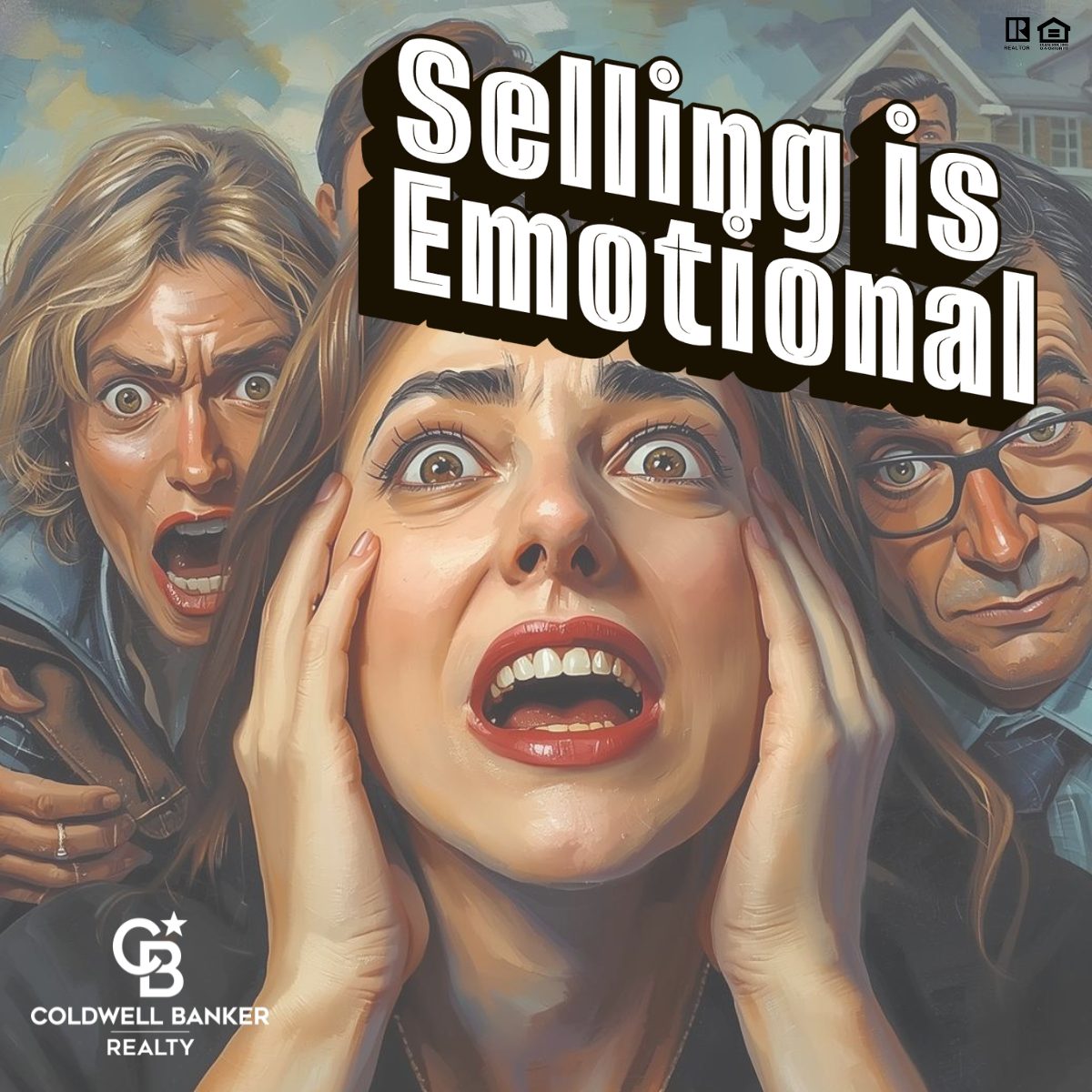

Introduction: When a House Is More Than Just a House
Selling a home you’ve lived in for years — or even decades — is never just a transaction. In fact, it’s often an emotional milestone wrapped inside a financial decision. While many homeowners expect paperwork, showings, and negotiations, far fewer prepare for the memories, feelings, and reflections that surface along the way.
After all, this isn’t just a structure with walls and a roof. Instead, it’s where birthdays were celebrated 🎂, holidays were hosted 🎄, and everyday life quietly unfolded. Because of that, selling a long-time house can feel overwhelming, bittersweet, and even stressful — all at the same time.
As a Cincinnati REALTOR® who has guided many sellers through this exact moment, I’ve seen firsthand how emotional the process can be. Fortunately, with the right mindset, strategy, and professional guidance, it can also be empowering, peaceful, and rewarding.
So, let’s walk through why this topic matters, what sellers are experiencing right now, and how to move forward with clarity and confidence.
Why This Topic Matters in Today’s Market
More homeowners are selling long-time residences now than at any point in recent years. That trend isn’t accidental.
First, many baby boomers and empty nesters are downsizing or relocating closer to family. At the same time, rising home values have created opportunities to cash in on decades of equity. Additionally, lifestyle shifts — including retirement, remote work, and health considerations — are pushing homeowners to rethink their space.
However, while market conditions may favor sellers, emotions often lag behind logic.
Even when selling makes perfect sense financially, emotional attachment can slow decisions, inflate expectations, or create unnecessary stress. Because of that, understanding the emotional impact is just as important as understanding pricing or timing.
According to the National Association of REALTORS®, over 46% of sellers report strong emotional attachment to their home, especially when they’ve lived there longer than 10 years. You can explore more seller behavior insights directly from NAR here:
👉 https://www.nar.realtor/research-and-statistics
Key Trends and Data Affecting Long-Time Home Sellers 📊
To add helpful context, let’s look at what the data tells us:
-
Homes owned for 10+ years typically sell for higher price-to-list ratios
-
Long-time owners often have significant equity, reducing financial pressure
-
Emotionally driven sellers tend to overprice initially, leading to longer days on market
-
Properties that are properly staged and neutralized sell up to 20% faster
Because of these trends, strategy matters more than ever. Emotional readiness paired with smart pricing creates the best outcomes.
For additional housing market insights, the Federal Reserve provides useful macroeconomic context here:
👉 https://www.federalreserve.gov/econres.htm
The Emotional Motivations Behind Selling
Every seller’s story is different. Still, several emotional themes appear again and again.
1. Letting Go of Memories
Rooms aren’t just rooms. They hold laughter, arguments, milestones, and quiet moments. As a result, sellers often grieve the idea of “closing a chapter.”
2. Fear of Regret
Many homeowners worry they’ll miss the house or second-guess the decision later. While that’s natural, it’s also manageable with clarity and planning.
3. Identity Shifts
For some, the home represents success, stability, or family legacy. Moving on can feel like losing part of one’s identity — even when the future is exciting.
4. Hope for the Next Chapter
On the positive side, selling often represents freedom, simplicity, or a new beginning. That emotional excitement matters just as much.
Popular Home Features That Hold Emotional Weight
Certain areas of a home tend to trigger stronger emotions during the selling process:
-
Kitchens where family meals happened 🍽️
-
Living rooms filled with holidays and traditions
-
Backyards where kids or grandkids played 🌳
-
Primary bedrooms tied to life transitions
Because of this, sellers may struggle with staging or depersonalizing these spaces. However, creating emotional distance is essential for attracting buyers.
Local and Regional Insights (Cincinnati & Surrounding Areas)
Here in Greater Cincinnati, many homeowners have lived in their homes 20–40 years. Neighborhoods like Milford, Loveland, Anderson Township, and Batavia are filled with long-term owners who built their lives there.
As a result, local buyers are often drawn to the story of a home — but only if it’s presented correctly.
That’s why local expertise matters. Understanding neighborhood history, buyer psychology, and pricing patterns helps sellers transition emotionally while maximizing value.
If you’re curious how your neighborhood compares, explore local market tools here:
👉 https://mikemcentush.sites.cbmoxi.com/property-search
👉 https://mikemcentush.sites.cbmoxi.com/neighborhood-news
Financial and Lending Considerations 💰
While emotions lead the conversation, finances still matter deeply.
Fortunately, long-time homeowners often benefit from:
-
Lower remaining mortgage balances
-
Strong equity positions
-
Flexibility with timelines and contingencies
However, capital gains taxes, relocation costs, and future housing affordability must be considered early.
The IRS outlines primary residence capital gains exclusions here:
👉 https://www.irs.gov/taxtopics/tc701
Pairing emotional readiness with financial clarity reduces stress and increases confidence.
Home Search Tips for the Next Chapter
Even if you aren’t buying immediately, planning ahead helps emotionally.
Consider these steps:
-
Identify what lifestyle you want next, not just square footage
-
Focus on convenience, accessibility, and comfort
-
Separate nostalgia from practical needs
Using tools like the Move Meter® can help visualize new possibilities:
👉 https://mikemcentush.sites.cbmoxi.com/move-meter
Professional REALTOR® Strategy: How I Help Sellers Navigate Emotions 🤝
This is where experience matters most.
As a REALTOR®, my role goes far beyond pricing and marketing. I help sellers:
-
Prepare emotionally before listing
-
Set realistic expectations without pressure
-
Create space for reflection while staying on track
-
Honor memories while positioning the home for success
In short, I advocate for you, not just the sale.
If you’d like guidance tailored to your situation, schedule a no-pressure conversation here:
👉 https://tinyurl.com/Schedulea30MinuteCall
Conclusion: Closing One Chapter, Opening Another ✨
Selling a long-time home is never just about real estate. It’s about transition, growth, and honoring what came before while embracing what comes next.
Although emotions may surface unexpectedly, the right plan and the right professional can turn uncertainty into clarity.
If you’re thinking about selling — even if you’re not ready yet — having a conversation can bring peace of mind.
Ready to Talk? Let’s Do This Together
📍 Contact Mike McEntush, REALTOR® | Coldwell Banker Realty
📅 Schedule a consultation: https://tinyurl.com/Schedulea30MinuteCall
📝 Subscribe to the blog for market insights: https://mikemcentush.sites.cbmoxi.com/my-blog
🌐 Website: https://www.mikesellscincyhomes.com
Whether you’re months away or just starting to think about it, I’m here to help you move forward with confidence.
#CincinnatiRealEstate, #SellYourHome, #Downsizing, #EmptyNest, #HomeSellingTips, #RealEstateAdvice, #ColdwellBanker, #MikeSellsCincyHomes, #ResultsThatMoveU, #HomeEquity, #LifeTransitions, #TrustedRealtor
