First Time Home Buyers April 14, 2026

The Top 5 Emotions Every First-Time Buyer Feels (and How to Handle Them Like a Pro)

Buying your first home is one of the biggest financial decisions you’ll ever make. It’s exciting. It’s nerve-wracking. And honestly? It’s a little bit of everything in between. 😅

If you’re a first-time homebuyer in the Cincinnati area — whether you’re eyeing a place in Milford, checking out homes in Loveland, or exploring neighborhoods in Anderson Township — you’re probably already feeling a lot right now. And that’s completely normal.

Over the years, I’ve helped hundreds of buyers navigate this process, and I can tell you with confidence: the emotional rollercoaster is real. The good news is that every feeling you’re experiencing has a name, a reason, and most importantly — a solution.

So let’s break it down. Here are the top five emotions every first-time buyer feels, why they happen, and how to move through them with your sanity (and your finances) fully intact. 👇


1. Pure, Unfiltered Excitement 🎉 — And Why It Can Actually Work Against You

First things first — the excitement is well-deserved. You’ve been saving, planning, and dreaming about this moment. Finally, you’re doing it. You’re buying a house.

However, here’s what most people don’t tell you: unchecked excitement is one of the leading causes of bad real estate decisions.

When you fall head-over-heels for a home before you’ve done your due diligence, you start rationalizing things you shouldn’t. You overlook the sloping floor. You ignore the 1970s electrical panel. You convince yourself the busy road out front “isn’t that bad.” Sound familiar?

According to the National Association of REALTORS® (NAR), first-time buyers make up a significant portion of the market each year — and they’re also the most likely to feel buyer’s remorse post-closing when emotions drove the purchase instead of strategy.

What to do: Channel the excitement, but pair it with a checklist. Write down your non-negotiables before you tour a single home. Number of bedrooms, commute distance, school district, garage, yard size — whatever matters most to your lifestyle. Then stick to that list even when the kitchen backsplash makes your heart flutter. ✅


2. Overwhelming Anxiety 😰 — The “What If I Make a Mistake?” Spiral

Right behind the excitement comes the anxiety. And it usually hits around the time you start actually looking at mortgage numbers.

What if I buy the wrong house? What if I overpay? What if rates go up? What if I lose my job? What if the market crashes?

These are real concerns — and they deserve real answers, not dismissal. The Cincinnati real estate market, particularly in Clermont County and the East Side suburbs, has shown strong long-term appreciation. But no market is without risk, and a smart buyer should understand what they’re getting into.

The anxiety often gets worse because buyers are overwhelmed with information. Zillow says one thing. A Facebook group says another. Your coworker who bought five years ago has completely different advice than the one who bought last year.

What to do: Get pre-approved with a local lender first — before you scroll another Zillow listing. Knowing exactly what you can afford brings immediate clarity. Then, lean on a local expert (hi, that’s me 👋) who knows the East Side market, understands current inventory levels, and can give you data-backed advice instead of opinion-based noise.


3. Deep, Gut-Wrenching Fear of Missing Out (FOMO) 😬

Here’s a scenario I see all the time. A buyer finds a house they like. Instead of making a move, they wait — maybe they want to sleep on it, maybe they want to see “just a few more” homes first. Then, 48 hours later, the house is under contract. And suddenly, that house becomes the house they can’t stop thinking about.

Welcome to real estate FOMO — and it’s particularly intense in competitive markets like Milford, Loveland, and Anderson Township, where desirable homes in the $275K–$450K range still move quickly. ⏱️

Furthermore, FOMO can push buyers to make rash decisions just as easily as it can paralyze them into inaction. Both outcomes are bad.

What to do: Set up real-time MLS alerts through your REALTOR® — not just through apps like Zillow or Redfin, which can have 24–48 hour delays. That speed advantage is real. Additionally, understand the local market rhythm. Some price points and neighborhoods move faster than others. Knowing the difference between a “hot pocket” and a slower-moving area helps you make calm, informed decisions instead of reactive ones.

👉 Ready to get real-time alerts for homes in your target areas? Browse current listings here and let’s get your search dialed in.


4. Confusion and Information Overload 🤯 — When Everything Feels Like Too Much

Between the mortgage applications, the inspection reports, the appraisal, the title search, the earnest money, the closing disclosure, the final walkthrough… it’s a lot. And for first-time buyers who haven’t been through this before, every new term and every new document can feel like another thing that could go wrong.

Moreover, the internet doesn’t help. There’s genuinely conflicting advice everywhere. Some sources say put 20% down; others say 3% is fine. Some say never waive an inspection; others share stories of winning with inspection waivers. Meanwhile, you’re just trying to buy a house in Amelia or Batavia without accidentally signing away your firstborn. 😂

According to Consumer Financial Protection Bureau (CFPB), the mortgage and closing process is consistently one of the most confusing parts of homeownership for first-time buyers — largely because there are so many moving parts happening at once.

What to do: Break it into phases. First, secure financing. Second, search strategically. Third, make offers. Fourth, complete due diligence during the inspection period. Fifth, close. When you treat it as a step-by-step process rather than one giant overwhelming event, it becomes much more manageable. A great REALTOR® walks you through each phase so nothing feels like a surprise. That’s literally what I’m here for.


5. The Post-Offer Doubt — Also Known as “Did I Just Make a Huge Mistake?” 😳

Your offer got accepted. You should be celebrating. Instead, you’re lying awake at 2 a.m. wondering if you paid too much, picked the wrong neighborhood, or should’ve held out for something better.

This feeling is so common it has an actual name: buyer’s remorse — and it affects first-time buyers at disproportionate rates. In fact, research from Bankrate found that a significant number of homeowners expressed some form of regret after their purchase — most commonly around the purchase price or the condition of the home.

Importantly, post-offer doubt is usually not a sign you made the wrong decision. It’s a sign you made a big decision, and your brain is processing the weight of it. That’s healthy. That’s human.

What to do: Go back to your data. What did comparable homes sell for? What did your inspection reveal? What’s the long-term upside of this location? When your purchase was strategy-driven from the beginning, you’ll have the receipts to back up your decision and quiet that inner doubt. Additionally, remind yourself: homeownership builds equity over time. You’re not just buying a place to live — you’re building long-term financial stability. 🏗️


Why Working with a Local Expert Changes Everything 🧭

Here’s the honest truth: every single one of these emotions is easier to manage when you have the right person in your corner.

A great buyer’s agent isn’t just a door-opener. They’re a strategist, a negotiator, a market analyst, and honestly — a little bit of a therapist during the stressful moments. 😄 The right agent helps you stay grounded when you’re excited, informed when you’re anxious, strategic when FOMO kicks in, clear when you’re confused, and confident when the second-guessing starts.

I’ve helped over 275 clients navigate the Cincinnati real estate market, with deep expertise across Milford, Loveland, Anderson Township, Batavia, Amelia, Williamsburg, Bethel, and the broader Clermont County area. Whether you’re just starting to think about buying or you’re ready to make an offer this weekend, I’m here to help you do it right.


Let’s Talk 📞

The best thing you can do right now is have a real, no-pressure conversation about where you are in the process and what your next step should be. No scripts. No sales pitch. Just straight answers from someone who knows this market inside and out.

👉 Schedule a free 30-minute call with me here — let’s figure out your game plan together.

And if you found this post helpful, I’d love to have you as a regular reader. I publish dailey market insights, buyer and seller tips, and hyperlocal neighborhood data specifically for East Side Cincinnati.

📩 Subscribe to the blog here and stay ahead of the market — not behind it.


Connect with Mike McEntush, REALTOR®

Coldwell Banker Realty | Mike Sells Cincy Homes 📱 Phone/Text: 513-675-1702 📧 Email: mike.mcentush@cbrealty.com 🌐 Website: www.MikeSellsCincyHomes.com 📅 Schedule a Call: tinyurl.com/Schedulea30MinuteCall 🏡 See East Side Homes for Sale: tinyurl.com/ClermontCOHomesforSale


#firsttimehomebuyer, #cincinnatirealestate, #buyingahome, #homebuying, #realestatetips, #cincinnatihomes, #eastcincinnati, #clermontcounty, #milfordohio, #lovelandohio, #andersontownship, #firsttimebuyertips, #homeownership, #realtorlife, #coldwellbanker, #mortgagetips, #househunting, #movingtocincinncati, #ohiorealestate, #realestateadvice, #homesearch, #newhome, #buyersagent, #realtor, #homebuyers

For Buyers March 12, 2026

Why “Just Browsing” Rarely Stays Casual in Real Estate 🏡
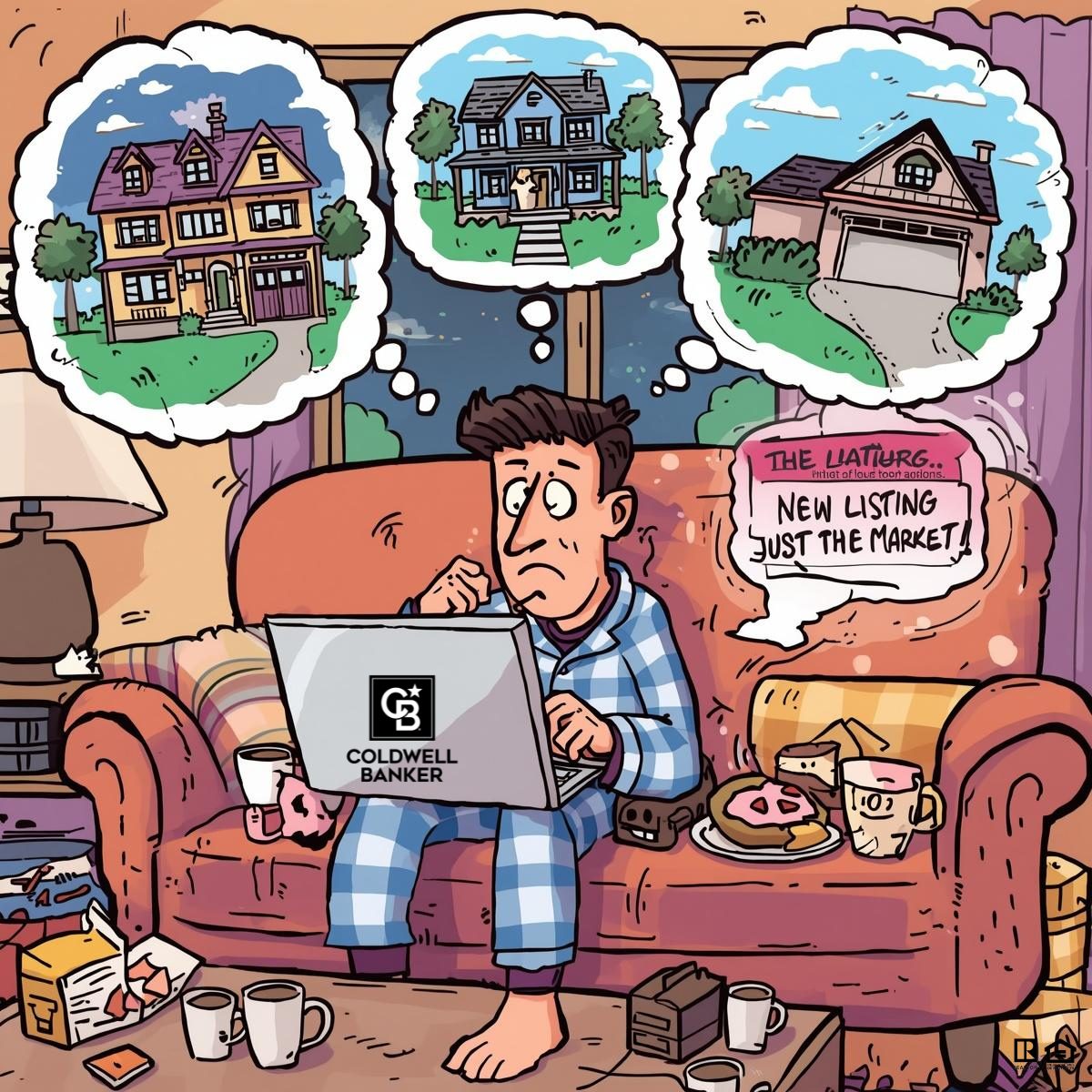
Many people begin their home search the same way.

They open a real estate app, scroll through a few listings, and say something like, We’re just browsing.”

At first, it feels harmless. There is no pressure and no deadline. Curiosity simply leads to a quick look at homes in a favorite neighborhood.

However, something interesting usually happens next.

Browsing slowly turns into imagining.

Buyers start picturing where the couch might go. A backyard suddenly looks perfect for summer cookouts. A front porch feels like the right place for morning coffee.

Before long, “just browsing” turns into something more serious.

After helping many buyers across the Cincinnati area, I have seen this pattern happen again and again. What starts as casual curiosity often becomes the first step toward a real move.

Let’s explore why that happens and what it means for both buyers and sellers.


Why Online Browsing Starts the Home Buying Journey

Today, nearly every home search begins online. Buyers can view hundreds of listings within minutes. Photos, pricing data, and neighborhood maps make exploring homes easier than ever.

According to the National Association of Realtors, roughly 97% of homebuyers use the internet during their home search.

https://www.nar.realtor/research-and-statistics

Because of that access, browsing homes has become part entertainment and part research. Many buyers start casually. Still, exposure to new listings often sparks ideas about lifestyle changes.

Consequently, browsing quickly becomes intentional.

Once someone sees a home that feels right, curiosity turns into real planning.


The Emotional Side of Home Shopping

Real estate decisions are not purely financial. Emotions play a powerful role.

A beautiful kitchen may inspire thoughts of holiday dinners. A quiet backyard might feel perfect for relaxing after work. Meanwhile, a finished basement could look ideal for movie nights or game days.

Therefore, browsing homes can feel surprisingly personal.

Buyers often connect with a property long before they schedule a showing. Because of that emotional connection, browsing tends to accelerate the decision-making process.

Suddenly, the search feels less like entertainment and more like a possibility.


Market Conditions Can Turn Browsers Into Buyers

Market conditions also influence how quickly browsing becomes serious.

Inventory levels change often. Interest rates shift. New listings appear daily.

As a result, buyers sometimes stumble across homes that feel like an opportunity.

For example, a house may appear in a desirable neighborhood at a competitive price. Alternatively, mortgage rates may drop slightly, improving affordability.

Data from the Federal Reserve Economic Data housing database shows how housing supply and mortgage rates influence buyer behavior.

https://fred.stlouisfed.org

When buyers see the right combination of price, location, and timing, browsing turns into action.


Lifestyle Goals Often Drive the Search

Another reason browsing rarely stays casual is lifestyle motivation.

Homes represent daily life, not just square footage.

Buyers often begin imagining:

walking to a nearby coffee shop
hosting family gatherings
giving kids space to play
creating a home office
enjoying a quieter neighborhood

Once people visualize a better lifestyle, motivation increases.

As a result, browsing listings can quickly become a serious search for the right environment.


Local Market Reality in Cincinnati

Here in the Cincinnati area, homes often move quickly in desirable communities.

Neighborhoods such as Milford, Loveland, Anderson Township, and Union Township continue attracting strong buyer interest. Consequently, well-priced homes often receive attention soon after hitting the market.

Because of that pace, buyers benefit from preparing early.

Even if someone begins browsing casually, understanding the local market helps them respond when the right home appears.

You can explore additional local insights here:

https://mikemcentush.sites.cbmoxi.com/cincinnati-real-estate-blog-tips-news

That blog shares Cincinnati market updates, buying tips, and home selling strategies.


Financial Curiosity Often Leads to Action

Many buyers begin browsing simply to understand pricing.

They want to know what homes cost in certain neighborhoods. Some people compare property taxes. Others wonder what monthly payments might look like.

Eventually, curiosity leads to a conversation with a lender.

At that point, buyers may realize a home purchase fits their budget sooner than expected.

Resources like the Consumer Financial Protection Bureau mortgage guide help buyers understand financing and payment options.

https://www.consumerfinance.gov/owning-a-home/

Once financial clarity appears, browsing becomes purposeful.

Buyers start planning instead of dreaming.


Sellers Benefit From Casual Browsers

Interestingly, browsing behavior helps sellers too.

Many buyers actively watching listings are still undecided. They are learning the market. They are comparing homes.

Because of that, a well-presented listing can capture their attention immediately.

Strong listing photos, strategic pricing, and smart marketing help convert browsers into showing requests.

Often, the winning buyer is someone who originally said they were “just looking.”


Tips for Buyers Who Are Just Browsing

Browsing can be productive if buyers approach it strategically.

Here are a few tips that make browsing more useful.

Track homes you like

Save listings that stand out. Over time you will notice patterns in what matters most.

Watch neighborhood differences

Home values often vary dramatically between nearby communities.

Study days on market

Homes that remain active longer may present negotiation opportunities.

Understand price per square foot

Comparing price per square foot can reveal hidden value.

Talk to a local REALTOR early

Even casual browsers benefit from professional insight.

Those simple steps turn browsing into meaningful research.


Why a REALTOR Strategy Matters

Online listings show homes. However, they rarely show the full story.

Inspection issues, negotiation strategies, contract terms, and market timing all affect real estate transactions.

A professional REALTOR provides guidance that buyers cannot get from a website.

For example, an experienced agent helps clients understand:

pricing trends
neighborhood growth
offer strategies
local competition
market timing

That expertise becomes especially valuable when browsing turns into buying.


Conclusion: Browsing Is Often the First Step

Almost every real estate journey begins casually.

Someone opens a home search app. Another person checks listings during lunch. A couple might scroll through homes while watching TV.

At first, the search feels harmless.

Yet browsing has a powerful effect. It introduces possibilities. It creates inspiration. It often sparks the idea that a move might actually make sense.

Eventually, curiosity turns into planning.

Planning leads to showings. Showings lead to offers. Offers lead to a new home.

Browsing, therefore, is rarely just browsing.

Instead, it is usually the beginning of the next chapter.


Thinking About Buying or Selling in Cincinnati?

If you have been browsing homes lately, you might already be closer to a move than you realize.

Understanding the local market can make the difference between missing opportunities and making smart decisions.

📅 Schedule a time to talk here
https://tinyurl.com/Schedulea30MinuteCall

You can also subscribe to my Cincinnati real estate blog for more insights:

https://mikemcentush.sites.cbmoxi.com/cincinnati-real-estate-blog-tips-news

#RealEstate, #HomeBuying, #HouseHunting, #CincinnatiRealEstate, #HousingMarket, #HomeSearch, #RealtorLife, #MikeSellsCincyHomes, #ColdwellBankerRealty, #FirstTimeHomeBuyer, #HomeSelling, #PropertySearch

First Time Home Buyers February 9, 2026

The Smartest Way to Tour Homes Without Burning Out

The Smartest Way to Tour Homes Without Burning Out 🏡😌

House hunting is exciting at first. New neighborhoods. New layouts. New possibilities.
However, somewhere between showing number seven and scrolling listing photos at midnight, a lot of buyers hit a wall.

Burnout is real in today’s real estate market. Even smart, prepared buyers can feel overwhelmed if they tour homes the wrong way. The good news is that burnout is almost always avoidable with the right strategy, pacing, and guidance.

Let’s walk through the smartest way to tour homes so you stay focused, confident, and energized instead of frustrated and exhausted.


Why This Topic Matters Right Now 📈

The market has changed, but buyer behavior has not always caught up.

Inventory has improved in many areas, yet desirable homes still move quickly. At the same time, buyers have access to more listings, more data, and more opinions than ever before. As a result, many people tour too many homes too fast, hoping something will magically feel right.

Unfortunately, that approach often backfires.

Burnout leads to rushed decisions, second guessing, and missed opportunities. Even worse, it causes some buyers to pause entirely, only to re-enter the market months later feeling even more pressure.

That is why a smarter touring plan matters now more than ever. 🧠


Key Trends Shaping How Buyers Tour Homes Today 🔍

Several trends are driving buyer fatigue, especially in competitive local markets.

First, buyers are touring more homes before making an offer compared to previous years. According to the National Association of Realtors, many buyers now visit 7–10 homes before writing, even when they already have strong online research in hand.
Source: https://www.nar.realtor

Second, mobile apps and listing alerts create a sense of urgency around every new home. While this is helpful, it also fuels the fear of missing out. Consequently, buyers feel pressure to see everything.

Finally, interest rates and affordability concerns mean buyers are thinking harder about each decision. That extra mental load adds up quickly.

All of this means touring without a plan is a fast track to burnout.


What Buyers and Sellers Are Really Thinking 🤝

Buyers are not just shopping for houses. They are making life decisions.

Most buyers want clarity, not volume. They want to know when a home is worth pursuing seriously. At the same time, sellers expect motivated, focused buyers who understand value and act decisively.

When buyers burn out, sellers feel it too. Hesitation leads to missed windows, especially in well-priced homes.

A calm, structured touring strategy helps both sides. Buyers stay sharp, while sellers see confident offers from prepared people.


Popular Home Features Driving Tour Fatigue 🛋️

Some features cause buyers to over-tour without realizing it.

Open floor plans are one example. Many homes look similar online, yet feel very different in person. As a result, buyers keep touring hoping to feel “the difference.”

Renovated kitchens also drive volume. Because finishes vary, buyers often want to see multiple versions before deciding what they like.

Location trade-offs add another layer. Buyers tour homes across multiple neighborhoods, which stretches time, energy, and expectations.

These are normal pressures. The key is managing them intentionally.


Local and Regional Touring Reality 🌆

In Cincinnati and the surrounding East Side communities, touring strategy matters a lot.

Some neighborhoods move faster than others. Certain price points attract multiple offers almost immediately. Meanwhile, other areas allow for more breathing room.

Local insight helps buyers prioritize where to tour first and when to slow down. Without that context, buyers often tour homes that were never a good fit to begin with.

That is one reason working with a local REALTOR® who knows the micro-markets matters so much. Experience reduces noise.


Financial and Lending Considerations 💰

Burnout often shows up when buyers tour homes outside their true comfort zone.

Pre-approval numbers represent a ceiling, not a target. Touring at the top of that range can quietly raise stress levels, especially when buyers start comparing homes based on emotion instead of budget reality.

Additionally, monthly payments, taxes, insurance, and future maintenance all affect how a home feels long-term. Touring too many homes without anchoring those numbers creates mental overload.

Freddie Mac offers helpful guidance on budgeting and long-term affordability.
Source: https://www.freddiemac.com

A smart touring plan always starts with financial clarity.


Smart Home Touring Tips That Actually Work ✅

Here is where burnout prevention becomes practical.

1. Tour Fewer Homes Per Day

Seeing three homes in one outing is often more productive than seeing eight. Energy and focus drop after the fourth or fifth showing, even for experienced buyers.

2. Use Online Filters Ruthlessly

If a home does not meet your non-negotiables, skip it. Touring “just to see” is one of the fastest ways to burn out.

3. Take Notes Immediately

Right after each showing, jot down one thing you liked and one thing you did not. Memory fades faster than most buyers realize.

4. Rank Homes the Same Day

Waiting days to compare homes leads to confusion. A quick ranking keeps perspective clear.

5. Build in Breaks

Sometimes the smartest move is not touring at all for a weekend. Clarity often comes from stepping back. 🧘‍♂️


The REALTOR® Strategy That Changes Everything 🧭

This is where professional guidance matters most.

A strong REALTOR® does more than open doors. They help filter listings before you ever leave your house. They also explain pricing, market timing, and resale implications in real time.

Most importantly, they help you recognize when a home is “good enough” versus chasing perfection that does not exist.

After years of helping buyers navigate this process, I can confidently say this:
Focused buyers win more often and feel better doing it.

That is not luck. It is strategy.


Internal Resources to Help You Tour Smarter 📚

If you want to go deeper, I share practical, local guidance regularly on my blog. You can explore more buyer tips, market updates, and step-by-step advice here:
👉 https://mikemcentush.sites.cbmoxi.com/cincinnati-real-estate-blog-tips-news

Each post is designed to simplify the process and reduce stress, not add to it.


Final Thoughts: Calm Buyers Make Better Decisions 🎯

Touring homes should feel exciting, not exhausting.

When you slow down, set clear criteria, and lean on professional insight, the process becomes clearer and more enjoyable. Even better, your confidence grows with each step.

If you are feeling overwhelmed or just want a smarter game plan, you do not have to figure it out alone.


Ready to Tour Smarter? Let’s Talk ☕🏠

If you are thinking about buying or just starting to look, I would love to help you build a calm, effective touring strategy that fits your life and goals.

👉 Schedule a one-on-one conversation with me here:
https://tinyurl.com/Schedulea30MinuteCall

I also invite you to subscribe to my blog for ongoing local insights, buyer strategies, and real-world advice:
👉 https://mikemcentush.sites.cbmoxi.com/cincinnati-real-estate-blog-tips-news

#RealEstateTips, #HomeBuyingAdvice, #HouseHunting, #RealEstateMarket, #FirstTimeHomeBuyer, #HomeTouring, #CincinnatiRealEstate, #BuyersAgent, #RealEstateStrategy, #ColdwellBanker, #MikeSellsCincyHomes

For Buyers February 5, 2026

What Happens After Your Offer Is Accepted?

What Happens After Your Offer Is Accepted? A Step-by-Step Guide for Homebuyers 🏡✨

Getting the call that your offer was accepted feels incredible. Relief kicks in, excitement rises, and suddenly the home feels real.

However, this moment also marks the start of the most important part of the transaction. From here forward, deadlines matter, decisions stack up quickly, and preparation becomes everything.

So instead of guessing what comes next, let’s walk through exactly what happens after your offer is accepted, step by step, in plain language.


Why This Stage Matters More Than Most Buyers Realize 🔑

Once the seller accepts your offer, you are officially under contract. At that point, the clock starts ticking.

Because money, timelines, and legal protections are now in play, this phase carries real weight. Fortunately, when buyers understand the process, stress stays low and confidence stays high.

More importantly, clarity helps buyers avoid mistakes that can cost time, leverage, or even the home itself.


Step 1: Earnest Money Is Delivered 💵

First, you submit your earnest money deposit.

Typically, buyers deliver this within one to three business days after acceptance. The title company or brokerage holds the funds safely in escrow.

That deposit:

  • Shows the seller you are serious

  • Applies toward closing costs

  • Remains protected by contract contingencies

As long as you meet deadlines, your earnest money stays secure.


Step 2: Contract Deadlines Begin Immediately ⏰

Next, your contract timelines officially activate.

These deadlines usually include:

  • Home inspection

  • Financing contingency

  • Appraisal

  • Title review

  • Closing date

Because missing a deadline can weaken your position, I actively track each one and communicate reminders before anything is due.

This oversight alone prevents many deals from falling apart.


Step 3: Schedule the Home Inspection 🛠️

After that, you schedule your home inspection.

An inspection gives you a clearer picture of the home’s condition, including:

  • Roof

  • Structure

  • Electrical systems

  • Plumbing

  • HVAC

Rather than labeling a home “good” or “bad,” inspections help buyers make informed decisions.

For additional insight, the Consumer Financial Protection Bureau explains the value of inspections for buyers here:
https://www.consumerfinance.gov/owning-a-home/inspection/


Step 4: Negotiate Repairs or Credits 🧾

Once the inspection report is complete, negotiations may follow.

At this stage, buyers can:

  • Request repairs

  • Ask for seller credits

  • Renegotiate price

  • Accept the home as-is

Because every market behaves differently, local expertise matters. In East-Side Cincinnati, reasonable requests often keep deals intact while protecting buyers.


Step 5: Your Loan Moves Into Full Underwriting 🏦

Meanwhile, your lender moves your file into underwriting.

During this phase, underwriters:

  • Re-verify income and employment

  • Review bank statements

  • Confirm credit details

Because lenders recheck everything, buyers should avoid new credit, large purchases, or job changes.

For a deeper explanation, Freddie Mac outlines the underwriting process here:
https://www.freddiemac.com/own/getting-mortgage


Step 6: The Appraisal Is Ordered 📊

Next, the lender orders an appraisal.

The appraiser confirms that the home’s value supports the purchase price. When the appraisal meets or exceeds the price, the loan continues smoothly.

If the appraisal comes in low, buyers can:

  • Renegotiate price

  • Bring additional funds

  • Or, in some cases, walk away

Because preparation matters, strong offers and accurate pricing reduce appraisal risk.


Step 7: Title Work and Insurance Begin 📄

At the same time, the title company:

  • Confirms legal ownership

  • Searches for liens or judgments

  • Issues title insurance

Title insurance protects buyers from ownership disputes and past claims. Although it rarely gets attention, it plays a critical role in protecting your investment.

You can learn more about why title insurance matters at:
https://www.alta.org/consumer/


Step 8: Final Loan Approval Is Issued ✅

Once underwriting clears all conditions, the lender issues final approval.

At that point:

  • Financing locks in

  • Documents are prepared

  • Closing gets scheduled

This moment often brings relief because the hardest financial hurdles are behind you.


Step 9: Complete the Final Walkthrough 🚶‍♂️

Before closing, buyers complete a final walkthrough.

During this visit, you confirm:

  • Repairs were completed

  • The home remains in agreed condition

  • No new damage exists

Although it is not another inspection, it serves as a final quality check before ownership transfers.


Step 10: Closing Day Arrives 🎉

Finally, closing day arrives.

At closing:

  • You sign loan and title documents

  • Funds transfer securely

  • The deed records

Once recording finishes, you receive the keys and officially become a homeowner.


Financial Considerations Buyers Should Keep in Mind 💡

Even after acceptance, buyers should stay financially steady.

Specifically:

  • Keep cash reserves intact

  • Avoid unnecessary spending

  • Prepare for closing costs and moving expenses

If you want to explore current values or future equity, you can use this tool:
https://tinyurl.com/OurHomeEstimate


Local Insight From the Cincinnati Market 📍

In the East-Side Cincinnati market, preparation consistently separates smooth closings from stressful ones.

Buyers who respond quickly, understand timelines, and lean on professional guidance typically close with fewer surprises.

Local strategy always beats generic advice.


Professional REALTOR® Strategy That Protects Buyers 🧠

My role after acceptance focuses on execution.

I:

  • Track deadlines

  • Coordinate lenders and title

  • Negotiate inspection items

  • Keep emotions from driving decisions

Real estate involves money and emotions. Balanced guidance keeps both in check.


Final Thoughts: Confidence Comes From Knowing What’s Next 🌟

Once your offer is accepted, clarity becomes your biggest advantage.

When buyers understand the process:

  • Stress drops

  • Decisions improve

  • Outcomes get better

Education turns uncertainty into confidence.


Ready to Talk Through Your Next Steps? Let’s Connect 👋

If you’re planning to make an offer or you’re already under contract, I’m happy to walk through your situation.

👉 Schedule a 30-minute consultation:
https://tinyurl.com/Schedulea30MinuteCall

👉 Subscribe to my Cincinnati real estate blog:
https://mikemcentush.sites.cbmoxi.com/cincinnati-real-estate-blog-tips-news

#realestate, #homebuyingprocess, #offeraccepted, #buyersagent, #firsttimehomebuyer, #cincinnatirealestate, #realestatetips, #homeownership, #realestateexpert, #movingforward

First Time Home Buyers February 4, 2026

Pre-Qualified vs. Pre-Approved: What the Difference Really Means in Real Life

Pre-Qualified vs. Pre-Approved: The Difference That Actually Matters When Buying a Home 🏡

If you are planning to buy a home, you have likely heard two terms that sound almost identical: pre-qualified and pre-approved. While they are often used interchangeably, they mean very different things in real life.

More importantly, misunderstanding the difference can cost you time, money, and even the home you want. Because of that, knowing how each one works helps you move forward with confidence.

Let’s break this down in a way that actually makes sense.


Why This Distinction Matters in Today’s Market 📊

The real estate market has changed. Inventory remains limited in many areas, interest rates can shift quickly, and sellers are paying close attention to buyer strength.

As a result, preparation matters more than ever.

Sellers want certainty.
Listing agents want fewer surprises.
Buyers want clarity before making a big decision.

That is exactly where pre-qualification and pre-approval come into play.


What Pre-Qualification Really Means ☎️

A pre-qualification is typically the first step in the mortgage conversation. In simple terms, it is an informal estimate of what you might be able to afford.

During this step, a lender usually asks about:

  • Your estimated income

  • Your monthly debts

  • Your general credit profile

  • Your savings or assets

However, documents are not verified at this stage. In most cases, credit is not pulled either.

Because of that, pre-qualification is fast and easy. Still, it is only a starting point.

When Pre-Qualification Is Helpful

For example, pre-qualification works well when you are:

  • Exploring whether buying makes sense

  • Setting an early budget range

  • Planning a future move

  • Starting conversations with a REALTOR®

Where It Falls Short

That said, pre-qualification is not a commitment from a lender. It also does not guarantee loan approval. Most importantly, it carries very little weight with sellers.

In real-world transactions, that distinction matters.


What Pre-Approval Means in Real Life ✅

A pre-approval is far more thorough. At this stage, the lender verifies your financial picture instead of relying on estimates.

This process usually includes:

  • A full credit check

  • Income verification with pay stubs or tax returns

  • Bank statement review

  • Employment confirmation

  • Debt-to-income analysis

Once complete, the lender issues a pre-approval letter. This letter confirms the loan amount you are approved for, assuming you find a suitable property.

Why Pre-Approval Is a Game Changer

Because the numbers are verified, pre-approval carries real weight. In fact, many sellers will not even consider an offer without it.

As a result, pre-approval:

  • Strengthens your offer

  • Builds seller confidence

  • Reduces last-minute surprises

  • Speeds up the closing process

  • Gives you clearer buying boundaries

In competitive situations, this can make all the difference.


Pre-Qualified vs. Pre-Approved: Quick Comparison 👀

Feature Pre-Qualified Pre-Approved
Credit Check Usually no Yes
Income Verified No Yes
Documents Reviewed No Yes
Seller Confidence Low High
Offer Strength Weak Strong

How Sellers and Listing Agents View These Letters 🏠

From a seller’s perspective, the question is simple: Can this buyer close without issues?

A pre-approval answers that question clearly. A pre-qualification does not.

Listing agents review offers with risk in mind. Therefore, they tend to favor buyers who demonstrate:

  • Verified financing

  • Reliable local lenders

  • Clean loan terms

  • Strong communication

That is why, as a REALTOR®, I strongly encourage buyers to get fully pre-approved before shopping seriously.


Common Buyer Mistakes to Avoid 🚩

Even well-prepared buyers sometimes make avoidable mistakes.

For instance, many buyers assume pre-qualification is enough. Others shop at the top of their approval range without considering comfort.

Additional mistakes include:

  • Waiting too long to talk with a lender

  • Opening new credit during the process

  • Ignoring credit health early on

  • Choosing lenders with limited local support

Fortunately, these issues are easy to avoid with the right guidance.


Financial Clarity Beyond the Approval 💳

Another major benefit of pre-approval is understanding the full financial picture.

Specifically, it helps clarify:

  • Monthly payment comfort

  • Cash needed at closing

  • Reserve requirements

  • How interest rate changes affect affordability

For trusted education on mortgages and credit, the Consumer Financial Protection Bureau provides excellent buyer resources:
👉 https://www.consumerfinance.gov/owning-a-home/

Additionally, Freddie Mac offers clear explanations of mortgage readiness and credit standards:
👉 https://myhome.freddiemac.com/buying

Both are reliable, non-biased sources worth reviewing.


Local Insight from the Cincinnati Market 📍

Here in the Cincinnati area, especially on the east side, pre-approval has become the standard, not the exception.

In multiple-offer situations, buyers without pre-approval are often passed over. This happens even when their offer price is strong.

It is not personal. Instead, it is about reducing risk.

For more local buyer guidance, you can explore additional articles here:
👉 https://mikemcentush.sites.cbmoxi.com/cincinnati-real-estate-blog-tips-news


Smarter Home Search Tips 🗺️

Once pre-approved, your search becomes far more focused.

To stay on track:

  • Shop below your maximum approval

  • Factor in taxes and insurance

  • Avoid new debt during escrow

  • Keep documents accessible

  • Stay in regular contact with your lender and REALTOR®

This approach keeps deals smoother and timelines predictable.


REALTOR® Strategy That Protects You 🤝

As a full-time REALTOR® with Coldwell Banker Realty, my role is to guide you beyond the basics.

That includes:

  • Connecting you with strong local lenders

  • Reviewing financing terms before offers

  • Structuring offers to reduce risk

  • Communicating clearly with listing agents

  • Helping you avoid surprises late in the process

Buying a home is not just about finding the right property. It is about presenting the strongest position possible.


Final Thoughts: Which One Do You Need? 🧠

Pre-qualification is a fine starting point if you are just exploring options.

However, if you are ready to tour homes or write offers, pre-approval is essential.

It gives you leverage.
It protects your time.
It builds confidence on all sides.

Most importantly, it helps you buy smart.


Ready to Talk Through Your Next Move? 📅

If you are thinking about buying or simply want clarity, I would be glad to help.

Contact Mike McEntush, REALTOR®
Coldwell Banker Realty

👉 Schedule a one-on-one consultation:
https://tinyurl.com/Schedulea30MinuteCall

👉 Subscribe to the blog for weekly local insights:
https://mikemcentush.sites.cbmoxi.com/cincinnati-real-estate-blog-tips-news

Let’s make sure you are prepared, confident, and positioned to win.


#RealEstateTips, #HomeBuying101, #MortgagePreApproval, #FirstTimeHomeBuyer, #CincinnatiRealEstate, #EastSideCincy, #HouseHunting, #RealEstateAdvice, #BuyersAgent, #ColdwellBanker