For Buyers April 13, 2026

Why Monthly Payment Matters More Than Price 💰🏡

Stop Fixating on the Price. Here’s What Actually Matters.

Most buyers walk into the home search with a number in their head. “I want to stay under $350,000.” That’s a reasonable starting point — but here’s the thing most people miss: the purchase price is not what you live with every month. Your payment is.

You can’t hand the grocery store your sales contract. You can’t pay your electric bill with your closing disclosure. What hits your bank account every single month is the real number that shapes your financial life after you buy. And yet, most buyers — especially first-timers — spend far more energy negotiating the sales price than they do understanding what their actual monthly obligation will look like.

That disconnect is costly. In fact, it’s one of the most common reasons buyers either pass on great homes or end up stretching into something uncomfortable. So let’s fix that. 💡


What the Market Is Actually Doing Right Now 📊

The Cincinnati East Side market — including communities like Milford, Loveland, Anderson Township, Amelia, and Batavia — has seen real price appreciation over the last several years. Meanwhile, interest rates have remained elevated compared to the historic lows buyers enjoyed in 2020 and 2021.

That combination matters enormously. Why? Because a $350,000 home at a 3% interest rate feels completely different from a $350,000 home at a 7% rate. The price tag is identical. The monthly payment? Not even close.

According to the Mortgage Bankers Association, even a 1% change in interest rates can shift a buyer’s monthly payment by $150–$200 or more on a typical home loan. Over the course of a year, that’s nearly $2,400. Over 30 years? The difference is staggering.

This is why smart buyers — and smart agents — think in payments first. 🧠


The Real Math Behind a Home Purchase 🔢

Let’s break this down with a simple example. Imagine two buyers are each looking at $350,000 homes in the East Side suburbs.

Buyer A locks in a rate of 6.5%. Their principal and interest payment comes out to roughly $2,212/month.

Buyer B waits a few months hoping prices drop, but rates tick up to 7.25% in the meantime. If prices stay flat, their payment on that same $350,000 home jumps to about $2,388/month.

By waiting for a price reduction that never came, Buyer B pays an extra $176 every single month. Over 10 years, that’s more than $21,000 in additional interest — gone.

Furthermore, if prices actually rise (which has been the trend in Clermont County and greater Cincinnati), that buyer is now paying more for the home and carrying a higher rate. This is a scenario that plays out regularly, and it consistently surprises buyers who weren’t paying attention to the monthly payment picture.


Why Buyers Focus on Price Instead of Payments 🤔

It’s understandable, honestly. Price is the number plastered on Zillow. It’s what shows up in headlines. It’s what your coworker tells you she paid for her house. Price feels concrete and comparable in a way that monthly payments don’t.

Additionally, most people have a psychological anchor around round numbers. “$350,000” feels like a ceiling. But “2,212 per month” feels abstract — especially before you’ve done the math.

The problem is that focusing on price without understanding rate and term can lead you in the wrong direction. A buyer who haggles a seller down $10,000 but accepts a slightly higher rate might actually end up with a higher payment than if they’d paid full price with better financing.

That’s not a hypothetical. It happens all the time. 😬


What Actually Drives Your Monthly Payment 📐

Understanding your monthly payment means understanding the four main ingredients. Together, they spell out what your real financial commitment looks like:

1. Loan Amount (Principal) This is your purchase price minus your down payment. A larger down payment means a smaller loan and a lower monthly obligation.

2. Interest Rate This is the big one right now. Rates change daily, and even small moves have a real impact. Working with a trusted local lender to lock your rate at the right time is a strategy, not an afterthought.

3. Loan Term Most buyers choose a 30-year mortgage, but 15-year or 20-year options exist and dramatically reduce total interest paid — though they come with higher monthly payments.

4. Taxes and Insurance (Escrow) Property taxes in Clermont County, Hamilton County, and the surrounding East Side communities vary by township and school district. When you’re comparing homes in Milford versus Loveland or Anderson Township versus Batavia, taxes can shift your effective monthly payment by hundreds of dollars. Don’t skip this step.

Homeowners insurance and, if applicable, PMI (private mortgage insurance for down payments under 20%) round out the full payment picture.


How This Plays Out for East Side Cincinnati Buyers 🏘️

Here’s something locals often overlook: Clermont County property taxes tend to be lower than comparable homes in Hamilton County. That alone can make a home in Milford or Amelia more affordable on a monthly basis than a similarly priced home closer to the city — even if the purchase prices look the same.

On top of that, school district levies vary significantly. A home in the Loveland City School District, the Milford Exempted Village School District, or the West Clermont Local School District can all carry different annual tax obligations. For a thorough, community-specific breakdown, I always run through taxes and total payment with every buyer I work with before we start touring.

This is local knowledge that search filters simply don’t capture. It’s one of the reasons working with someone who specializes in this geography makes a tangible financial difference. 📍


The Lending Piece: What Your Lender Should Be Telling You 🏦

A solid lender isn’t just there to approve your loan. They’re part of your strategy team. Before you start touring, a good loan officer should walk you through:

  • Your maximum comfort payment (not just maximum approval)
  • The difference between various loan programs (FHA, conventional, VA, USDA)
  • How your credit score affects your rate — and what to do about it
  • Whether buying points makes sense at current rates
  • How to think about adjustable vs. fixed rates in today’s environment

The Consumer Financial Protection Bureau offers a helpful mortgage explorer tool that lets buyers compare loan options side by side. I encourage every buyer I work with to play with those numbers before we go out looking. It builds confidence and clarity fast.


Practical Tips: How to House Hunt with Payments in Mind 🔍

Here’s how I recommend buyers approach the search when they’re thinking about payments correctly:

Start with a comfort payment, not a max number. What can you genuinely afford without stress? Work backward from there to figure out a realistic purchase price range at today’s rates.

Get fully pre-approved early. Not just pre-qualified. A full underwrite approval tells you exactly where you stand — and it makes your offers more competitive in a tight inventory market.

Ask about taxes before you fall in love. Before scheduling a showing, I pull the property tax data. It takes 60 seconds and prevents surprises that derail deals later.

Run scenarios, not just one number. What does your payment look like at 6.5%? At 7%? What if you put 10% down instead of 5%? Running a few versions keeps you in control of the decision.

Don’t chase rate drops too long. Rates are unpredictable. Waiting 6 months for a rate that may or may not materialize — while prices and inventory keep moving — is a gamble many buyers lose.


My Strategy as Your REALTOR®: Payments Are the Priority 🎯

When I sit down with a new buyer, one of the first things we talk about isn’t their dream home. It’s their budget — and specifically, what a comfortable monthly payment looks like for their household.

From there, we work backward to a price range, then identify the communities and price points that make the most sense. In some cases, a buyer who thought they wanted a $325,000 home discovers they can actually afford something in the $360,000–$380,000 range without stressing the budget — because the rate locked in is favorable and the taxes in that township are lower.

In other cases, a buyer realizes their true comfort zone is actually tighter than they thought — and adjusting before we tour saves enormous emotional energy down the road.

Either way, the clarity is worth it. And frankly, this is where having a local expert in your corner actually pays off — not just emotionally, but financially. 💼


Let’s Talk Strategy 📞

If you’re thinking about buying a home on Cincinnati’s East Side — whether that’s Milford, Loveland, Anderson Township, Amelia, Batavia, or anywhere in Clermont County — let’s have a real conversation about what the numbers actually look like for your situation.

I’m not here to give you a generic answer. I’m here to run the actual math, connect you with a trusted local lender, and help you make a confident, informed decision.

👉 Schedule a free 30-minute strategy call here — no pressure, no pitch. Just clarity.

And if you found this helpful, there’s a whole lot more where this came from. I publish regular market insights, buyer tips, and seller strategy right here on the blog.

👉 Subscribe to the blog and stay informed — it’s free, it’s local, and it’s actually useful.


Final Thought: The Price Gets You In the Door. The Payment Is What You Live With. 🔑

At the end of the day, the sales price matters. But it matters far less than most buyers think. The monthly payment is the number that shows up every month, for years. It’s the number that affects your savings rate, your vacation budget, your stress level, and your ability to build long-term wealth.

When you shift your mindset from “what’s the price?” to “what’s the payment?”, everything about the home search gets clearer — and smarter. That’s exactly the kind of strategic thinking I bring to every client relationship, every single time.

Ready to get clear on your numbers? Let’s talk. 📲

Mike McEntush, REALTOR® Coldwell Banker Realty | Mike Sells Cincy Homes 📧 mike.mcentush@cbrealty.com 🌐 www.MikeSellsCincyHomes.com 📱 513-675-1702

👉 Schedule Your Free Call 👉 Search East Side Homes for Sale 👉 Get Your Home’s 2026 Value 👉 Subscribe to My Real Estate Blog


#realestate, #homebuying, #firsttimehomebuyer, #mortgagetips, #cincinnatiohio, #ohiorealestate, #cincinnatirealestate, #eastcincy, #clermontcounty, #milfordohio, #lovelandohio, #andersontownship, #ameliaohio, #bataviohio, #homebuyer, #housingmarket, #realtorlife, #realestateadvice, #mortgagerate, #homesearch, #coldwellbanker, #realtor, #buyingahome, #housingaffordability, #homepayment, #interestrates, #realestatetips, #sellyourhome, #homeownership, #mikesellscincyhomes

For Buyers April 8, 2026

Why “Waiting It Out” Rarely Works in Real Estate 🏡

The Waiting Game Is Costing You More Than You Think

Every week, I talk to homeowners and buyers who are doing the same thing — waiting. Waiting for rates to drop. Waiting for prices to fall. Waiting for the “right time.” And honestly? I get it. The idea of sitting on the sidelines until the market tilts in your favor sounds smart. It feels disciplined.

But here’s the truth nobody wants to hear: waiting it out is one of the most expensive decisions you can make in real estate. 🏡

Whether you’re a buyer holding off on your dream home or a seller who keeps saying “maybe next spring,” hesitation has a real price tag. And in most cases, that price tag keeps going up. Let’s dig into why the “wait and see” strategy almost always backfires — and what you should actually be doing instead.


🏘️ Why the Market Rarely Waits for You

First, let’s set the scene. The Cincinnati real estate market — especially on the East Side in communities like Milford, Loveland, Anderson Township, Amelia, and Batavia — has been moving fast for years. Inventory remains tight. Demand stays strong. And prices, despite everything, have shown remarkable resilience.

According to the National Association of REALTORS®, home prices have appreciated an average of 4–6% annually over the long term. Even during market slowdowns, values in strong suburban markets tend to hold. So when someone waits 12 months hoping for a better deal, they often find that prices are higher — not lower — when they finally decide to move.

That’s not a coincidence. That’s the market doing what markets do.

Additionally, waiting means you’re still renting, still in a home that no longer fits, or still missing out on equity growth. Meanwhile, the homeowners who moved when they were ready are building wealth month after month. There’s a massive opportunity cost in sitting still, and most people seriously underestimate it.


📉 The Interest Rate Trap

Here’s where most buyers get tripped up. When rates climbed in recent years, a lot of buyers said, “I’ll wait until rates come down to 3% again.” That’s understandable — but also unrealistic.

The Federal Reserve doesn’t operate on your timeline. Rates fluctuate based on inflation data, economic policy, and factors completely outside your control. Waiting for a specific rate target is like waiting for the perfect weather to take a vacation. Eventually, you just stop going on vacations.

Here’s what actually works: buy when you’re financially and personally ready, then refinance if rates improve later. This is called “marry the home, date the rate” — and it’s solid advice because the home you buy today at 7% can become a much more affordable payment if you refinance at 5.5% two years from now. But you can’t go back and buy yesterday’s home at yesterday’s price.

Moreover, when rates do drop, buyer demand surges. Suddenly, every buyer who was waiting jumps back in at once. Competition heats up. Multiple offers return. And sellers regain leverage. The “relief” of lower rates often gets immediately offset by higher purchase prices and bidding wars. So the window is smaller than it looks.


🔑 What Sellers Get Wrong About Timing

Sellers aren’t immune to this trap either. In fact, some of the most common conversations I have are with homeowners who have been “almost ready” to list for 12 to 18 months.

Here’s what that delay actually costs:

  • Every month you don’t sell is a month you’re not capturing current equity. If your home is worth $350,000 now and appreciates 5% next year, that sounds great — but you’ve also continued paying mortgage interest, taxes, insurance, and maintenance the entire time.
  • Seasonality matters, but not as much as people think. Yes, spring is typically a busy selling season. But the best time to sell is when your life is ready, not when a calendar says so.
  • Delaying can mean delaying your next chapter. Whether that’s downsizing, upsizing, relocating, or freeing up equity for retirement — every month of waiting pushes that life goal further away.

The sellers who do best are the ones who focus on preparation, not prediction. Getting your home market-ready, priced correctly, and marketed aggressively will always outperform trying to time the market perfectly. 💡


📊 What the Data Actually Says

Let’s look at this through a practical lens. According to Zillow’s research, the average U.S. homeowner who stayed put for just 5 years saw their home value increase by roughly 40–50% in many suburban markets during the 2018–2023 period. People who waited to buy in 2020 because “the market was too hot” missed out on equity gains that would have offset years of higher rates.

Locally, East Side Cincinnati markets — Clermont County in particular — have seen consistent demand from families relocating from higher-cost metros, strong school districts driving buyer interest, and limited new construction keeping resale values elevated. These fundamentals don’t disappear just because rates go up. If anything, they make the East Side a stronger hold in uncertain times.

Furthermore, CoreLogic data consistently shows that markets with strong job growth, in-migration, and limited housing supply tend to outperform national averages. Cincinnati checks all three of those boxes — which is why this market has stayed competitive even when coastal markets have softened.


🏠 Why Buyers and Sellers Both Need a Strategy — Not a Crystal Ball

Here’s the mindset shift that changes everything: stop trying to predict the market, and start making decisions based on your life, your goals, and your financial readiness.

For buyers, that means:

  • Getting pre-approved now so you know what you can actually afford
  • Working with a local expert who can find homes before they hit Zillow (yes, this is a real advantage — learn more here)
  • Understanding that a slightly higher rate today doesn’t erase the long-term wealth building of homeownership

For sellers, that means:

  • Getting a real Comparative Market Analysis (CMA) to understand what your home is actually worth today — not what Zillow says (find out at tinyurl.com/2026HouseValue)
  • Pricing correctly from day one — overpriced homes sit, and sitting homes lose buyer confidence
  • Leaning on a marketing strategy that actually gets eyes on your property across social media, email, and digital platforms

In both cases, the answer isn’t more waiting. The answer is better information and a clearer plan.


💰 The Real Cost of Doing Nothing

Let’s get specific. Say you’re a buyer considering a $300,000 home today. You decide to wait 12 months hoping prices drop 5%. That would save you $15,000 — if it happened.

But here’s the other side of that math:

  • If prices rise just 3% instead, that same home costs $309,000
  • You’ve also paid 12 more months of rent at, say, $1,500/month = $18,000 gone
  • You’ve missed 12 months of equity building and mortgage interest deductions

The net result? You’re roughly $33,000 worse off than if you’d bought today — even if rates stayed the same. That’s not a worst-case scenario. That’s a realistic, conservative projection. 😬

For sellers, the math is similar. If your home is worth $400,000 now and you wait a year hoping for $430,000 — but prices hold flat and you’ve spent $8,000–$12,000 in carrying costs — you’ve essentially worked for free waiting for a premium that never came.


🌟 What Smart Buyers and Sellers Do Right Now

The best move is almost always the informed move — not the delayed one. Here’s what I see working for clients right now:

For buyers: ✔️ Get pre-approved with a local lender today — not next month ✔️ Set up automated search alerts for East Side listings as they hit the market ✔️ Ask your agent about coming-soon and off-market opportunities ✔️ Know your must-haves vs. nice-to-haves so you can move fast when the right home appears

For sellers: ✔️ Request a no-obligation home valuation to know where you stand ✔️ Start small home improvements now that have proven ROI (fresh paint, curb appeal, declutter) ✔️ Interview agents — and specifically ask how they market homes, not just how they price them ✔️ Have a real conversation about what the next chapter looks like, and work backward from there

Preparation beats prediction every single time. And working with someone who knows the local market deeply — including micro-trends in areas like Anderson Township, Milford, and Batavia — is worth far more than any amount of market watching you can do on your own.


🧭 A Word From Experience

I’ve been helping buyers and sellers on Cincinnati’s East Side navigate this market for years. The clients who’ve done best aren’t the ones who timed the market perfectly. They’re the ones who made thoughtful, well-informed decisions based on their real needs — and then moved with confidence.

The ones who’ve regretted it most? Almost universally, it’s the ones who waited. Not because markets crashed on them — but because life kept moving while they stood still.

Real estate is not a stock ticker. You live in this asset. You build your family here. You make memories here. Waiting for the “perfect” market moment means waiting on your life — and that’s a trade-off most people don’t fully think through until it’s too late.


🎯 Ready to Stop Waiting and Start Moving?

If you’re thinking about buying or selling anywhere on Cincinnati’s East Side — Milford, Loveland, Anderson Township, Amelia, Batavia, or surrounding Clermont County communities — let’s have a real conversation.

No pressure. No pitch. Just a straightforward 30-minute call where we look at your situation, your goals, and what the market actually looks like for you right now.

📅 Schedule your free 30-minute strategy call here →

And if you want to know what your home is worth in today’s market — not what Zillow guesses — get your real home value here:

🏡 Find Out What Your Home Is Worth in 2026 →

Looking for homes on the East Side? Start your search here:

🔍 Browse Available Homes in Clermont County →


📬 Don’t Miss the Next Post

If this article gave you something to think about, there’s a lot more where that came from. I publish regular market updates, buyer and seller tips, and local insights for the Cincinnati East Side community.

Subscribe to the Blog Here →

Drop a comment, share this with someone who’s been “thinking about it” for way too long, or reach out directly. I’m always happy to help.

#RealEstate, #CincinnatiRealEstate, #HomeBuying, #HomeSelling, #RealEstateTips, #HousingMarket, #FirstTimeHomeBuyer, #MoveUpBuyer, #HomeValues, #MortgageRates, #RealEstateInvesting, #BuyVsRent, #ListYourHome, #CincinnatiHomes, #EastSideCincinnati, #ClermontCounty, #Milford, #Loveland, #AndersonTownship, #Amelia, #Batavia, #ColdwellBanker, #LocalRealtor, #MarketUpdate, #RealEstateAdvice, #HomesForSale, #SellYourHome, #RealEstateMarketing, #PropertyValues, #OhioRealEstate

First Time Home Buyers March 18, 2026

How Long Buyers Really Stay in Their First Home (And Why It Matters More Than You Think)

Buying your first home is exciting. It feels like a finish line… but in reality, it’s just the starting point.

One of the biggest misconceptions I see as a REALTOR® here in Cincinnati is this: people assume their first home needs to be their “forever home.” That pressure leads to hesitation, overthinking, and sometimes not buying at all.

Let’s clear that up.

Because once you understand how long buyers actually stay in their first home—and why—it completely changes how you should approach your decision.


📊 Market Reality: Your First Home Isn’t Your Last

Here’s the truth most buyers don’t hear enough:

👉 The average first-time buyer stays in their home 5 to 7 years

According to data from the National Association of Realtors, tenure has been stretching slightly longer in recent years, but the concept remains the same.

Your first home is typically:

  • A launching pad, not a final destination

  • A wealth-building tool, not a perfect fit forever

  • A strategic step, not a lifetime commitment

And honestly, that should feel like a relief.


🤔 Why This Topic Matters Right Now

The market has shifted. Interest rates, inventory, and affordability all play a role in buyer decisions today.

Because of that, many buyers are asking:

  • What if I outgrow this home too fast?”

  • What if I buy and regret it?”

  • Should I wait for the perfect house?”

Here’s the perspective shift 👇

You don’t need the perfect home. You need the right first step.

And when you understand your likely timeline, you can make smarter, more confident decisions.


📈 Key Trends Buyers Need to Know

Let’s break this down in real-world terms.

1. First homes are getting kept slightly longer

Higher interest rates have slowed turnover a bit. However, life still happens—jobs change, families grow, and needs evolve.

2. Equity builds faster than most expect

Even modest appreciation + paying down your mortgage = real wealth over time.

👉 You can explore current market trends here:
🔗 https://www.nar.realtor/research-and-statistics

3. Lifestyle changes drive moves more than market timing

People don’t move because of interest rates alone. They move because:

  • They need more space

  • They want better schools

  • Their commute changes

  • Their income grows


🧠 What Actually Makes People Move

Let’s get practical. After working with a lot of buyers and sellers across Clermont County and the East Side, here’s what I consistently see:

👨‍👩‍👧‍👦 Life changes fast

  • First kid → suddenly the house feels small

  • Second kid → now it feels really small

  • Remote work → need for office space

💰 Income grows

As careers progress, buying power increases. That starter home becomes a stepping stone.

🏡 Preferences evolve

What seemed “perfect” at 28 looks very different at 35.

And that’s normal.


🛋️ What Buyers Want in Their First Home (Today)

Buyers today aren’t just thinking short-term. They’re trying to balance now + next.

Here’s what’s trending:

  • Functional layouts (not just square footage)

  • Space for remote work 📈

  • Manageable maintenance

  • Solid resale potential

  • Good location over “perfect finishes”

Smart buyers are asking:
👉 “Will this home still make sense in 5 years?”

That’s the right question.


📍 Local Insight: Cincinnati & Clermont County Trends

In our local market—places like Milford, Loveland, Batavia, and Anderson Township—first-time buyers typically fall into that same 5–7 year window.

However, I’ve noticed something important:

👉 Buyers who choose location + layout wisely tend to stay longer
👉 Buyers who chase finishes or trends tend to move sooner

For example:

  • A slightly outdated home in a great area = longer stay + better appreciation

  • A fully updated home in a weaker location = shorter stay + limited upside

That’s strategy. And it matters.


💵 Financial Reality: The Hidden Advantage of Starter Homes

This is where things get interesting.

Your first home isn’t just a place to live—it’s your entry point into equity building.

Here’s how that plays out:

  • You buy at $275,000

  • Market appreciates modestly over 5 years

  • You pay down your loan

👉 You could walk away with tens of thousands in equity

That equity becomes:

  • Your next down payment

  • Your leverage in a competitive market

  • Your financial cushion

Learn more about mortgage fundamentals here:
🔗 https://www.consumerfinance.gov/owning-a-home/


🔍 Home Search Tips (Based on Real Experience)

If you’re buying your first home, here’s how I guide clients:

1. Think in 5-year windows

Don’t try to predict 20 years. Focus on what works for your life over the next 5.

2. Prioritize location over cosmetics

You can change paint. You can’t change the street.

3. Avoid overextending

Leave room in your budget for life. Homes shouldn’t create stress.

4. Look for resale appeal

Ask yourself:
👉 “Would another buyer want this in 5–7 years?”

5. Accept imperfection

No first home checks every box. And it doesn’t need to.


🧭 A REALTOR® Strategy That Actually Works

Here’s how I approach this with my clients:

We don’t just look at homes—we build a short-term + long-term strategy.

That includes:

  • Entry price vs future resale value

  • Neighborhood growth potential

  • School district impact

  • Market timing within your personal timeline

Because buying your first home isn’t just about today…

👉 It’s about setting up your next move before you even make this one.


⚖️ Should You Stay Longer Than 5–7 Years?

Sometimes, yes.

You might stay longer if:

  • You lock in a great interest rate

  • You love the location

  • Renovations make the home fit better

  • The market conditions favor staying put

But here’s the key:

👉 Staying should be a choice, not a necessity

And when you buy smart upfront, you keep that flexibility.


🧩 Putting It All Together

Let’s simplify this.

Your first home should:
Fit your life for the next 5 years
Be financially manageable
Have strong resale potential
Be in a solid location

It does not need to:
Be perfect
Be forever
Solve every future scenario

Once you understand that, everything gets easier.


💬 Final Thoughts

Buying your first home is a big deal. It’s one of the most important financial decisions you’ll make.

However, it’s also just the beginning of your journey.

When you approach it with the right mindset—thinking in phases, not perfection—you put yourself in a position to win long term.

And that’s what matters.


📲 Let’s Build Your Game Plan

If you’re thinking about buying your first home—or even wondering if now is the right time—I’d be happy to help you map it out.

No pressure. Just a real conversation about your goals.

👉 Schedule a time here:
https://tinyurl.com/Schedulea30MinuteCall

👉 Stay up to date with local market insights:
https://mikemcentush.sites.cbmoxi.com/cincinnati-real-estate-blog-tips-news

#CincinnatiRealEstate, #FirstTimeHomeBuyer, #HomeBuyingTips, #ClermontCountyHomes, #LovelandOhio, #MilfordOhio, #BataviaOhio, #AndersonTownship, #RealEstateAdvice, #HomeOwnership, #BuyersAgent, #MikeSellsCincyHomes

For BuyersFor Sellers March 11, 2026

Why Real Estate Headlines Don’t Match Local Reality 🏡
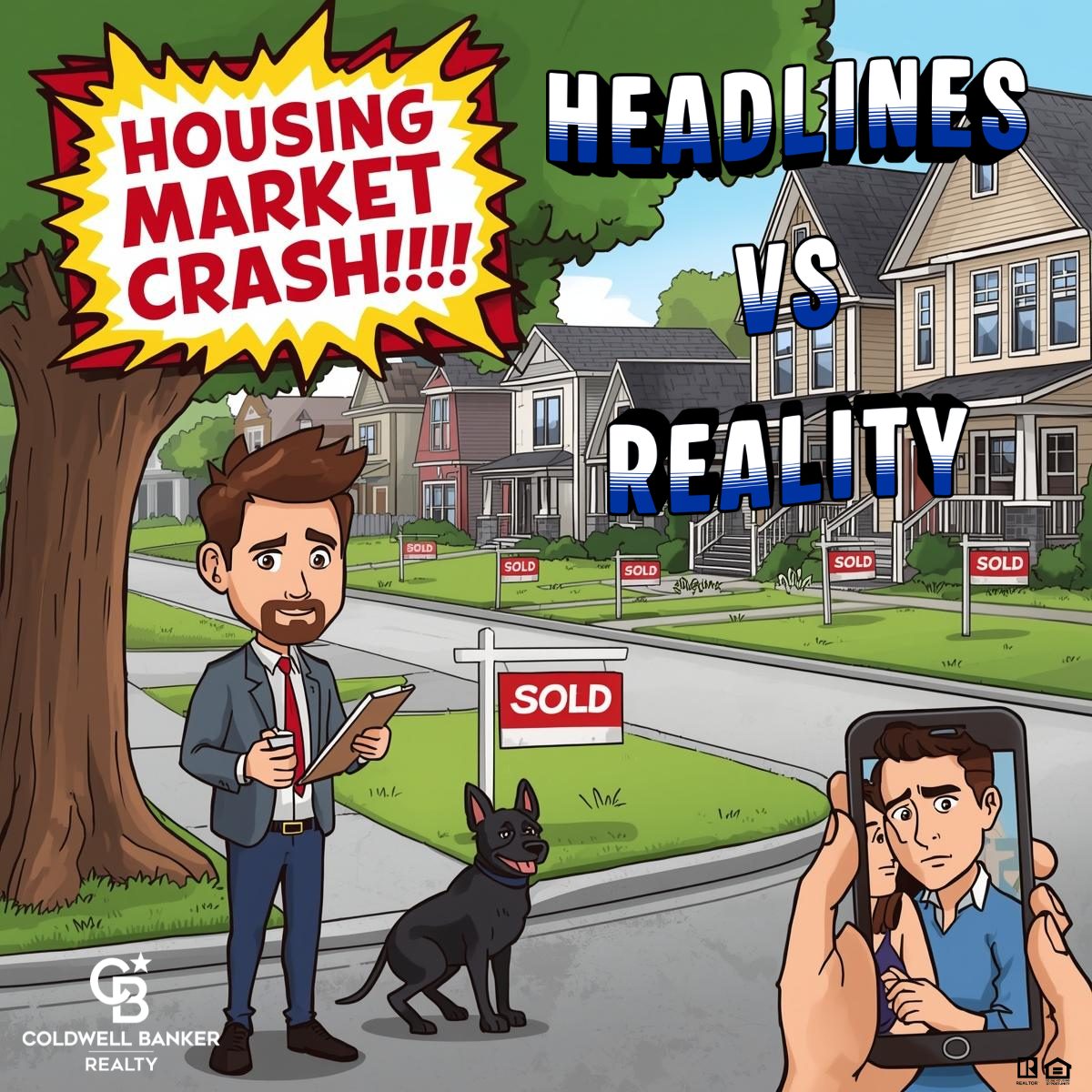
Turn on the news or scroll social media and you will see dramatic real estate headlines almost every day.

“Housing Market Crash Coming.”
“Home Prices Skyrocketing.”
“Buyers Disappearing.”

Those headlines grab attention. However, they rarely tell the full story of what is happening in your local real estate market.

In fact, national housing headlines often paint a picture that does not match what buyers and sellers experience in places like Cincinnati, Clermont County, Milford, Loveland, or Anderson Township.

That gap between headlines and reality causes confusion. Some buyers pause their search. Meanwhile, some sellers hesitate to list their homes.

Let’s break down why this happens and how understanding local market data can help you make better real estate decisions.


The Problem With National Real Estate Headlines 📰

National housing news focuses on broad trends across the entire country. That means the data includes markets that behave very differently from each other.

For example:

  • Coastal markets like California or New York

  • Fast-growing cities like Austin or Phoenix

  • Smaller Midwest markets like Cincinnati

Each of those areas moves at a different pace.

However, the media usually combines all that data into one headline. As a result, the story may not reflect what is happening locally.

According to the National Association of Realtors, housing markets vary widely based on local supply, job growth, migration patterns, and affordability. National Association of Realtors

You can review national housing data here:
https://www.nar.realtor/research-and-statistics

Still, that national data is only part of the story.

Local market conditions matter far more when you are deciding whether to buy or sell a home.


Why Local Real Estate Markets Behave Differently 📍

Real estate has always been local. In fact, two neighborhoods just ten miles apart can have completely different market conditions.

Several factors influence that difference.

Inventory Levels

The number of homes available for sale strongly affects pricing.

Low inventory often leads to:

  • Multiple offers

  • Faster sales

  • Stronger prices

Higher inventory can slow the market and give buyers more negotiating power.

Local Job Growth

Areas with strong employment tend to see steady housing demand. For example, Cincinnati benefits from major employers in healthcare, finance, and manufacturing.

Migration Patterns

People moving into an area create demand. Cities with steady population growth often experience stronger housing markets.

The U.S. Census Bureau tracks migration and population trends that influence housing demand. United States Census Bureau

https://www.census.gov

Affordability

Mortgage rates matter. However, affordability also depends on local home prices and incomes.

Therefore, a national rate change may affect one city differently than another.


Key Real Estate Trends Buyers and Sellers Should Watch 📊

Instead of relying on headlines, smart buyers and sellers focus on local housing indicators.

Here are several that matter most.

Days on Market

Days on market shows how quickly homes are selling.

Shorter times usually mean stronger demand.

Longer times may indicate more inventory or cautious buyers.

Price Reductions

Price reductions often signal shifting market conditions. When reductions increase, sellers may be adjusting expectations.

Price Per Square Foot

Price per square foot helps compare similar homes across neighborhoods.

New Listings vs Pending Sales

When more homes go under contract than come to market, supply tightens.

Conversely, when listings outpace sales, the market can soften.

For example, in many Cincinnati area neighborhoods, inventory remains limited even when national headlines suggest the market is slowing.

That is why local expertise matters.


What Buyers Are Really Looking For Today 🏠

Buyers today still want homes. However, their priorities have evolved.

Many people now focus on lifestyle features that support daily living.

Here are several trends I see regularly when working with buyers.

Functional Home Offices

Remote and hybrid work continue to influence home searches.

Dedicated office space remains a high priority.

Updated Kitchens and Bathrooms

Buyers often prefer homes that need minimal renovation.

Move-in-ready homes typically sell faster.

Outdoor Living Spaces

Patios, decks, and backyard spaces attract strong interest.

People value outdoor relaxation and entertaining.

Energy Efficiency

Energy-efficient windows, HVAC systems, and insulation are increasingly important.

The U.S. Department of Energy notes that efficient homes can significantly reduce utility costs. U.S. Department of Energy

https://www.energy.gov

Understanding these lifestyle drivers helps sellers position their homes more effectively.


What Motivates Sellers Right Now 📦

Sellers also respond to different factors than what headlines suggest.

Several motivations appear consistently in the Cincinnati market.

Life Changes

Many homeowners sell because of:

  • Job relocations

  • Growing families

  • Downsizing

  • Retirement

Equity Growth

Homeowners who bought several years ago often have significant equity today.

That equity can help fund a move to another home.

Lifestyle Upgrades

Some sellers want larger homes or different locations that better fit their lifestyle.

Because of those factors, homes continue to come to market even when news headlines suggest sellers are waiting.


The Cincinnati Market Reality 🏙️

Locally, the housing market often behaves very differently from national predictions.

Across many Cincinnati suburbs, demand remains strong for well-priced homes.

Areas like:

  • Milford

  • Loveland

  • Batavia

  • Anderson Township

  • Union Township

continue to see steady buyer interest.

Homes that are priced correctly and marketed well still attract attention.

Meanwhile, properties that are overpriced may sit longer.

That difference reinforces an important point.

Pricing strategy matters more than market headlines.


Mortgage Rates and Lending Considerations 💰

Mortgage rates always influence housing activity. Even small changes can affect affordability.

Still, buyers adapt faster than most headlines suggest.

Many strategies help buyers move forward despite higher rates.

Rate Buydowns

Some sellers offer rate buydowns to reduce the buyer’s interest rate.

Adjustable Rate Mortgages

ARMs can lower initial monthly payments.

Local Lending Programs

Certain buyers qualify for special financing options.

For example, programs through Freddie Mac and Fannie Mae help support homeownership nationwide. Freddie Mac
Fannie Mae

https://www.freddiemac.com
https://www.fanniemae.com

Working with a knowledgeable lender and REALTOR® helps buyers understand these options.


Smart Home Search Tips for Buyers 🔍

If you are searching for a home, here are several strategies that work well in today’s market.

Focus on Local Data

Always look at neighborhood statistics rather than national headlines.

Tour Homes Quickly

Well-priced homes can still move fast.

Stay Flexible

Sometimes small cosmetic updates can turn a good home into a great one.

Work With a Local Expert

A knowledgeable REALTOR® can help you identify opportunities before others notice them.


Professional REALTOR® Strategy Advice 🧠

One of the biggest mistakes buyers and sellers make is relying on national housing news.

Real estate decisions should be based on local insight and professional strategy.

A strong real estate plan includes:

  • Accurate local market analysis

  • Strategic pricing

  • Effective marketing

  • Skilled negotiation

  • Data-driven decision making

Because every neighborhood behaves differently, professional guidance can help you avoid costly mistakes.


The Bottom Line 🏡

Real estate headlines often tell only part of the story.

National housing trends provide useful context. However, they rarely reflect the full reality of local markets.

That is why buyers and sellers benefit from working with a professional who understands the local landscape.

The truth is simple.

Your local market matters more than national headlines.

Understanding inventory levels, buyer demand, and neighborhood trends gives you the clarity needed to make confident decisions.


Let’s Talk About Your Real Estate Goals 📞

If you are thinking about buying or selling a home in the Cincinnati area, I would be happy to help you understand what is really happening in the local market.

Schedule a quick conversation here:
https://tinyurl.com/Schedulea30MinuteCall

You can also explore more helpful real estate tips and market insights on my blog:
https://mikemcentush.sites.cbmoxi.com/cincinnati-real-estate-blog-tips-news

As a REALTOR® with Coldwell Banker Realty, I focus on helping buyers and sellers navigate the market with clear information and smart strategy.

Whether you are buying your first home, moving up, or planning to sell, having the right plan makes all the difference.

Let’s connect and build that plan together.


Follow the Blog for Weekly Real Estate Insights 📬

Want regular updates about the Cincinnati housing market, buying strategies, and home selling tips?

Subscribe to the blog here:
https://mikemcentush.sites.cbmoxi.com/cincinnati-real-estate-blog-tips-news

You will get practical advice, local market insights, and helpful strategies delivered regularly.

#RealEstate, #HousingMarket, #HomeBuying, #HomeSelling, #RealtorLife, #CincinnatiRealEstate, #MikeSellsCincyHomes, #HouseHunting, #RealEstateAdvice, #MarketUpdate, #HomeOwnership, #ColdwellBanker

For BuyersFor Sellers February 20, 2026

What Agents Wish Clients Understood Sooner 🏡

Buying or selling a home feels simple at first. You find a house. You make an offer. You move in.

However, the real estate process is rarely that basic.

Behind every smooth closing is strategy. Behind every frustrating experience is usually a misunderstanding about pricing, timing, or expectations.

After years of helping buyers and sellers across Cincinnati’s East Side, I can tell you this with confidence: most stress comes from things people wish they had understood earlier.

Let’s walk through them.


Why This Matters in Today’s Market 📊

The housing market is not static. It shifts. It reacts to interest rates. It responds to inventory levels. It changes with the seasons.

For example, when inventory is low, buyers compete. When listings rise, sellers must price carefully. Meanwhile, mortgage rates influence affordability almost overnight.

According to the National Association of Realtors (https://www.nar.realtor), inventory levels remain tight in many areas. At the same time, Freddie Mac shows that mortgage rates continue to fluctuate (https://www.freddiemac.com/pmms).

Because of these moving parts, strategy matters more than emotion.


1. Pricing Is a Strategy, Not a Feeling 💰

Many sellers believe their home is worth more because of upgrades or memories. That is understandable. Still, buyers do not pay based on sentiment.

Instead, they compare your home to recent comparable sales.

A strong Comparative Market Analysis (CMA) looks at:

  • Recent sold homes

  • Active competition

  • Days on market

  • Price per square foot

If a property is overpriced, it sits. When it sits, buyers gain leverage. Eventually, price reductions follow.

On the other hand, pricing correctly from day one often creates urgency. As a result, showings increase. In some cases, multiple offers appear.

In real estate, the first two weeks are critical.


2. Buyers Should Prepare Before They Fall in Love 🗝️

Scrolling listings online is easy. Falling in love with the wrong house is even easier.

Before touring homes, buyers should:

  • Get fully pre-approved

  • Review estimated monthly payments

  • Understand closing costs

  • Know their comfort range

Pre-qualification is not the same as pre-approval. Lenders verify income, debt, and credit during full approval. That step gives buyers strength in competitive markets.

Furthermore, clarity prevents regret.

When you know your limits, you make confident decisions.


3. Days on Market Tell the Real Story ⏳

List price attracts attention. Days on market reveal reality.

If a home just hit the market, expect competition. In contrast, if a property has been active for 60+ days, buyers often gain negotiating power.

Timing changes leverage.

Sellers should understand that early momentum drives results. Buyers should understand that hesitation on new listings often costs opportunities.


4. Inspections Protect You — They Don’t Reset the Deal 🔍

Home inspections are vital. They protect buyers from major risk.

However, inspections are not designed to renegotiate every small issue.

Every home has wear and tear. What matters most are structural, safety, and mechanical concerns.

A strong Realtor® helps clients separate maintenance items from serious problems. That perspective keeps deals intact and protects equity.


5. Interest Rates Matter — But So Does Price 📈

When rates rise, buyers sometimes pause. That reaction is natural. Still, waiting for perfect rates can backfire.

Here’s why.

A 1% rate change affects monthly payments. However, a $20,000 price increase affects long-term equity and resale value.

You can refinance a mortgage rate later. You cannot refinance the purchase price.

For updated rate trends, visit Freddie Mac’s weekly report: https://www.freddiemac.com/pmms

In many cases, buying strategically matters more than timing the exact rate.


6. Real Estate Is Emotional — But Math Wins ❤️

Homes represent stability. They represent family. They represent memories.

Because of that, emotions run high.

Sellers sometimes reject strong offers because they hoped for more. Buyers sometimes stretch beyond comfort because they fall in love.

Meanwhile, the best outcomes happen when emotion and data work together.

Strategy protects long-term wealth.


7. Preparation Increases Profit 🧹

Presentation matters more than most people realize.

Decluttering, minor repairs, professional photography, and staging often lead to stronger offers.

According to NAR research, nearly all buyers start their search online. That means first impressions happen digitally.

If photos disappoint, buyers never schedule a showing.

Clean presentation builds trust. Trust creates demand.


8. Local Insight Beats National Headlines 🏘️

National news creates noise. Local data creates clarity.

Cincinnati neighborhoods behave differently. For example, Milford does not mirror Anderson Township. Loveland moves differently than Pierce Township.

School districts, property taxes, and local inventory levels all influence value.

Hyper-local analysis matters more than broad headlines.

If you want ongoing local insights, explore my Cincinnati market updates here:
👉 https://mikemcentush.sites.cbmoxi.com/cincinnati-real-estate-blog-tips-news


9. Communication Impacts Results 📱

Strong transactions require fast communication.

When a desirable home hits the market, buyers may have hours, not days, to act.

Likewise, sellers must respond quickly to showing feedback and offer deadlines.

Clear communication reduces stress. Quick responses improve leverage.


10. Your Agent’s Network Makes a Difference 🤝

Behind every successful closing stands a strong team.

Experienced agents work closely with:

  • Trusted lenders

  • Reliable inspectors

  • Responsive title companies

  • Skilled contractors

Because relationships matter, problems get solved faster.

Experience reduces surprises.


Financial Realities Clients Often Miss 💵

Beyond price and rate, buyers and sellers should consider:

  • Property taxes

  • Insurance costs

  • HOA fees

  • Maintenance reserves

  • Long-term resale value

Real estate builds wealth over time through appreciation and amortization. However, smart planning accelerates that growth.

Every decision should align with both lifestyle and long-term financial goals.


Final Thoughts: Strategy Reduces Stress 🏡

Buying or selling a home is one of the largest financial decisions most people make.

The process feels smoother when expectations match reality.

When clients understand pricing, timing, financing, and negotiation dynamics early, confidence replaces stress.

Preparation beats pressure. Strategy beats guesswork.

If you are considering buying or selling in Cincinnati, let’s build a plan that works for you.

📅 Schedule a consultation here:
👉 https://tinyurl.com/Schedulea30MinuteCall

📬 Subscribe to my blog for weekly market updates:
👉 https://mikemcentush.sites.cbmoxi.com/cincinnati-real-estate-blog-tips-news

I’m Mike McEntush, REALTOR® with Coldwell Banker Realty. I study the Cincinnati market daily so you can make informed decisions with clarity.

Let’s talk strategy.

#realestate, #cincinnatirealestate, #homebuying, #homeselling, #housingmarket, #realtor, #propertyinvestment, #firsttimehomebuyer, #realestatetips, #coldwellbanker

For Sellers February 16, 2026

What Buyers Notice in the First 10 Seconds

What Buyers Notice in the First 10 Seconds 👀🏡

When a buyer pulls up to a home, something powerful happens.

Within about ten seconds, an opinion forms. It is not a spreadsheet calculation. It is not a deep structural review. Instead, it is a gut reaction.

That first emotional response often shapes everything that follows.

After years of helping buyers and sellers across Cincinnati’s East Side, I can usually tell within moments whether a home is going to create momentum or resistance. As buyers step out of the car, they pause. They scan the exterior. They adjust their posture. Their reaction is subtle, yet it is incredibly telling.

So let’s break down what buyers truly notice in those first ten seconds, why it matters in today’s housing market, and how sellers can use that knowledge strategically. 🚀


Why the First 10 Seconds Matter More in Today’s Market

Today’s buyers are informed. At the same time, they are cautious.

Most begin their home search online long before scheduling a showing. In fact, the National Association of Realtors reports that the vast majority of buyers start their home search on the internet, which means first impressions often begin with photos and virtual tours.
👉 https://www.nar.realtor/research-and-statistics

Because of that early exposure, expectations form quickly. However, once buyers pull into the driveway, the digital experience becomes physical. Now they feel the street. They see neighboring homes. They sense the energy of the block.

If those first few seconds create doubt, buyers immediately start looking for reasons to negotiate. On the other hand, if the home creates excitement, they begin mentally moving in before they even cross the threshold.

Across Loveland, Milford, Anderson Township, and Batavia, that emotional shift can influence offers dramatically. In competitive markets, perception equals leverage.


Curb Appeal: The Silent Negotiator 🌿

Before buyers ever touch the front door, they evaluate the exterior.

They notice:

• Landscaping and lawn condition
• Driveway cracks or stains
• Paint and siding
• Roofline symmetry
• Front door presentation

Although these details seem minor, they communicate something important: maintenance habits.

Peeling paint suggests deferred upkeep. Overgrown shrubs reduce light and visibility. Meanwhile, fresh mulch and trimmed landscaping create confidence.

Because buyers associate exterior condition with interior care, curb appeal becomes a silent negotiator. If the outside looks sharp, the list price feels more justified.


The Emotional Power of Smell 👃

As soon as the door opens, scent registers.

Pet odor creates concern. Smoke triggers hesitation. Heavy air fresheners raise suspicion. Mustiness implies moisture issues.

Scent connects directly to memory and emotion. Therefore, it influences comfort instantly.

Professional cleaning before listing is not cosmetic. It is strategic positioning. A neutral, fresh scent builds subconscious trust.

In real estate, trust drives offers.


Light, Space, and Immediate Comfort ☀️

After scent, light becomes the next factor buyers process.

Bright spaces feel open. Dim spaces feel confined. Even identical square footage can feel different based on natural light alone.

Open blinds. Clean windows. Turn on every light before showings. Although those steps are simple, they dramatically shift perception.

Additionally, layout flow matters immediately.

If the entry opens naturally into living space, buyers relax. However, if they encounter awkward transitions or tight hallways, hesitation creeps in.

Interestingly, research from Freddie Mac highlights how remote work has reshaped buyer priorities, especially regarding flexible rooms and home office potential.
👉 https://www.freddiemac.com/research

Because buyers now think about work-from-home functionality, first impressions often include mental workspace mapping.


Buyer Psychology: Emotion Before Logic 🧠

Real estate decisions begin emotionally. Later, logic steps in to justify the choice.

Within seconds, buyers ask themselves:

Can I see my family here?
Does this feel safe?
Is this worth the investment?

If the home creates excitement early, buyers forgive small cosmetic flaws. Conversely, if doubt appears immediately, even minor imperfections feel amplified.

According to the National Association of Realtors staging research, well-presented homes tend to sell faster and for more money.
👉 https://www.nar.realtor/research-and-statistics/quick-real-estate-statistics

That data reinforces what experienced agents already know: preparation protects price.


Local Market Context: Cincinnati’s East Side

Inventory levels across Cincinnati have shifted recently. While more homes are coming to market, buyer demand remains strong in desirable neighborhoods.

When homes in Anderson Township or Loveland show beautifully from day one, they often generate strong weekend traffic. Meanwhile, properties that miss on presentation may linger.

Days on market shape perception. If a home sits too long, buyers assume something is wrong. As a result, negotiation pressure increases.

Therefore, maximizing the first ten seconds protects pricing power.

If you want to see where your home stands today, check your value here:
👉 https://tinyurl.com/OurHomeEstimate


Financial Awareness Happens Instantly 💰

Buyers do not wait until inspections to evaluate cost. They start calculating value immediately.

Fresh paint signals fewer expenses. Updated kitchens reduce mental renovation budgets. Clean mechanical systems build confidence.

However, outdated finishes create mental deductions.

At the same time, mortgage rates influence urgency. Many buyers track rate movements through Mortgage News Daily, a trusted industry resource.
👉 https://www.mortgagenewsdaily.com/

In addition, broader housing data from the Federal Reserve’s housing series helps explain long-term pricing and demand patterns.
👉 https://fred.stlouisfed.org/tags/series?t=housing

Because buyers feel rate pressure, homes that appear move-in ready create urgency.


Lifestyle Drivers Buyers Notice Quickly 🏡

Beyond condition, buyers immediately evaluate lifestyle fit.

They notice noise levels.
They assess privacy.
They evaluate yard usability.
They consider school proximity and commute flow.

Although these factors may not appear in listing photos, they register within seconds of arrival.

That is why location presentation matters just as much as interior staging.


Smart Home Selling Strategy 🎯

If you are preparing to list, start with this simple exercise.

Drive away from your home. Then return as if you were a buyer seeing it for the first time.

Pause. Observe. Feel.

What stands out first?

Often, small investments deliver strong returns:

• Power washing exterior surfaces
• Refreshing mulch beds
• Updating light fixtures
• Decluttering visible surfaces
• Neutralizing bold paint colors

Because buyers react emotionally, those visual upgrades carry financial weight.


Professional REALTOR® Advantage 🏆

Strategy matters.

Pricing, presentation, photography, timing, and negotiation positioning all work together. Preparation before listing creates leverage.

When I work with sellers across Milford, Batavia, Loveland, and Anderson Township, we do not simply list a home. Instead, we build a launch plan. We study comparable sales. We analyze absorption rates. We align price with demand.

Then, we maximize first impressions intentionally.

That approach protects equity and shortens days on market.


For Buyers Navigating the Market

Pay attention to your own reactions.

If excitement hits immediately, explore why. If hesitation creeps in, identify the source.

However, balance emotion with logic. Cosmetic issues can be fixed. Structural issues require deeper analysis.

Working with an experienced REALTOR® helps you separate perception from reality.


Final Thoughts

Those first ten seconds may feel small, yet they shape perception. Perception shapes negotiation. Negotiation shapes outcomes.

Curb appeal, scent, light, layout, and presentation work together to create emotional momentum. In Cincinnati’s competitive housing market, strong first impressions protect value.

If you are considering buying or selling on the East Side, let’s create a strategy before you make a move.

📅 Schedule a consultation here:
👉 https://tinyurl.com/Schedulea30MinuteCall

📩 Subscribe for local market insights and real estate strategy:
👉 https://mikemcentush.sites.cbmoxi.com/cincinnati-real-estate-blog-tips-news

I’m Mike McEntush, REALTOR® with Coldwell Banker Realty, helping buyers and sellers across Cincinnati move with clarity and confidence.

#realestate, #homebuying, #homeselling, #cincinnatirealestate, #eastsidecincinnati, #housingmarket, #curbappeal, #firstimpressions, #realestatemarketing, #movewithconfidence

For BuyersFor Sellers February 11, 2026

What to Do When a House Looks Perfect Online but Awful in Person

What to Do When a House Looks Perfect Online but Awful in Person 😬🏡

You know the feeling.

You scroll through listings. The photos are bright. The kitchen looks huge. The backyard feels like a private oasis. You book a showing. Then you pull up… and your excitement drops fast.

The house that looked perfect online suddenly feels small, dark, dated, or just “off.”

If that has happened to you, you are not alone. As a REALTOR® here in East Side Cincinnati, I see this all the time. Let’s walk through why it happens, what it means, and how to protect yourself during your home search.


Why This Happens More Than You Think 📸

Online listings are marketing tools. They are designed to highlight strengths and minimize weaknesses. That does not mean agents are being dishonest. However, professional photography, wide-angle lenses, staging, and editing can dramatically change perception.

According to the National Association of Realtors® (NAR), over 95% of buyers start their home search online. You can see their latest data here: https://www.nar.realtor/research-and-statistics.

Because of that shift, sellers invest heavily in presentation. Photos are curated. Angles are selective. Lighting is enhanced. As a result, what you see online may not match what you feel in person.

And real estate is about feel.


Market Context: Why Expectations Are So High 🔥

In competitive markets like Cincinnati’s East Side — Milford, Loveland, Anderson Township, Union Township, and Batavia — buyers move quickly. Inventory can be tight. Homes under certain price points attract multiple offers.

Consequently, buyers often build emotional attachment before they ever step inside.

Scrolling Zillow or Realtor.com becomes a daily routine. Each listing starts to feel like a potential future. Therefore, disappointment hits harder when reality does not match the image.

Meanwhile, sellers know first impressions matter. So they invest in staging, decluttering, and photography. That is smart marketing. Yet it also increases the gap between expectation and reality.


The Data Behind Online Perception 📊

Several trends shape this issue:

  • Wide-angle lenses make rooms appear larger.

  • Virtual staging removes clutter and personal items.

  • Drone photography highlights surroundings more than interior flaws.

  • Filters adjust brightness and color tones.

According to Redfin market insights (https://www.redfin.com/news/data-center/), homes with professional photography often receive more online views and showings.

More clicks do not always mean better condition. Instead, they often reflect better marketing.

That distinction matters.


Buyer Motivation vs. Emotional Reality 💭

When a house disappoints in person, emotions can cloud judgment. However, it helps to separate two things:

  1. Cosmetic disappointment

  2. Structural or functional issues

If the problem is paint color, furniture, lighting, or landscaping, those are fixable. On the other hand, foundation cracks, water intrusion, low ceilings, or poor layout are harder to solve.

Therefore, pause before reacting.

Ask yourself:

  • Is this fixable with budget and vision?

  • Or is this a fundamental flaw?

As your REALTOR®, I help clients break that down logically instead of emotionally.


Popular Features That Look Better Online 🛋️✨

Some features photograph beautifully but may underwhelm in person:

  • Open shelving kitchens

  • Small but styled bathrooms

  • Tight backyards with zoomed-in landscaping

  • Basement spaces shot from flattering angles

  • “Luxury vinyl plank” flooring that feels thinner in reality

Meanwhile, certain elements rarely show well online:

  • Traffic noise

  • Neighbor proximity

  • Ceiling height

  • Odors

  • Natural light patterns

Those factors only reveal themselves during a showing.


Local East Side Cincinnati Insight 🏘️

In our local market, older homes often photograph charmingly. Brick colonials in Anderson Township or cape cods in Milford can look stunning online.

However, many of those properties were built decades ago. Closets may be smaller. Ceiling heights may feel lower. Floor plans may be segmented instead of open.

At the same time, new construction in Union Township or Batavia may look similar online but differ dramatically in quality depending on the builder.

Because I work daily in these neighborhoods, I can quickly spot red flags that buyers might miss on a first walk-through.


Financial and Lending Considerations 💰

Disappointment does not automatically mean “walk away.”

Sometimes a home that feels underwhelming presents opportunity. If other buyers feel the same way, competition may decrease. That can create negotiating power.

However, always evaluate:

  • Appraisal risk

  • Inspection concerns

  • Renovation budget

  • Resale value

Before making an offer, I advise buyers to understand how the home will perform long term. You can review consumer protection resources through the Consumer Financial Protection Bureau here: https://www.consumerfinance.gov/.

Additionally, if financing is involved, condition issues can impact loan approval depending on the loan type.

Therefore, emotion must align with math.


Smart Home Search Tips to Avoid This Scenario 🧭

You can reduce disappointment by being strategic.

First, request a live video walkthrough before scheduling. Lighting and movement reveal more than still photos.

Next, ask your agent about days on market. If a house looks flawless yet has been sitting, that signals a potential issue.

Also, read property descriptions carefully. Phrases like “cozy,” “charming,” or “unique layout” may indicate smaller spaces.

Furthermore, study Google Street View to understand surroundings.

Most importantly, tour multiple homes in one price bracket. Comparison builds clarity.


What to Do in the Moment 😅

When you walk in and feel immediate disappointment:

  1. Take a breath.

  2. Walk through the entire house.

  3. Step outside and reassess.

  4. Discuss objectively with your REALTOR®.

Sometimes the first room sets the tone unfairly. Other times your instinct is correct.

Trust your gut, but verify with data.


Professional REALTOR® Strategy Advice 🎯

Here is how I guide buyers through this exact situation:

  • I evaluate layout over décor.

  • I assess long-term resale.

  • I calculate renovation return.

  • I compare recent neighborhood sales.

  • I remove emotion from the equation.

Experience matters here. Over 275 families served and more than $55M in closed volume has taught me one thing: clarity wins over excitement.

A house should feel right, but it must also make financial sense.

If you want additional insights on buying smart in today’s market, check out my blog here:
👉 https://mikemcentush.sites.cbmoxi.com/cincinnati-real-estate-blog-tips-news

You will find practical advice designed specifically for Cincinnati buyers and sellers.


For Sellers Reading This 👀

If you are listing your home, understand the flip side.

Over-editing photos can backfire. When buyers feel misled, trust erodes. Showings drop. Offers weaken.

Professional photography is essential. However, accuracy builds credibility.

If you are thinking about selling, I would be happy to provide a strategy session tailored to your neighborhood.

Schedule a time here:
👉 https://tinyurl.com/Schedulea30MinuteCall


Final Thoughts 💡

Real estate is emotional. It is also financial. When a house looks perfect online but awful in person, it does not mean you failed. It simply means marketing did its job.

Now your job is to respond wisely.

Stay patient. Stay logical. Stay focused on long-term value.

The right home will not require convincing.

If you are searching in Milford, Loveland, Anderson Township, Union Township, Batavia, or anywhere on the East Side of Cincinnati, let’s build a strategy that protects your time and money.

📲 Schedule your consultation here:
https://tinyurl.com/Schedulea30MinuteCall

📬 Subscribe for ongoing market updates and buyer strategies:
https://mikemcentush.sites.cbmoxi.com/cincinnati-real-estate-blog-tips-news

#realestate, #homebuying, #cincinnatirealestate, #realtorlife, #eastsidecincinnati, #homesforsale, #firsttimehomebuyer, #househunting, #marketupdate, #realestatetips

For Buyers February 6, 2026

Why Buyers Lose Homes They “Should’ve Won”

Why Buyers Lose Homes They “Should’ve Won” 🏡😬

And how to make sure it doesn’t happen to you

Introduction: “We did everything right… didn’t we?”

I hear this all the time.
“We had the best offer.”
“We were told the seller loved us.”
“Our agent said we should win this one.”

And yet, the house goes to someone else.

Frustrating doesn’t even cover it. 😤 Buyers walk away confused, discouraged, and sometimes convinced the system is rigged. However, in most cases, the reason buyers lose homes they “should’ve won” has nothing to do with luck. Instead, it comes down to strategy, structure, and how sellers actually make decisions.

Let’s break this down in plain English so you can avoid the same mistakes.


Market Context: Why This Matters More Than Ever

Even as the market shifts, competition hasn’t disappeared. While bidding wars aren’t everywhere, they are still very real in desirable neighborhoods, well-priced homes, and move-in-ready properties.

Additionally, sellers today are more cautious than they were a few years ago. After watching deals fall apart during inspection or financing, they care just as much about certainty as they do about price.

In other words, the “highest offer” isn’t always the best offer.

That’s where many buyers get tripped up.


Key Trends + Data Buyers Often Miss 📊

According to the National Association of REALTORS®, a significant percentage of contracts fall apart before closing, most often due to financing issues or inspection disputes. Sellers know this. Listing agents know this. Experienced agents plan for this.

At the same time, lenders like Freddie Mac continue to report tighter underwriting standards, which means sellers are paying closer attention to loan types, down payment strength, and buyer readiness.

So while buyers may focus on price alone, sellers are evaluating risk.

That difference in perspective matters.


The Real Reasons Buyers Lose Homes They “Should’ve Won”

1. The Offer Looked Strong… But Felt Risky

On paper, the numbers were good.
In reality, the offer came with red flags.

Examples include:

  • A shaky pre-approval instead of a full underwriting review

  • Large down payment gifts with no documentation

  • Short employment history without explanation

Even if none of these are deal-breakers, they raise questions. And when another offer feels “cleaner,” sellers often take the safer path.


2. Overconfidence Replaced Strategy

This one hurts, but it’s common.

Buyers assume:

  • “We’re offering over asking, so we’re fine.”

  • “The seller will counter us.”

  • “We don’t need to move fast.”

Meanwhile, another buyer writes a decisive, well-structured offer with clear terms and no hesitation.

Confidence is good. Complacency is costly.


3. Terms Didn’t Match the Seller’s Priorities

Price is just one piece of the puzzle.

Sellers also care about:

  • Closing timeline

  • Possession needs

  • Inspection flexibility

  • Appraisal risk

If your offer ignores what the seller actually wants, it can lose even at a higher price.

This is where experienced negotiation makes a real difference.


4. Inspection Language Was Too Aggressive

Buyers often lose homes before they ever get to inspection… because of how inspection is written.

Broad language that allows buyers to walk for any reason makes sellers nervous. On the other hand, thoughtful inspection terms that protect the buyer while showing intent can win deals.

It’s not about waiving protections blindly. It’s about clarity.


5. Weak Communication Killed the Deal

Here’s the part most buyers never see.

Behind the scenes, listing agents are asking:

  • Is this buyer serious?

  • Will this agent be difficult?

  • How likely is this deal to close smoothly?

If your agent isn’t communicating clearly, responding quickly, and presenting your offer professionally, it can cost you the house.

Harsh truth, but true.


Buyer and Seller Motivations Don’t Always Align

Buyers are emotional.
Sellers are strategic.

Buyers picture furniture, family dinners, and future memories 🛋️❤️
Sellers picture timelines, risk, and net proceeds.

The winning offers are the ones that bridge that gap.

When your offer speaks to both emotion and logistics, it stands out.


Popular Home Features That Drive Competition 🔥

Certain homes attract stronger competition no matter the market:

  • Move-in-ready condition

  • Updated kitchens and baths

  • Desirable school districts

  • Walkable neighborhoods

  • Reasonable pricing

If you’re competing for these homes, you need to assume multiple offers and plan accordingly.

Hope is not a strategy.


Local and Regional Insight Matters (Especially Here) 📍

In the Cincinnati area, micro-markets matter. A home in one neighborhood may sit for weeks, while a similar home five minutes away draws multiple offers in two days.

This is why local experience matters. Understanding:

  • How aggressive buyers are right now

  • What sellers expect in each area

  • Which homes are underpriced on purpose

All of that changes how you write an offer.


Financial and Lending Details That Quietly Win Deals 💰

Strong offers often include:

  • Fully underwritten pre-approvals

  • Higher earnest money deposits

  • Shorter financing contingencies

  • Appraisal gap strategies when appropriate

These details don’t always increase your price, but they absolutely increase your odds.

For buyers, this means preparation before emotions take over.


Smarter Home Search Tips That Protect You

A few simple shifts can help dramatically:

  • Don’t wait to “see how it goes.” Write strong upfront.

  • Focus on value, not ego. Winning at any cost isn’t winning.

  • Listen carefully to agent feedback, even when it’s uncomfortable.

  • Be flexible where it matters and firm where it protects you.

Buying a home is part math, part psychology.


Professional REALTOR® Strategy Advice 🧠

This is where working with the right agent changes everything.

A strong buyer’s agent:

  • Reads the listing agent and seller priorities

  • Positions your offer strategically, not emotionally

  • Knows when to push and when to pause

  • Communicates confidence without arrogance

That’s not theory. That’s experience.

As a full-time REALTOR® with Coldwell Banker Realty, I’ve helped buyers win homes they were told they couldn’t get. I’ve also advised buyers when walking away was the smarter move.

Both are wins.


Conclusion: You Didn’t Lose Because You Were Unlucky

If you lost a home you “should’ve won,” don’t beat yourself up.

More often than not, the loss came down to:

  • Structure over price

  • Clarity over optimism

  • Strategy over assumptions

The good news? Every one of those things can be fixed.


Let’s Make Sure It Doesn’t Happen Again

If you’re buying a home now or planning to soon, let’s talk through your strategy before emotions take over. A short conversation can save you months of frustration and thousands of dollars.

👉 Schedule a time to talk with Mike McEntush, REALTOR® / Coldwell Banker Realty:
https://tinyurl.com/Schedulea30MinuteCall

📩 Subscribe to the Cincinnati Real Estate Blog for weekly buyer and seller insights:
https://mikemcentush.sites.cbmoxi.com/cincinnati-real-estate-blog-tips-news

Buying smart beats buying fast. Let’s do this the right way. 👊🏡

#realestate, #homebuying, #buyersmarket, #housingmarket, #realestatetips, #firsttimehomebuyer, #realestateadvice, #homesforsale, #realestateexpert, #cincinnatirealestate

First Time Home Buyers January 21, 2026

What Your First Home Teaches You About Life

What Your First Home Teaches You About Life (And Why You Suddenly Care About Gutters) 🏡😂

Introduction: The House That Made You an Adult

Buying your first home feels like a milestone moment. 🎉
At first, everything feels exciting and new.
However, reality shows up quickly — usually with a repair bill.

Suddenly, weekends aren’t just for relaxing anymore. Instead, they’re for learning how your water heater works.
Meanwhile, you also realize that no one warned you how loud a sump pump can be.

In many ways, your first home doesn’t just change where you live. More importantly, it changes how you think.
Let’s take a fun but honest look at what your first home really teaches you about life.


Why This Topic Matters in Today’s Housing Market 📊

Today’s housing market looks very different than it did even a few years ago.
Interest rates have shifted. Inventory remains tight. Prices still matter.

Even so, first-time buyers continue to enter the market.
According to the National Association of REALTORS®, first-time buyers make up about 32% of all buyers nationwide.
Source: https://www.nar.realtor/research-and-statistics

Because of that, understanding the real experience of first-time homeownership is critical.
Not only does it help buyers prepare emotionally, but it also helps them plan financially.


Lesson #1: “Just a Small Fix” Is Never Small 🔧

At first glance, everything seems manageable.
That dripping faucet feels minor.
That loose handrail seems harmless.

Eventually, reality sets in.
Small issues almost always grow when ignored.
As a result, homeowners quickly learn the value of preventative maintenance.

From a real estate perspective, this lesson matters.
Homes that are well maintained tend to sell faster.
They also command stronger offers.

👉 Pro tip: Set aside money monthly for maintenance. Even $50 helps.


Lesson #2: Budgeting Stops Being Optional 💸

Before buying, budgeting feels theoretical.
After closing, it becomes personal.

Suddenly, utility bills get your attention.
Likewise, HVAC efficiency starts to matter more than square footage.

According to the Consumer Financial Protection Bureau, many homeowners underestimate ongoing housing costs by nearly 40%.
Source: https://www.consumerfinance.gov/consumer-tools/housing/

Because of this, smart buyers plan beyond the mortgage payment.
They prepare for repairs, insurance, and unexpected surprises.


Lesson #3: “Good Enough” Is a Superpower 😅

At some point, every homeowner learns to prioritize.
Sure, upgraded finishes are nice.
However, functional systems matter more.

Instead of chasing perfection, first-time buyers often learn to focus on progress.
That mindset builds confidence over time.

From experience, buyers who accept “good bones” often build the most equity.
Cosmetic updates can come later.
Structure and location cannot be changed.


Lesson #4: Location Becomes Personal 🗺️

Before buying, location sounds like a buzzword.
After moving in, it becomes your lifestyle.

Commutes feel longer.
School districts feel more important.
Even grocery store access suddenly matters.

Here in Greater Cincinnati, each area offers something unique.
Loveland feels different from Milford.
Anderson Township offers different benefits than Batavia.

For hyper-local insight, explore market updates here:
👉 https://mikemcentush.sites.cbmoxi.com/cincinnati-real-estate-blog-tips-news


Lesson #5: Your Home Reflects Who You’re Becoming 🪞

Your first home isn’t just shelter.
Instead, it’s a reflection of growth.

Maybe it’s where you host holidays.
Maybe it’s where routines begin.
Maybe it’s simply the first place that truly feels like yours.

Over time, ownership builds pride.
That pride often leads to better decisions.
Those decisions compound financially and emotionally.


Financial Reality: Why Homeownership Still Builds Wealth 📈

Homeownership isn’t just emotional.
It’s also strategic.

According to the Federal Reserve, homeowners have a median net worth nearly 40 times higher than renters.
Source: https://www.federalreserve.gov/econres/scfindex.htm

Of course, buying isn’t right for everyone.
However, buying the right way makes a measurable difference.

This is where guidance matters most.


Practical Home Search Tips for First-Time Buyers 🧠

To stay competitive and confident, first-time buyers should:

  • Get pre-approved early

  • Focus on payment comfort

  • Budget for repairs

  • Avoid emotional bidding

Most importantly, they should ask questions often.
Clarity reduces stress.


REALTOR® Strategy: How I Help First-Time Buyers Win 🏆

As a REALTOR® with Coldwell Banker Realty, my role goes beyond showing homes.

I help buyers:

  • Understand true market value

  • Navigate negotiations

  • Avoid costly mistakes

  • Plan for long-term ownership

Experience matters, especially in changing markets.
Strategy creates confidence.


Final Thoughts: Your First Home Is a Teacher 🎓

Your first home teaches patience.
It teaches responsibility.
More importantly, it teaches resilience.

While it may not be perfect, it is powerful.
It’s the foundation for what comes next.


Ready to Take the First Step? Let’s Talk 👋

If you’re thinking about buying your first home — or preparing for the next one — I’d love to help.

📅 Schedule a one-on-one consultation:
👉 https://tinyurl.com/Schedulea30MinuteCall

📬 Subscribe for weekly Cincinnati real estate tips:
👉 https://mikemcentush.sites.cbmoxi.com/cincinnati-real-estate-blog-tips-news

#cincinnatirealestate,firsttimehomebuyer,homeownership,realestatetips,buyingyourfirsthome,ohiorealestate,realtoradvice,marketinsights,coldwellbanker,mikesellscincyhomes

For Buyers January 19, 2026

The Rise of Solo Buyers:

Buying a home used to be seen as a milestone you reached with someone else.

Today, that idea is changing quickly.

Across the country, more buyers are purchasing homes on their own, and they are doing it with confidence. From first-time buyers to those starting a new chapter, solo buyers are reshaping the real estate market. 💪

As a REALTOR® working daily in the Greater Cincinnati market, I see this trend firsthand. Because of that, let’s explore why solo buying is growing, what motivates these buyers, and how to succeed when buying alone.


📊 Market Context: Why the Rise of Solo Buyers Matters

To start, this trend is backed by real data.

According to the National Association of REALTORS®, single buyers make up nearly 20% of all home purchases, with single women leading the category.
🔗 https://www.nar.realtor/research-and-statistics

At the same time, life patterns have changed. People are marrying later, prioritizing careers, and moving for flexibility. As a result, homeownership is no longer tied to relationship status.

Instead, it is tied to stability, independence, and long-term financial growth.


📈 Key Trends Driving the Growth of Solo Buyers

Several forces are pushing this trend forward.

First, remote and hybrid work have made location more flexible. Because of this, buyers can choose homes that fit their lifestyle instead of their commute.

Next, life transitions play a major role. Divorce, relocation, and fresh starts often place buyers back in the market independently.

Additionally, financial independence has increased, especially among women. Higher incomes, stronger credit profiles, and better financial education all contribute.

Most importantly, many buyers no longer want to wait. They understand that waiting for the “perfect time” often means missing years of equity growth.


🧠 Why Buyers Choose to Purchase Alone

Although every buyer has a unique story, common motivations appear again and again.

For many, it comes down to control. Buying solo means making decisions without compromise.

For others, it is about security. Owning a home offers stability that renting often cannot.

Meanwhile, wealth building matters. Instead of paying rent, solo buyers choose to invest in their future.

Above all, solo buyers want a home that reflects their life — not someone else’s priorities.


🛋️ Home Features Solo Buyers Prefer

Because solo buyers are intentional, they tend to focus on efficiency and comfort.

Popular features include:

  • 🏠 Low-maintenance homes

  • 🚗 Attached garages

  • 🔐 Safe, well-lit neighborhoods

  • 🧑‍💻 Home offices or flex rooms

  • 🌳 Walkable areas and nearby trails

  • 🛠️ Move-in-ready condition

Rather than buying extra space they do not need, many solo buyers choose smart layouts with long-term resale value.


📍 Local Insight: Solo Buyers in Greater Cincinnati

Locally, solo buyers are very active throughout Eastern Cincinnati and Clermont County.

Areas such as Milford, Loveland, Anderson Township, Batavia, and Union Township continue to attract independent buyers. These communities offer strong value, easy access to amenities, and consistent appreciation.

For ongoing local insights, visit my blog here:
👉 https://mikemcentush.sites.cbmoxi.com/cincinnati-real-estate-blog-tips-news


💰 Financial & Lending Considerations

Buying on one income requires smart planning. However, there are excellent tools available.

Options may include:

  • First-time buyer programs

  • Low down payment conventional loans

  • Down payment assistance programs

According to Freddie Mac, buyers who work with professionals early are far more likely to succeed.
🔗 https://www.freddiemac.com/research/consumer-finance

Because of this, preparation matters just as much as price.


🔍 Smart Home Search Tips for Solo Buyers

Clarity is your biggest advantage.

Start by focusing on comfort, not maximum approval.
Next, prioritize monthly payment over purchase price.
Then, think about resale value even if you plan to stay long-term.

Most importantly, avoid rushing. A smart purchase today creates flexibility later.


🧭 Why Professional REALTOR® Guidance Is Essential

Buying solo does not mean doing it alone.

As your REALTOR®, my role is to:

  • Protect your financial position

  • Provide honest pricing advice

  • Negotiate strategically

  • Help you avoid costly mistakes

Experience matters. Local knowledge matters. Strategy matters.


🏁 Final Thoughts: Buying Solo Is a Smart Move

The rise of solo buyers is not a phase. It reflects a new definition of independence and success.

You do not need perfect timing.
You do not need a partner.
You need a plan and trusted guidance.

When done right, solo homeownership can be one of the smartest financial decisions you make.


📞 Ready to Take the Next Step?

If you’re considering buying a home — now or in the future — let’s talk.

👉 Schedule a no-pressure consultation here:
https://tinyurl.com/Schedulea30MinuteCall

📬 Subscribe to my Cincinnati real estate blog:
https://mikemcentush.sites.cbmoxi.com/cincinnati-real-estate-blog-tips-news

#CincinnatiRealEstate, #SoloHomeBuyer, #BuyingAHomeAlone, #HomeBuyingTips, #FirstTimeBuyer, #RealEstateAdvice, #ColdwellBankerRealty, #MikeSellsCincyHomes, #CincyHomes, #HomeOwnership

For Buyers January 15, 2026

The Rise of Smart Cities and What It Means for Real Estate

🌆 The Rise of Smart Cities and How They’re Reshaping Real Estate

Cities are evolving faster than ever. 🏙️
At the same time, technology is changing how people live, commute, and connect.

Because of these shifts, smart cities are becoming a powerful force in real estate.
They influence where people buy, how homes are priced, and what features buyers now expect.

Rather than being a distant trend, smart cities are already shaping today’s housing market.
As a REALTOR® working across Greater Cincinnati, I see the impact daily.

So let’s walk through what this means — clearly, simply, and practically.


🌍 Market Context: Why Smart Cities Matter Now

To begin, it helps to define the term.

A smart city uses technology and data to improve daily life.
For example, this includes better traffic systems, efficient energy use, and strong internet access.

Because cities continue to grow, infrastructure must keep up.
As a result, governments are investing in transportation, utilities, and connectivity.

According to the U.S. Department of Transportation, smart infrastructure improves mobility, safety, and economic growth — all of which support long-term property values.
Learn more here: https://www.transportation.gov/smartcity

Meanwhile, buyers are paying close attention.
Sellers are also benefiting when homes are located in well-planned areas.


📊 Key Trends Driving Smart City Growth

Several clear trends are pushing smart cities forward.

First, transportation technology is improving.
Smart traffic lights reduce congestion.
Real-time transit tracking shortens commute times.
As a result, daily routines become less stressful.

Next, energy efficiency is a major focus.
Cities are upgrading power grids and water systems.
Because of this, homes in these areas often cost less to operate.

In addition, high-speed internet has become essential.
Remote work, online schooling, and digital services demand reliability.
Therefore, neighborhoods with strong broadband stand out quickly.

According to McKinsey & Company, smart-city technology can reduce energy use by up to 15% while increasing neighborhood appeal.
You can explore that research here: https://www.mckinsey.com/industries/public-sector/our-insights/smart-cities-digital-solutions-for-a-more-livable-future


🧠 Buyer and Seller Motivations

Buyer priorities have changed significantly.

Instead of focusing only on size, buyers now look at lifestyle.
For example, they want walkability, reliable internet, and shorter commutes.

Because smart cities offer convenience, they attract professionals and young families.
At the same time, retirees value safety, efficiency, and ease of access.

On the seller side, motivation is straightforward.
Homes in smart-growth areas often sell faster.
Additionally, buyers tend to feel more confident making strong offers.

When listings highlight infrastructure and efficiency, they feel more modern.
As a result, competition often increases.


🏡 Popular Home Features in Smart-Focused Markets

Smart cities and smart homes work together.

Today’s buyers often expect:

  • Smart thermostats 🌡️

  • Energy-efficient windows

  • EV-ready garages 🚗

  • Reliable cell and internet service

  • Modern security systems

Although each feature seems minor, together they signal future readiness.
Because of that, homes without updates may feel outdated.

From a resale standpoint, these features support long-term value.
They also help homes stand out in competitive markets.


📍 Local and Regional Insights: Cincinnati’s Smart Growth

Cincinnati may not use the term “smart city” often.
However, many smart-city elements already exist.

Across the region, we are seeing:

  • Expanded EV charging stations

  • Traffic upgrades on major corridors

  • Revitalized walkable neighborhoods

  • Broadband expansion in suburban areas

As a result, certain areas are gaining attention faster than others.

Buyers want character.
At the same time, they want connectivity.

If you want ongoing updates on local trends like these, you can subscribe here:
👉 https://mikemcentush.sites.cbmoxi.com/cincinnati-real-estate-blog-tips-news


💰 Financial and Lending Considerations

Smart-focused homes often offer financial advantages.

First, energy-efficient homes usually cost less to maintain.
Lower monthly bills add up over time.

Next, some buyers qualify for green financing programs.
In addition, rebates or tax incentives may apply.

The U.S. Department of Energy highlights how efficient homes reduce long-term ownership costs.
You can read more here: https://www.energy.gov/energysaver/energy-efficient-home-design

Lenders also look at stability.
Because smart-growth areas invest in infrastructure, they often appear less risky.

For investors, this creates confidence and consistency.


🔍 Smart Home Search Tips for Buyers

Buying in a smart-growth area requires strategy.

Before making an offer, consider asking:

  • Is high-speed internet reliable?

  • Are EV chargers nearby?

  • How walkable is the neighborhood?

  • Are future upgrades planned?

Then, work with a REALTOR® who understands future value — not just current listings.

Technology changes quickly.
Location decisions last decades.


🧭 Why REALTOR® Guidance Matters More Than Ever

Smart cities add complexity to real estate decisions.

That’s where experience matters.

As a REALTOR®, I help clients:

  • Identify future-focused neighborhoods

  • Understand infrastructure investments

  • Position homes for tech-savvy buyers

  • Price accurately in changing markets

Smart cities are not about hype.
Instead, they are about long-term value and smart positioning.


✅ Conclusion: Smarter Cities Lead to Smarter Real Estate Decisions

Smart cities are already influencing real estate markets.
Because of that, buyers, sellers, and investors must adapt.

Buyers gain convenience and efficiency.
Sellers gain demand when homes are marketed correctly.
Investors gain stability through infrastructure-driven growth.

The key is having the right strategy.
Even more important, it helps to have the right professional guiding you.


📞 Ready to Talk Smart Real Estate?

If you’re thinking about buying, selling, or investing, let’s connect.

📅 Schedule a one-on-one consultation:
👉 https://tinyurl.com/Schedulea30MinuteCall

📩 Subscribe for weekly market insights:
👉 https://mikemcentush.sites.cbmoxi.com/cincinnati-real-estate-blog-tips-news

Smart cities reward smart decisions — and I’m here to help you make them with confidence.

#SmartCities, #RealEstateTrends, #CincinnatiRealEstate, #OhioRealEstate, #FutureOfRealEstate, #SmartHomes, #HomeBuyingTips, #HomeSellingTips, #RealEstateInvesting, #MikeSellsCincyHomes

For Buyers January 5, 2026

Why Buying Young Is Back in Style

Why Buying Young Is Back in Style 🏡✨

For years, buying a home in your 20s or early 30s felt almost impossible.
Rising prices, student loans, and economic uncertainty made renting feel like the “safe” option.

However, something interesting is happening right now.
Young buyers are coming back to the market—and they’re doing it with confidence.

Buying young is officially back in style.

Even better, it’s no longer just about owning a house. Instead, it’s about building stability, wealth, and flexibility earlier in life. Let’s break down why this shift is happening, what it means for today’s buyers, and how to make smart moves if you’re considering buying sooner rather than later.


The Market Shift: Why This Topic Matters Right Now 📊

The housing market has changed dramatically over the past decade.
At first glance, it might seem like buying young should be harder than ever.

Yet, younger buyers are finding creative ways to win.

According to data from the National Association of REALTORS®, the average first-time buyer age has fluctuated, but younger buyers are becoming more strategic and intentional than past generations.

Meanwhile, rent prices across the country continue to rise.
As a result, many renters are realizing that waiting longer doesn’t always equal saving more.

Instead of asking “Can I buy?”, younger buyers are now asking:
👉 “How can I buy smarter?”

That mindset shift is changing everything.


Key Trends Driving Young Buyers Back 🧠📈

Several trends are fueling this comeback, and together, they’re powerful.

1. Rent Is No Longer the Cheaper Option

Across most U.S. markets, rent has increased faster than wages.
Because of that, many young adults are paying record-high monthly rent with no equity to show for it.

In contrast, buying allows monthly payments to build long-term value.
While ownership comes with responsibility, it also creates opportunity.

2. Remote and Hybrid Work Changed Location Rules 💻

Thanks to flexible work arrangements, younger buyers are no longer tied to one zip code.
That freedom opens doors to more affordable neighborhoods, suburbs, and even smaller cities.

As a result, buyers in their 20s and early 30s can prioritize:

  • Space

  • Lifestyle

  • Commute flexibility

All while staying within budget.

3. Financial Education Is Better Than Ever 📚

Younger buyers are more informed.
They research mortgages, credit scores, and local markets before ever touring a home.

Additionally, access to online tools and professional guidance has helped remove fear from the process.


What Motivates Young Buyers Today? 🤝

Buying young looks very different than it did 30 years ago.

Today’s motivations go beyond tradition.

Stability Matters More Than Ever

After years of economic uncertainty, many younger adults crave predictability.
Owning a home offers consistent payments and control over your living space.

Wealth-Building Is Top of Mind 💰

Rather than waiting until their 40s, younger buyers want to start building equity earlier.
Even modest appreciation can make a major difference over time.

Lifestyle and Identity Play a Role

Homeownership is no longer just about square footage.
It’s about:

  • Creating a personal space

  • Hosting friends and family

  • Putting down roots

For many, buying a home represents independence and confidence.


Popular Home Features Young Buyers Love 🛋️

Preferences have evolved, and today’s buyers know exactly what they want.

Move-In Ready Still Wins

Many young buyers prefer homes that need minimal work.
Busy schedules make turnkey properties especially appealing.

Flexible Spaces Are Essential

Extra rooms that double as:

  • Home offices

  • Workout areas

  • Creative studios

…are in high demand.

Outdoor Space Is a Bonus 🌿

Even small yards, patios, or balconies can make a big difference.
Outdoor living is no longer optional—it’s a lifestyle upgrade.


Local Insights: Why This Trend Is Strong in Cincinnati 🏙️

In markets like Cincinnati, buying young makes even more sense.

Compared to larger metro areas, Cincinnati offers:

  • More affordable entry-level homes

  • Strong neighborhood character

  • Access to both urban and suburban lifestyles

Additionally, many first-time buyers are discovering that monthly mortgage payments can rival—or even beat—local rent prices.

That’s a game-changer.

If you want to explore neighborhood-specific insights, check out more local articles here 👉
🔗 https://mikemcentush.sites.cbmoxi.com/cincinnati-real-estate-blog-tips-news


Financial & Lending Considerations for Younger Buyers 💳

Let’s talk numbers—without the overwhelm.

You Don’t Need 20% Down

This is one of the biggest myths keeping young buyers on the sidelines.

Programs like:

  • Federal Housing Administration (FHA loans)

  • Conventional low-down-payment options

…allow qualified buyers to purchase with far less upfront cash.

You can learn more directly from the official FHA site here:
🔗 https://www.hud.gov/buying/loans

Credit Doesn’t Have to Be Perfect

While strong credit helps, many buyers qualify with solid—not flawless—scores.
Strategic planning can often improve eligibility faster than expected.

Monthly Budget > Purchase Price

Smart buyers focus on affordability, not maximum approval amounts.
This approach leads to less stress and better long-term outcomes.


Home Search Tips for Buying Young 🧭

A smart strategy makes all the difference.

Start with a Plan

Before touring homes, define:

  • Budget comfort zone

  • Must-have features

  • Preferred locations

Clarity saves time and prevents burnout.

Be Open-Minded

While flexibility matters, compromises often lead to better value.
Sometimes the “almost perfect” home is the smartest buy.

Work with a Pro Early 🏆

Having expert guidance early can help you:

  • Avoid costly mistakes

  • Understand true market value

  • Win in competitive situations

That advantage is especially important for first-time and younger buyers.


Professional REALTOR® Strategy: How to Win When Buying Young 🧠

Experience matters—especially in a competitive market.

A strong REALTOR® helps you:

  • Identify emerging neighborhoods

  • Structure competitive offers

  • Navigate inspections and negotiations

  • Protect your financial interests

More importantly, a trusted advisor helps you buy with confidence, not pressure.

Buying young isn’t about rushing.
Instead, it’s about making well-informed decisions at the right time.


Why Waiting Isn’t Always the Safer Choice ⏳

Many buyers delay because they fear making the “wrong” move.
Ironically, waiting often costs more.

Higher prices, rising rent, and lost equity add up quickly.
While timing matters, strategy matters more.

For many young buyers, getting in earlier—wisely—creates options later.


Final Thoughts: Buying Young Is About Freedom 🌟

Buying young isn’t about following old rules.
It’s about designing your future on your own terms.

Whether your goal is:

  • Stability

  • Wealth-building

  • Lifestyle flexibility

…homeownership can be a powerful tool when approached correctly.

The key is having the right guidance and a clear plan.


Ready to Explore Your Options? Let’s Talk 📲

If you’re thinking about buying a home—now or in the near future—I’d love to help you map out a smart strategy.

👉 Schedule a no-pressure consultation here:
🔗 https://tinyurl.com/Schedulea30MinuteCall

📩 Subscribe to my Cincinnati real estate blog for weekly insights:
🔗 https://mikemcentush.sites.cbmoxi.com/cincinnati-real-estate-blog-tips-news

Your future doesn’t have to wait.
Let’s make confident moves—together.

#realestate, #firsttimehomebuyer, #homebuyingtips, #realestatemarket, #cincinnatirealestate, #buyingahome, #homeownership, #realestatelife, #millennialhomebuyer, #genzbuyers, #realtortips, #housingmarket, #equitybuilding, #homeownershipgoals

Millennials December 9, 2025

What’s Trending in Starter Homes

What’s Trending in Starter Homes in 2025: The Ultimate Guide for First-Time Buyers & Savvy Sellers 🏡✨

Purchasing your first home is more than a milestone — it’s a defining moment in your financial journey. Yet the starter-home market has changed so dramatically that what used to be considered “standard” no longer applies. As a result, understanding what’s trending today is essential for anyone hoping to buy, sell, or simply stay informed.

Starter homes have become a hot topic for both buyers and sellers across the country, and especially in the Greater Cincinnati market, where affordability, quality of life, and community amenities continue to attract first-time homeowners. Whether you’re dreaming of Milford, Loveland, Batavia, Amelia, Anderson Township, or Union Township, knowing what today’s buyers want will give you a major edge.

Let’s dive into the latest trends, insights, and strategic tips that can help you confidently navigate today’s evolving market.


1. Introduction: Why Starter Homes Matter More Than Ever 🧭

Starter homes are more than entry-level. They represent opportunity, long-term growth, and the first step toward building equity. However, because buyer expectations and lifestyle needs have evolved, so has the definition of a “starter home.”

Years ago, buyers were willing to take on heavy renovations. Today, they prefer efficiency, low maintenance, cost savings, and modern convenience. Sellers, on the other hand, want to maximize value without pouring in unnecessary cash. Because of that, smart updates, digital convenience, and strategic pricing play a huge role in winning over first-time buyers.

This guide explores the top trends influencing starter homes in 2025 — from popular features and lifestyle drivers to financial factors, regional insights, and professional recommendations that give buyers and sellers a competitive edge.


2. Market Context: What’s Shaping Today’s Starter-Home Market 📊

Understanding the broader economic landscape helps explain why starter homes are evolving. Several major factors are influencing buyer and seller behavior right now:

🌡️ Inventory Remains Tight

Starter homes under $350,000 remain in high demand across Greater Cincinnati. The limited supply pushes buyers to act quickly and encourages sellers to strategically prepare their homes before listing.

💸 Affordability Pressures Are Shifting Buyer Priorities

Although interest rates have changed over the past few years, many buyers remain motivated because they see homeownership as a shield against rising rents. Even when mortgage rates fluctuate, owning still offers long-term financial benefits.

👥 Millennials & Gen Z Are Driving Demand

These two generations make up the majority of first-time buyers. They prioritize:

  • Low-maintenance living

  • Energy efficiency

  • Technology integration

  • Walkability

  • Flexible work-from-home options

🏘️ Cincinnati’s Strong Market Position

Compared to many U.S. metro areas, Cincinnati remains far more affordable. Buyers often get more square footage, better schools, safer neighborhoods, and higher long-term value.

For national context, the National Association of REALTORS® reports that first-time buyers now make up around one-third of all homebuyers — a number that continues rising as younger adults enter the market.
(Source: https://www.nar.realtor)

Starter homes are evolving because the buyers themselves are evolving.


3. Key Trends & Data: What Buyers Want Most Right Now 🔍📈

The starter-home market shows clear trends, and understanding these patterns helps both buyers and sellers make smarter choices.

📌 Trend #1: Move-In Ready Beats Fixer-Upper

Rising material costs and limited spare time push today’s buyers toward updated, turnkey homes.
Homes with newer mechanicals, modern finishes, and neutral colors attract stronger and faster offers.

📌 Trend #2: Smaller Footprint, Smarter Design

Average starter-home sizes range from 1,100 to 1,800 sq ft, but the focus has shifted from size to function. Buyers love:

  • Open-concept living areas

  • Versatile rooms (office/guest combo)

  • Efficient storage

  • Finished or partially finished basements

📌 Trend #3: Outdoor Living Is a Top Priority

Since the pandemic, outdoor spaces remain high on everyone’s list. Buyers are looking for:

  • Fenced yards

  • Patios

  • Fire pits

  • Decks

  • Small gardens

  • Low-maintenance landscaping

Even modest outdoor upgrades can dramatically boost perceived value.

📌 Trend #4: Energy Efficiency = Savings

Energy-efficient homes save buyers money every single month, which is a huge motivator. Features include:

  • High-efficiency HVAC systems

  • LED lighting

  • Newer roofs with proper ventilation

  • Better insulation

  • Energy Star appliances

  • Smart thermostats

📌 Trend #5: Smart Home Tech Is Now Expected

Doorbell cameras, app-controlled thermostats, digital locks, and smart lighting aren’t luxury features anymore — they’re modern essentials.

📌 Trend #6: Convenient Location Matters More Than Luxury

Buyers want to spend less time driving and more time living. Walkability, proximity to grocery stores, parks, gyms, and major highways increase demand significantly.

These trends shape not just what buyers look for but also what sellers should emphasize when preparing their homes for market.


4. Buyer & Seller Motivations: What Drives Today’s Decisions 🧠💬

Understanding what motivates each side creates smoother and more successful transactions.

👍 For Buyers:

  • They want value — not just in pricing but in lifestyle and efficiency.

  • They prioritize predictable monthly expenses.

  • They look for low maintenance and modern systems.

  • They expect digital convenience during the buying process.

  • They want to see return potential, even in their starter home.

Buyers also crave simplicity. Homes that require too many unknowns end up feeling risky.


👍 For Sellers:

  • They want fast, strong offers.

  • They understand buyers gravitate toward updated homes.

  • They aim to maximize ROI without overspending.

  • They look for pricing strategies based on true local data, not online estimates.

Seller expectations stay consistent: sell quickly, sell confidently, and sell with the least amount of friction.


5. Popular Home Features & Lifestyle Drivers in 2025 🏡🔥

Beyond basic updates, several lifestyle shifts are shaping what buyers want.

✨ Work-from-Home Flexibility

Even though more people are returning to offices, hybrid schedules continue. Starter homes that feature:

  • A spare bedroom

  • A finished basement office

  • A dedicated desk nook

…immediately rise in value.

✨ Multi-Purpose Rooms

Rooms need to function in multiple ways:

  • Workout + office

  • Nursery + playroom

  • Guest room + storage

Buyers want adaptable homes that grow with them.

✨ Affordable Monthly Utility Costs

Energy efficiency drives this trend. Buyers often ask about HVAC age, window age, insulation type, and the average electric bill.

✨ Low-Maintenance Finishes

LVP flooring, modern countertops, tile showers, and vinyl exterior siding are favorites because they reduce upkeep.

✨ Outdoor Entertaining

Starter homes with usable outdoor spaces sell faster and often with stronger offers.

Lifestyle drives value — and sellers who understand this position their homes far more effectively.


6. Local Cincinnati Market Insights (Hyper-Local Breakdown) 🌆📍

Every market is unique, and the Cincinnati suburbs have their own clear trends.

🔥 Milford (45150)

Buyers love the small-town feel, top schools, vibrant businesses, and proximity to outdoor trails.

🔥 Loveland (45140)

Always in high demand thanks to the Loveland Bike Trail, coffee shops, and award-winning schools.

🔥 Batavia (45103)

A favorite for buyers seeking affordability, newer construction, and convenience to shopping.

🔥 Amelia (45102)

Strong demand because of access to Eastgate, Route 125, and affordable starter-home options.

🔥 Anderson Township (45255)

A top-tier school district, tree-lined neighborhoods, and lifestyle amenities make it extremely competitive.

🔥 Union Township (45245)

Fast-growing with retail convenience, parks, and an excellent blend of established and new homes.

These areas continue to attract both first-time buyers and long-term investors.
For current updates, explore Neighborhood News:
👉 https://mikemcentush.sites.cbmoxi.com/neighborhood-news


7. Financial & Lending Considerations for Buyers in 2025 💰🏦

To compete effectively, buyers must understand today’s lending environment.

Popular loan products for first-time buyers:

  • FHA loans with low down payments

  • Conventional 3% down loans

  • VA loans for eligible buyers

  • OHFA programs (https://ohiohome.org)

  • Local down payment assistance depending on income

Why Pre-Approval Matters

A strong pre-approval letter often beats higher offers from buyers with weaker financing.
It also helps buyers confidently navigate bidding situations.

What Sellers Need to Know

Homes appealing to FHA and VA loan buyers generally attract more traffic and often move faster.
Addressing basic safety and structural items before listing is key.


8. Smart Home-Search Strategies for Today’s Market 🔍✨

Because competition remains high, buyers need a strategy that combines logic and speed.

🔹 Start with a realistic budget

Know your monthly comfort zone, not just your maximum loan approval.

🔹 Expand your search radius

Homes slightly outside your target area often offer more value and less competition.

🔹 Focus on long-term resale potential

Look for strong schools, stable neighborhoods, and solid local job markets.

🔹 Act quickly — but ask smart questions

Speed matters, but so does due diligence.

🔹 Don’t dismiss cosmetic flaws

Paint, fixtures, and flooring are easier (and cheaper) to fix than people think.

Start your home search here:
👉 https://mikemcentush.sites.cbmoxi.com/property-search


9. REALTOR® Strategy: How a Professional Can Elevate Your Results 🧠🔑

Working with an experienced REALTOR® saves buyers and sellers time, money, and stress.

How I Help Buyers

  • I analyze neighborhoods for long-term value

  • I provide private local insights unavailable online

  • I implement proven offer strategies

  • I guide you through inspections, appraisals, and negotiations

  • I connect you with the best lenders and inspectors in the region

How I Help Sellers

  • I price strategically using real local data

  • I help prioritize cost-effective updates

  • I deliver professional marketing (video, photo, social media, ads)

  • I negotiate aggressively to protect your equity

  • I manage the entire transaction from listing to closing

When experience meets strategy, results follow.


10. Conclusion: Opportunity Awaits in the Starter-Home Market ⭐

The starter-home market continues to evolve, and the buyers shaping it are more informed, more intentional, and more lifestyle-focused than ever. Sellers who understand these trends dramatically increase their chances of success, while buyers who prepare strategically position themselves to win even in competitive situations.

Whether you’re ready to make your move or simply exploring what’s next, I’m here to guide you with clear, confident, and local expertise.


Let’s Connect! Ready to Start Your Journey? 🔑

👉 Schedule a consultation today:
https://tinyurl.com/Schedulea30MinuteCall

👉 Subscribe to the blog for more market insights:
https://mikemcentush.sites.cbmoxi.com/my-blog

#realestate, #starterhome, #firsttimehomebuyer, #cincinnatirealestate, #milfordohiohomes, #lovelandohio, #buyingahome, #sellingahome, #homesearch, #househunting, #realtorlife, #ohiorealestate, #realestatetips

Investors December 3, 2025

The Rise of Real Estate Crowdfunding:

The Rise of Real Estate Crowdfunding: How Everyday People Are Becoming Property Investors 🏡💰

Real estate investing used to feel out of reach for many people. High prices, tight lending rules, and large down payments made the path to property ownership difficult. Yet things are changing fast. A new wave of opportunity has arrived, and it is opening doors for everyday investors.

That shift is called real estate crowdfunding, and it is transforming how people invest in property. The idea is simple. Instead of buying a property on your own, you join a group of investors who pool their money. Because of this structure, each person can invest a smaller amount and still enjoy real estate returns.

As you’ll see, this trend is growing quickly. It is changing the way buyers, sellers, and investors think about real estate. In fact, it is shaping choices right here in Greater Cincinnati, Clermont County, and our surrounding communities.

Let’s explore why this movement matters, what the data shows, and how you can use it to shape your long-term financial strategy.


Why Real Estate Crowdfunding Matters Right Now 🔑

The real estate market has gone through huge changes in just a few years. Prices climbed. Inventory dropped. Interest rates moved up and down. Because of these shifts, many people started looking for ways to invest without taking on the full weight of buying a property alone.

Real estate crowdfunding gives them that option.

It allows people to enter the market with a lower cost. It also provides a way to diversify. Even better, it brings more investors into local communities, which supports new development and stronger neighborhoods.

Although traditional real estate is still incredibly valuable, crowdfunding adds a more flexible path. In many ways, it creates a bridge between the stock market and property ownership. As a result, more people can get involved in real estate—without becoming landlords or handling repairs.

This is a major reason the trend continues to grow nationwide.


Key Trends and Data Driving the Rise of Crowdfunding 📊

Crowdfunding started small. Today it is gaining momentum across the entire real estate industry. New research and industry reports highlight several important trends:

📈 1. Market Growth Is Rapid

Forbes projects that global real estate crowdfunding could grow into a $300+ billion market within a few years. This shift is fueled by investors who want digital access, transparency, and easier entry points.

📊 2. Younger Investors Are Leading

Millennials and Gen Z love digital platforms. They value flexibility, smaller investments, and passive income. Crowdfunding fits those goals perfectly.

🏗 3. Developers Are Expanding Funding Options

Many developers are turning to crowdfunding as a faster and more creative alternative to bank financing. This helps get projects off the ground, especially in uncertain lending environments.

🛡 4. Regulation Is Improving

The U.S. Securities and Exchange Commission continues to tighten rules for investor protection. Because of this, platforms are safer and more transparent than ever.
You can explore the SEC’s guide here:
👉 https://www.sec.gov/oiea/investor-alerts-bulletins/ib_crowdfunding-.html

Together, these trends show that crowdfunding isn’t a passing fad. Instead, it is becoming a reliable pathway for people who want to invest in real estate but prefer lower risk and lower cost.


Why Buyers and Sellers Are Paying Attention 🧐

Real estate crowdfunding benefits more than just investors. It supports buyers, sellers, developers, and even communities. Here’s why:

⭐ Lower Barriers for Buyers

Crowdfunding lets people start with less money. Because of this, it offers a more accessible entry point into the broader real estate world.

⭐ Sellers Gain Access to Larger Pools of Interested Investors

Crowdfunding platforms make it easier for developers and commercial property owners to raise capital. This helps move projects forward, even when traditional lending slows.

⭐ Investors Get Passive Income Without Becoming Landlords

Crowdfunding platforms often provide quarterly distributions, profit-sharing, or equity growth—without any hands-on management.

⭐ Diversification Becomes Easier

With traditional real estate, most people buy one property at a time. With crowdfunding, investors can place smaller amounts into multiple projects. This spreads risk and increases opportunity.

Because of these benefits, crowdfunding appeals to a very wide range of people. Many use it as a stepping stone toward buying a full property later.


Lifestyle Trends Influencing Crowdfunding Investments 🏘️✨

Crowdfunding doesn’t focus on projects at random. Instead, investors choose properties that match modern lifestyle shifts. These trends play a huge role:

🏡 Single-Family Rentals

More families rent longer due to high prices and low inventory. Because of this, single-family rental investments remain popular among crowdfunding groups.

🏢 Multifamily Living

Apartments with great amenities—like gyms, coworking areas, and pet spaces—attract consistent demand. Investors value that stability.

🌱 Green and Smart Homes

Eco-friendly building features, solar panels, EV charging, and smart home systems are top priorities for younger renters and buyers. Crowdfunding platforms often highlight these properties because they offer long-term appeal.

🏖 Short-Term Rentals

Vacation-friendly markets continue to see strong investor interest. Properties in lake towns, national park areas, and tourist regions get a lot of attention.

📦 Build-to-Rent Communities

Entire neighborhoods designed for renters are becoming a major investment trend. These projects offer steady occupancy, which attracts passive investors.

These trends help explain where crowdfunding dollars are flowing—and why the choices often reflect broader changes in how people live and travel.


Local Insights: How This Trend Shows Up in Greater Cincinnati 🗺️

You might wonder how crowdfunding affects Cincinnati, Clermont County, and our east-side communities. The impact is growing every year. Here’s what we’re seeing:

📍 Investors Are Targeting Stable Midwest Markets

Our region offers affordable prices, strong job growth, and consistent rental demand. Because of this, crowdfunding platforms highlight Cincinnati more often today than ever before.

📍 Fix-and-Flip Activity Is Increasing

Crowdfunding allows small groups of investors to support rehab projects across the city. This improves housing stock and helps refresh older neighborhoods.

📍 New Development Gains Momentum

Builders who once struggled with financing can now raise capital online. This brings more residential and commercial projects to life.

📍 Rental Demand in Key Zip Codes Is Rising

Areas like Milford (45150), Loveland (45140), Batavia (45103), Anderson Township (45255), and Union Township (45245) are especially attractive to investors.

As this continues, the region benefits from new jobs, improved housing, and stronger neighborhoods. Real estate crowdfunding is becoming part of our local growth story.


Financial and Lending Considerations You Should Know 💵

Even with its advantages, crowdfunding still requires careful planning. Before investing, it helps to understand these financial factors:

1. Investment Requirements Vary

Some platforms accept anyone. Others require “accredited investor” status. Always check the rules before getting started.

2. Returns Depend on Property Type

Commercial projects may offer stable income. Residential flips may offer bigger payouts but carry more risk. Each project is different.

3. Liquidity Is Limited

Crowdfunding investments usually require longer holding periods. They’re not as liquid as stocks or mutual funds.

4. Due Diligence Is Essential

Take time to review offering documents, developer histories, and risk ratings.
Investopedia provides an excellent overview:
👉 https://www.investopedia.com/terms/r/real-estate-crowdfunding.asp

When investors understand these details, they can make smart decisions that match their goals.


Home Search Tips for Investors Using Crowdfunding 🔍

Even passive investors should understand local real estate fundamentals. Here are a few helpful tips:

🔎 Look for Long-Term Rental Demand

Strong markets usually have good schools, job growth, and stable population trends.

📌 Avoid Areas That Rely on Hype

If a market becomes the “hot spot of the month,” be cautious. Solid long-term growth beats quick spikes.

🛠 Explore Value-Add Properties

Many crowdfunding projects focus on simple improvements that boost value. These upgrades often offer strong returns.

🏘 Compare Different Property Classes

Multifamily, single-family, commercial, and mixed-use projects each offer unique benefits. Understanding these differences helps investors choose wisely.

🤝 Partner With a Local REALTOR®

Even if the investment is passive, local insight still matters. A knowledgeable REALTOR® can explain neighborhood trends, comps, rental demand, and future growth.

This combination of online investing and local expertise gives investors the best possible advantage.


Professional Realtor® Strategy Advice 🧭

As a Cincinnati REALTOR®, I’ve watched the rise of crowdfunding reshape investor conversations. Because of this shift, strategy matters more than ever. Here are my top recommendations:

1. Use Crowdfunding to Learn the Market

It offers a simple way to understand real estate investment without the full commitment of ownership.

2. Study Neighborhood Stability

Communities like Loveland, Milford, Batavia, and Anderson Township offer great long-term value. They have steady demand and strong local amenities.

3. Track Local Projects on National Platforms

Some crowdfunding platforms feature Cincinnati-based developments. Because these projects are nearby, they offer a unique advantage to local investors.

4. Blend Passive and Active Strategies

Crowdfunding is powerful, but direct ownership still offers more control. Combining both approaches can build a strong, balanced portfolio.

5. Lean on a Trusted Local Expert

Your REALTOR® can help you make sense of the data. They can also help you compare investment paths, evaluate neighborhoods, and understand true market value.

This approach gives you clarity, confidence, and a solid foundation for long-term success.


Conclusion: Crowdfunding Is Changing the Future of Real Estate Investing 🚀

Real estate crowdfunding is opening doors that were once closed. It provides access, flexibility, and opportunity. It helps new investors get started. It helps experienced investors diversify. It also supports new development in local communities like ours.

As this trend grows, now is the perfect time to explore how it fits into your financial future. Whether you’re investing for the first time or expanding your portfolio, I’m here to help guide your next move.


Ready to Explore Real Estate Crowdfunding or Local Investment Opportunities? Let’s Talk!

👉 Schedule a 30-minute consultation:
https://tinyurl.com/Schedulea30MinuteCall

👉 Subscribe to my real estate blog:
https://mikemcentush.sites.cbmoxi.com/my-blog

👉 Connect with Mike McEntush, REALTOR® — Coldwell Banker Realty
Your East-side Cincinnati real estate partner.
Your goals. Your move.

#realestate, #realtor, #homebuying, #homeselling, #realestatetips, #cincinnatirealestate, #ohiohomes, #propertyinvesting, #investinrealestate, #wealthbuilding, #coldwellbanker, #resultsThatMoveU, #mikemcentush, #homesearch, #realestateadvice