

 Facebook
 X
X
 Pinterest
 Copy Link
What Makes a Home Feel “Move-In Ready”



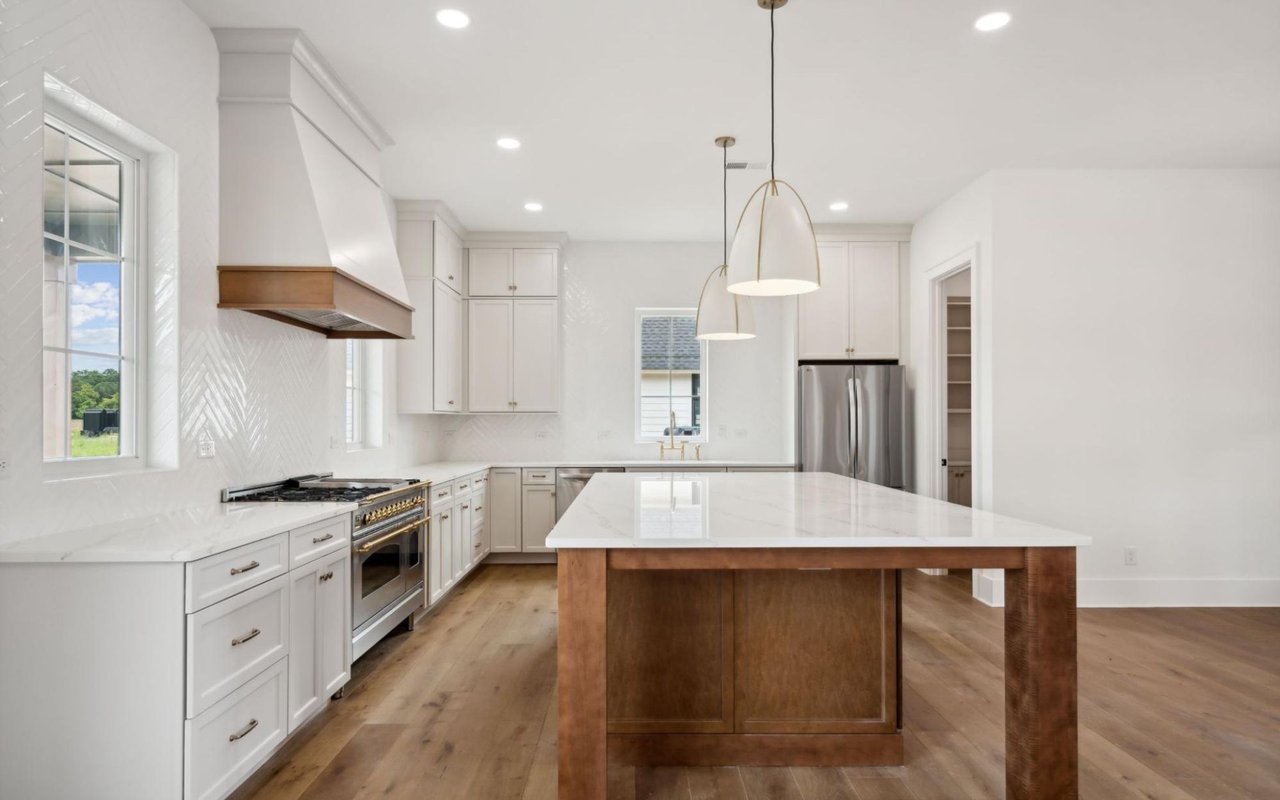
What Makes a Home Feel “Move-In Ready” 🏡✨
A buyer-friendly, seller-smart guide to the upgrades that actually matter
Introduction: “Move-In Ready” Is a Feeling (Not Just a Checklist)
In real estate, “move-in ready” is one of those phrases people love. You see it in listings all the time. Still, buyers don’t just mean “the house is standing and the lights work.” They mean something deeper.
To most buyers, move-in ready means this: “I can live here right away without stress.”
That stress can come from repairs, cleaning, surprise costs, or even just a home that feels poorly maintained.
Because of that, move-in ready homes often get more attention. They also tend to get stronger offers. Even better, they usually bring fewer negotiation issues later.
From my experience helping buyers and sellers across the Eastside of Cincinnati, the homes that “feel ready” win more often. Condition matters, of course. However, the presentation matters too. When the two match, buyers relax. And when buyers relax, they commit. 😊
Market Context: Why “Easy” Is a Huge Advantage Right Now
Most buyers today are balancing a lot. Budgets feel tighter. Schedules are packed. Lending rules can be strict. Meanwhile, home ownership costs don’t stop at the closing table.
So, even when buyers like a home, they may hesitate if it feels like extra work. For example, a buyer might love the layout. Yet, if the home needs paint, flooring, and repairs, the deal can feel risky.
According to the National Association of Realtors, buyer decisions are strongly influenced by a home’s condition and presentation. That includes cleaning, repairs, and overall readiness.
👉 https://www.nar.realtor/research-and-statistics
Also, affordability trends continue to shape buyer choices. Freddie Mac posts helpful market research that shows why buyers are more cost-conscious now than they were a few years ago.
👉 https://www.freddiemac.com/research
Because of these factors, homes that require less upfront work often attract more confident buyers.
Key Trends + Data: What Buyers Notice First 📊
Buyers notice details faster than most sellers expect. In fact, many buyers decide how they feel within the first few minutes.
Here are a few trends that keep showing up:
-
Neutral spaces feel safer
-
Clean homes feel cared for
-
Simple updates often beat big remodels
-
Maintenance wins over flashy style
In other words, buyers don’t just buy a house. They buy the story the house tells.
If the story is “this home has been maintained,” they lean in.
If the story is “this might be expensive later,” they pull back.
That’s why move-in ready is not only about upgrades. It’s also about eliminating doubt.
Buyer and Seller Motivations: Different Goals, Same Answer
Buyers and sellers often want different things. However, move-in ready homes satisfy both.
Buyers want:
-
Less surprise
-
Fewer projects
-
Clear value
-
A smoother path to closing
Sellers want:
-
More showings
-
Better offers
-
Fewer repair requests
-
A faster sale
Fortunately, preparation helps everyone. When a home shows well and feels ready, buyers don’t feel the need to “protect themselves” as much. As a result, negotiations tend to feel easier.
What Makes a Home Feel Move-In Ready? (The Big Signals) ✅
Move-in ready does not require perfection. Instead, it requires confidence. Here are the biggest things that create that confidence.
1. Cleanliness That Feels “New” 🧼
This is the simplest truth: a clean home sells better.
Deep cleaning is not glamorous. Still, it’s powerful.
Buyers notice:
-
Dust on baseboards
-
Smudges on doors
-
Soap scum in showers
-
Stains in sinks
-
Pet odors in carpets
Because of that, professional cleaning is often one of the best returns on investment. It also helps buyers focus on the home, not distractions.
Tip: If you only do one thing, start with a deep clean. Then maintain it until closing.
2. Fresh Paint in Calm Colors 🎨
Paint is one of the fastest ways to make a home feel updated. Even when the home is older, fresh paint can create a crisp, cared-for feel.
Neutral colors work best because they:
-
Brighten rooms
-
Photograph well
-
Appeal to more buyers
-
Help buyers imagine their furniture
Also, touch-ups matter. Scuffed walls send the wrong message, even if the home is solid.
3. Flooring That Feels Fresh Underfoot
Flooring is emotional. That sounds funny, but it’s true.
Worn carpet, scratched hardwoods, or mismatched flooring can make buyers think, “What else is wrong?”
On the other hand, clean and consistent floors create comfort.
Options that help:
-
Professional carpet cleaning
-
Re-stretching loose carpet
-
Refinishing hardwood floors
-
Replacing damaged vinyl
You don’t always need brand-new flooring. However, it should feel clean and solid.
4. Kitchens That Feel Functional (Not Fancy) 🍽️
Buyers love kitchens. Yet, they don’t always need luxury.
A kitchen feels move-in ready when:
-
Cabinets open smoothly
-
Appliances work
-
Countertops are clean
-
Lighting is bright
-
The sink and faucet look cared for
Even minor improvements can help. For example, a modern faucet, fresh hardware, or updated light fixture can make a big difference.
Also, clear counters matter. Clutter makes a kitchen feel smaller and less functional.
5. Bathrooms That Feel Clean and Simple 🚿
Bathrooms are another “trust” room. If a bathroom looks neglected, buyers worry.
Simple improvements:
-
Re-caulking tubs and showers
-
Replacing old shower heads
-
Fixing running toilets
-
Updating mirrors or lights
-
Keeping grout clean
Because bathrooms are personal spaces, they must feel fresh. If they don’t, buyers hesitate.
6. Repairs That Remove Doubt 🔧
Move-in ready is often about removing “mental noise.”
Small repair issues can feel big to buyers. That includes:
-
Sticky doors
-
Loose railings
-
Leaky faucets
-
Missing outlet covers
-
Cracked switch plates
-
Broken blinds
Individually, these are small. Together, they create a “project vibe.”
So, before listing, handle the easy fixes. Buyers will notice the care.
7. Lighting That Makes Rooms Feel Happy 💡
Dark homes feel smaller. Bright homes feel welcoming.
Quick lighting wins:
-
Replace burned-out bulbs
-
Use matching color temperature bulbs
-
Open blinds and curtains
-
Clean windows
-
Add lamps in dim corners
Because buyers often tour multiple homes in one day, brightness helps your home stand out.
8. Curb Appeal That Feels Inviting 🌳
A buyer’s first impression starts outside. If the outside feels messy, buyers walk in with doubt.
According to Realtor.com, curb appeal can strongly affect buyer interest and perceived value.
👉 https://www.realtor.com/advice/sell/curb-appeal/
Simple curb appeal boosts:
-
Trim bushes
-
Edge mulch beds
-
Wash the front door area
-
Replace a worn doormat
-
Add a seasonal plant or two
-
Touch up peeling paint
These changes are small. However, they can change the entire mood.
Lifestyle Drivers: Why the “Feel” Matters So Much
Buying a home is not just math. It’s lifestyle.
Buyers picture:
-
Morning coffee
-
Kids coming home from school
-
Hosting friends
-
Relaxing on the couch
-
Holidays and birthdays
If a home feels ready, that picture is easy to imagine.
If a home feels like work, that picture becomes stressful.
That’s why staging works, even in small doses. It creates flow and comfort.
The goal is not to “decorate.” The goal is to help buyers see themselves living there.
Local Insight: Eastside Cincinnati Buyer Expectations 📍
In the Eastside of Cincinnati—Milford, Loveland, Anderson Township, Batavia, and nearby areas—buyers often want homes that are clean, cared for, and priced correctly.
Many buyers are local movers. Because of that, they know what typical maintenance looks like. They also compare your home to others quickly.
So, a home that shows pride of ownership often sells faster. Meanwhile, a home with visible deferred care can struggle, even if it has good bones.
This is where strategy matters. The “right prep” depends on the neighborhood, the price range, and buyer demand in that moment.
Financial + Lending Considerations 💰
Move-in ready also connects to financing.
Some loans have property standards. If a home has peeling paint, safety hazards, or major issues, it can create delays. In some cases, it can stop a deal.
The Consumer Financial Protection Bureau has helpful homebuying resources, including guidance on mortgages and costs.
👉 https://www.consumerfinance.gov/owning-a-home/
Because lending can be strict, fewer issues often means a smoother closing.
Also, buyers are already paying:
-
Down payment
-
Closing costs
-
Movers
-
Furniture
-
Utility setup
So, when they see repair costs on top of that, they may back away.
Home Search Tips for Buyers: How to Spot True “Move-In Ready” 🔍
If you’re buying, here’s a smarter way to evaluate move-in readiness:
-
Ask the age of the roof, HVAC, and water heater
-
Look for signs of water damage
-
Check windows and doors for drafts
-
Notice odors and air quality
-
Watch how the home has been maintained
Cosmetics are easy. Systems are expensive.
So, don’t just fall for pretty paint. Look for real condition.
Professional REALTOR® Strategy Advice: How I Help Sellers Win
As a REALTOR® with Coldwell Banker Realty, I help sellers focus on the updates that create the biggest impact.
That usually means:
-
A prep plan that fits your timeline
-
High-ROI fixes first
-
Smart pricing based on the current market
-
Marketing that highlights the home’s strengths
Most importantly, I give honest feedback. I won’t tell you to remodel your kitchen if it won’t pay off. Instead, I’ll help you do what buyers respond to.
For buyers, I help you spot value and avoid surprises. That way, you can buy with confidence.
📅 Want a simple plan for your home? Schedule a quick consultation here:
👉 https://tinyurl.com/Schedulea30MinuteCall
Conclusion: Move-In Ready Means Less Stress and More Confidence 🏠
Move-in ready is not about being perfect. It’s about being prepared.
When a home feels clean, bright, and well maintained, buyers feel safe. Because of that, they act faster and negotiate less.
If you’re selling, the goal is simple: remove doubt and increase comfort.
If you’re buying, focus on true condition, not just style.
Either way, the right strategy makes the process easier—and often more profitable.
Call to Action: Let’s Talk About Your Next Move 📲
Mike McEntush, REALTOR® | Coldwell Banker Realty
📅 Schedule a consultation here:
👉 https://tinyurl.com/Schedulea30MinuteCall
📖 Subscribe to my blog for Eastside Cincinnati market tips and real-world advice:
👉 https://mikemcentush.sites.cbmoxi.com/cincinnati-real-estate-blog-tips-news
#realestate, #homesforsale, #realtor, #realestateagent, #homebuying, #homeselling, #housingmarket, #openhouse, #dreamhome, #cincinnatirealestate, #ohiorealestate, #coldwellbanker, #movineready, #firsttimehomebuyer, #realestatetips
The Role of Emotion in Home Selling
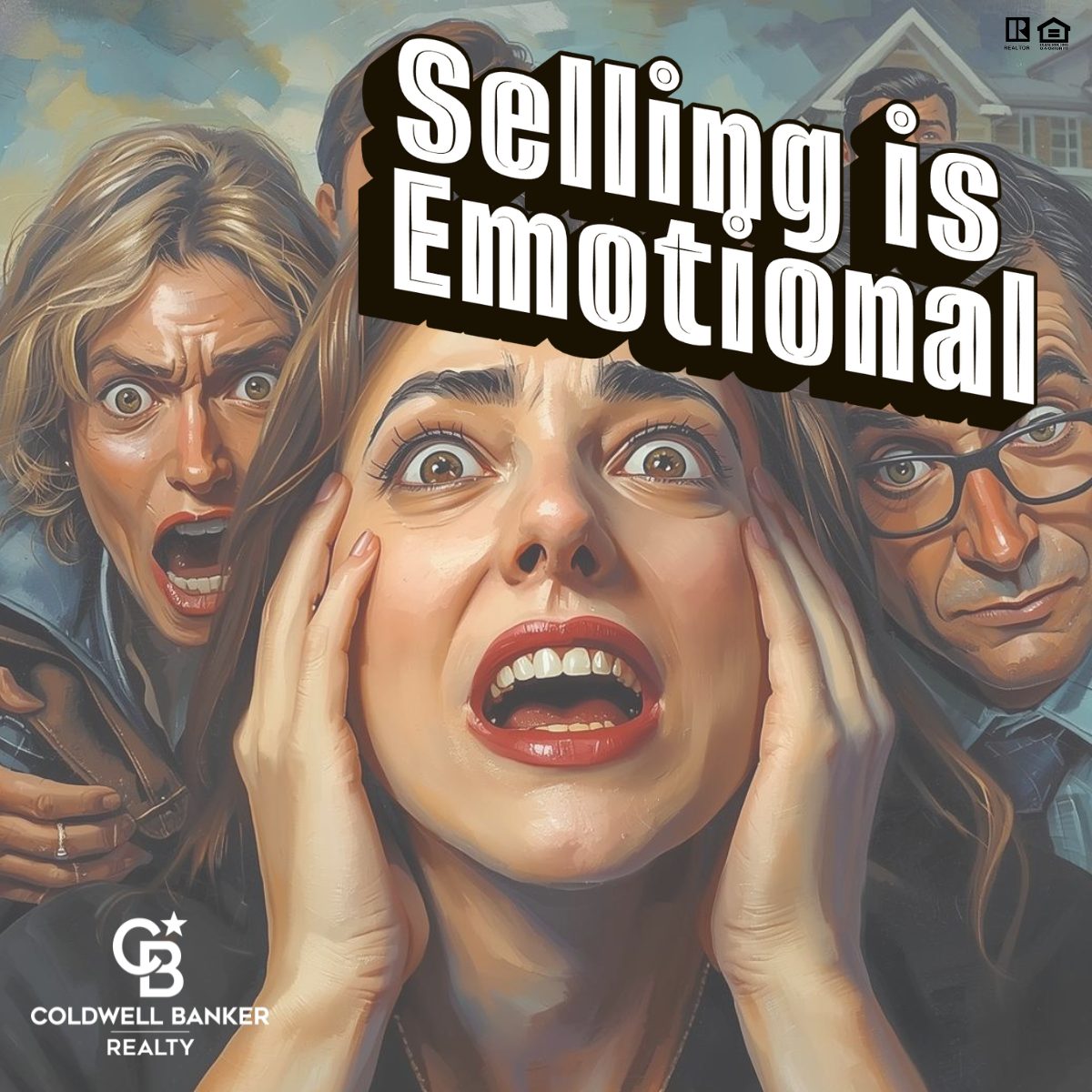
The Role of Emotion in Home Selling 🏡❤️
Introduction: Selling a Home Is Personal 🏠
Selling a home is rarely just about money.
Instead, it is about memories, milestones, and moments that matter.
For many homeowners, a house represents years of life. It’s where children grew up, holidays were celebrated, and routines were built. Because of that, emotion naturally becomes part of the selling process.
However, emotion does not have to be a problem. In fact, when handled correctly, it can be a powerful advantage. Sellers who understand emotions—both their own and the buyer’s—often sell faster and for better terms.
In this article, we’ll explore how emotion impacts home selling, why it matters in today’s market, and how to use it wisely to get results 😊.
Why Emotion Matters in Today’s Market 📊
Today’s real estate market moves quickly.
At the same time, buyers are overwhelmed with choices.
Because of this, emotion often becomes the deciding factor.
While buyers review prices, photos, and stats online, they still make decisions based on how a home feels. In many cases, they decide within minutes whether a home is “the one.”
Meanwhile, sellers face their own emotional pressures. Equity gains, interest rate changes, and life transitions all add stress. As a result, emotions can run high on both sides of the deal.
Therefore, understanding emotion is no longer optional. It is essential.
What the Data Tells Us About Emotion 📈
Although emotion sounds subjective, research proves its influence.
According to the National Association of Realtors, buyers rely heavily on first impressions. In addition, staged homes consistently sell faster and closer to list price.
Why does that matter?
Because staging helps buyers imagine their future.
Furthermore, pricing decisions often reflect emotion. Sellers may overprice due to attachment, while buyers may stretch budgets for a home that feels right.
In short, emotion drives action. Data simply supports it.
Seller Emotions: Pride, Attachment, and Stress 💭
For sellers, emotion often shows up in subtle ways.
Many homeowners feel proud of their home. That pride is earned. However, it can make feedback difficult to hear.
At the same time, memories create attachment. Because of this, it can be hard to see the home objectively.
Additionally, stress plays a role. Deadlines, showings, and negotiations all create pressure.
That said, awareness is the key. When sellers acknowledge these feelings, they can separate emotion from strategy.
Buyer Emotions: Excitement and Vision ✨
Buyers approach homes very differently.
They are not buying the past. Instead, they are buying the future.
When buyers walk into a home, they imagine daily life. They picture mornings, gatherings, and routines. As a result, emotional connection often outweighs logic.
This is why clean, bright, and welcoming homes perform better. Buyers want to feel comfortable quickly.
Therefore, sellers who focus on buyer emotion create stronger demand.
Lifestyle Features That Trigger Emotion 🛋️🌿
Emotion is closely tied to lifestyle. Certain features consistently connect with buyers.
For example:
-
Open kitchens encourage gathering 🍳
-
Natural light creates warmth ☀️
-
Outdoor spaces suggest relaxation 🌳
-
Primary suites offer calm and privacy 😌
Even small details matter. Neutral colors, soft lighting, and uncluttered rooms help buyers focus on possibility.
Ultimately, buyers are not buying features. They are buying how those features make them feel.
Local Insight: Emotion in the Cincinnati Market 🏙️
Here in Greater Cincinnati, emotion plays an even bigger role.
Many buyers value community, schools, and neighborhood identity. In addition, sellers often have deep roots in their homes.
Because of that, emotional attachment is common. However, successful sales still require balance.
When local market data meets emotional awareness, sellers gain clarity. That combination leads to smarter pricing and smoother negotiations.
Financial Decisions Are Emotional Too 💰
Money may seem logical. Yet emotions often influence financial decisions.
Buyers may fear missing out. Sellers may fear leaving money on the table.
During negotiations, these emotions intensify. Inspection results, appraisal gaps, and repair requests can feel personal.
This is where professional guidance matters most. Clear explanations and steady advice help keep emotions in check.
For current mortgage trends, Freddie Mac provides helpful insights here: https://www.freddiemac.com/pmms
Tips for Sellers to Manage Emotion 🧠
Selling successfully requires both heart and strategy.
Here are a few proven tips:
-
First, mentally prepare before listing
-
Next, view your home as a product
-
Then, focus on buyer experience
-
Finally, trust market-driven pricing
By following these steps, emotion becomes a guide—not a barrier.
REALTOR® Strategy: Turning Emotion into Results 🎯
This is where experience truly makes a difference.
As a REALTOR®, my role goes far beyond listing a home. I help sellers stay focused, confident, and informed.
At Coldwell Banker Realty, we blend local expertise, market data, and human insight. That balance leads to stronger offers and smoother closings.
In addition, resources like the National Association of Realtors (https://www.nar.realtor) reinforce how emotion shapes buyer behavior nationwide.
Final Thoughts: Emotion Is Power When Used Right 🔑
Emotion will always be part of home selling. That’s not a weakness. It’s a reality.
When sellers understand emotion—and work with a professional who does too—they gain control. As a result, decisions become clearer and outcomes improve.
Ready to Talk About Selling? Let’s Connect 📞
If you’re thinking about selling, I’d be honored to help.
👉 Mike McEntush, REALTOR® | Coldwell Banker Realty
📅 Schedule your consultation: https://tinyurl.com/Schedulea30MinuteCall
📰 Subscribe to my blog for weekly insights:
https://mikemcentush.sites.cbmoxi.com/cincinnati-real-estate-blog-tips-news
You deserve a strategy that respects both your emotions and your equity 😊
#RealEstate, #HomeSelling, #CincinnatiRealEstate, #SellYourHome, #HomeSellerTips, #ColdwellBanker, #MikeSellsCincyHomes, #RealEstateAdvice, #HousingMarket, #ListingStrategy
