For Sellers April 1, 2026

Why Most Home Sellers Underestimate Their Prep Timeline — And Pay for It Later 🏡⏰

“I’ll Be Ready in Two Weeks” — Famous Last Words 😬

It happens all the time. A homeowner calls and says, “Mike, I want to list in two weeks. We just need to clean up a little.” Two weeks later, we’re nowhere near ready — and the stress is through the roof.

Here’s the truth: most sellers dramatically underestimate how long it actually takes to prepare a home for the market. According to Zillow’s research, the average seller spends three to five months preparing before their home hits the market. That’s not three to five weeks. Months. Yet nearly every seller I work with assumes two to four weeks is plenty of time.

So why does this gap exist? More importantly, what can you do about it? Let’s break it all down — because your prep timeline directly impacts your sale price, your days on market, and your entire selling experience.


Why This Matters More Than Ever in Today’s Market 📊

The Cincinnati real estate market — especially on the East Side in communities like Milford, Loveland, Anderson Township, Amelia, and Batavia — has remained competitive heading into 2026. However, buyers are more discerning than they were a few years ago.

During the frenzy of 2021 and 2022, a dusty, outdated home could still attract multiple offers. Those days are mostly gone. Today, buyers have more choices. Consequently, they’re comparing your home against professionally staged, well-photographed listings. If your house looks rushed online, buyers will scroll right past it — even if the bones are great.

Furthermore, interest rates hovering in the mid-to-upper 6% range have tightened buyer budgets. As a result, they’re spending that money more carefully. They want a home that feels move-in ready — or at least close to it. A rushed prep job sends exactly the wrong signal.


The Real Timeline: What Actually Has to Happen 🗓️

Most sellers think of prep as cleaning and maybe painting one room. The actual list is much longer — and every item takes real time.

Weeks 1–2: Declutter and Deep Assessment

Before anything else, you need to see your home through a buyer’s eyes. Closets need to look spacious, not stuffed. Garage floors should be visible. Additionally, this is when you’ll start identifying what needs to be repaired or updated. Most sellers are genuinely surprised by how much surfaces during this phase.

Weeks 3–4: Repairs and Contractor Work 🔨

Finding a reliable contractor isn’t as simple as a phone call anymore. Good contractors are booked out two to four weeks in advance. Simple projects — patching drywall, fixing a leaky faucet, replacing dated light fixtures, or touching up trim — take longer than expected once you factor in scheduling and material delays. Therefore, lining up contractors early is critical.

Weeks 5–6: Paint, Flooring, and Cosmetic Updates 🎨

Fresh paint is consistently one of the highest ROI improvements a seller can make. According to the National Association of Realtors®, a fresh coat of neutral paint ranks among the top five projects that generate the best return before listing. Painting an entire interior takes several days of work plus dry time. Similarly, refinishing hardwood floors or replacing carpet requires additional cure time — days when no one can even walk through the home.

Weeks 7–8: Staging, Photography, and Final Prep 📸

Professional staging makes a measurable difference in how quickly a home sells. After staging is complete, professional photography and video need to be scheduled. Great listing photos aren’t a luxury anymore — they’re a requirement. All of this takes time to coordinate, especially around contractor schedules and your daily life.


What Sellers Are Really Motivated By — And How That Backfires 💡

Most sellers want two things: sell fast and make as much money as possible. Totally reasonable goals. Unfortunately, rushing the prep timeline often works against both of them.

The “Stale Listing” Problem

When a home hits the market before it’s truly ready, buyers sense it immediately. Price reductions become more likely. Days on market creep up. Once a listing sits for 30, 45, or 60+ days, buyers start asking what’s wrong with it. At that point, you’ve already lost leverage — and that’s a hard position to recover from.

The Payoff of Patience

On the flip side, sellers who invest six to eight weeks of intentional prep consistently see better outcomes. Their homes sell faster. They also sell for more money. It’s not magic. It’s strategy — and it works every time.


What Buyers in Milford, Loveland, and Anderson Township Are Looking For 🔍

Understanding buyer expectations in our local market helps sellers prioritize where to spend their time and money. Buyers searching in Clermont County and the East Side of Cincinnati are typically looking for updated kitchens and bathrooms, clean and neutral finishes, functional outdoor spaces, and solid mechanical systems.

Notably, buyers will walk through a home that hasn’t been fully remodeled. However, they’ll factor every deferred maintenance item into their offer price. Therefore, even small improvements can yield outsized returns when it comes to the final negotiation.

Want to see what homes are selling for in your neighborhood right now? Check out my Cincinnati Real Estate Blog for current market updates and local insights.


The Financial Math Behind a Good Prep Timeline 💰

Here’s something most sellers overlook: carrying costs. Every extra week your home sits unsold has a real dollar cost. Mortgage payments, utilities, insurance, and property taxes keep coming regardless.

Why Upfront Spending Saves You More Later

Realtor.com’s data consistently shows that homes listed in optimal condition sell faster and with fewer concessions. Fewer concessions means more money in your pocket at closing. Spending $5,000 to $10,000 on strategic prep often saves far more than that in price reductions and buyer credits later.

Get Your Numbers First

Before you spend a dollar on prep, know what your home is actually worth. Get a free, no-obligation home value estimate here 👉 https://tinyurl.com/2026HouseValue


Local Market Insight: East Side Cincinnati in 2026 🏘️

Communities like Milford, Loveland, Amelia, Batavia, and Anderson Township continue to attract buyers because of excellent schools, outdoor amenities, and solid value compared to other parts of the Cincinnati metro. That demand is real and ongoing.

More Inventory Means Higher Expectations

However, with more inventory available than in previous years, sellers no longer have the luxury of listing a mediocre product and expecting top dollar. Buyers have options now. Consequently, how you present your home matters more than it has in years.

The sellers who are winning right now treat their home sale like a business transaction — with a plan, a realistic timeline, and a clear strategy from day one.


A Smart Seller’s Prep Checklist ✅

If you’re thinking about selling in the next three to six months, start here:

  • Get a pre-listing consultation with a local REALTOR® who knows your neighborhood’s buyer expectations
  • Walk your home with fresh eyes — or ask a trusted friend to do it honestly
  • Build a priority list of repairs versus cosmetic improvements
  • Set a realistic prep budget and stick to it
  • Build in buffer time — contractors get delayed, products get backordered
  • Never skip professional photography — it’s one of the best investments you’ll make before listing

My Advice as a REALTOR® Who Works This Market Every Day 🎯

Sellers who call me three to six months before they want to list consistently have the smoothest experience. They also walk away with the best outcomes. The ones who call two weeks before wanting to go live? We make it work, but it’s stressful — and it almost always leaves money on the table.

The best move you can make right now, even if listing is months away, is starting the conversation. Together, we’ll build a realistic timeline, identify your highest-leverage prep priorities, and create a strategy that gets you the best possible result when your home hits the market.


Let’s Talk Before You Start Prepping 📞

You don’t have to figure this out alone. Helping East Side Cincinnati sellers build a smart, realistic prep strategy is exactly what I do — so you’re never scrambling at the last minute or leaving money behind.

👉 Schedule a free 30-minute call: https://tinyurl.com/Schedulea30MinuteCall

👉 Get your free home value estimate: https://tinyurl.com/2026HouseValue

👉 Subscribe to the blog for weekly market insights and seller tips: https://mikemcentush.sites.cbmoxi.com/cincinnati-real-estate-blog-tips-news

#realestate, #homeselling, #cincinnatirealestate, #sellingyourhome, #homesellingtips, #listingagent, #realestateadvice, #homepreplist, #eastcincinnati, #milfordohio, #lovelandohio, #andersontownship, #homeprep, #sellersmarket, #realestatemarket, #homeseller, #realtorlife, #coldwellbanker, #listingprep, #realestatetips, #housingmarket, #moveupbuyer, #realtoradvice, #clermontcounty, #cincyrealestate


For Sellers March 3, 2026

Why Sellers Panic After Week 1 (And Why You Probably Shouldn’t) 🏡😅

The first week your home hits the market feels huge. Photos go live. Showings start. Notifications pop up. You check your phone constantly.

Then, if no offer appears by day seven, anxiety creeps in.

I’ve seen it time and time again in the Cincinnati real estate market. Sellers begin wondering if they over-priced. They start questioning condition. Some even want a price drop before enough data comes in.

However, week-one panic is usually emotional, not strategic. And understanding what’s truly happening can protect your equity.


Why This Matters in Today’s Housing Market 📊

Real estate cycles change.

During the ultra-low rate era of 2020–2022, many homes sold in days. As a result, sellers developed an expectation that immediate offers were normal.

Today, buyer behavior looks different. According to the National Association of Realtors, average days on market fluctuate based on interest rates, inventory, and affordability. You can review their latest housing data here: https://www.nar.realtor/research-and-statistics

Meanwhile, weekly mortgage trends from Freddie Mac show how even small rate shifts influence buyer confidence: https://www.freddiemac.com/pmms

Because financing drives purchasing power, demand adjusts quickly when rates move. Therefore, week one rarely tells the full story anymore.


What the First Seven Days Are Actually For 📈

The first week is about exposure and information gathering.

Your listing syndicates across the MLS. It flows to platforms like Zillow (https://www.zillow.com/research/) and Realtor.com (https://www.realtor.com/research/). Buyers save it. Agents schedule tours. Comparisons begin.

However, comparison shopping takes time.

Buyers often want to see three to five homes before writing. Additionally, many wait through the first weekend to evaluate options. Consequently, silence does not equal rejection. It simply means the market is processing.


Why Sellers Emotionally Spiral 😬

Selling a home is personal.

After deep cleaning, staging, and preparing, you want validation. When that validation does not show up in the form of an offer, doubt creeps in.

Silence feels like criticism. In reality, it’s usually math.

Buyers are reviewing monthly payments. They are analyzing taxes and insurance. They may also be waiting for competing listings to hit the market. Furthermore, some buyers strategically wait to see if a price adjustment occurs.

That behavior reflects strategy, not dislike.


The Four Most Common Week-One Issues

Let’s shift from emotion to data.

1️⃣ Pricing Position

Price drives traffic, and traffic drives offers.

Even a 3–5% pricing gap can reduce urgency. Buyers today are payment-sensitive. Therefore, small overpricing can stall momentum quickly.

When showings occur but offers do not, that often signals price alignment, not marketing failure.

2️⃣ Competition

Inventory shapes leverage.

If two similar homes list simultaneously, buyers compare condition, updates, and layout. Naturally, the best positioned property attracts the first contract.

That does not mean your home will not sell. Instead, it means positioning matters.

3️⃣ Condition vs. Expectation

Online photography raises perceived value. Once buyers walk in, they compare finishes, flooring, and mechanical systems.

If updates feel dated relative to price, hesitation increases. Consequently, feedback such as “We loved it, but…” typically reflects cost calculations.

4️⃣ Financing Sensitivity 💰

Higher mortgage rates influence behavior. You can track historical trends directly through Freddie Mac’s Primary Mortgage Market Survey here: https://www.freddiemac.com/pmms

As payments rise, buyers become cautious. Because affordability matters more than ever, value perception becomes critical.


Local Cincinnati Market Insight 🌆

National headlines grab attention. Local data drives decisions.

Here in Greater Cincinnati, entry-level homes often move quickly. Conversely, mid-to-upper price ranges may require 2–4 weeks for the right buyer to emerge.

Season also plays a role. Spring markets accelerate movement. Late summer and winter slow pacing slightly.

For more local insight, you can explore my Cincinnati market updates here:
👉 https://mikemcentush.sites.cbmoxi.com/cincinnati-real-estate-blog-tips-news

Hyper-local strategy always beats generalized fear.


The Data I Review After Week One 📊

Instead of reacting emotionally, I analyze three things:

• Showing volume
• Online saves and engagement
• Feedback patterns

If traffic is strong but offers are absent, price adjustment may be strategic.
If traffic is weak, exposure or price alignment may need refinement.

However, immediate price cuts without enough data can backfire. Sudden reductions may signal desperation rather than value. Timing and positioning must work together.


When a Price Adjustment Makes Sense

Price reductions are not failures. They are tools.

If comparable homes are going under contract at lower numbers, and feedback consistently mentions price, a calculated repositioning within 14–21 days can reignite urgency.

Waiting too long, on the other hand, risks staleness. Buyers begin asking, “What’s wrong with it?”

Strategic adjustments protect momentum.


Popular Features That Still Drive Faster Sales 🏠✨

Buyer preferences continue evolving.

Move-in-ready condition remains powerful. Neutral paint, updated kitchens, and flexible office space attract attention quickly. Additionally, outdoor living areas resonate strongly in today’s lifestyle-driven market.

Because buyers value convenience, turnkey homes often win.


What I Tell My Sellers

The first week gives us information. The second week gives us direction.

Strong marketing includes professional photography, MLS exposure, digital targeting, and agent outreach. Once that exposure produces feedback, we refine.

Experience matters here. Real estate is not about reacting quickly. It is about responding wisely.


Financial Perspective Matters 🧠

Homes sell when three elements align:

  1. Price

  2. Condition

  3. Demand

If one is slightly off, activity slows. However, minor corrections typically restore alignment.

Panic, by contrast, leads to rushed decisions. Strategy preserves equity.


Let’s Build a Plan, Not React to Fear 📞

If you are thinking about selling, or if your home just hit the market and you are feeling uneasy, let’s talk through real data.

We will review competition. We will analyze pricing. We will create a plan that positions your property correctly from the start.

Schedule a consultation here:
👉 https://tinyurl.com/Schedulea30MinuteCall

And if you want ongoing market insights, subscribe here:
👉 https://mikemcentush.sites.cbmoxi.com/cincinnati-real-estate-blog-tips-news


Final Thoughts

Week one feels intense. That’s normal.

However, real estate is a process shaped by pricing strategy, buyer psychology, financing trends, and local inventory levels. Because those variables constantly shift, patience paired with data produces the best results.

Calm decisions create stronger outcomes.

#realestate, #homeselling, #cincinnatirealestate, #housingmarket, #realtorlife, #sellmyhome, #homevalues, #propertymarket, #realestatetips, #listingagent
For Sellers February 27, 2026

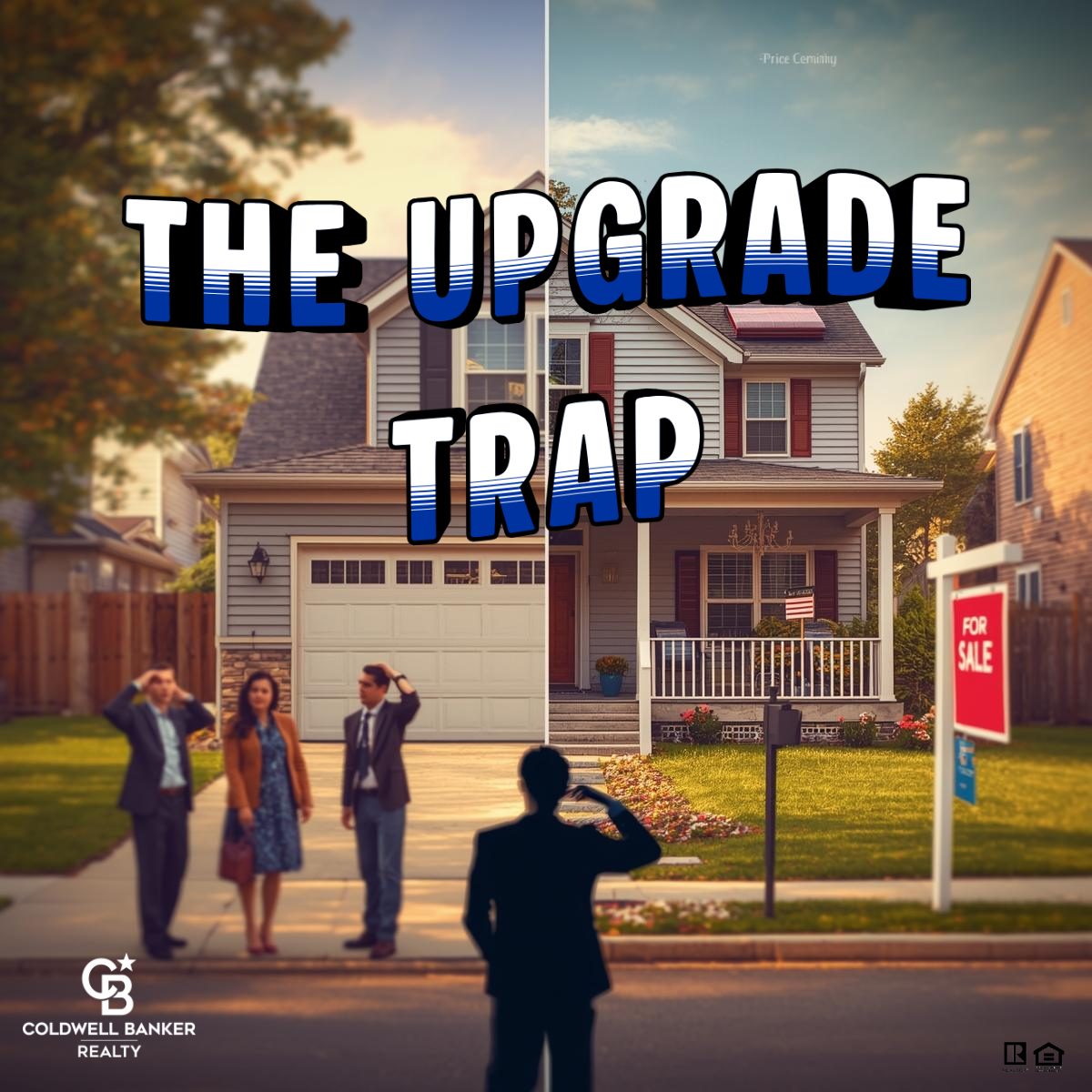
Why Over-Improving Your Home Can Hurt Resale Value 🏡💸

It feels good to upgrade your home.

New floors. A dream kitchen. Custom built-ins. Heated tile.

However, when it comes time to sell, not every upgrade pays you back. In fact, some improvements can limit your resale value.

As a full-time REALTOR® here in Greater Cincinnati, I see this happen often. Homeowners invest heavily. Yet buyers hesitate. Why? Because the upgrades do not match the neighborhood price range.

So let’s talk about it in simple terms.


Why This Matters in Today’s Market 📊

The housing market shifts constantly. Interest rates move. Inventory changes. Buyer demand rises and falls.

Because of that, pricing strategy matters more than ever.

According to the National Association of Realtors (https://www.nar.realtor/research-and-statistics), buyers focus on layout, condition, and price first. High-end custom upgrades rank much lower than most homeowners expect.

In addition, research from Zillow (https://www.zillow.com/research/) shows that many luxury remodels recover only part of their cost at resale.

That means the market sets value. Personal taste does not.


What Over-Improving Really Means 🛠️

Over-improving happens when your renovations push your home far above neighborhood standards.

For example:

  • Installing a $120,000 chef’s kitchen in a $350,000 subdivision

  • Adding imported marble and high-end fixtures in a starter home community

  • Converting a bedroom into a theater room where buyers need three bedrooms

Although these upgrades may look incredible, buyers compare your home to recent sales nearby.

If surrounding homes sell for less, you hit a ceiling.


The Neighborhood Ceiling Effect 🏘️

Every area has a price cap.

Buyers look at comparable sales. Appraisers do the same. Lenders rely on those appraisals.

According to the Federal Housing Finance Agency (https://www.fhfa.gov), appraisals must align with recent market data. Renovation receipts alone do not determine value.

Therefore, even a stunning remodel may not fully appraise. That can create financing problems.

As a result, fewer buyers qualify.

And fewer buyers means less competition.


What Actually Brings Strong ROI 📈

Now here is the good news. Some improvements do perform well.

The annual Cost vs. Value Report by Remodeling Magazine (https://www.remodeling.hw.net/cost-vs-value) consistently shows that moderate upgrades often outperform luxury remodels in percentage return.

Projects with strong resale value usually include:

  • Minor kitchen updates

  • Bathroom refreshes

  • Garage door replacement

  • Exterior paint

  • Landscaping improvements

In other words, clean and updated wins. Ultra-custom does not always.


Buyer Psychology Matters 🧠

Buyers want to picture themselves living in the home.

If finishes are too personal, that becomes harder.

Bold tile. Custom murals. Extreme color choices. Specialty rooms.

Instead of seeing value, buyers calculate what it will cost to change it.

On the other hand, neutral finishes feel safe. Light paint feels fresh. Functional space feels practical.

And practicality sells.


Lifestyle vs. Resale 🏠

Before starting a big renovation, ask one simple question:

Is this for me, or for resale?

If you plan to stay 15 years, enjoyment may matter more than ROI.

However, if you might sell within five years, strategy becomes critical.

In that case, balanced upgrades protect equity.


Local Cincinnati Market Insight 📍

Here in Clermont County and the Cincinnati East Side, price bands matter.

Homes in certain ranges attract heavy traffic. Yet once a property jumps well above comparable sales, activity slows.

Buyers are smart. They compare price per square foot. They analyze condition. They study recent closings.

Because of that, over-improving can shrink your buyer pool.

If you want to see where your home fits today, grab a quick estimate here:
👉 https://tinyurl.com/OurHomeEstimate

Knowing your position helps guide renovation decisions.


Financial Considerations 💰

Renovations cost real money.

Some homeowners use savings. Others tap home equity. Some refinance.

However, borrowing costs affect total return.

Additionally, tying up capital in upgrades may limit flexibility later.

Instead, focus on improvements that:

  • Match neighborhood standards

  • Improve functionality

  • Increase energy efficiency

  • Appeal to broad buyer demand

Energy upgrades, for example, matter more than ever. The U.S. Department of Energy (https://www.energy.gov/energysaver/home-energy-assessments) highlights how efficiency reduces long-term costs. Buyers pay attention to monthly expenses.

Lower utility bills are attractive.


Smart Home Search Lessons 🔎

Every week, I walk through homes with buyers. Patterns become clear.

Homes priced correctly move quickly.

Homes aligned with neighborhood expectations create competition.

Properties that overshoot value tend to sit longer.

Longer days on market often lead to price reductions.

Momentum matters in real estate.

If you want ongoing insights into what is selling locally, check out the blog here:
👉 https://mikemcentush.sites.cbmoxi.com/cincinnati-real-estate-blog-tips-news

Staying informed helps you make better decisions.


Professional REALTOR® Strategy Advice 🧭

Before spending six figures on upgrades, talk with a local expert.

A smart consultation includes:

  • Comparative market analysis

  • Neighborhood ceiling evaluation

  • ROI guidance

  • Buyer demand trends

  • Timing strategy

That conversation can save you thousands.

Real estate is both emotional and financial. However, strategy protects equity.

If you are considering updates, selling, or simply planning ahead, let’s build a clear plan together.

📅 Schedule a 30-minute strategy call here:
👉 https://tinyurl.com/Schedulea30MinuteCall

📬 Subscribe for weekly Cincinnati market insights here:
👉 https://mikemcentush.sites.cbmoxi.com/cincinnati-real-estate-blog-tips-news

#realestate, #homeselling, #homevalue, #homeimprovement, #cincinnatirealestate, #ClermontCountyHomes, #housingmarket, #realestatetips, #REALTORlife, #equity

For BuyersFor Sellers February 20, 2026

What Agents Wish Clients Understood Sooner 🏡

Buying or selling a home feels simple at first. You find a house. You make an offer. You move in.

However, the real estate process is rarely that basic.

Behind every smooth closing is strategy. Behind every frustrating experience is usually a misunderstanding about pricing, timing, or expectations.

After years of helping buyers and sellers across Cincinnati’s East Side, I can tell you this with confidence: most stress comes from things people wish they had understood earlier.

Let’s walk through them.


Why This Matters in Today’s Market 📊

The housing market is not static. It shifts. It reacts to interest rates. It responds to inventory levels. It changes with the seasons.

For example, when inventory is low, buyers compete. When listings rise, sellers must price carefully. Meanwhile, mortgage rates influence affordability almost overnight.

According to the National Association of Realtors (https://www.nar.realtor), inventory levels remain tight in many areas. At the same time, Freddie Mac shows that mortgage rates continue to fluctuate (https://www.freddiemac.com/pmms).

Because of these moving parts, strategy matters more than emotion.


1. Pricing Is a Strategy, Not a Feeling 💰

Many sellers believe their home is worth more because of upgrades or memories. That is understandable. Still, buyers do not pay based on sentiment.

Instead, they compare your home to recent comparable sales.

A strong Comparative Market Analysis (CMA) looks at:

  • Recent sold homes

  • Active competition

  • Days on market

  • Price per square foot

If a property is overpriced, it sits. When it sits, buyers gain leverage. Eventually, price reductions follow.

On the other hand, pricing correctly from day one often creates urgency. As a result, showings increase. In some cases, multiple offers appear.

In real estate, the first two weeks are critical.


2. Buyers Should Prepare Before They Fall in Love 🗝️

Scrolling listings online is easy. Falling in love with the wrong house is even easier.

Before touring homes, buyers should:

  • Get fully pre-approved

  • Review estimated monthly payments

  • Understand closing costs

  • Know their comfort range

Pre-qualification is not the same as pre-approval. Lenders verify income, debt, and credit during full approval. That step gives buyers strength in competitive markets.

Furthermore, clarity prevents regret.

When you know your limits, you make confident decisions.


3. Days on Market Tell the Real Story ⏳

List price attracts attention. Days on market reveal reality.

If a home just hit the market, expect competition. In contrast, if a property has been active for 60+ days, buyers often gain negotiating power.

Timing changes leverage.

Sellers should understand that early momentum drives results. Buyers should understand that hesitation on new listings often costs opportunities.


4. Inspections Protect You — They Don’t Reset the Deal 🔍

Home inspections are vital. They protect buyers from major risk.

However, inspections are not designed to renegotiate every small issue.

Every home has wear and tear. What matters most are structural, safety, and mechanical concerns.

A strong Realtor® helps clients separate maintenance items from serious problems. That perspective keeps deals intact and protects equity.


5. Interest Rates Matter — But So Does Price 📈

When rates rise, buyers sometimes pause. That reaction is natural. Still, waiting for perfect rates can backfire.

Here’s why.

A 1% rate change affects monthly payments. However, a $20,000 price increase affects long-term equity and resale value.

You can refinance a mortgage rate later. You cannot refinance the purchase price.

For updated rate trends, visit Freddie Mac’s weekly report: https://www.freddiemac.com/pmms

In many cases, buying strategically matters more than timing the exact rate.


6. Real Estate Is Emotional — But Math Wins ❤️

Homes represent stability. They represent family. They represent memories.

Because of that, emotions run high.

Sellers sometimes reject strong offers because they hoped for more. Buyers sometimes stretch beyond comfort because they fall in love.

Meanwhile, the best outcomes happen when emotion and data work together.

Strategy protects long-term wealth.


7. Preparation Increases Profit 🧹

Presentation matters more than most people realize.

Decluttering, minor repairs, professional photography, and staging often lead to stronger offers.

According to NAR research, nearly all buyers start their search online. That means first impressions happen digitally.

If photos disappoint, buyers never schedule a showing.

Clean presentation builds trust. Trust creates demand.


8. Local Insight Beats National Headlines 🏘️

National news creates noise. Local data creates clarity.

Cincinnati neighborhoods behave differently. For example, Milford does not mirror Anderson Township. Loveland moves differently than Pierce Township.

School districts, property taxes, and local inventory levels all influence value.

Hyper-local analysis matters more than broad headlines.

If you want ongoing local insights, explore my Cincinnati market updates here:
👉 https://mikemcentush.sites.cbmoxi.com/cincinnati-real-estate-blog-tips-news


9. Communication Impacts Results 📱

Strong transactions require fast communication.

When a desirable home hits the market, buyers may have hours, not days, to act.

Likewise, sellers must respond quickly to showing feedback and offer deadlines.

Clear communication reduces stress. Quick responses improve leverage.


10. Your Agent’s Network Makes a Difference 🤝

Behind every successful closing stands a strong team.

Experienced agents work closely with:

  • Trusted lenders

  • Reliable inspectors

  • Responsive title companies

  • Skilled contractors

Because relationships matter, problems get solved faster.

Experience reduces surprises.


Financial Realities Clients Often Miss 💵

Beyond price and rate, buyers and sellers should consider:

  • Property taxes

  • Insurance costs

  • HOA fees

  • Maintenance reserves

  • Long-term resale value

Real estate builds wealth over time through appreciation and amortization. However, smart planning accelerates that growth.

Every decision should align with both lifestyle and long-term financial goals.


Final Thoughts: Strategy Reduces Stress 🏡

Buying or selling a home is one of the largest financial decisions most people make.

The process feels smoother when expectations match reality.

When clients understand pricing, timing, financing, and negotiation dynamics early, confidence replaces stress.

Preparation beats pressure. Strategy beats guesswork.

If you are considering buying or selling in Cincinnati, let’s build a plan that works for you.

📅 Schedule a consultation here:
👉 https://tinyurl.com/Schedulea30MinuteCall

📬 Subscribe to my blog for weekly market updates:
👉 https://mikemcentush.sites.cbmoxi.com/cincinnati-real-estate-blog-tips-news

I’m Mike McEntush, REALTOR® with Coldwell Banker Realty. I study the Cincinnati market daily so you can make informed decisions with clarity.

Let’s talk strategy.

#realestate, #cincinnatirealestate, #homebuying, #homeselling, #housingmarket, #realtor, #propertyinvestment, #firsttimehomebuyer, #realestatetips, #coldwellbanker

. February 18, 2026

Why Days on the Market Matter More Than List Price 🏡📊

Most people focus on list price.
It feels logical.
After all, price is the number you see first.

However, in real estate, Days on Market (DOM) often tells you more than the asking price ever could.

If you are buying or selling in Cincinnati’s East Side — whether in Milford, Loveland, Anderson Township, Batavia, or Pierce Township — understanding DOM can give you a real advantage. In fact, it can shape negotiation power, buyer perception, and final sale price.

Let’s break it down in plain terms. 👇


What Days on Market Really Means

Days on Market measures how long a home has been actively listed before it goes pending.

At first glance, that sounds simple. Yet the meaning behind it runs deep.

A home listed for 4 days sends one message.
A home listed for 64 days sends a very different one.

According to the National Association of Realtors, homes that sell quickly tend to receive stronger offers and sell closer to asking price. You can review national housing trends directly at https://www.nar.realtor/research-and-statistics.

In contrast, homes that sit often experience price reductions. Over time, buyers begin to question value.

So while list price shows intention, DOM shows demand.

And demand drives everything. 🔥


Why This Matters in Today’s Market

Inventory in Cincinnati has improved compared to the ultra-tight pandemic years. However, supply still is not excessive. Because of that balance, pricing strategy matters more than ever.

Buyers today move fast.
They compare carefully.
They absolutely check Days on Market.

When a listing crosses certain time markers — 14 days, 30 days, 60 days — perception shifts.

Initially, buyers feel urgency.
Later, they feel leverage.

That psychological shift changes the entire negotiation dynamic.

For updated local insights, you can always follow my market breakdowns here:
👉 https://mikemcentush.sites.cbmoxi.com/cincinnati-real-estate-blog-tips-news


Data That Supports the Strategy 📈

Market research backs this up.

Realtor.com regularly publishes housing data showing that the first two weeks of a listing generate the highest online traffic and showing activity. You can explore current trends at https://www.realtor.com/research.

Additionally, Zillow reports that homes requiring price cuts often sell for less than properties priced correctly from day one. Their research library is available at https://www.zillow.com/research.

Why does that happen?

Because the first 7–14 days are peak exposure. During that window:

  • The listing appears “new”

  • Buyer alerts trigger instantly

  • Agents prioritize showings

  • Competition feels real

After that surge, momentum fades. Even if nothing is wrong, the listing feels older.

And once that happens, buyers negotiate differently.


Buyer and Seller Psychology 💡

Let’s look at motivation on both sides.

Buyers

Low DOM usually signals demand.
Higher DOM often signals opportunity.

Therefore, when a home sits, buyers assume flexibility. They expect negotiation room. Even if the property is solid, perception changes strategy.

Sellers

Many sellers believe testing the market with a higher price protects equity. However, that move can quietly reduce final proceeds.

Here’s what often happens:

  1. Showings come in slowly.

  2. Feedback points to price concerns.

  3. A reduction follows.

  4. Buyers wait for another drop.

  5. Final sale price lands below expectations.

Ironically, starting high can lead to selling lower.

Strategic pricing from day one protects momentum. And momentum protects value. 💰


Lifestyle Features That Influence Speed 🏡

In Milford, Loveland, and Anderson Township, homes that sell quickly often include:

  • Updated kitchens

  • Neutral paint

  • Open layouts

  • Finished basements

  • Functional home office space

  • Outdoor entertaining areas

When condition matches price, DOM stays low.

On the other hand, when updates lag behind market expectations, time increases.

Buyers compare everything. They review price per square foot. They study nearby sales. They analyze school districts and commute patterns.

Because of that, alignment between price and lifestyle value matters.


Local Market Insight: Cincinnati East Side

Homes under $350,000 in 45150 or 45140 often move quickly if priced well. Meanwhile, higher price ranges require sharper strategy due to smaller buyer pools.

I closely track:

  • Average Days on Market

  • Sale-to-list price ratios

  • Inventory levels

  • Absorption rates

If a property exceeds neighborhood average DOM, negotiating power shifts quickly.

For a custom value estimate in your neighborhood, start here:
👉 https://tinyurl.com/OurHomeEstimate

Context always matters more than a headline number.


Financial and Lending Factors 💵

Interest rates also influence DOM.

When rates dip, buyer urgency increases. Conversely, when rates rise, demand cools slightly. Mortgage data from Freddie Mac shows how rate movements impact housing activity. Their weekly updates are available at https://www.freddiemac.com/pmms.

Appraisers also notice listing history. Although value depends on comparable sales, extended market time can raise questions about marketability.

Therefore, timing, pricing, and presentation must work together.


Smart Tips for Buyers 🔎

If you are buying, do not fear higher DOM automatically. Instead:

  • Compare similar properties nearby

  • Ask about recent showing activity

  • Review seller disclosures carefully

  • Check for recent price adjustments

  • Understand seller motivation

Sometimes longer DOM equals opportunity. Other times it signals condition concerns.

Data plus context equals clarity.


Professional REALTOR® Strategy 🧠

Here is how I guide clients.

For Sellers

We analyze micro-market data first.
We price within a strong comparable range.
We create urgency early.
We monitor feedback closely.
We adjust quickly if needed.

Early adjustments protect momentum.

For Buyers

Stay pre-approved.
Move decisively on fresh listings.
Use DOM as leverage when appropriate.
Avoid emotional reactions.

Strong strategy always beats guesswork.

If you want to walk through your personal buying or selling plan, schedule a time here:
👉 https://tinyurl.com/Schedulea30MinuteCall


Why List Price Alone Can Mislead

List price reflects expectation.
Days on Market reflects reaction.

One shows what the seller hopes for.
The other shows how buyers respond.

In many cases, a home priced slightly under market that sells in 6 days nets more than one priced high that sells in 70 days.

Momentum builds competition.
Competition builds value.

That is why DOM often matters more than list price.


Final Takeaway + Next Step 🏡

If you are thinking about buying or selling in Cincinnati’s East Side, pay attention to Days on Market. It reveals leverage, urgency, and positioning.

Instead of asking only about price, ask how long the home has been available — and why.

That simple shift can protect thousands of dollars.

If you would like a personalized breakdown of your neighborhood trends, recent sales, and market timing strategy, I would be happy to help.

📅 Schedule your consultation here:
👉 https://tinyurl.com/Schedulea30MinuteCall

📬 Subscribe for weekly local insights and real estate strategy here:
👉 https://mikemcentush.sites.cbmoxi.com/cincinnati-real-estate-blog-tips-news

Smart decisions start with smart data. Let’s put it to work for you.

#CincinnatiRealEstate, #MilfordOhioHomes, #LovelandOhioRealEstate, #AndersonTownshipHomes, #BataviaOhioRealEstate, #PierceTownshipHomes, #DaysOnMarket, #HomeSellingTips, #HomeBuyingStrategy, #ColdwellBankerRealty

For Sellers February 16, 2026

What Buyers Notice in the First 10 Seconds

What Buyers Notice in the First 10 Seconds 👀🏡

When a buyer pulls up to a home, something powerful happens.

Within about ten seconds, an opinion forms. It is not a spreadsheet calculation. It is not a deep structural review. Instead, it is a gut reaction.

That first emotional response often shapes everything that follows.

After years of helping buyers and sellers across Cincinnati’s East Side, I can usually tell within moments whether a home is going to create momentum or resistance. As buyers step out of the car, they pause. They scan the exterior. They adjust their posture. Their reaction is subtle, yet it is incredibly telling.

So let’s break down what buyers truly notice in those first ten seconds, why it matters in today’s housing market, and how sellers can use that knowledge strategically. 🚀


Why the First 10 Seconds Matter More in Today’s Market

Today’s buyers are informed. At the same time, they are cautious.

Most begin their home search online long before scheduling a showing. In fact, the National Association of Realtors reports that the vast majority of buyers start their home search on the internet, which means first impressions often begin with photos and virtual tours.
👉 https://www.nar.realtor/research-and-statistics

Because of that early exposure, expectations form quickly. However, once buyers pull into the driveway, the digital experience becomes physical. Now they feel the street. They see neighboring homes. They sense the energy of the block.

If those first few seconds create doubt, buyers immediately start looking for reasons to negotiate. On the other hand, if the home creates excitement, they begin mentally moving in before they even cross the threshold.

Across Loveland, Milford, Anderson Township, and Batavia, that emotional shift can influence offers dramatically. In competitive markets, perception equals leverage.


Curb Appeal: The Silent Negotiator 🌿

Before buyers ever touch the front door, they evaluate the exterior.

They notice:

• Landscaping and lawn condition
• Driveway cracks or stains
• Paint and siding
• Roofline symmetry
• Front door presentation

Although these details seem minor, they communicate something important: maintenance habits.

Peeling paint suggests deferred upkeep. Overgrown shrubs reduce light and visibility. Meanwhile, fresh mulch and trimmed landscaping create confidence.

Because buyers associate exterior condition with interior care, curb appeal becomes a silent negotiator. If the outside looks sharp, the list price feels more justified.


The Emotional Power of Smell 👃

As soon as the door opens, scent registers.

Pet odor creates concern. Smoke triggers hesitation. Heavy air fresheners raise suspicion. Mustiness implies moisture issues.

Scent connects directly to memory and emotion. Therefore, it influences comfort instantly.

Professional cleaning before listing is not cosmetic. It is strategic positioning. A neutral, fresh scent builds subconscious trust.

In real estate, trust drives offers.


Light, Space, and Immediate Comfort ☀️

After scent, light becomes the next factor buyers process.

Bright spaces feel open. Dim spaces feel confined. Even identical square footage can feel different based on natural light alone.

Open blinds. Clean windows. Turn on every light before showings. Although those steps are simple, they dramatically shift perception.

Additionally, layout flow matters immediately.

If the entry opens naturally into living space, buyers relax. However, if they encounter awkward transitions or tight hallways, hesitation creeps in.

Interestingly, research from Freddie Mac highlights how remote work has reshaped buyer priorities, especially regarding flexible rooms and home office potential.
👉 https://www.freddiemac.com/research

Because buyers now think about work-from-home functionality, first impressions often include mental workspace mapping.


Buyer Psychology: Emotion Before Logic 🧠

Real estate decisions begin emotionally. Later, logic steps in to justify the choice.

Within seconds, buyers ask themselves:

Can I see my family here?
Does this feel safe?
Is this worth the investment?

If the home creates excitement early, buyers forgive small cosmetic flaws. Conversely, if doubt appears immediately, even minor imperfections feel amplified.

According to the National Association of Realtors staging research, well-presented homes tend to sell faster and for more money.
👉 https://www.nar.realtor/research-and-statistics/quick-real-estate-statistics

That data reinforces what experienced agents already know: preparation protects price.


Local Market Context: Cincinnati’s East Side

Inventory levels across Cincinnati have shifted recently. While more homes are coming to market, buyer demand remains strong in desirable neighborhoods.

When homes in Anderson Township or Loveland show beautifully from day one, they often generate strong weekend traffic. Meanwhile, properties that miss on presentation may linger.

Days on market shape perception. If a home sits too long, buyers assume something is wrong. As a result, negotiation pressure increases.

Therefore, maximizing the first ten seconds protects pricing power.

If you want to see where your home stands today, check your value here:
👉 https://tinyurl.com/OurHomeEstimate


Financial Awareness Happens Instantly 💰

Buyers do not wait until inspections to evaluate cost. They start calculating value immediately.

Fresh paint signals fewer expenses. Updated kitchens reduce mental renovation budgets. Clean mechanical systems build confidence.

However, outdated finishes create mental deductions.

At the same time, mortgage rates influence urgency. Many buyers track rate movements through Mortgage News Daily, a trusted industry resource.
👉 https://www.mortgagenewsdaily.com/

In addition, broader housing data from the Federal Reserve’s housing series helps explain long-term pricing and demand patterns.
👉 https://fred.stlouisfed.org/tags/series?t=housing

Because buyers feel rate pressure, homes that appear move-in ready create urgency.


Lifestyle Drivers Buyers Notice Quickly 🏡

Beyond condition, buyers immediately evaluate lifestyle fit.

They notice noise levels.
They assess privacy.
They evaluate yard usability.
They consider school proximity and commute flow.

Although these factors may not appear in listing photos, they register within seconds of arrival.

That is why location presentation matters just as much as interior staging.


Smart Home Selling Strategy 🎯

If you are preparing to list, start with this simple exercise.

Drive away from your home. Then return as if you were a buyer seeing it for the first time.

Pause. Observe. Feel.

What stands out first?

Often, small investments deliver strong returns:

• Power washing exterior surfaces
• Refreshing mulch beds
• Updating light fixtures
• Decluttering visible surfaces
• Neutralizing bold paint colors

Because buyers react emotionally, those visual upgrades carry financial weight.


Professional REALTOR® Advantage 🏆

Strategy matters.

Pricing, presentation, photography, timing, and negotiation positioning all work together. Preparation before listing creates leverage.

When I work with sellers across Milford, Batavia, Loveland, and Anderson Township, we do not simply list a home. Instead, we build a launch plan. We study comparable sales. We analyze absorption rates. We align price with demand.

Then, we maximize first impressions intentionally.

That approach protects equity and shortens days on market.


For Buyers Navigating the Market

Pay attention to your own reactions.

If excitement hits immediately, explore why. If hesitation creeps in, identify the source.

However, balance emotion with logic. Cosmetic issues can be fixed. Structural issues require deeper analysis.

Working with an experienced REALTOR® helps you separate perception from reality.


Final Thoughts

Those first ten seconds may feel small, yet they shape perception. Perception shapes negotiation. Negotiation shapes outcomes.

Curb appeal, scent, light, layout, and presentation work together to create emotional momentum. In Cincinnati’s competitive housing market, strong first impressions protect value.

If you are considering buying or selling on the East Side, let’s create a strategy before you make a move.

📅 Schedule a consultation here:
👉 https://tinyurl.com/Schedulea30MinuteCall

📩 Subscribe for local market insights and real estate strategy:
👉 https://mikemcentush.sites.cbmoxi.com/cincinnati-real-estate-blog-tips-news

I’m Mike McEntush, REALTOR® with Coldwell Banker Realty, helping buyers and sellers across Cincinnati move with clarity and confidence.

#realestate, #homebuying, #homeselling, #cincinnatirealestate, #eastsidecincinnati, #housingmarket, #curbappeal, #firstimpressions, #realestatemarketing, #movewithconfidence

For Sellers January 12, 2026

The Most Overlooked Home Selling Tips

The Most Overlooked Home Selling Tips That Can Quietly Cost You Thousands 🏡

Selling a home often sounds simple.
Put it on the market, wait for offers, and move on.

However, real life rarely works that way.
In today’s market, the homes that sell quickly and for top dollar usually do something different. They focus on details many sellers overlook.

These details are not major renovations or costly upgrades. Instead, they are small strategic moves that shape buyer perception. When used correctly, they can shorten time on market and increase your final sale price.

Because I work with sellers every day, I see the same missed opportunities again and again. Fortunately, once you understand what matters most, these mistakes are easy to avoid.

Let’s break down the most overlooked selling tips that truly make a difference. 🚀


Why Overlooked Selling Tips Matter Right Now 📊

Today’s buyers are informed and cautious.
They compare listings closely. They read disclosures carefully. They also notice when something feels off.

At the same time, many sellers assume the market will do the work for them. While demand still exists, buyers are far more selective than they were just a few years ago.

According to the National Association of REALTORS®, homes that are properly prepared tend to sell faster and closer to list price than homes that skip key steps.
👉 https://www.nar.realtor/research-and-statistics

Because of this shift, overlooking small details can quietly reduce your net proceeds.


Market Trends Sellers Often Miss 📈

First, buyers are payment-focused.
Monthly costs matter more than headline price.

Second, days on market tell a story.
Once a home sits too long, buyers start to wonder why.

At the same time, transparency builds confidence.
Homes that feel honest and well-documented attract stronger offers.

As a result, preparation matters more than timing alone.


Buyer Psychology: What Really Drives Offers 🧠

Buyers rarely say this directly.
Emotion drives decisions.

Most buyers ask themselves:

  • “Does this home feel safe?”

  • “Can I picture my life here?”

  • “What problems might be hiding?”

When a home feels clean, bright, and cared for, buyers relax.
By contrast, rushed or neglected homes raise concern.

Because emotions guide action, presentation often decides whether an offer happens at all.


Overlooked Tip #1: First Impressions Start Before the Front Door 🚪

Many sellers focus only on the interior.
However, buyers form opinions before they walk inside.

Take a look at the approach:

  • Is the yard neat?

  • Is the walkway clean?

  • Does the front door look welcoming?

Simple updates like fresh mulch, power washing, or a painted door create instant trust.
Because first impressions happen fast, this step carries real weight.


Overlooked Tip #2: Pre-Listing Inspections Reduce Stress 🔍

Some sellers avoid inspections out of fear.
Ironically, skipping this step often creates bigger problems later.

A pre-listing inspection allows you to:

  • Fix issues early

  • Avoid surprises during negotiations

  • Show buyers you are prepared

As a result, buyers feel more confident making strong offers.
For a helpful breakdown, Consumer Reports explains inspection benefits clearly:
👉 https://www.consumerreports.org/home-maintenance-repairs/home-inspection-guide/


Overlooked Tip #3: Pricing Is a Plan, Not a Guess 🎯

Pricing high “just to test the market” often backfires.
Instead, smart pricing creates urgency.

When homes are priced correctly:

  • Showings increase

  • Competition improves

  • Negotiations stay stronger

On the other hand, price reductions weaken leverage.
Because every neighborhood behaves differently, local data matters far more than national headlines.


Overlooked Tip #4: Lighting Changes Everything 💡

Lighting is one of the easiest fixes.
Yet, it is also one of the most ignored.

Bright homes:

  • Photograph better

  • Feel larger

  • Feel cleaner

Simple improvements include brighter warm bulbs, open blinds, lighter curtains, and added lamps.
Since most buyers start online, lighting heavily impacts first impressions.


Lifestyle Features Buyers Care About 🛋️

Buyers are buying a lifestyle, not just a house.

Often overlooked lifestyle drivers include:

  • Storage space

  • Flexible rooms

  • Home office options

  • Comfortable outdoor areas

Instead of staging for how you lived, stage for how buyers want to live.
That shift builds emotional connection.


Local Insight: Why Generic Advice Falls Short 📍

What works in one area may fail in another.
Urban buyers think differently than suburban buyers.

School districts, commute times, and lot size all influence demand.
Because of that, local expertise matters.

A successful plan should always reflect your specific neighborhood, not broad national advice.


Financial Factors Sellers Forget 💵

Many sellers focus only on price.
However, financing affects buyer demand.

Important considerations include:

  • Common loan types in your area

  • Appraisal sensitivity

  • Insurance costs

  • Closing timelines

Understanding buyer financing helps reduce delays and renegotiations.
The Federal Reserve offers a clear mortgage overview here:
👉 https://www.federalreserve.gov/consumerscommunities/mortgages.htm


Overlooked Tip #5: Marketing Is More Than the MLS 📣

Putting a home on the MLS is not marketing.
Marketing tells a story.

Strong marketing includes:

  • Professional photography

  • Clear listing descriptions

  • Lifestyle-focused language

  • Targeted digital exposure

Homes that tell a compelling story stand out emotionally.
Ultimately, emotion leads to action.


Professional REALTOR® Strategy Makes the Difference 🤝

Selling a home is a process, not a single step.

An experienced REALTOR® provides:

  • Pricing guidance

  • Negotiation skill

  • Risk management

  • Local market insight

Working with Coldwell Banker Realty combines national reach with local expertise, which matters in changing markets.


Final Thoughts: Small Fixes Create Big Results ✨

The most overlooked selling tips are often the simplest.
Even so, they separate average outcomes from great ones.

Preparation builds confidence.
Pricing builds urgency.
Presentation builds emotion.

When these elements align, homes sell faster and with less stress.


Ready to Sell Smarter? Let’s Talk 📲

If you want a clear, pressure-free plan tailored to your home and neighborhood, I’m happy to help.

Mike McEntush, REALTOR® | Coldwell Banker Realty
👉 Schedule a 30-minute consultation here:
https://tinyurl.com/Schedulea30MinuteCall

📩 Want more practical real estate insight?
Subscribe to the blog here:
https://mikemcentush.sites.cbmoxi.com/cincinnati-real-estate-blog-tips-news

#HomeSellingTips, #SellYourHome, #RealEstateAdvice, #ListingAgent, #CincinnatiRealEstate, #OhioRealEstate, #HomePreparation, #PricingStrategy, #ColdwellBanker, #RealEstateExpert