

 Facebook
 X
X
 Pinterest
 Copy Link
The Buyer’s Journey: From Dreams to Doorstep

The Buyer’s Journey: From Dreams to Doorstep 🏡✨
Buying a home is one of life’s biggest milestones. It’s exciting, emotional, sometimes stressful, and always memorable. Whether you’re a first-time buyer, upgrading for more space, or downsizing into the perfect nest, the process is a journey—a winding road that starts with daydreams and ends with the keys in your hand.
Today, let’s take a walk through the buyer’s journey: from dreams to doorstep. Think of this as your roadmap, sprinkled with real-world tips, laughs, and a bit of “wish I knew this sooner” advice.
Stage 1: The Daydream Phase ☁️
It always begins with a spark. Maybe it’s late at night while scrolling Zillow in your pajamas. Maybe you drove past a beautiful house and thought, “One day, that’ll be me.” Or maybe your apartment walls are closing in and you’re tired of hearing your neighbor practice the drums at midnight.
Daydreaming is free—and it’s powerful. Here’s what usually happens in this phase:
-
You start making lists. “Must-have: backyard, big kitchen, at least two bathrooms.”
-
You compare Pinterest boards full of farmhouse kitchens and modern lofts.
-
You calculate (incorrectly, but with great optimism) how much house you think you can afford.
💡 Pro tip: Write it all down. Your wish list, your deal breakers, your dream features. These notes become the foundation of your search.
Stage 2: Facing the Numbers 💵🔢
Dreams are fun, but sooner or later the calculator comes out. This is where buyers often experience their first reality check:
-
Budget vs. Desire. That $600k dream home might not fit a $350k budget. But guess what? Amazing homes exist at every price point.
-
Mortgage Pre-Approval. This is the secret sauce. A pre-approval letter tells sellers you’re serious, and it tells you how much buying power you really have.
-
Other Costs. Closing costs, inspections, property taxes, HOA fees—these add up, and many buyers forget to budget for them.
💡 Pro tip: Don’t wait until you fall in love with a home to get pre-approved. Do it early so you know what you’re working with.
Stage 3: Team Building 🤝
Buying a home isn’t a solo sport—it’s more like baseball. You need a strong team behind you:
-
Your Realtor® (that’s me 😉). I’m your coach, your cheerleader, your negotiator, and sometimes your therapist.
-
Lender. The money partner who helps secure financing and explains your options (FHA, VA, conventional, jumbo).
-
Inspector. The detective who makes sure your dream home isn’t hiding scary surprises.
-
Title Company/Attorney. The detail people who ensure your new home is legally and officially yours.
💡 Pro tip: Don’t just pick anyone. Ask questions. Find professionals who communicate clearly, respect your goals, and have your back.
Stage 4: House Hunting Adventures 🏠🔍
This is where things get real—and fun! It’s also the phase with the most highs and lows.
You’ll probably:
-
Fall in love with a house… only to find out it’s already under contract.
-
Walk into one that looks perfect online but smells like a wet dog in person.
-
Discover that your definition of “spacious” and the seller’s definition of “spacious” are very different.
But eventually, you’ll find the one. And when you do—it just feels right.
💡 Pro tip: Stay patient. It’s a marathon, not a sprint. And trust me: the right home always shows up at the right time.
Stage 5: Making the Offer 📄✍️
Butterflies in your stomach? That’s normal. Writing an offer is a big step.
Here’s what goes into it:
-
Price. Not just what you want to pay, but what the home is worth in today’s market.
-
Terms. Closing date, contingencies (like financing or inspections), earnest money deposit.
-
Strategy. In a hot market, your offer needs to stand out. That might mean fewer contingencies, escalation clauses, or even a heartfelt letter to the seller.
💡 Pro tip: Don’t lowball in a seller’s market. Trust your Realtor’s advice—we’ve seen what works and what flops.
Stage 6: Negotiation Nation 🤝⚖️
This is where emotions kick in. Maybe the seller counters your offer. Maybe they accept right away. Maybe it turns into a back-and-forth ping pong match.
The key? Keep calm. Negotiation is part of the process. My job is to protect your best interests while finding common ground.
Stage 7: Inspections & Appraisals 🔦🛠️
You’ve got an accepted offer. High-five! But we’re not done yet.
-
Inspection. A home inspector checks the structure, roof, plumbing, electrical, HVAC, and more. They’ll flag any issues.
-
Appraisal. If you’re financing, the lender wants to be sure the house is worth the purchase price.
💡 Pro tip: No home is perfect. Even brand-new builds have inspection notes. The goal isn’t perfection—it’s understanding what you’re buying.
Stage 8: Loan Approval & Paperwork Mountain 📑⛰️
Now it’s paperwork time. Expect:
-
Bank statements
-
Pay stubs
-
Tax returns
-
ID checks
-
Signatures on what feels like hundreds of forms
It’s tedious, but every signature gets you closer to that front door.
Stage 9: Closing Day 🎉🔑
You did it! On closing day, you’ll sign the final documents, transfer funds, and officially become the owner. Then comes the best part:
-
Holding those shiny new keys
-
Picturing where the couch goes
-
Ordering pizza for your first meal in your new home
💡 Pro tip: Bring your hand—it’s going to be tired from all the signatures. And maybe some tissues, because it’s an emotional day.
Stage 10: From House to Home ❤️
The journey doesn’t end at closing—it’s just the beginning. You’ll paint walls, hang photos, meet neighbors, and create memories.
That’s when the house truly becomes a home.
Conclusion 🎯
Buying a home isn’t just a transaction—it’s a life event. From those first late-night scrolls to unlocking your very own front door, the journey is filled with excitement, learning, and growth.
And remember: you don’t have to do it alone. With the right Realtor®, lender, and support team, you can go from dreaming to door-opening faster (and smoother) than you ever imagined.
Call to Action 🚀
If you’re ready to start your own buyer’s journey—or even if you’re just daydreaming—let’s talk! I’ll walk you through every step, answer your questions, and make sure your path from dreams to doorstep is as stress-free (and fun) as possible.
📲 Call or text me today to start your journey.
📧 Send me a quick email and let’s connect.
👉 Your dream home is closer than you think!
#HomeBuyingJourney, #DreamHome, #FromDreamsToDoorstep, #HouseHunting, #FirstTimeHomeBuyer, #BuyersGuide, #NewHome, #RealEstateTips, #CincyHomes, #mikesellscincyhomes
Why Some Homes Just Feel Right

Why Some Homes Just Feel Right 🏡✨
Buying a home isn’t just about square footage, number of bedrooms, or price per square foot. It’s about feeling. We’ve all experienced it: stepping into a house and instantly knowing, “This is the one.” But why does that happen? Why do some homes immediately feel right, while others—even if they look perfect on paper—leave us cold?
As a REALTOR® working with buyers and sellers every day, I see this magic unfold time and time again. And while it might seem mysterious, there’s actually some fascinating psychology, design, and lifestyle science behind it. Let’s dig deep into what makes a home feel right and how you can use this knowledge to make the best decision when buying or selling.
1. First Impressions: The Power of Curb Appeal 🌳🚪
It starts the moment you pull up to the property. Research shows that buyers form their first opinion of a home within the first seven seconds. That means before you even step inside, your emotions are already engaged.
-
Landscaping matters. A freshly cut lawn, blooming flowers, or even just trimmed shrubs can set a positive tone.
-
Front door psychology. A bold, inviting front door color (think navy blue, red, or classic black) subconsciously signals “welcome home.”
-
Pathways and porches. Clear, clean entryways give buyers the sense that the home has been loved and maintained.
If a home feels warm and inviting outside, you’re more open to feeling good inside.
2. The Flow Factor: How Layout Shapes Emotion 🌀
Open concept vs. traditional floor plan—it’s not just about preference. The way a home flows shapes how it feels.
-
Open layouts often create feelings of connection, light, and community. They make entertaining easy and daily family life seamless.
-
Defined spaces (like a separate dining room or cozy study) can feel structured, safe, and organized—appealing to buyers who value tradition and privacy.
When the layout aligns with your lifestyle, it feels intuitive. That’s when your brain says: “This works.”
3. Lighting: Natural Light = Natural Happiness ☀️💡
Lighting is one of the most underrated aspects of home design. Bright, naturally lit spaces boost mood, increase productivity, and even lower stress.
-
South-facing windows maximize sunlight all day.
-
Layered lighting (overhead + lamps + accent lights) creates warmth in the evenings.
-
Dim, shadowy rooms? They can feel cold, uninviting, or even claustrophobic.
The right light literally changes how you feel inside a home.
4. Color Psychology: Why Paint Isn’t Just Paint 🎨
Colors trigger emotions, and the right palette can make or break how a home feels.
-
Neutrals (beige, greige, soft gray): Calm, versatile, timeless.
-
Blues & greens: Peaceful, restorative, associated with nature.
-
Warm tones (yellows, soft golds): Cheerful, welcoming, energetic.
-
Too much bold color? It risks overwhelming buyers, making it harder for them to imagine their own life in the space.
Ever wonder why staged homes so often use soft, neutral palettes? Because they let buyers emotionally “move in” before they ever sign a contract.
5. Staging & Styling: Creating Emotional Connection 🛋️🌿
Staging isn’t just about pretty furniture—it’s about storytelling.
-
Lifestyle staging. A cozy reading nook with a blanket and coffee cup tells the story of relaxation.
-
Kitchen styling. A bowl of lemons or fresh flowers makes the space feel alive.
-
Bedrooms. Crisp linens, neutral bedding, and soft lighting whisper: rest, comfort, peace.
When buyers emotionally connect with how they’d live in a home, that’s when it feels right.
6. The Senses Beyond Sight 👃🎶
It’s not just what you see—it’s what you smell, hear, and even touch.
-
Smell: Freshly baked cookies, subtle candles, or just clean air = good. Pet odors, mildew, or harsh cleaners = deal breakers.
-
Sound: Quiet streets, birdsong, or gentle white noise feel relaxing. Loud traffic or echoes inside a bare room? Not so much.
-
Touch: Warm hardwood floors, plush carpets, smooth countertops—texture matters.
The more senses a home engages positively, the more it feels “just right.”
7. Location, Community, and Lifestyle Fit 🌆🏞️
A home doesn’t exist in a bubble. The surrounding neighborhood is part of the emotional equation.
-
Walkability: Sidewalks, parks, and trails invite connection.
-
Schools & services: Strong schools, nearby healthcare, and shopping centers make life easier.
-
Community vibe: Some areas feel vibrant and buzzing, others serene and tucked away. Which one matches your personality?
Sometimes, a house that seems perfect doesn’t feel right because the location isn’t aligned with your lifestyle.
8. Memories, Meaning, and the Subconscious 🧠💭
Here’s where things get fascinating: our brains are wired to respond to spaces that remind us of comfort and familiarity.
-
Nostalgia: A kitchen that looks like grandma’s might trigger warmth.
-
Dream alignment: Maybe the backyard reminds you of the one you always wanted for your kids.
-
Safety signals: Wide hallways, lots of light, and solid construction make us feel secure at a deep level.
Sometimes, it’s not logical at all—it’s emotional memory doing the talking.
9. Red Flags That Disrupt the “Right” Feeling 🚩
Just as certain things make a home feel right, others can sabotage the experience:
-
Clutter or too many personal items = buyers can’t imagine themselves there.
-
Strange odors or water damage = subconscious worry.
-
Awkward layouts = frustration.
-
Too many repairs needed = stress outweighs charm.
When negatives outweigh the positives, the home simply doesn’t feel right.
10. How Sellers Can Make Their Home Feel Right ✔️
If you’re selling, here’s how to create that emotional “yes”:
-
Declutter ruthlessly. Less is more.
-
Deep clean. Make it sparkle (and smell fresh).
-
Stage strategically. Focus on kitchens, living rooms, and the primary bedroom.
-
Boost curb appeal. Paint the door, add flowers, pressure wash the driveway.
-
Light it up. Open blinds, switch on lamps, brighten every space.
The more you can help buyers feel the lifestyle your home offers, the faster and higher it will sell.
11. How Buyers Can Trust Their Gut 💡
When you’re buying, don’t ignore that inner voice. But balance emotion with logic:
-
Make a checklist. Non-negotiables like school district, commute, or square footage.
-
Notice your body. Do you feel relaxed, energized, or uneasy when you walk in?
-
Sleep on it. Emotional reactions are powerful, but clarity comes with a night’s rest.
-
Talk it out. Sometimes discussing your “why” with your REALTOR® reveals whether it’s the right choice.
A home that feels right and checks the boxes? That’s the dream scenario.
12. The Realtor’s Role in the “Feel Factor” 🤝
As your REALTOR®, my job isn’t just about unlocking doors and writing contracts. It’s about helping you recognize when a home truly aligns with your needs, lifestyle, and dreams.
I notice details you might miss—the creaks, the flow, the community vibe. I help you balance the head and the heart so that when you say “This feels right,” you know it’s also the smart choice.
The Magic of Home ✨
At the end of the day, buying a home is about more than data. Yes, the numbers matter. But when you find the home that feels right, it’s about envisioning your life unfolding there—holidays in the living room, barbecues in the backyard, lazy Sundays in the bedroom.
That’s when it becomes more than a house. That’s when it becomes home. 🏡❤️
Ready to Find the Home That Feels Right for You?
Whether you’re buying, selling, or just exploring your options, I’d love to guide you through the process. Let’s find the space that doesn’t just work on paper but feels right in your heart.
📲 Call or text me today to start your journey!
#realestate #homebuyingtips #homesweethome #realtorlife #househunting #dreamhome #curbappeal #stagingtips #firsttimehomebuyer #sellyourhome #buyersagent #sellersagent #homedesign #interiordesign #realtorsofinstagram #mikesellscincyhomes
The Psychology of Home Staging: Why It Works and How It Sells
The Psychology of Home Staging: Why It Works and How It Sells 🏡✨
Introduction: First Impressions Matter
When buyers walk into a home for the first time, they aren’t just looking at walls, floors, and windows. They’re imagining their future. They’re picturing family dinners, cozy movie nights, and holiday gatherings. That’s why home staging is more than just decorating—it’s a psychological tool that taps into how buyers think, feel, and connect emotionally with a property.
In this post, we’ll explore the science and psychology behind home staging, why it works so powerfully, and how sellers can use these insights to maximize value and sell faster.
1. The Science of First Impressions 👀
Studies show it takes less than 7 seconds for people to form a first impression. In real estate, that means the moment a buyer pulls up to the driveway or steps through the front door, their decision-making process has already begun.
Why it matters:
-
Visual dominance: 80% of the information our brain processes is visual.
-
Emotional triggers: Warm lighting, neutral palettes, and inviting layouts trigger comfort and trust.
-
Memory formation: A staged home is more memorable than an empty one, helping buyers recall it when making comparisons.
2. Emotional Connection: Selling More Than a House ❤️
Home buying isn’t purely logical—it’s deeply emotional. Buyers want a space where they can imagine their life unfolding. Staging creates that “I could live here” moment.
Examples of emotional triggers in staging:
-
A reading nook with a soft blanket signals relaxation 📚
-
A dining table set for two suggests intimacy 🍷
-
A cozy living room arrangement highlights togetherness 🛋️
By staging, you’re not just selling square footage—you’re selling a lifestyle.
3. The Role of Space Psychology 🪞
One of the biggest challenges in selling a home is helping buyers visualize space. Empty rooms often feel smaller, while cluttered rooms feel overwhelming.
Staging principles that change perception:
-
Furniture placement: Proper layouts make rooms look larger and more functional.
-
Mirrors: Create depth and light.
-
Neutral tones: Widen appeal and reduce distractions.
-
Decluttering: Frees up “mental space” for buyers to picture their belongings.
Buyers don’t just need to see the space—they need to understand how to use it.
4. The Psychology of Color 🎨
Colors influence mood and decision-making. In staging, they can make or break a sale.
-
Neutrals (beige, gray, white): Universally calming, allow buyers to project their style.
-
Blues: Promote trust and serenity—perfect for bedrooms.
-
Greens: Evoke balance and harmony, ideal for living spaces.
-
Warm accents: A splash of yellow or orange adds energy and positivity.
Color psychology works subconsciously, nudging buyers toward a favorable impression.
5. Sensory Influence: Beyond the Visual 👃🎶
Staging isn’t only about looks—it’s about engaging all the senses.
-
Scent: Freshly baked cookies, citrus, or clean linen scents evoke comfort.
-
Sound: Soft background music sets the mood and reduces awkward silence.
-
Touch: Plush pillows and textured rugs create a sense of luxury.
-
Temperature: A comfortably warm or cool home encourages buyers to linger.
A multi-sensory experience creates positive emotional anchors that make a home unforgettable.
6. The Minimalist Effect: Less is More 🪑
Clutter equals stress. Psychologists confirm that clutter increases anxiety, while minimal, organized spaces promote calmness.
Why it sells:
-
Less clutter = more perceived space
-
Clean lines highlight the home’s architecture
-
Minimalism allows buyers to project their own story onto the space
When staging, always remember: neutral, clean, and simple sells best.
7. The Power of Storytelling in Staging 📖
Every staged home tells a story. And people are wired to connect with stories more than facts.
-
A set dining table = family traditions 🍽️
-
A styled home office = productivity and balance 💻
-
A master suite = relaxation and self-care 🛏️
By guiding buyers through a home with carefully staged “scenes,” you make it easier for them to imagine themselves as the main character in the story of that home.
8. Cognitive Ease: Making Decisions Simple 🧠
Psychologist Daniel Kahneman explains that people prefer what feels easy to process. A well-staged home reduces “decision fatigue” by showing buyers exactly how spaces can be used.
-
Empty basement? Stage it as a gym or playroom.
-
Awkward corner? Add a chair and lamp for a reading nook.
-
Small bedroom? Use light colors and minimal furniture to maximize space.
By reducing uncertainty, you make it easier for buyers to say “yes.”
9. The Subconscious Influence of Staging 🌟
Most decisions buyers make are subconscious. Staging plays into this by:
-
Creating harmony and balance in design
-
Using symmetry to promote calmness
-
Incorporating natural light to boost mood
A home that “feels right” on a subconscious level is more likely to sell quickly and at a higher price.
10. ROI: Why Staging Is Worth It 💰
The psychology of staging isn’t just theory—it has measurable impact.
-
Staged homes sell 73% faster on average.
-
They can increase selling price by 5–10%.
-
Buyers are more likely to overlook minor flaws in a staged home.
For sellers, staging is not an expense—it’s an investment in profit.
Practical Staging Tips Sellers Can Use ✅
-
Curb appeal counts – Trim landscaping, add flowers, and power-wash the driveway 🌸
-
Declutter relentlessly – Pack away personal items and excess décor 📦
-
Depersonalize – Remove family photos so buyers can see themselves in the home 🖼️
-
Highlight key rooms – Focus on the living room, kitchen, and master suite 🍳
-
Add natural light – Open blinds, clean windows, and use light curtains ☀️
-
Accessorize smartly – A vase of fresh flowers, a bowl of fruit, or cozy throw pillows make a big difference 🍏
The Buyer’s Brain in Action 🧩
When buyers view a staged home, their brain is subconsciously:
-
Forming emotional connections
-
Projecting their lifestyle into the space
-
Reducing uncertainty about how the home functions
-
Making the home more memorable among multiple showings
That’s the power of psychology—turning a property into a home buyers can’t forget.
Thinking about selling your home? Don’t leave money on the table. With professional staging and a proven marketing strategy, I’ll help your property stand out, attract more buyers, and sell for top dollar.
👉 Call or text Mike McEntush, REALTOR® with Coldwell Banker Realty, today to get your personalized home staging and selling plan!
Staging = Strategy + Psychology 🏆
At its core, home staging is more than fluff—it’s applied psychology. By understanding how buyers think and feel, staging creates the conditions for stronger connections, easier decisions, and higher offers.
Whether you’re selling a cozy starter home or a luxury estate, staging ensures your property shines in the best possible light. Buyers aren’t just shopping for a house—they’re shopping for their dream life.
So, when it comes time to sell, remember: staging isn’t optional—it’s essential.
#realestate, #realtor, #homebuying, #sellinghomes, #staging, #homestaging, #realestatetips, #realestateagent, #househunting, #homeselling, #property, #dreamhome, #resultsThatMoveU, #mikesellscincyhomes
What Buyers Really Notice First When Looking for a Home

What Buyers Really Notice First When Looking for a Home
Buying a home is one of the most exciting—and emotional—journeys most people will ever experience. From the moment a buyer pulls up to the curb or clicks through a listing online, first impressions set the tone for everything that follows. As a REALTOR® working in the Greater Cincinnati and Clermont County area, I’ve seen firsthand how small details can make a huge difference.
In this post, we’ll break down exactly what buyers really notice first when looking for a home, both in person and online. Understanding these elements not only helps sellers prepare their property for market, but also gives buyers insight into what stands out most during a showing.
Whether you’re preparing to list your home or searching for your dream property, this deep dive will give you the knowledge you need to make confident, informed decisions.
1. Curb Appeal: The Unspoken First Impression
The phrase “don’t judge a book by its cover” doesn’t apply to real estate. Buyers absolutely judge a home based on its exterior appearance. In fact, research consistently shows that curb appeal can increase perceived value by up to 7%–10%.
What Buyers Notice Outside First:
-
Landscaping: Neatly trimmed bushes, fresh mulch, and well-kept grass communicate pride of ownership.
-
Front Door: A bold, freshly painted front door can set the tone for the entire showing.
-
Lighting: Exterior lights that work (and look modern) make the home feel safe and inviting.
-
Driveway/Walkway Condition: Cracks or weeds signal neglect, while a clean path signals care.
For sellers: Investing a weekend in sprucing up your yard or painting trim can bring in returns far beyond the small upfront cost.
2. Smell, Sound, and Temperature: The Sensory Experience
The second buyers cross the threshold, their senses take over. A home’s smell, sound, and feel are powerful.
-
Smell: Lingering odors (pets, smoke, or mildew) instantly put buyers on edge. A clean, neutral scent works best—think freshly baked cookies or light citrus.
-
Sound: Street noise or barking dogs outside may become deal-breakers. Conversely, soft background music during a showing can calm nerves and set a welcoming tone.
-
Temperature: Too hot or too cold, and buyers wonder about HVAC efficiency. Comfort makes them linger longer.
As a REALTOR®, I always advise sellers to create a neutral, calming environment so buyers focus on the home—not distractions.
3. The Entryway: A Buyer’s First Step Inside
The foyer or entryway is where first impressions are cemented. Buyers look for a space that feels open, inviting, and uncluttered.
Key features that matter most:
-
Lighting: A bright, well-lit entry makes the home feel larger and safer.
-
Clutter: Shoes, coats, and bags piled high make the space feel cramped.
-
Flow: Buyers want to see a natural transition into the main living areas.
Even small homes can shine with a clean, staged entryway. A mirror, plant, or small console table can transform a tight space into a welcoming one.
4. Natural Light and Windows
Today’s buyers crave light-filled spaces. Natural light not only makes rooms appear larger but also highlights finishes and décor.
What buyers are scanning for:
-
Window size and placement.
-
Whether blinds/curtains block light.
-
Views—are they of trees and landscapes, or a neighbor’s wall?
Pro tip: Before a showing, open curtains and blinds, and turn on every light. A well-lit home feels cheerful and move-in ready.
5. The Kitchen: Always the Heart of the Home
If there’s one room buyers always rush toward, it’s the kitchen. Even in modest homes, the kitchen serves as the hub for daily living and entertaining.
First things buyers notice:
-
Countertops: Are they outdated laminate or modern granite/quartz?
-
Appliances: Stainless steel and energy efficiency rank high on wish lists.
-
Cabinet Condition: Worn doors or outdated finishes stand out immediately.
-
Layout: Open sightlines to dining or living areas are especially desirable.
For sellers, updating hardware, painting cabinets, or installing a backsplash are affordable updates that create an immediate “wow” factor.
6. Cleanliness and Maintenance
Buyers don’t expect perfection, but they absolutely notice how well a home has been maintained. Small issues often trigger big concerns.
Examples:
-
Burned-out light bulbs → worry about neglected maintenance.
-
Leaky faucets → concern about plumbing issues.
-
Dusty vents → suspicion about HVAC care.
Clean homes photograph better, show better, and sell faster. Sellers should consider a professional deep cleaning before listing.
7. Flooring and Finishes
Flooring is one of the first visual and tactile impressions. Buyers notice:
-
Scratches on hardwood.
-
Stains on carpet.
-
Outdated linoleum.
Neutral, durable flooring like hickory vinyl plank (LVP) is a hot choice in the Cincinnati area—stylish, affordable, and practical.
8. The Primary Suite
After the kitchen, buyers head to the primary bedroom and bathroom. They’re not just looking for space—they’re imagining how it will feel to relax after a long day.
Key focal points:
-
Closet size and organization.
-
Ensuite bathroom condition.
-
Natural light and layout.
Upgrades like double sinks, walk-in closets, and neutral paint help create an inviting retreat.
9. Storage and Functionality
Buyers are always thinking: “Where will my stuff go?”
They notice:
-
Closet size.
-
Pantry shelves.
-
Basement/garage space.
Cluttered storage areas scream “not enough room.” Organizing and decluttering can make modest storage appear larger.
10. The Backyard and Outdoor Living
Post-pandemic, outdoor spaces are more important than ever. Buyers want yards that extend living beyond the walls.
Top features buyers look for:
-
Decks, patios, or fire pits.
-
Fencing for privacy or pets.
-
Low-maintenance landscaping.
Even small backyards can shine with fresh mulch, string lights, or seating.
11. Online First Impressions: Photography and Staging
Here’s a truth bomb: most buyers decide whether to visit a home based on photos. Professional real estate photography captures light, angles, and highlights features sellers might overlook.
Buyers click on:
-
Bright kitchens.
-
Staged living rooms.
-
Curb appeal shots.
Staging—even with existing furniture—makes photos more inviting and helps buyers imagine themselves in the space.
12. Neighborhood and Lifestyle
Beyond the walls, buyers notice the surroundings:
-
School districts (huge in Clermont County).
-
Proximity to parks, trails, and restaurants.
-
Street condition and neighborhood pride.
When marketing, it’s not just about the house—it’s about the community lifestyle that comes with it.
13. The Emotional Factor
At the end of the day, buyers often choose homes based on how they feel. The right lighting, smell, flow, and finishes create an emotional connection that can spark an offer.
As REALTORS®, our job is to highlight those emotional triggers while guiding buyers through the practical details.
First Impressions Are Everything
What buyers really notice first when looking for a home is a combination of visual appeal, sensory experience, functionality, and emotional connection. From curb appeal to natural light, kitchens to storage, each detail contributes to whether a buyer feels excited—or hesitant—about making an offer.
If you’re preparing to sell, don’t underestimate the small details. If you’re buying, pay attention to what draws you in (and what pushes you away).
Ready to Make Your Move?
I’m Mike McEntush, REALTOR® with Coldwell Banker Realty, and I specialize in helping buyers and sellers in the Cincinnati and Clermont County areas. Whether you’re getting ready to list your home or searching for your dream property, I’ll help you focus on the details that really matter—because those are the ones buyers notice first.
#realestate, #realtor, #realtorlife, #househunting, #homebuying, #dreamhome, #firsttimehomebuyer, #realestatetips, #homesweethome, #openhouse, #cincinnatirealestate, #clermontcounty, #milfordohio, #lovelandohio, #coldwellbankerrealty, #resultsthatmoveu
Why Boomers Are Redefining Retirement Living (Not Just “Downsizing”)
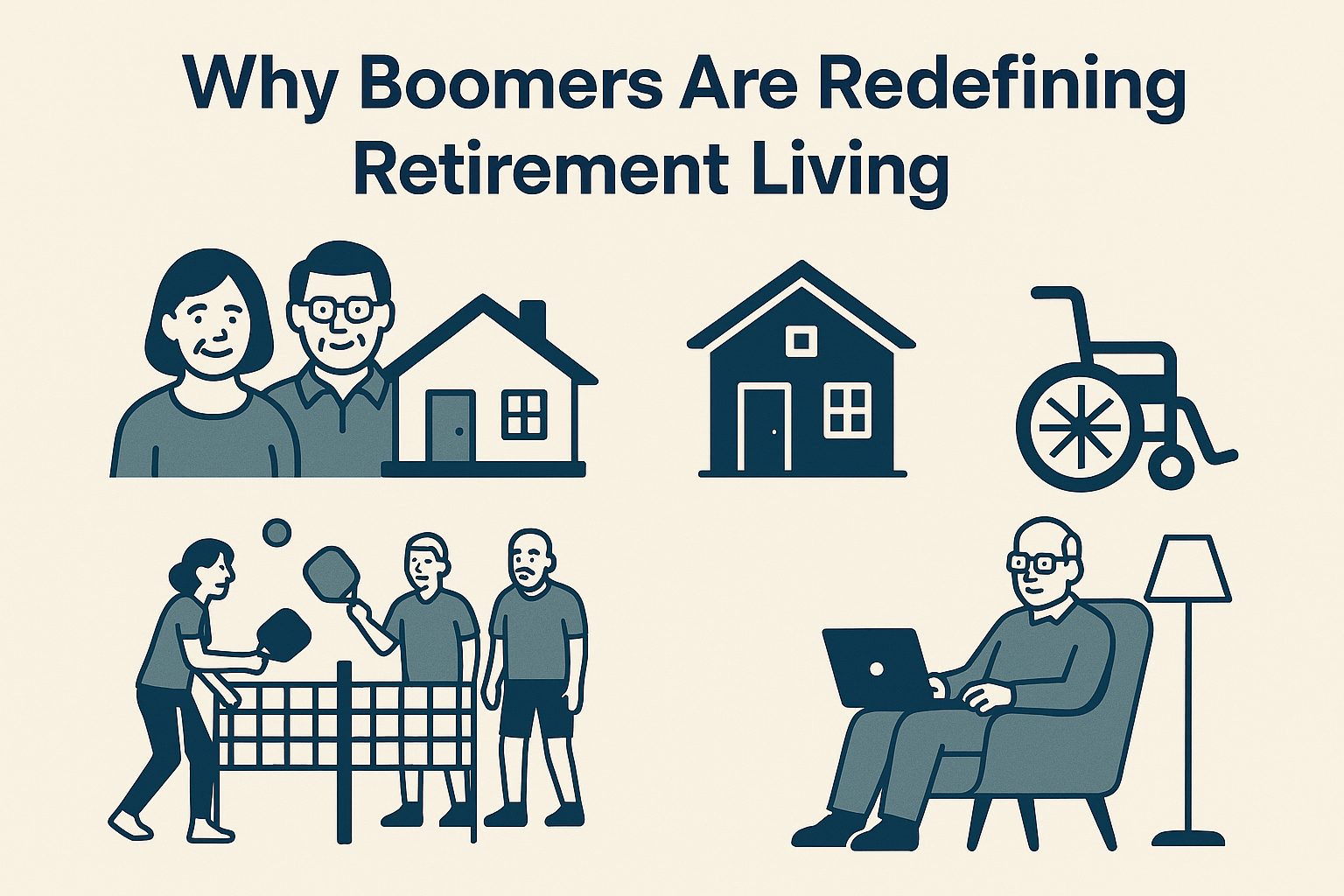
Why Boomers Are Redefining Retirement Living (Not Just “Downsizing”)
Baby Boomers are rewriting the playbook for life after 60. Instead of a one-size-fits-all move to a traditional retirement community, they’re choosing options that maximize autonomy, purpose, proximity to family, and lifestyle—on their own terms. With a record number of Americans turning 65 each year through 2027, the ripple effects on housing, neighborhoods, and the broader real estate market are enormous.
1) The Demographic Wave: “Peak 65” Changes Everything
The U.S. has entered the “Peak 65” era—an unprecedented surge of Americans turning 65 each year (roughly 4.1 million annually from 2024 through 2027). This is the largest such wave in U.S. history and it’s redefining what those years look like.
Zoom out to the population level and the story gets even bigger. The older adult population (65+) has been rising rapidly; in 2024, older adults outnumbered children in nearly half of U.S. counties, and 11 states now have more older adults than kids. That demographic tilt will continue to shape housing demand, community design, and services for years.
Bottom line: This isn’t a niche story about retirement communities. It’s a tidal shift that touches every neighborhood, price point, and property type.
2) Retirement ≠ Retiring: Work, Purpose, and Flexible Living
For many Boomers, age 65 is not a “stop-work” line. A growing share of Americans 65+ remain employed, earning higher wages than in past decades—and reimagining retirement as a flexible, purpose-driven stage.
AARP spotlights the new reality: Many late Boomers hitting 65 still work, stay active, and postpone “traditional” retirement. The “senior citizen” label simply doesn’t fit how they live.
Housing implication: Instead of retirement enclaves far from job centers, many want walkable, connected locations with access to culture, healthcare, and airports—plus floor plans that support hybrid work, hobbies, and hosting grandkids.
3) Where Boomers Want to Live: Aging in Place vs. “Right-Sizing”
Aging in Place (AIP) remains a strong preference. Fannie Mae’s 2024 research shows homeowners 60+ overwhelmingly like their homes, view home equity as a financial reserve, and expect to age in place. Notably, only about 15% said they’d consider tapping equity for extra retirement income.
AARP’s most recent Home & Community Preferences survey (published Dec 2024, updated Mar 2025) echoes that desire: the vast majority of adults 50+ want to remain in their current home/community as long as possible—even as roughly 44% say a move could be in the cards to manage costs, care, or maintenance. Interestingly, 1 in 4 older homeowners would consider adding an ADU (in-law suite, backyard cottage) to accommodate a loved one or caregiver.
But there’s a reality check: The nation’s housing stock isn’t fully ready for aging. The Census Bureau found only about 40% of U.S. homes have basic aging-ready features (step-free entry + bed/bath on the first floor), and ~4 million older households report difficulty using their homes as-is.
What this means: Many Boomers will modify their homes—or “right-size” to single-level, low-maintenance homes or age-forward communities that align better with how they actually live now.
4) The Housing Formats Boomers Are Choosing
A) Aging in Place with Smart Upgrades
From no-step entries, wider doorways, curb less showers, and better lighting to smart-home tech (fall detection, voice controls), the AIP toolkit is expanding—and more accessible than ever. Many older owners are planning bathroom upgrades and mobility improvements to stay safe and independent.
B) ADUs & Multigenerational Living
Whether it’s “boomerang” kids, an aging parent, or caregiving flexibility, ADUs can unlock intergenerational support without sacrificing privacy. AARP’s latest national survey notes one in four older homeowners would consider building an ADU to create space for a loved one. Policy momentum and permitting reforms across states and cities have also helped ADUs gain traction.
Advocacy groups and industry briefs have documented ADUs’ role as flexible, age-friendly housing that can also offer supplemental income—one reason communities from coast to coast are revisiting zoning to allow more of them.
C) Amenity-Rich 55+ Active Adult Communities
Today’s 55+ “active adult” neighborhoods are not your grandparents’ retirement parks. Many are lifestyle destinations—with social programming, wellness centers, trails, pickleball, co-working lounges, and clubs—often near retail, dining, and healthcare. Industry outlooks from ULI/NIC highlight surging demand and investor interest, with active adult rentals gaining traction for middle-market seniors.
D) Urban/Suburban Walkable Redevelopments
Developers are repurposing underused retail and adding age-qualified housing within mixed-use districts—bringing Boomers closer to restaurants, medical providers, and transit. This “live-near-everything” model aligns with Boomer preferences for autonomy and convenience.
E) Village Networks & Cohousing
Beyond real estate products, “Villages” (grassroots, member-led networks that coordinate rides, home help, and social life) are scaling nationally—270+ Villages as of 2024—with more forming. These networks let older adults stay in familiar homes while tapping curated services and community.
5) Health, Tech & Home: The Rise of Supportive “AgeTech”
Telehealth, remote monitoring, and AI-enabled safety tech are making it easier to live independently longer. Surveys in 2024 found strong support for tech that helps older adults age in place; think medical alert systems, smart sensors, medication reminders, and voice assistants.
Analysts tracking the AgeTech market note that AI-driven devices and services are rapidly moving into home-based support and care coordination, from fall detection to predictive insights that can reduce hospitalizations.
Takeaway: Health happens at home. Housing that’s pre-wired, well-lit, and device-friendly will be in higher demand among aging Boomers—and will likely command a premium.
6) Financial Considerations (Equity, Costs, & Care)
- Home Equity: Despite record equity levels, older owners often prefer not to treat home equity like an ATM. In Fannie Mae’s 2024 study, only ~15% said they’d consider tapping equity to fund retirement.
- Budget Drivers: AARP’s national survey shows many 50+ adults who anticipate moving cite lowering housing and maintenance costs and property taxes as major motivators.
- Renovation vs. Relocation: Census data underscores the accessibility gap in existing homes, which can tilt the math toward either targeted renovations or a move to an age-forward home (single-level living, wider halls, roll-in shower).
- Income Mix & Security: Surveys of workers show Boomers expect to rely heavily on Social Security and retirement accounts, with many lacking a written plan—another reason predictable housing costs matter.
Pro tip: Pair your housing plan with a home maintenance plan (and a reserve budget). For some, a low-maintenance community with included exterior/landscape care beats the unpredictability of an older single-family home—especially if you love to travel.
7) How This Reshapes the Real Estate Market
- Inventory Lock-In: Older owners are staying put longer, reducing turnover and tightening supply—an effect Freddie Mac documented as seniors aging in place elevated homeownership rates among older cohorts.
- Product Shift: Investor and developer attention is moving toward active adult and middle-market senior housing, with ULI/NIC highlighting the sector’s strong risk-adjusted return outlook and an expected influx of older renters over the next decade.
- Policy & Planning: With older adults now outnumbering children in many places, local governments and planners are rethinking zoning (ADUs), accessibility codes, and transportation to support aging communities.
Net effect: Boomers are diversifying demand across resale, new construction, rental, and innovative formats. That dynamism is creating fresh opportunities for both buyers and sellers—if you know how to spot them.
8) What to Look For When You Shop (A Checklist)
Lifestyle & Location
- Walkable access to groceries, pharmacy, healthcare, parks
- Quick routes to airports/rail (for family visits and travel)
- Social infrastructure: clubs, volunteering, faith communities, adult learning
Home Design
- Single-level living or primary suite on main
- No-step entry; 36” doors/hallways; lever handles
- Curbless shower + grab bars (blocking in walls for future)
- Non-slip flooring; great lighting; minimal thresholds
- Flexible space (office/crafts/guest suite)
Community Amenities
- Fitness, trails, pools, pickleball, arts & clubs
- On-site or nearby healthcare; vetted service providers
- HOA covers exterior/landscape? Snow removal?
- Pet-friendly policies; storage for hobbies/travel gear
Tech & Safety
- Strong Wi‑Fi; ample outlets; smart switches
- Pre-wiring for sensors/cameras; medication management tech
- Emergency response access; well-marked addresses
Future-Proofing
- Space for caregiver/guest (or ADU potential)
- Proximity to adult children (or Village network availability)
9) A Quick Local Lens: Ohio & the Midwest
Ohio’s population is skewing older—by 2025, more than 1 in 4 Ohioans will be 60+. That shift intensifies demand for age-forward housing and services in cities like Cincinnati and across surrounding counties.
Regionally, many communities are planning for more aging-in-place supports, ADU-friendly zoning, and active adult options that bridge the affordability gap while preserving proximity to family. Keep an eye on walkable suburban nodes and mixed-use redevelopments near healthcare corridors.
10) FAQs
Q1: Is it better to renovate for aging in place or move to a 55+ community?
A: It depends on your home’s bones and your budget. The Census shows most homes lack key accessibility features, and millions of older households struggle with current layouts—so some upgrades are often necessary. If the scope is large (structural changes, stairs you can’t avoid), exploring single-level options or 55+ communities may be more cost-effective—and socially rewarding.
Q2: What about using a reverse mortgage to stay put?
A: Some owners do, but many are reluctant to tap equity for retirement income. Fannie Mae’s research found only about 15% of older owners would consider it. Talk with a HUD-approved counselor and your financial advisor to compare costs, obligations, and alternatives (like rightsizing to a lower-cost home).
Q3: Are ADUs worth it?
A: If permitted, ADUs can create caregiver space, multigenerational living, or supplemental income, and AARP surveys show meaningful interest among older homeowners. They can also add flexibility for resale in markets where ADUs are embraced.
Q4: I want community, not “institutional living.” Where do I look?
A: Consider active adult neighborhoods, mixed-use districts near amenities, or Village networks that bundle services and social life while you remain in your home. Visit at different times of day to feel the vibe.
Q5: Will older adults flooding the market cause more listings soon?
A: Not necessarily. Many Boomers are staying put longer, which constrains inventory; developers are responding with more 55+ and active adult rental options to meet demand.
11) Ready to Explore Your Options? (Your Boomer-Friendly Game Plan)
Whether you want to age in place confidently, add an ADU, or find a low‑maintenance, lifestyle-rich home, I’m here to make the next step simple and stress-free.
I’m Mike McEntush—your REALTOR® advocate.
Here’s how we’ll work together:
- 30‑Minute Strategy Call: We’ll clarify your top goals (family proximity, budget, hobbies, health access).
- Choice Architecture: I’ll map three viable pathways (Renovate, Right-Size, or Community Move) with cost, timeline, and pros/cons.
- Curated Options: Handpicked age-forward homes/communities, potential ADU scenarios, and trusted contractors for AIP upgrades.
- Smooth Transitions: From financing and tax considerations to decluttering and move logistics—I’ll quarterback the details.
👉 Let’s start with a consult. Message me with “Boomer Game Plan” and the zip code you’re considering. We’ll take it from there at your pace.
#RealEstate, #Realtor, #RetirementLiving, #BabyBoomers, #AgingInPlace, #Rightsizing, #Downsizing, #55Plus, #ActiveAdult, #SeniorHousing, #ADU, #MultigenerationalLiving, #SmartHome, #WalkableCommunities, #LowMaintenanceLiving, #HomeDesign, #NewListing, #OpenHouse, #HomeBuyers, #HomeSellers, #Mortgage, #RealEstateInvesting, #CincinnatiRealEstate, #MidwestRealEstate, #MoveInReady, #UniversalDesign, #Telehealth, #AgingWell, #CommunityLiving, #LifestyleRealEstate
The Emotional Rollercoaster of Buying Your First Home: What to Expect and How to Thrive
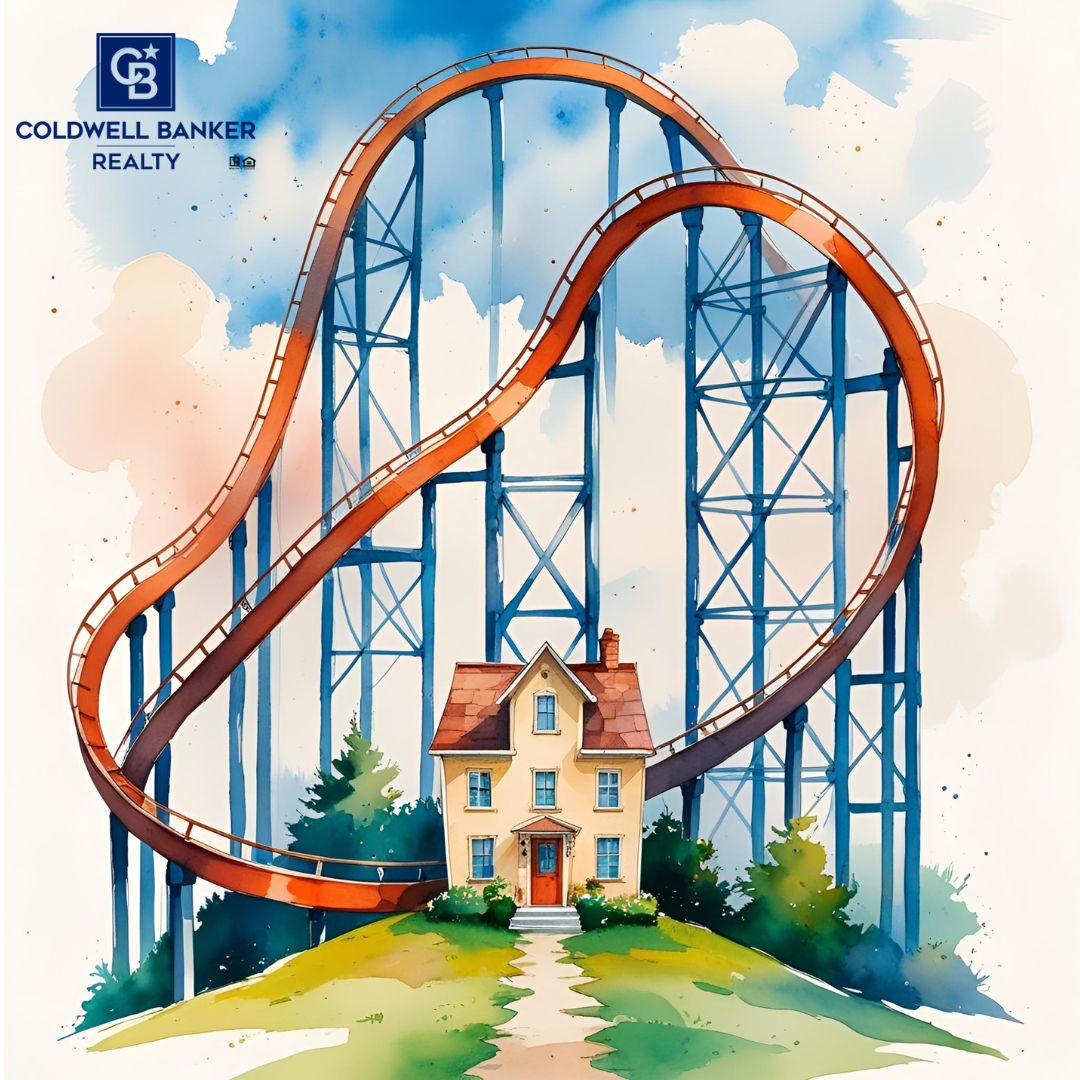
🎢 The Emotional Rollercoaster of Buying Your First Home: What to Expect and How to Thrive
Buying your first home is one of life’s most exciting milestones. It’s a journey filled with anticipation, dreams, and yes—plenty of emotions. From the thrill of house hunting to the anxiety of mortgage approval, the process can feel like a rollercoaster ride. But don’t worry—you’re not alone. With the right mindset and a great team of professionals by your side, you can navigate this adventure with confidence.
In this blog, we’ll explore the emotional highs and lows of buying your first home, offer tips to stay grounded, and show you how my team of mortgage experts can help you every step of the way. 🏡💪
🎯 The Dream Begins: Excitement and Hope
The journey often starts with a spark—maybe you’ve been renting for years, or you’re ready to settle down and build equity. You start browsing listings, imagining your future in each home. This phase is full of hope, excitement, and possibility.
What You’re Feeling:
- 🥳 Optimism about finding “the one”
- 🏠 Daydreams of decorating and hosting
- 💡 Motivation to learn about the process
Tips to Stay Grounded:
- Create a realistic budget before you fall in love with a home.
- Make a list of must-haves vs. nice-to-haves.
- Talk to a mortgage professional early to understand your buying power.
😬 Reality Sets In: Overwhelm and Confusion
Once you dive deeper, the process can quickly become overwhelming. There are listings to sort through, open houses to attend, and unfamiliar terms like “escrow,” “PMI,” and “pre-approval.”
What You’re Feeling:
- 😵💫 Information overload
- 🤯 Anxiety about making the right choice
- 📚 Confusion about financing and paperwork
Tips to Stay Grounded:
- Work with a REALTOR® who can guide you through each step.
- Ask questions—no matter how small they seem.
- Lean on your mortgage team to explain financing options clearly.
💓 The First Crush: Falling in Love with a Home
You walk into a house and instantly feel it—this could be the one. You imagine your furniture in the living room, your dog in the backyard, and your family gathered around the kitchen island.
What You’re Feeling:
- 💘 Emotional attachment
- 😍 Excitement mixed with nervousness
- 🧠 Racing thoughts about making an offer
Tips to Stay Grounded:
- Don’t skip the inspection—love can be blind to flaws.
- Compare the home to your original checklist.
- Discuss the offer strategy with your REALTOR®.
😟 The Waiting Game: Stress and Uncertainty
You’ve made an offer. Now you wait. Will the seller accept? Will there be a bidding war? This phase can be emotionally draining, especially in a competitive market.
What You’re Feeling:
- 😬 Impatience and stress
- 😟 Fear of rejection
- 🤞 Hope for good news
Tips to Stay Grounded:
- Stay busy—don’t obsessively refresh your email.
- Trust your REALTOR® to negotiate on your behalf.
- Have a backup plan in case your offer isn’t accepted.
📝 The Paper Chase: Frustration and Fatigue
Once your offer is accepted, the paperwork begins. You’ll deal with loan applications, disclosures, inspections, appraisals, and more. It can feel like a full-time job.
What You’re Feeling:
- 😤 Frustration with bureaucracy
- 😩 Fatigue from constant tasks
- 😐 Stress about meeting deadlines
Tips to Stay Grounded:
- Stay organized—use a checklist or folder system.
- Communicate regularly with your mortgage team.
- Celebrate small wins (like getting your loan pre-approved!).
🧾 The Final Stretch: Anticipation and Anxiety
You’re almost there. Closing day is approaching, and you’re imagining life in your new home. But you’re also worried—what if something goes wrong?
What You’re Feeling:
- 😬 Nervous excitement
- 😟 Anxiety about final approval
- 🥳 Eagerness to move in
Tips to Stay Grounded:
- Review your closing documents carefully.
- Do a final walk-through with your REALTOR®.
- Ask your mortgage team to explain any last-minute changes.
🎉 The Big Day: Joy and Relief
You did it! You’ve signed the papers, received the keys, and walked into your very own home. It’s a moment of pure joy and accomplishment.
What You’re Feeling:
- 🥹 Emotional pride
- 🥳 Celebration and relief
- 🏡 Excitement for the future
Tips to Stay Grounded:
- Take time to enjoy the moment.
- Plan your move with care—don’t rush.
- Start building memories in your new space.
💬 How My Team Can Help You Ride the Rollercoaster
Buying your first home doesn’t have to be a solo journey. I work with a trusted team of mortgage professionals who are experts at guiding first-time buyers through every twist and turn. From pre-approval to closing, we’re here to make the process smooth, transparent, and even enjoyable.
Here’s what we offer:
- ✅ Personalized mortgage advice
- ✅ Fast and reliable pre-approvals
- ✅ Clear communication every step of the way
- ✅ Support for all credit levels
🏁 Conclusion: Embrace the Ride
Buying your first home is a journey filled with ups and downs—but every emotion is part of the story. With the right support system, you can turn stress into strength and uncertainty into excitement. Remember, you’re not just buying a house—you’re building a future.
So buckle up, trust the process, and enjoy the ride. Your dream home is waiting. 🏡💖
#firsttimehomebuyer, #homebuyingtips, #realestatejourney, #buyingahome, #mortgagetips, #househunting, #realestateagent, #homeownership, #closingday, #dreamhome, #realestatelife, #homebuyingprocess, #newhome, #realestateblog, #cincinnatirealestate
