

 Facebook
 X
X
 Pinterest
 Copy Link
How to Prepare for Moving Day After Your Home Closes: The Ultimate Guide
🏡 How to Prepare for Moving Day After Your Home Closes: The Ultimate Guide
Congratulations! 🎉 You’ve closed on your new home — a major milestone in your real estate journey. But before you pop the champagne and settle in, there’s one more hurdle to cross: moving day. Whether you’re relocating across town or across the country, preparing for moving day can be overwhelming without a solid plan.
In this comprehensive guide, we’ll walk you through everything you need to know to make your move smooth, stress-free, and even enjoyable. From organizing your packing strategy to setting up utilities and updating your address, we’ve got you covered.
📝 Step 1: Create a Moving Timeline
The key to a successful move is planning ahead. As soon as your home closes, start building a moving timeline. This should include:
- 8 Weeks Before Moving Day: Research moving companies, declutter, and start gathering packing supplies.
- 6 Weeks Before: Begin packing non-essentials, notify schools and employers, and schedule time off work.
- 4 Weeks Before: Confirm your moving company, start changing your address, and arrange utility transfers.
- 2 Weeks Before: Pack most of your belongings, confirm travel plans, and prepare an essentials box.
- Moving Week: Finalize packing, clean your old home, and do a final walkthrough.
A timeline keeps you on track and reduces last-minute stress.
📦 Step 2: Declutter Before You Pack
Moving is the perfect opportunity to declutter your life. Go room by room and sort items into four categories:
- Keep
- Donate
- Sell
- Trash
Ask yourself: Have I used this in the last year? Does it bring me joy? If not, it’s time to let it go. Hosting a garage sale or listing items online can even help offset moving costs.
🛠️ Step 3: Gather Packing Supplies
You’ll need more than just boxes. Stock up on:
- Sturdy moving boxes (various sizes)
- Packing tape and dispensers
- Bubble wrap and packing paper
- Permanent markers for labeling
- Stretch wrap for furniture
- Mattress covers and moving blankets
Pro tip: Check with local stores or online marketplaces for free boxes.
🧳 Step 4: Pack Smart and Label Everything
Start with items you use the least and work your way to daily essentials. Use these tips for efficient packing:
- Label each box with the room and contents.
- Color-code boxes by room using tape or stickers.
- Wrap fragile items in bubble wrap or towels.
- Use suitcases for heavy items like books.
- Don’t overpack boxes — keep them under 50 lbs.
Packing room by room helps you stay organized and makes unpacking easier.
🏷️ Step 5: Change Your Address and Notify Important Parties
Don’t let important mail get lost in the shuffle. Update your address with:
- USPS (you can do this online)
- Banks and credit card companies
- Insurance providers
- Employers and payroll
- Subscription services
- Friends and family
Also, update your driver’s license and vehicle registration if you’re moving to a new state.
🔌 Step 6: Transfer Utilities and Services
Avoid moving into a dark or cold home by scheduling utility transfers ahead of time. Contact:
- Electric and gas companies
- Water and sewer services
- Internet and cable providers
- Trash and recycling services
- Home security companies
Schedule disconnections at your old home for the day after your move and connections at your new home for the day before.
🧹 Step 7: Clean Your Old Home
Whether you’re selling or renting, leave your old home in good condition. Clean:
- Floors and carpets
- Bathrooms and kitchens
- Inside cabinets and appliances
- Windows and baseboards
Consider hiring a professional cleaning service if you’re short on time.
🧰 Step 8: Prepare an Essentials Box
Pack a box (or suitcase) with everything you’ll need for the first 24–48 hours in your new home:
- Toiletries and medications
- Chargers and electronics
- Snacks and bottled water
- A few changes of clothes
- Bedding and towels
- Important documents
This box should travel with you, not the movers.
🚚 Step 9: Hire the Right Moving Company
If you’re not doing it yourself, research and hire a reputable moving company. Look for:
- Positive online reviews
- Transparent pricing
- Proper licensing and insurance
- Experience with your type of move
Get at least three quotes and ask about additional fees for stairs, long carries, or bulky items.
🐶 Step 10: Make a Plan for Kids and Pets
Moving day can be chaotic for little ones and furry friends. Arrange for:
- A babysitter or family member to watch children
- A pet sitter or boarding facility for pets
- A quiet, safe space for them during the move
This keeps them safe and reduces stress for everyone.
🧾 Step 11: Do a Final Walkthrough
Before leaving your old home, do a final walkthrough to:
- Check closets, cabinets, and drawers
- Turn off lights and appliances
- Lock all doors and windows
- Take photos for your records
Leave behind keys, garage openers, and any manuals for the new owners.
🛋️ Step 12: Unpack Strategically
Once you arrive, resist the urge to unpack everything at once. Start with:
- Essentials box
- Kitchen
- Bedrooms
- Bathrooms
- Living areas
Take your time and enjoy setting up your new space. This is your fresh start!
🧠 Bonus Tips for a Smooth Move
- Take photos of electronics before unplugging them.
- Use clear bins for items you’ll need right away.
- Label cords and remotes with masking tape.
- Keep important documents like closing papers and IDs in a safe place.
- Stay hydrated and take breaks on moving day.
🏁 Conclusion: Moving Day Doesn’t Have to Be Stressful
With the right preparation, moving day can be a celebration — not a headache. By following this guide, you’ll stay organized, reduce stress, and start your new chapter on the right foot. Remember, it’s not just about moving your stuff — it’s about moving your life. Make it count! 💪🏡
📣 Ready to Make Your Move?
If you’re looking for expert guidance, local insights, or help finding your next dream home, I’m here to help! Reach out today and let’s make your next move your best one yet. 📞📬
🔖 Top Real Estate Hashtags:
#MovingDay, #HomeClosing, #RealEstateTips, #NewHome, #MovingChecklist, #HomeBuyers, #Relocation, #PackingTips, #RealEstateAdvice, #HomeSweetHome, #MovingMadeEasy, #FirstTimeHomeBuyer, #HouseGoals, #RealEstateLife, #DreamHome
Top Home Improvements That Add Value Before Selling

🏡 Top Home Improvements That Add Value Before Selling
Thinking about selling your home? 🏠 Before you list it, making the right home improvements can significantly increase your property’s value—and help it sell faster. In today’s competitive real estate market, buyers are looking for move-in-ready homes with modern features, energy efficiency, and curb appeal.
In this comprehensive guide, we’ll explore the top home upgrades in 2025 that offer the best return on investment (ROI), from budget-friendly fixes to major renovations. Whether you’re a homeowner preparing to sell or a real estate professional advising clients, these insights will help you make smart, profitable decisions.
🔧 Why Home Improvements Matter Before Selling
According to Zillow, 65% of sellers who sold their homes in the past two years made at least two home improvements before listing.
The right improvements can:
- Increase your home’s market value 💰
- Attract more buyers 👀
- Shorten time on the market ⏳
- Improve appraisal outcomes 📈
But not all upgrades are created equal. Let’s dive into the ones that truly pay off.
🥇 Top 10 High-ROI Home Improvements in 2025
Based on the latest data from Remodeling Magazine and HomeLight, here are the top home improvements that offer the best bang for your buck:
1. 🚪 Garage Door Replacement
- Cost: $4,302
- Resale Value: $4,418
- ROI: 102.7%
A new garage door instantly boosts curb appeal and offers a full return on investment. Choose a modern, insulated model with smart features for added appeal.
2. 🪨 Manufactured Stone Veneer
- Cost: $10,925
- Resale Value: $11,177
- ROI: 102.3%
Adding stone veneer to your home’s exterior creates a luxurious, high-end look that buyers love.
3. 🚪 Steel Entry Door Replacement
- Cost: $2,214
- Resale Value: $2,235
- ROI: 100.9%
A sleek, secure steel door makes a strong first impression and improves energy efficiency.
4. 🧱 Vinyl Siding Replacement
- Cost: $16,348
- Resale Value: $15,485
- ROI: 94.7%
New siding refreshes your home’s exterior and protects it from the elements—key for buyers concerned with maintenance.
5. 🏠 Fiber-Cement Siding
- Cost: $19,361
- Resale Value: $17,129
- ROI: 88.5%
Fiber-cement siding is durable, fire-resistant, and attractive—ideal for long-term value.
6. 🍽️ Minor Kitchen Remodel (Midrange)
- Cost: $26,790
- Resale Value: $22,963
- ROI: 85.7%
Update cabinets, countertops, and appliances without a full gut job. A refreshed kitchen is a major selling point.
7. 🪟 Vinyl Window Replacement
- Cost: $20,091
- Resale Value: $13,766
- ROI: 68.5%
Energy-efficient windows reduce utility bills and improve comfort—two big wins for buyers.
8. 🛁 Midrange Bathroom Remodel
- Cost: $24,606
- Resale Value: $16,413
- ROI: 66.7%
Modern fixtures, new tile, and better lighting can transform a dated bathroom into a spa-like retreat.
9. 🪟 Wood Window Replacement
- Cost: $24,376
- Resale Value: $14,912
- ROI: 61.2%
Wood windows offer a classic look but require more maintenance. Still, they appeal to buyers in historic or upscale neighborhoods.
10. 🏠 Roof Replacement (Asphalt Shingles)
- Cost: $29,136
- Resale Value: $17,807
- ROI: 61.1%
A new roof reassures buyers and can be a deal-maker in competitive markets.
💡 Bonus: Low-Cost Improvements That Make a Big Impact
You don’t need a massive budget to make your home more appealing. Here are affordable upgrades that can still boost value:
1. 🎨 Fresh Paint
Neutral tones like greige, soft white, and light taupe make spaces feel clean and spacious.
2. 💡 Updated Lighting
Swap outdated fixtures for modern, energy-efficient LED lighting.
3. 🧼 Deep Cleaning & Decluttering
A spotless, clutter-free home feels larger and more inviting.
4. 🌿 Landscaping
Trim bushes, plant flowers, and add mulch for instant curb appeal.
5. 🚿 Bathroom Touch-Ups
New faucets, mirrors, and towel bars can modernize a bathroom for under $500.
6. 🪑 Staging
Professional or DIY staging helps buyers visualize living in the space.
🏡 Trending in 2025: Modern Must-Haves for Buyers
Today’s buyers are looking for more than just square footage. Here are features that are hot in 2025:
1. 🖥️ Home Office Space
With remote work here to stay, a dedicated office—or even two—is a major selling point.
2. 🌞 Outdoor Living Areas
Decks, patios, and outdoor kitchens are in high demand for entertaining and relaxation.
3. 🌱 Energy Efficiency
Smart thermostats, solar panels, and heat pumps are attractive for eco-conscious buyers.
4. 🧺 Laundry Room Upgrades
A clean, functional laundry space with storage is a small but mighty value booster.
5. 🧱 Finished Basements
Extra living space for guests, hobbies, or rental income is a huge plus.
📊 How to Prioritize Your Home Improvements
Not sure where to start? Here’s a simple framework:
- Fix what’s broken – Leaky faucets, cracked tiles, and damaged drywall should be addressed first.
- Focus on curb appeal – First impressions matter.
- Update kitchens and baths – These rooms sell homes.
- Add usable space – Finished basements, attics, or ADUs add square footage.
- Think energy efficiency – Lower utility bills = higher buyer interest.
🧠 Pro Tip: Know Your Market
The best improvements vary by location. For example:
- In Cincinnati, buyers may prioritize energy efficiency and finished basements due to seasonal weather.
- In urban areas, smart home features and modern kitchens may carry more weight.
Work with a local real estate expert (like me!) to tailor your upgrades to what buyers in your area want most.
✅ Conclusion: Invest Smart, Sell Smart
Making the right home improvements before selling can lead to a faster sale and a higher price. Focus on projects with high ROI, enhance curb appeal, and don’t overlook affordable upgrades that make a big impact.
Whether you’re planning to sell in six months or six years, these improvements will not only increase your home’s value—they’ll make it a more enjoyable place to live in the meantime.
📣 Ready to Sell? Let’s Talk!
Hi, I’m Mike McEntush, your local real estate expert in Cincinnati, OH. If you’re thinking about selling your home and want personalized advice on which upgrades will give you the best return, I’m here to help!
📞 Contact me today for a free home evaluation and improvement consultation. Let’s get your home market-ready—and sold for top dollar! 💼
#HomeImprovement, #RealEstateTips, #SellYourHome, #HomeValue, #CurbAppeal, #KitchenRemodel, #BathroomRemodel, #HomeStaging, #RealEstate2025, #SmartHome, #EnergyEfficient, #CincinnatiRealEstate, #MikeMcEntushRealtor, #HomeSellingTips, #ROIUpgrades
Your Step-by-Step Guide to Buying Your First Home

🏡 Your Step-by-Step Guide to Buying Your First Home in 2025
1. Is Homeownership Right for You? 🧐
Before diving into listings, ask yourself:
- Are you financially stable?
- Do you plan to stay in one place for at least 3–5 years?
- Are you ready for the responsibilities of homeownership?
If you answered yes, you’re on the right track!
2. Check Your Financial Health 💰
✅ Review Your Credit Score
Aim for a score of 620+ for conventional loans. FHA loans may accept lower scores, but higher scores = better rates.
✅ Calculate Your Debt-to-Income Ratio (DTI)
Lenders prefer a DTI under 43%. Use this formula:
DTI = (Monthly Debt Payments / Gross Monthly Income) × 100
✅ Save for a Down Payment
Typical down payments range from 3% to 20%. Don’t forget closing costs (2–5% of the home price).
3. Understand Your Mortgage Options 🏦
🏠 Fixed-Rate Mortgage
- Interest rate stays the same
- Predictable monthly payments
🏠 Adjustable-Rate Mortgage (ARM)
- Lower initial rate
- Can increase over time
🏠 Government-Backed Loans
- FHA: Low down payment, flexible credit
- VA: For veterans, no down payment
- USDA: For rural areas, low-income buyers
4. Get Pre-Approved 📄
A pre-approval letter shows sellers you’re serious. It also helps you:
- Set a realistic budget
- Speed up the buying process
5. Find the Right Real Estate Agent 🧑💼
Look for an agent who:
- Specializes in first-time buyers
- Knows your local market
- Communicates clearly and often
Ask for referrals or check online reviews.
6. Start House Hunting 🔍
🗺️ Consider:
- Commute times
- School districts
- Safety and amenities
🏘️ Tour Homes
Take notes, photos, and videos. Don’t rush—this is a big decision!
7. Make an Offer ✍️
Your agent will help you:
- Determine a fair price
- Include contingencies (inspection, financing, etc.)
- Negotiate with the seller
Once accepted, you’ll enter escrow—a holding period before closing.
8. Schedule a Home Inspection 🔎
A licensed inspector checks for:
- Structural issues
- Plumbing/electrical problems
- Roof and HVAC condition
If issues arise, you can renegotiate or walk away.
9. Secure Financing 💳
Submit your loan application with:
- Pay stubs
- Tax returns
- Bank statements
Your lender will order an appraisal to ensure the home’s value matches the loan amount.
10. Close the Deal 🖊️
🧾 Final Steps:
- Review the Closing Disclosure
- Do a final walkthrough
- Sign the paperwork
You’ll pay closing costs and receive the keys—congrats, homeowner! 🎉
11. Move In and Celebrate! 🎈
Change your address, set up utilities, and start making your house a home. Don’t forget to:
- Create a maintenance schedule
- Build an emergency fund
- Enjoy your new space!
12. Conclusion 🏁
Buying your first home is a journey filled with excitement, learning, and big decisions. By following this step-by-step guide, you’ll be equipped to make informed choices and avoid common pitfalls. The 2025 housing market offers plenty of opportunities for first-time buyers, and with the right preparation, you can turn your dream of homeownership into reality. 🏡💪
Remember, every step you take brings you closer to the front door of your future home. Stay patient, stay informed, and don’t hesitate to ask for help when you need it.
Ready to take the first step toward homeownership?
Let’s chat about your goals and how I can help you find the perfect place to call home. Whether you’re just starting or ready to tour homes, I’m here to guide you every step of the way.
Let’s make your dream home a reality! 🏡✨
#FirstTimeHomeBuyer, #HomeBuyingTips, #RealEstate2025, #MortgageAdvice, #HouseHunting, #HomeSweetHome, #RealEstateGoals, #BuyAHome, #CincinnatiRealEstate, #DreamHome, #HomeOwnership, #RealEstateExpert, #NewHomeJourney
Selling an Inherited Property: What You Need to Know

🏡 Selling an Inherited Property: What You Need to Know
Inheriting property can be both a blessing and a challenge. Whether it’s a cherished family home or a piece of land, selling inherited real estate involves legal, financial, and emotional considerations. This guide will walk you through everything you need to know to make informed decisions and maximize your outcome.
🧾 Step 1: Understand the Legal Process
What is Probate?
Probate is the legal process of validating a will and distributing the deceased’s assets. If the property was solely owned by the deceased, it likely must go through probate unless it was held in a trust or jointly owned.
Key Documents You’ll Need:
- Death certificate
- Will or trust documents
- Letters testamentary (court authorization)
- Property deed
Tip: Consult a probate attorney to ensure compliance with Ohio state laws.
💰 Step 2: Know the Tax Implications
Capital Gains Tax
Inherited property benefits from a stepped-up basis, meaning the property’s value is adjusted to its fair market value at the time of the decedent’s death. This significantly reduces capital gains tax when you sell.
Example:
- Original purchase price: $200,000
- Value at inheritance: $500,000
- Sale price: $550,000
- Taxable gain: $50,000 (not $350,000)
Other Taxes to Consider
- Estate Tax: Only applies to estates over $13.61 million (2024 threshold).
- Inheritance Tax: Rare, but applicable in six states (not Ohio).
- Net Investment Income Tax: May apply to high-income earners.
Tip: Keep records of appraisals, improvements, and selling expenses to reduce taxable gains.
🛠️ Step 3: Prepare the Property for Sale
Assess the Condition
Inherited homes may need repairs or updates. Consider:
- Cleaning and decluttering
- Minor renovations (paint, flooring)
- Landscaping for curb appeal
Get an Appraisal
An appraisal helps determine the fair market value and supports your tax documentation.
Decide to Sell As-Is or Renovate
Selling “as-is” can be faster but may yield a lower price. Renovating can increase value but requires time and investment.
👨👩👧👦 Step 4: Navigate Family Dynamics
Selling inherited property often involves multiple heirs. Clear communication is key.
Tips for Managing Family Involvement:
- Hold a family meeting
- Agree on a sales strategy
- Use a neutral third party (e.g., attorney or mediator)
📈 Step 5: Market and Sell the Property
Work with a Real Estate Agent
Choose an agent experienced in inherited properties. They can:
- Price the home accurately
- Market effectively
- Handle negotiations
Selling Options
- Traditional Sale: Best for maximizing value
- Cash Buyer: Fast but may offer less
- Auction: Useful for unique or hard-to-value properties
📋 Step 6: Finalize the Sale
Closing Process
At closing, ensure:
- All heirs sign necessary documents
- Title is clear
- Funds are distributed properly
Reporting to the IRS
Use Schedule D of Form 1040 to report the sale. Include:
- Sale price
- Adjusted basis
- Selling expenses
🧠 Pro Tips for a Smooth Sale
- Consult Professionals: Attorney, CPA, and real estate agent
- Document Everything: Keep receipts, appraisals, and legal paperwork
- Plan Ahead: Consider timing for tax purposes and market conditions
✅ Conclusion
Selling an inherited property doesn’t have to be overwhelming. With the right knowledge, professional support, and a clear plan, you can turn a complex situation into a successful transaction. Whether you’re dealing with probate, navigating family dynamics, or optimizing your tax position, taking thoughtful steps will help you protect your interests and honor your loved one’s legacy.
Need help selling an inherited property in Cincinnati or beyond? Contact Mike McEntush today for personalized advice and expert support. 📞
👉 Schedule your consultation now and make your next move with confidence!
#realestate, #inheritance, #propertysale, #probate, #capitalgains, #homeforsale, #realestatetips, #sellingahome, #estateplanning, #realestateagent, #propertymarket, #homevalue, #realestateguide, #taxplanning, #realestateinvesting
Buying a Home as a Single Parent: Your Empowering Guide to Homeownership

🏡 Buying a Home as a Single Parent: Your Empowering Guide to Homeownership 💪
Being a single parent is a journey filled with love, resilience, and determination. 🧡 When it comes to buying a home, the process can feel overwhelming—but guess what? You’ve got this! 🎯 Whether you’re dreaming of a cozy condo or a spacious house with a backyard for the kids, homeownership is absolutely within reach.
💡 Why Homeownership Matters for Single Parents
Owning a home provides stability, financial growth, and a sense of pride. For single parents, it’s more than just a roof over your head—it’s a legacy for your children. 🏠✨
Benefits Include:
- Stability for your family 🛏️
- Building equity over time 📈
- Freedom to customize your space 🎨
- Potential tax benefits 💰
📝 Tips for Buying a Home as a Single Parent
1. Know Your Budget
Start by reviewing your income, expenses, and credit score. Use online mortgage calculators to estimate what you can afford. 💳📊
2. Explore Assistance Programs
Many states offer down payment assistance, grants, and special loan programs for single parents. 🏦 Check with local housing authorities or nonprofit organizations.
3. Get Pre-Approved
A mortgage pre-approval gives you a clear idea of your buying power and shows sellers you’re serious. ✅
4. Work with a Trusted Realtor
Find a real estate agent who understands your unique needs and can guide you through the process with empathy and expertise. 🤝
5. Think Long-Term
Choose a home that fits your current lifestyle and future goals. Consider school districts, commute times, and neighborhood safety. 🏫🚗
6. Build a Support Team
From realtors to mortgage brokers to family and friends—don’t hesitate to ask for help. You don’t have to do this alone. 🧑🤝🧑
7. Consider Future Expenses
Factor in property taxes, maintenance, utilities, and insurance. Planning ahead helps avoid surprises. 🧾🔧
8. Look for Kid-Friendly Features
Think about fenced yards, nearby parks, and safe streets. Your kids’ comfort and safety matter. 🛝👶
9. Stay Organized
Keep all your documents—pay stubs, tax returns, bank statements—in one place. It’ll make the mortgage process smoother. 📂🖇️
10. Don’t Rush
Take your time to find the right home. It’s okay to wait for the one that truly fits your family’s needs. ⏳❤️
🛠️ Common Challenges & How to Overcome Them
- Limited Time? Use virtual tours and weekend open houses.
- Tight Budget? Look into FHA loans or USDA rural housing programs.
- Feeling Overwhelmed? Lean on your support network and professionals.
🎉 Conclusion: You’re Not Alone in This Journey
Buying a home as a single parent may come with unique challenges, but it’s also an incredibly empowering experience. With the right resources, mindset, and support, you can create a safe and loving space for your family to thrive. 🌟
📣 Ready to Take the First Step?
Let’s make your dream of homeownership a reality! Contact a local real estate expert today or explore assistance programs in your area. Your future home is waiting! 🏡💼
#HomeBuyingTips, #SingleParentLife, #RealEstateAdvice, #FirstTimeHomeBuyer, #HomeGoals, #HouseHunting, #MortgageHelp, #RealEstateSupport, #FamilyHome, #HomeOwnershipJourney
How to Downsize Without the Stress (or the Meltdowns)
How to Downsize Without the Stress (or the Meltdowns): A 2025 Guide to Simplifying Your Space and Sanity
So, you’ve decided to downsize. Maybe the kids have flown the coop, or maybe you’re just tired of dusting 14 decorative vases you don’t even like. Whatever your reason, welcome to the wonderful world of less stuff, more life.
But let’s be honest—downsizing can feel like trying to solve a Rubik’s Cube blindfolded… while riding a unicycle… during a windstorm. 😅
Fear not! This guide will walk you through how to downsize without losing your mind (or your favorite coffee mug). Let’s declutter your space and your stress.
🧭 Step 1: Define Your “Why” (Before You Touch a Single Box)
Before you start tossing things into donation bins like a game show contestant, take a moment to ask yourself: Why am I downsizing?
- Are you looking to save money?
- Want to simplify your lifestyle?
- Moving closer to family?
- Tired of vacuuming rooms you never use?
Knowing your “why” gives you clarity and motivation when the going gets tough (like when you’re deciding whether to keep that fondue set from 1987).
🧠 Pro Tip: Write your “why” on a sticky note and slap it on the fridge. You’ll need the reminder when you’re knee-deep in old tax returns and mystery cables.
📏 Step 2: Measure Twice, Move Once
Before you even think about what to keep, know your new space. Measure every room, closet, and cabinet. Then measure your furniture. Then measure it again.
You don’t want to arrive at your new condo only to discover your beloved sectional sofa is now a wall-to-wall obstacle course.
🎯 Reality Check: If your new living room is the size of your old walk-in closet, it’s time to say goodbye to the 12-piece entertainment center.
🧹 Step 3: Declutter Like a Ninja (With a Sense of Humor)
Decluttering is the heart of downsizing. But it doesn’t have to be a soul-crushing slog. Here’s how to make it manageable—and maybe even fun:
🗂️ Use the 3-Box Method:
- Keep – You love it, use it, or it sparks joy (thanks, Marie Kondo).
- Donate/Sell – It’s useful, but not to you.
- Trash/Recycle – It’s broken, expired, or just plain weird.
🧦 Bonus Round: If you find socks without partners, congratulate them on their independence and let them go.
🧸 Step 4: Handle Sentimental Items With Care (and a Timer)
Ah yes, the emotional landmines: baby clothes, wedding invites, your kid’s macaroni art from 1998. These items are the hardest to part with.
🕰️ Try the “Memory Box” Rule:
Limit yourself to one box per person for sentimental items. If it doesn’t fit, it doesn’t stay.
😢 Tough Love Tip: You’re not throwing away the memory—you’re just making space for new ones.
📦 Step 5: Start Early, Start Small
Downsizing is not a weekend project. It’s a journey. Start at least 6–12 months before your move if possible.
🧩 Begin with:
- The garage (aka the land of forgotten tools)
- The guest room (aka the junk room)
- The linen closet (do you really need 27 towels?)
🐢 Slow and Steady: One drawer a day keeps the panic away.
💻 Step 6: Digitize Everything You Can
Paper takes up space. And let’s be honest, you haven’t looked at that 2003 electric bill since… 2003.
📲 Scan and store:
- Tax documents
- Medical records
- Warranties
- Old photos (bonus: you can share them with family!)
📁 Digital Zen: Your filing cabinet just became a flash drive.
🛋️ Step 7: Sell, Donate, or Gift (But Don’t Hoard)
Once you’ve sorted your stuff, it’s time to let it go (cue Elsa 🎶).
💸 Sell:
- Furniture
- Electronics
- Collectibles
❤️ Donate:
- Clothes
- Kitchenware
- Books
🎁 Gift:
- Family heirlooms
- Sentimental items to loved ones
🧙♂️ Magic Trick: If you haven’t used it in a year, it’s probably not essential.
🚚 Step 8: Hire Help (Because You’re Not a Superhero)
You don’t have to do this alone. Consider hiring:
- Professional organizers
- Downsizing specialists
- Movers who also pack
- Therapists (kidding… kind of)
💪 Outsource the Overwhelm: Your back—and your sanity—will thank you.
🧘 Step 9: Embrace the Emotional Rollercoaster
Downsizing isn’t just physical—it’s emotional. You’re saying goodbye to a chapter of your life.
😢 Expect:
- Nostalgia
- Guilt
- Relief
- Excitement
🧡 Feel it all. Then remind yourself: you’re not losing space—you’re gaining freedom.
🏡 Step 10: Celebrate Your New Chapter
Once you’re in your new space, take a moment to breathe. Light a candle. Order takeout. Dance in your clutter-free living room.
You did it. You downsized without losing your mind (or your cat). 🎉
🧭 Less Stuff, More Life
Downsizing isn’t about giving things up—it’s about making room for what matters most. Whether that’s travel, family, hobbies, or just not tripping over a rogue ottoman, you’re creating a life that fits you better.
So go ahead—let go of the waffle maker you haven’t used since 2011. Your future self (and your countertops) will thank you.
Ready to Downsize Without the Drama?
If you’re thinking about downsizing and want a real estate expert who gets it, I’m here to help! Whether you need help finding the perfect smaller home, selling your current one, or just want to vent about your Tupperware situation—I’ve got your back.
#Downsizing, #MinimalistLiving, #DeclutterYourLife, #RealEstateTips, #HomeSelling, #MovingTips, #SimplifyYourLife, #SeniorLiving, #EmptyNester, #HomeOrganization, #RealEstateHumor, #StressFreeMoving, #SmallSpaceLiving, #HomeGoals, #RealEstateExpert
🏡 How the Big Beautiful Bill Benefits Home Buyers and Sellers in 2025 and Beyond

🏡 How the Big Beautiful Bill Benefits Home Buyers and Sellers in 2025 and Beyond
1. 🏛️ Introduction: Why This Bill Matters
The Big Beautiful Bill is one of the most comprehensive housing-focused legislative packages in recent history. It addresses long-standing affordability issues, modernizes tax incentives, and encourages sustainable development. For anyone involved in real estate, this bill is more than just policy—it’s a roadmap to smarter, more profitable decisions.
2. 🏠 Key Benefits for Home Buyers
✅ $12,500 First-Time Homebuyer Tax Credit
One of the most exciting provisions is a refundable $12,500 tax credit for qualifying first-time homebuyers
✅ Increased FHA Loan Limits
FHA loan limits have been raised by approximately 10%, making it easier for middle-income buyers to qualify for homes in high-cost areas
✅ Lower Barriers to Entry
With expanded access to VA and USDA loans, more Americans—especially veterans and rural residents—can now enter the housing market with zero down payment options.
3. 💰 Major Wins for Home Sellers
✅ Higher Mortgage Interest Deduction Cap
The mortgage interest deduction cap has been raised from $750,000 to $1 million, making high-value homes more attractive to buyers and increasing demand in luxury markets
✅ SALT Deduction Cap Increased
The State and Local Tax (SALT) deduction cap has been lifted from $10,000 to $20,000 for joint filers, benefiting sellers in high-tax states by making their properties more appealing to buyers
✅ Capital Gains Exclusion Maintained
The bill preserves the $250k/$500k capital gains exclusion for primary residences, allowing sellers to keep more of their profits.
4. 📊 Tax Incentives and Credits Explained
✅ 100% Bonus Depreciation (Now Permanent)
Investors and homeowners can now deduct 100% of the cost of short-lived assets (like HVAC, lighting, and flooring) in the first year
✅ §179D Deduction Extended
This deduction, which rewards energy-efficient commercial construction, is now extended through 2026 with a higher cap of $5.81 per square foot
✅ §45L Residential Energy Credit
Homebuilders can earn up to $5,000 per unit for constructing energy-efficient homes that meet DOE Zero Energy Ready standards
5. 🌱 Energy Efficiency and Green Building Perks
The bill strongly encourages sustainable development:
- Builders and developers are incentivized to use green materials and energy-efficient designs.
- Homeowners who upgrade to solar panels, smart thermostats, or energy-efficient windows may qualify for additional tax credits.
- These upgrades not only reduce utility bills but also increase property value.
6. 📉 Mortgage and Lending Market Changes
✅ Stabilized Mortgage Rates
While the bill includes federal spending that may delay interest rate cuts, it also introduces rate stabilization mechanisms to prevent sharp increases
✅ Easier Refinancing
Homeowners can now refinance under streamlined FHA and VA programs, reducing monthly payments and freeing up cash for other investments.
7. 🌍 Regional and Equity Impacts
The bill includes provisions to:
- Expand housing supply in underserved urban and rural areas.
- Provide grants to local governments for zoning reform and infrastructure upgrades.
- Address racial and economic disparities in homeownership through targeted assistance programs.
8. 🏢 What This Means for Real Estate Investors
✅ New Depreciation Rules
While the bill tightens rules on 1031 exchanges, it also introduces Qualified Production Property (QPP) incentives for domestic manufacturing and industrial real estate
✅ More Predictable Tax Planning
With permanent bonus depreciation and extended credits, investors can now plan long-term with greater confidence.
9. 📝 Action Steps for Buyers and Sellers
For Buyers:
- Check eligibility for the $12,500 tax credit.
- Get pre-approved under the new FHA/VA limits.
- Explore energy-efficient homes for added tax benefits.
For Sellers:
- Highlight energy upgrades in your listings.
- Time your sale to maximize capital gains exclusions.
- Work with a tax advisor to leverage new deductions.
10. 🧠 Final Thoughts + CTA
The Big Beautiful Bill is more than just a legislative win—it’s a strategic opportunity for anyone involved in real estate. Whether you’re buying your first home, selling a long-held property, or investing in rental units, this bill gives you the tools to save money, build wealth, and make smarter decisions.
📣 Ready to Take Advantage of the Big Beautiful Bill?
Let’s talk about how you can maximize your benefits under the new law. Whether you’re buying, selling, or investing, I’m here to help you navigate the market with confidence.
👉 Contact me today to schedule a free consultation and start your real estate journey the smart way!
#BigBeautifulBill, #HomeBuying2025, #RealEstateTips, #FirstTimeHomeBuyer, #FHAloans, #TaxCredits, #HomeSellers, #RealEstateInvesting, #GreenHomes, #MortgageTips, #HousingMarket2025, #EnergyEfficientHomes, #RealEstateNews, #PropertyTaxSavings, #HomeownershipGoals
How to Buy a Fixer-Upper Without Regret (or Losing Your Mind)

🛠️ How to Buy a Fixer-Upper Without Regret (or Losing Your Mind) 🏚️➡️🏡
So, you’ve binge-watched Fixer Upper, Property Brothers, and Love It or List It, and now you’re convinced you can turn a crumbling shack into a Pinterest-worthy palace. First of all—bless your brave, optimistic heart. Second of all—let’s make sure you don’t end up crying into a pile of drywall dust.
Buying a fixer-upper can be a dream come true—or a nightmare with a mortgage. But don’t worry, I’ve got your back with this hilarious, helpful, and heartbreak-preventing guide to buying a fixer-upper without regret.
🧠 Step 1: Know Thyself (and Thy Budget)
Before you even look at a single listing, ask yourself:
- Do I have the patience of a saint?
- Can I handle unexpected expenses without sobbing?
- Do I know the difference between a stud and a joist? (No, not that kind of stud. 😏)
If you answered “no” to all of the above, that’s okay! You can still buy a fixer-upper—you just need to budget for professionals.
💸 Budgeting Tips:
- Purchase price: Keep it low enough to leave room for renovations.
- Renovation costs: Add 20–30% more than you think you’ll need. Trust me.
- Emergency fund: Because something will go wrong. It’s the law of fixer-uppers.
🏚️ Step 2: Find the Right Kind of Ugly
Not all fixer-uppers are created equal. Some are diamonds in the rough. Others are just…rough.
Look for:
✅ Solid foundation
✅ Good roof (or at least not a terrible one)
✅ Functional layout
✅ Homes in up-and-coming neighborhoods
Avoid:
❌ Foundation issues (unless you’re secretly a structural engineer)
❌ Mold, termites, or haunted basements
❌ Homes that smell like regret and raccoons
🕵️♀️ Step 3: Get a Home Inspection (Seriously, Don’t Skip This)
You wouldn’t buy a used car without popping the hood, right? Same goes for houses.
A licensed home inspector will check:
- Electrical systems ⚡
- Plumbing 🚿
- HVAC 🌀
- Roof and attic 🏠
- Foundation and structure 🧱
Pro tip: Attend the inspection and ask questions. Bring snacks. It’s a long day.
🧰 Step 4: Know What You Can DIY (and What You Shouldn’t)
Sure, you can paint a wall. Maybe even install a backsplash. But rewiring the house? That’s a hard no unless your name is Bob Vila.
DIY-Friendly:
- Painting 🎨
- Landscaping 🌿
- Installing shelves 🪜
Call a Pro For:
- Electrical work ⚠️
- Plumbing 🚽
- Structural changes 🏗️
Remember: YouTube tutorials are great, but they won’t save you from a flooded basement.
🏗️ Step 5: Create a Renovation Plan (and Stick to It…Mostly)
Renovating without a plan is like grocery shopping hungry—you’ll end up with a bunch of stuff you don’t need and no money left.
Your Plan Should Include:
- A prioritized list of projects
- A realistic timeline
- A detailed budget
- A backup plan for when things go sideways (because they will)
Bonus tip: Don’t renovate everything at once unless you enjoy chaos and living in a dust cloud.
🧾 Step 6: Financing Your Fixer-Upper
You’ve got options, my friend:
🏦 Loan Types:
- FHA 203(k) Loan: Great for first-time buyers. Covers purchase + reno.
- Fannie Mae HomeStyle Loan: More flexible, but stricter credit requirements.
- Personal Loan or HELOC: If you already own a home.
Talk to a mortgage broker who gets fixer-uppers. Not all lenders do.
🧱 Step 7: Expect the Unexpected (and Laugh Through It)
Your contractor will find knob-and-tube wiring. Your “quick” bathroom reno will take 3 months. Your dog will step in wet cement.
It’s all part of the journey.
Keep Your Sanity By:
- Taking before-and-after photos 📸
- Celebrating small wins (like finally having a working toilet 🚽)
- Keeping a sense of humor (and maybe a bottle of wine 🍷)
🛋️ Step 8: Don’t Over-Renovate
You’re not building the Taj Mahal. You’re fixing up a house to live in or flip—not to win a design award.
Avoid:
- Over-customizing (no one else wants a medieval dungeon-themed bathroom)
- Overspending for the neighborhood
- Adding features you won’t use (do you really need a wine cellar?)
🧠 Step 9: Learn From Others’ Mistakes
Here are some real-life horror stories (names changed to protect the embarrassed):
- “Tilegate”: Sarah ordered 300 sq ft of tile…in the wrong color. She cried. Then she sold it on Facebook Marketplace.
- “The Great Bathtub Debacle”: Mike installed a clawfoot tub upstairs. It fell through the floor. Insurance was…not amused.
- “Paintpocalypse”: Jenna painted her entire living room “Trendy Taupe.” It dried to “Sad Beige.” She repainted. Twice.
🏁 Step 10: Enjoy the Transformation
There’s nothing like seeing your vision come to life. That moment when the last cabinet is hung, the last lightbulb is screwed in, and you can finally sit on your couch without a layer of dust? Pure bliss.
Take a deep breath. You did it. You survived the fixer-upper journey—and you didn’t even cry (much).
🎯 Final Thoughts: Should You Buy a Fixer-Upper?
If you’re:
- Patient
- Budget-conscious
- Not afraid of a little chaos
- Willing to laugh through the madness
Then YES. A fixer-upper can be a smart investment and a rewarding experience.
If you’re:
- Easily stressed
- Short on time or money
- Hoping for instant gratification
Maybe stick to move-in ready. No shame in that game.
📣 Ready to Find Your Perfect Fixer-Upper?
Whether you’re dreaming of a cozy cottage or a bold bungalow, I can help you find a fixer-upper that won’t break your heart (or your bank account).
👉 Let’s chat! Contact me today and let’s turn your renovation dreams into reality. 🛠️🏡
#FixerUpper, #HomeRenovation, #RealEstateTips, #FirstTimeHomeBuyer, #HouseHunting, #RenovationJourney, #DIYHome, #PropertyInvestment, #RealEstateHumor, #HomeImprovement, #BeforeAndAfter, #DreamHome, #RealEstateLife, #HomeGoals, #CurbAppeal
🏡 What is the MLS and Why it Matters in Real Estate
🏡 What is the MLS and Why it Matters in Real Estate
Whether you’re buying your first home, selling a property, or just curious about how real estate works behind the scenes, you’ve likely heard the term MLS tossed around. But what exactly is the Multiple Listing Service, and why is it such a big deal in the real estate world?
In this in-depth guide, we’ll break down what the MLS is, how it works, why it matters to buyers and sellers, and how it shapes the modern real estate market. Let’s dive in! 🏊♂️
📌 What is the MLS?
The Multiple Listing Service (MLS) is a cooperative database used by real estate brokers to share information about properties for sale. It’s not a single national system, but rather a network of regional databases—as of 2025, there are over 500 MLSs in the U.S. alone
Each MLS is a private platform accessible only to licensed real estate professionals who are members. These professionals use the MLS to:
- List homes for sale
- Share detailed property information
- Offer compensation to other agents
- Facilitate cooperation between buyer and seller agents
The MLS is the backbone of real estate transactions, ensuring transparency, accuracy, and efficiency in the marketplace.
🧠 A Brief History of the MLS
The concept of the MLS dates back to the late 1800s, when real estate brokers would gather in person to exchange information about properties they were trying to sell. They agreed to cooperate and compensate each other for helping close deals—a principle that still underpins the MLS today
Over time, this informal system evolved into a digital network of databases, governed by local real estate associations and powered by standardized data formats like the RESO Data Dictionary
🧩 How the MLS Works
Here’s a simplified breakdown of how the MLS functions:
- Listing a Property: A seller hires a real estate agent, who enters the property details into the local MLS.
- Data Sharing: The listing becomes visible to all other agents in that MLS, who can then share it with their buyer clients.
- Cooperation & Compensation: The listing agent offers a commission to any buyer’s agent who brings a successful offer.
- Search & Match: Buyer’s agents use the MLS to search for homes that match their clients’ criteria.
- Transaction: Once a match is made, the agents work together to close the deal.
This system ensures maximum exposure for sellers and comprehensive access for buyers.
🔍 What’s Included in an MLS Listing?
MLS listings are far more detailed than what you’ll find on public real estate websites. A typical MLS entry includes:
- High-resolution photos 📸
- Property description 🏠
- Square footage and lot size 📏
- Year built 🛠️
- Number of bedrooms and bathrooms 🛏️🛁
- School district info 🎓
- HOA fees and restrictions 💰
- Showing instructions 📅
- Agent remarks (not visible to the public) 🗒️
This rich dataset helps agents and their clients make informed decisions.
🧭 Why the MLS Matters for Buyers
If you’re buying a home, the MLS is your secret weapon—even if you don’t access it directly.
✅ Comprehensive Listings
The MLS includes nearly every home for sale in a given area, including those that may not appear on public sites like Zillow or Realtor.com.
✅ Real-Time Updates
Unlike third-party platforms, MLS data is updated in real time, so you’re less likely to fall in love with a home that’s already under contract.
✅ Professional Guidance
Your agent uses the MLS to filter listings, schedule showings, and compare properties—saving you time and stress.
💰 Why the MLS Matters for Sellers
If you’re selling your home, the MLS is your most powerful marketing tool.
✅ Maximum Exposure
Your listing is instantly shared with hundreds or thousands of agents, each with their own pool of buyers.
✅ Faster Sales
Homes listed on the MLS tend to sell faster and for more money, thanks to increased visibility and competition.
✅ Professional Presentation
MLS listings follow strict formatting and photo guidelines, ensuring your home is presented in the best possible light.
🤝 Why the MLS Matters for Agents
For real estate professionals, the MLS is mission-critical.
- It’s the primary source of inventory
- It facilitates cooperation and compensation
- It provides market data and analytics
- It ensures compliance with local rules and ethics
Agents who are members of an MLS are held to higher standards, which benefits everyone involved.
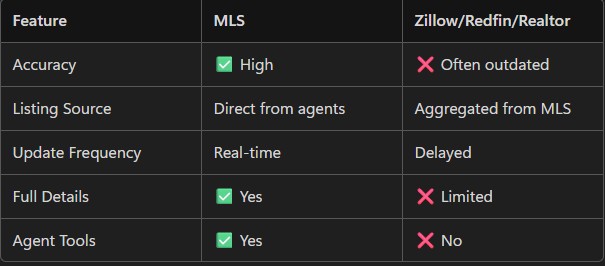
🌐 MLS vs. Zillow, Redfin, and Realtor.com
You might be wondering: “Why do I need the MLS when I can just browse homes online?”
Here’s the difference:
| Feature | MLS | Zillow/Redfin/Realtor |
|---|---|---|
| Accuracy | ✅ High | ❌ Often outdated |
| Listing Source | Direct from agents | Aggregated from MLS |
| Update Frequency | Real-time | Delayed |
| Full Details | ✅ Yes | ❌ Limited |
| Agent Tools | ✅ Yes | ❌ No |
🛠️ MLS Technology and Innovation
Modern MLS systems are powered by cutting-edge tech, including:
- RESO Web API for seamless data sharing
- AI-powered search tools for smarter matching
- Mobile apps for on-the-go access
- Virtual tours and 3D walkthroughs
These innovations make the MLS more accessible and user-friendly than ever before.
🌍 The Future of the MLS
The MLS landscape is evolving rapidly:
- Consolidation: Smaller MLSs are merging into larger regional platforms for better efficiency.
- Global Expansion: MLSs are emerging in Mexico, Europe, and Asia
.
- Consumer Access: Some MLSs are experimenting with direct-to-consumer portals.
- Data Transparency: New rules are making MLS data more open and standardized.
The goal? A more connected, transparent, and equitable real estate market.
🧠 Common Myths About the MLS
Let’s bust a few misconceptions:
- ❌ “Only agents can benefit from the MLS.”
✅ Buyers and sellers benefit the most—agents are just the facilitators. - ❌ “The MLS is just a website.”
✅ It’s a cooperative network with strict rules and standards. - ❌ “All MLSs are the same.”
✅ Each MLS has its own rules, coverage area, and technology.
📣 Final Thoughts: Why the MLS Still Matters
In an age of apps and algorithms, the MLS remains the most trusted, accurate, and powerful tool in real estate. It’s the engine that drives the market, connecting buyers, sellers, and agents in a system built on cooperation and transparency.
Whether you’re buying, selling, or just exploring, understanding the MLS gives you a competitive edge.
🚀 Ready to Buy or Sell? Let’s Talk!
If you’re thinking about making a move, I’d love to help you navigate the process with confidence. As a licensed real estate professional with full MLS access, I can:
✅ Find hidden gems before they hit public sites
✅ Market your home to thousands of agents and buyers
✅ Guide you through every step of the transaction
Let’s make your real estate dreams a reality! 🏡✨
#realestate, #realtor, #homesforsale, #househunting, #dreamhome, #realestatelife, #justlisted, #openhouse, #realestateagent, #homebuying, #homesweethome, #propertyforsale, #mls, #realestatetips, #firsttimehomebuyer
What to Expect During a Home Appraisal in 2025: A Complete Guide

🏡 What to Expect During a Home Appraisal in 2025: A Complete Guide
Buying or selling a home is one of the most significant financial decisions you’ll ever make. One crucial step in this process is the home appraisal—a professional evaluation of a property’s market value. Whether you’re a first-time buyer, a seasoned investor, or a homeowner looking to refinance, understanding what to expect during a home appraisal can help you prepare and avoid surprises.
In this guide, we’ll walk you through:
- What a home appraisal is
- Why it matters
- What appraisers look for
- How to prepare
- What happens after the appraisal
- 2025 updates to the appraisal process
- Common myths and FAQs
Let’s dive in! 🏊♂️
🧾 What Is a Home Appraisal?
A home appraisal is an unbiased estimate of a property’s fair market value, conducted by a licensed appraiser. Mortgage lenders require appraisals to ensure they’re not lending more than the home is worth. This protects both the lender and the buyer from overpaying.
🔍 When Do You Need an Appraisal?
- Buying a home (required by lenders)
- Refinancing a mortgage
- Selling a home (to set a competitive price)
- Home equity loans or lines of credit
🛠️ What Appraisers Look for During a Home Appraisal
Appraisers evaluate both the interior and exterior of the home, as well as comparable sales in the area. Here’s what they focus on:
1. 🏠 Property Size and Layout
- Square footage
- Number of bedrooms and bathrooms
- Functional layout
2. 🧱 Structural Integrity
- Foundation condition
- Roof age and quality
- Walls, ceilings, and floors
3. 🛋️ Interior Features
- Flooring, cabinetry, countertops
- Appliances and fixtures
- HVAC systems
4. 🧼 Cleanliness and Maintenance
- General upkeep
- Signs of neglect or damage
5. 🌳 Curb Appeal and Landscaping
- Exterior paint and siding
- Driveway and walkways
- Lawn and garden condition
6. 📍 Location and Neighborhood
- School district
- Proximity to amenities
- Crime rates and desirability
7. 📊 Comparable Sales (Comps)
- Recent sales of similar homes nearby
- Adjustments for differences in features
🧠 2025 Appraisal Updates You Should Know
The appraisal process has evolved significantly in 2025, thanks to technology and regulatory changes:
🔄 Dynamic UAD Reports
The Uniform Appraisal Dataset (UAD) has been overhauled. Reports are now dynamic and tailored to each property type, making them more accurate and easier to understand.
🤖 AI-Assisted Appraisals
Artificial Intelligence is now used to analyze market data and property features, helping appraisers make more informed decisions.
📱 Digital Tools in the Field
Appraisers now use tablets and mobile apps to collect data, improving speed and accuracy.
🧾 Expanded Comment Sections
Reports now include detailed, expandable comment sections, reducing the need for separate addendums.
🧹 How to Prepare for a Home Appraisal
Want to get the best possible valuation? Here’s how to prepare:
✅ 1. Clean and Declutter
A tidy home makes a great first impression.
🔧 2. Make Minor Repairs
Fix leaky faucets, squeaky doors, and chipped paint.
🌿 3. Boost Curb Appeal
Mow the lawn, trim bushes, and clean the exterior.
📄 4. Provide a List of Upgrades
Include dates and costs of renovations or improvements.
🐶 5. Secure Pets
Keep pets out of the way to avoid distractions.
⏱️ How Long Does a Home Appraisal Take?
- On-site inspection: 30 minutes to 2 hours
- Report delivery: 2 to 7 business days
Factors like property size, complexity, and appraiser workload can affect timing.
📉 What Happens After the Appraisal?
🟢 If the Appraisal Meets or Exceeds the Offer:
- The loan proceeds as planned.
🔴 If the Appraisal Comes in Low:
- Renegotiate the price
- Pay the difference out of pocket
- Request a second appraisal
🧾 Common Appraisal Myths—Busted!
❌ Myth 1: Appraisers Work for the Buyer
Truth: They work for the lender to ensure the loan is sound.
❌ Myth 2: A Clean House Increases Value
Truth: Cleanliness helps presentation but doesn’t directly affect value.
❌ Myth 3: Appraisals and Inspections Are the Same
Truth: Inspections look for problems; appraisals determine value.
💡 Pro Tips for Buyers and Sellers
For Buyers:
- Don’t waive the appraisal contingency unless you’re confident in the value.
- Review the report carefully and ask questions.
For Sellers:
- Price your home realistically based on comps.
- Be presentable and cooperative during the appraisal.
📈 Real Estate Trends Impacting Appraisals in 2025
- Rising interest rates: Affect buyer demand and home values.
- Remote work: Increases demand for suburban and rural properties.
- Green upgrades: Energy-efficient homes may appraise higher.
- Smart home tech: Can add value if properly documented.
📝 Summary
A home appraisal is a vital part of the real estate process. In 2025, it’s more data-driven, tech-enhanced, and transparent than ever before. Whether you’re buying, selling, or refinancing, knowing what to expect—and how to prepare—can make all the difference.
Thinking about buying or selling a home? 🏡 Don’t leave your appraisal to chance! Contact me today for expert guidance, personalized tips, and a smooth real estate experience from start to finish. Let’s make your next move a smart one! 📞📧
#realestate, #homeappraisal, #homebuyingtips, #homesellingtips, #realestatetips, #propertyvalue, #mortgagetips, #realestate2025, #homeinspection, #househunting, #realtorlife, #realestatemarket, #appraisalprocess, #homevalue, #firsttimehomebuyer
How to Make a Competitive Offer in a Hot Market

How to Make a Competitive Offer in a Hot Market
In today’s red-hot real estate market, making a competitive offer isn’t just a good idea—it’s essential. With limited inventory, rising prices, and multiple-offer scenarios becoming the norm, buyers need to be strategic, fast, and well-prepared to win their dream home.
Whether you’re a first-time buyer or a seasoned investor, this guide will walk you through everything you need to know to craft a winning offer in a competitive housing market.
1. Understand the Market You’re In
Before you even think about making an offer, you need to understand the dynamics of your local market. Is it a seller’s market with low inventory and high demand? Are homes selling above asking price? How long are listings staying active?
Tips:
- Use tools like Zillow, Redfin, or Realtor.com to track local trends.
- Look at recent sales data to understand pricing patterns.
- Talk to a local real estate agent who knows the area inside and out.
2. Get Pre-Approved, Not Just Pre-Qualified
A pre-approval letter from a reputable lender shows sellers that you’re serious and financially capable. It’s stronger than a pre-qualification and can give you a competitive edge.
Why it matters:
- It shows you’ve already gone through underwriting.
- It gives you a clear budget.
- It speeds up the closing process.
3. Work With a Skilled Real Estate Agent
In a hot market, having a savvy agent on your side is crucial. They can help you:
- Identify homes before they hit the market.
- Craft a compelling offer.
- Negotiate effectively with the seller’s agent.
Choose an agent who is responsive, experienced in competitive markets, and well-connected in the local area.
4. Act Fast—But Smart
Homes in hot markets can go under contract within days—or even hours. If you find a home you love, don’t wait.
Pro tip:
- Tour homes as soon as they’re listed.
- Be ready to submit an offer quickly.
- Have your documents and financing in order.
5. Make a Strong First Offer
In a competitive market, lowballing is a fast track to rejection. Your first offer should be strong enough to grab the seller’s attention.
Consider:
- Offering at or above asking price.
- Including an escalation clause (more on that below).
- Showing flexibility on closing dates.
6. Include an Escalation Clause
An escalation clause automatically increases your offer if another buyer bids higher, up to a maximum amount.
Example:
“If another offer exceeds mine, I will increase my offer by $2,000 increments up to a maximum of $550,000.”
This keeps you competitive without overpaying unnecessarily.
7. Increase Your Earnest Money Deposit
Earnest money is a deposit that shows you’re serious. In hot markets, offering more than the standard 1–2% can make your offer stand out.
Why it works:
- It signals financial strength.
- It reassures the seller you won’t back out.
8. Limit Contingencies
Contingencies protect buyers but can make your offer less attractive. In a hot market, consider minimizing or waiving some contingencies—carefully.
Common contingencies to consider:
- Inspection: You can waive it, limit it to major issues, or do a pre-inspection.
- Appraisal: Offer to cover the difference if the appraisal comes in low.
- Financing: If you’re confident, waive the financing contingency.
Important: Always consult your agent before waiving any protections.
9. Be Flexible With the Seller’s Timeline
Sometimes, it’s not just about price. Sellers may need a quick close—or more time to move out.
How to win:
- Offer a rent-back agreement.
- Match their preferred closing date.
- Be accommodating with move-out terms.
10. Cover Seller Costs
Offering to pay for things like the seller’s transfer tax, title insurance, or even moving costs can sweeten the deal without raising the sale price.
11. Use a Clean, Simple Offer Package
Make your offer easy to accept. Include:
- A clean, well-written contract.
- All necessary disclosures.
- Proof of funds and pre-approval letter.
12. Be Prepared for a Bidding War
If you’re entering a multiple-offer situation, be ready to compete. Know your max budget and stick to it.
Strategy:
- Use your escalation clause.
- Be emotionally prepared to walk away.
- Have a backup plan.
13. Consider a Non-Refundable Option Fee
In some markets, buyers offer a non-refundable fee to show commitment. This is risky but can be persuasive.
14. Stay Positive and Persistent
You might lose a few homes before you win one. Don’t get discouraged.
Keep in mind:
- Every offer is a learning experience.
- The right home will come along.
- Your agent is your best ally.
Conclusion: Winning in a Hot Market Takes Strategy and Heart
Making a competitive offer in a hot market isn’t just about throwing money at the problem. It’s about preparation, timing, and understanding what sellers value most. By following the strategies above, you’ll be in a strong position to stand out—and win.
Ready to Make Your Move?
If you’re serious about buying in today’s competitive market, don’t go it alone. Let’s work together to craft a winning strategy and find your dream home. Contact me today to get started!
#realestate, #homebuying, #hotmarket, #realestatetips, #competitiveoffer, #househunting, #realestate2025, #buyersmarket, #sellersmarket, #dreamhome, #realestateagent, #propertymarket, #realestatenews, #homegoals, #realestatelife
The Ultimate Guide to Mortgage Types in 2025: Pros, Cons & How to Choose the Right One
🏡 The Ultimate Guide to Mortgage Types in 2025: Pros, Cons & How to Choose the Right One
Buying a home is one of the biggest financial decisions you’ll ever make—and choosing the right mortgage can make or break your experience. With interest rates fluctuating and new loan products emerging, understanding your options in 2025 is more important than ever.
In this guide, we’ll explore the most common mortgage types, their advantages and disadvantages, and how to decide which one fits your financial goals. Whether you’re a first-time buyer, a military veteran, or a seasoned investor, this post is for you!
🔍 Why Mortgage Type Matters
Your mortgage type affects:
- Your monthly payments
- How much interest you’ll pay over time
- Your eligibility based on credit and income
- Your financial flexibility in the future
Let’s dive into the most popular mortgage types in 2025 and break down the pros and cons of each.
🧱 1. Fixed-Rate Mortgage (FRM)
✅ Pros:
- Predictable payments: Your interest rate stays the same for the life of the loan.
- Great for long-term planning: Ideal if you plan to stay in your home for 10+ years.
- Protection from rate hikes: No surprises if market rates rise.
❌ Cons:
- Higher initial rates: Compared to ARMs, fixed rates start higher.
- Less flexibility: If rates drop, you’ll need to refinance to benefit.
Best For:
- Buyers who value stability and plan to stay put.
🔗 Learn more about fixed-rate mortgages
🔄 2. Adjustable-Rate Mortgage (ARM)
✅ Pros:
- Lower initial rates: Great for short-term savings.
- Potential to save: If rates stay low, you could pay less over time.
❌ Cons:
- Uncertainty: Rates can rise, increasing your monthly payment.
- Complex terms: Caps, margins, and indexes can be confusing.
Best For:
- Buyers who plan to move or refinance within a few years.
🔗 Explore how ARMs work
🧮 3. Interest-Only Mortgage
✅ Pros:
- Lower payments initially: You only pay interest for a set period.
- Cash flow flexibility: Ideal if your income is expected to rise.
❌ Cons:
- No equity build-up: You’re not paying down the principal.
- Payment shock: Payments jump when the interest-only period ends.
Best For:
- Investors or high-income earners with variable income.
🔗 Interest-only mortgage explained
🏛️ 4. FHA Loan (Federal Housing Administration)
✅ Pros:
- Low down payment: As little as 3.5%.
- Lenient credit requirements: Great for first-time buyers.
❌ Cons:
- Mortgage insurance required: Adds to monthly costs.
- Loan limits: May not cover high-cost areas.
Best For:
- First-time buyers or those with lower credit scores.
🔗 FHA loan eligibility and benefits
🎖️ 5. VA Loan (Veterans Affairs)
✅ Pros:
- No down payment required.
- No private mortgage insurance (PMI).
- Competitive interest rates.
❌ Cons:
- Eligibility restricted: Only for veterans, active-duty service members, and some spouses.
- Funding fee: May apply upfront.
Best For:
- Eligible military personnel and veterans.
🔗 Check VA loan eligibility
💼 6. USDA Loan (U.S. Department of Agriculture)
✅ Pros:
- Zero down payment.
- Low interest rates.
- Flexible credit guidelines.
❌ Cons:
- Location restrictions: Only for rural and some suburban areas.
- Income limits: Based on household size and location.
Best For:
- Buyers in rural areas with moderate income.
🔗 Find eligible USDA areas
💰 7. Jumbo Loan
✅ Pros:
- Higher loan limits: For luxury or high-cost homes.
- Flexible terms: Fixed or adjustable options.
❌ Cons:
- Stricter requirements: Higher credit scores and larger down payments.
- Higher interest rates: Compared to conforming loans.
Best For:
- Buyers purchasing high-value properties.
🔗 Jumbo loan basics
🧾 8. Non-QM Loans (Non-Qualified Mortgages)
✅ Pros:
- Flexible documentation: Great for self-employed or gig workers.
- Alternative income verification.
❌ Cons:
- Higher interest rates.
- Less regulation: May carry more risk.
Best For:
- Buyers with non-traditional income or unique financial situations.
🔗 What is a Non-QM loan?
🧠 How to Choose the Right Mortgage Type
Here are a few questions to ask yourself:
- How long do I plan to stay in the home?
- What’s my credit score and income stability?
- Do I have savings for a down payment?
- Am I eligible for government-backed loans?
- Do I prefer predictable payments or initial savings?
Use tools like mortgage calculators and speak with a licensed mortgage advisor to compare options.
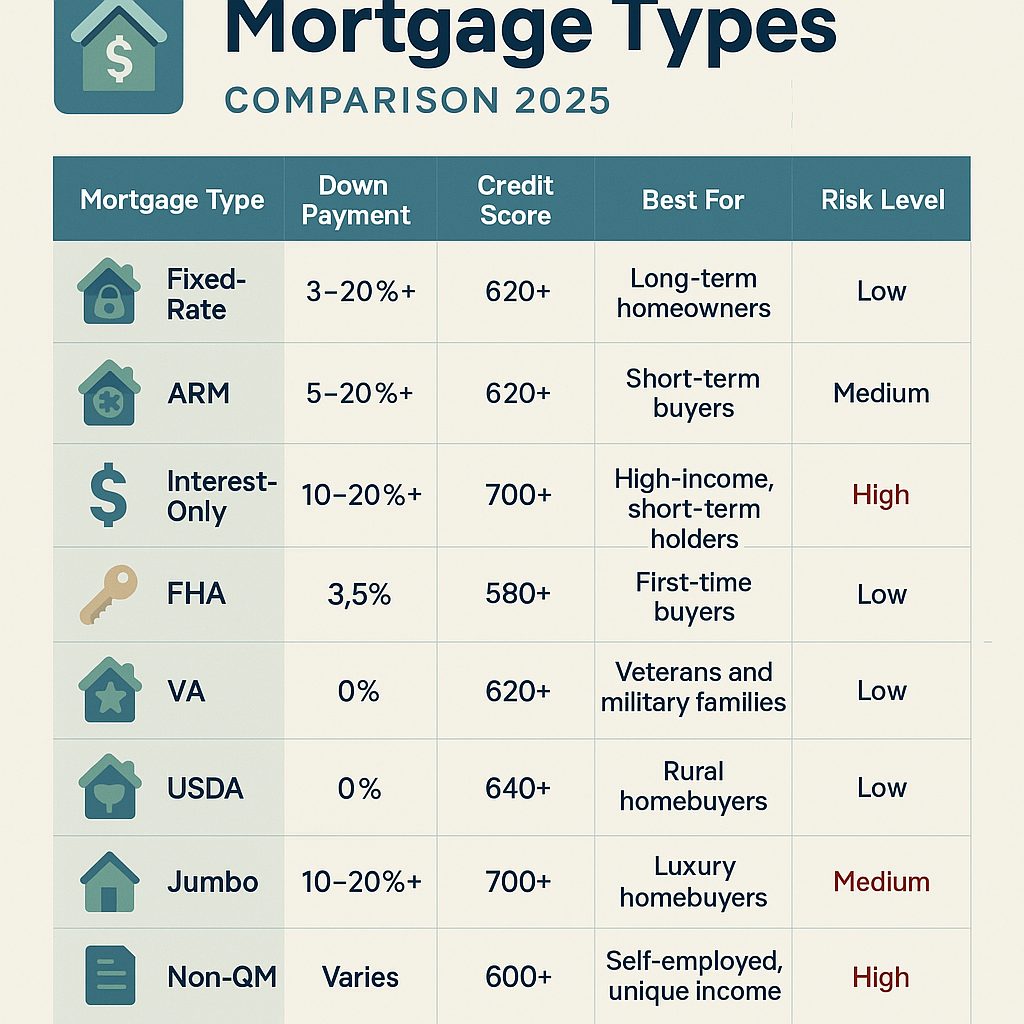
📊 Mortgage Comparison Table
| Mortgage Type | Down Payment | Credit Score | Best For | Risk Level |
|---|---|---|---|---|
| Fixed-Rate | 3–20%+ | 620+ | Long-term homeowners | Low |
| ARM | 5–20%+ | 620+ | Short-term buyers | Medium |
| Interest-Only | 10–20%+ | 700+ | High-income, short-term holders | High |
| FHA | 3.5% | 580+ | First-time buyers | Low |
| VA | 0% | 620+ | Veterans and military families | Low |
| USDA | 0% | 640+ | Rural homebuyers | Low |
| Jumbo | 10–20%+ | 700+ | Luxury homebuyers | Medium |
| Non-QM | Varies | 600+ | Self-employed, unique income | High |
📣 Ready to Take the Next Step?
Whether you’re buying your first home or upgrading to your dream property, choosing the right mortgage is key 🔑. I’m here to help you navigate the process with confidence and clarity.
👉 Let’s talk about your mortgage goals today!
#realestate, #mortgage, #homebuying, #firsttimehomebuyer, #realestateinvesting, #mortgagetips, #homeownership, #realestategoals, #propertyinvestment, #househunting, #realtorlife, #financialfreedom, #realestatemarket, #dreamhome, #mortgagerates
Is Real Estate a Good Investment in 2025? Let’s Break It Down!

🏡 Is Real Estate a Good Investment in 2025? Let’s Break It Down!
Real estate has long been considered one of the most reliable paths to building wealth. But in 2025, with economic shifts, evolving technologies, and changing lifestyles, many are asking: Is real estate still a good investment? 🤔
The short answer? Yes—but with strategy. Let’s dive into the trends, opportunities, and challenges shaping the real estate landscape this year and help you decide if it’s the right move for you.
📈 The 2025 Real Estate Landscape: What’s New?
1. Interest Rates Are Stabilizing
After the aggressive rate hikes of 2023 and 2024, the Federal Reserve is signaling a more balanced approach in 2025. Mortgage rates, while still higher than pre-pandemic levels, are showing signs of stabilization
2. Demand for Rental Properties Is Soaring
With homeownership becoming less affordable for many, rental demand is booming. Millennials and Gen Z are prioritizing flexibility, and many are choosing to rent longer. This trend is especially strong in urban hubs and growing secondary cities.
3. Tech-Driven Real Estate Is on the Rise
From AI-powered property management to virtual tours and blockchain-based transactions, technology is transforming how we buy, sell, and manage real estate. Investors who embrace these tools can gain a competitive edge.
4. Sustainability Is a Must
Eco-conscious buyers and renters are driving demand for green buildings. Properties with energy-efficient features, solar panels, and sustainable materials are not only better for the planet 🌍 but also command higher rents and resale values.
🏘️ Top Real Estate Investment Trends in 2025
According to Forbes, here are some of the most impactful trends this year:
- Increased spending on both new and existing properties
- Diversification across property types and geographies
- A shift away from high-risk climate zones
- Rising demand for flexible, hybrid-friendly spaces
- Focus on resilience and disaster-proof construction
These trends suggest that investors are becoming more strategic and future-focused—a smart move in a dynamic market.
💡 Where Are the Opportunities?
1. Secondary Cities and Suburbs
Markets like Cincinnati, OH, Raleigh, NC, and Boise, ID are seeing strong growth. These areas offer lower entry costs, growing job markets, and high rental demand.
2. Build-to-Rent Communities
These purpose-built rental neighborhoods are gaining traction, especially among families who want the feel of a home without the mortgage.
3. Short-Term Rentals (STRs)
Despite regulatory hurdles in some cities, STRs remain profitable in tourist-heavy areas. Platforms like Airbnb and Vrbo continue to offer lucrative returns for well-managed properties.
4. Commercial Real Estate (CRE) Reimagined
While traditional office spaces are struggling, flex spaces, co-working hubs, and mixed-use developments are thriving. Investors are pivoting to meet the needs of a hybrid workforce.
⚠️ The Risks You Shouldn’t Ignore
No investment is without risk. Here are some to watch in 2025:
- Market Volatility: While more stable than recent years, the market is still sensitive to economic shifts.
- Climate Risk: Properties in flood-prone or wildfire-prone areas may face rising insurance costs or declining value.
- Regulatory Changes: Rent control laws, zoning changes, and STR regulations can impact profitability.
- Affordability Crisis: Skyrocketing home prices in some markets may limit appreciation potential.
Smart investors mitigate these risks by diversifying, doing thorough due diligence, and staying informed.
🧠 Real Estate Investment Strategies That Work in 2025
1. Buy and Hold
This classic strategy remains strong, especially in high-demand rental markets. Look for properties with solid cash flow and long-term appreciation potential.
2. House Hacking
Live in one unit of a multi-family property and rent out the others. It’s a great way to offset your mortgage and build equity.
3. REITs (Real Estate Investment Trusts)
Want exposure without the hassle of property management? REITs offer a hands-off way to invest in real estate through the stock market.
4. Fix and Flip
Still viable in 2025, especially in undervalued neighborhoods. Just be cautious of rising renovation costs and longer holding times.
📊 Real Estate vs. Other Investments in 2025
| Investment Type | Pros | Cons |
|---|---|---|
| Real Estate | Tangible asset, cash flow, tax benefits | Illiquid, management required |
| Stocks | High liquidity, passive | Volatile, no control |
| Crypto | High upside potential | Extremely volatile, speculative |
| Bonds | Stable, predictable | Low returns, inflation risk |
Real estate offers a balanced mix of income and appreciation, making it a strong contender for long-term wealth building.
🧭 Who Should Invest in Real Estate in 2025?
✅ You’re looking for passive income
✅ You want to hedge against inflation
✅ You’re ready to commit to a long-term strategy
✅ You’re comfortable with some level of risk and management
If that sounds like you, real estate could be your next big move.
📣 Ready to Start Your Real Estate Journey?
Whether you’re a first-time investor or looking to expand your portfolio, I’m here to help you navigate the 2025 market with confidence. Let’s talk about your goals, budget, and the best strategy for your situation.
👉 Contact Me Today for a Free Consultation!
Let’s turn your real estate dreams into reality! 🏠💼
🏁 Conclusion: Is Real Estate a Good Investment in 2025?
Absolutely—if you play it smart. The 2025 real estate market is full of opportunities, from booming rental demand to tech-driven efficiencies. But it also requires a strategic mindset, awareness of risks, and a willingness to adapt.
With the right approach, real estate remains one of the most powerful tools for building wealth in today’s economy.
🔖 Top Real Estate Hashtags for 2025
#realestate, #realestateinvesting, #propertyinvestment, #rentalproperty, #realestatetips, #investinrealestate, #realestate2025, #passiveincome, #financialfreedom, #househacking, #REITs, #buildtorent, #shorttermrentals, #realestatewealth, #propertymarket
📊 How to Read the Real Estate Market Like a Pro 🏡

📊 How to Read the Real Estate Market Like a Pro 🏡
Understanding the real estate market can feel like decoding a secret language. But with the right tools and insights, anyone can learn to read the market like a seasoned pro. Whether you’re a first-time homebuyer, an investor, or simply curious, this guide will walk you through the essential steps to mastering market analysis. Let’s dive in! 🔍
1. Know the Market Cycles 🔄
Real estate markets move in predictable cycles:
- Recovery: Prices are low, demand is slowly rising.
- Expansion: Construction increases, prices climb.
- Hyper-supply: Overbuilding occurs, demand slows.
- Recession: Prices drop, activity declines.
📌 Pro Tip: Identify your local market’s phase to time your buying or selling decisions strategically.
2. Analyze Supply and Demand 📈📉
High demand + low supply = rising prices.
Low demand + high supply = falling prices.
Track these indicators:
- Housing inventory
- Days on market
- New construction permits
🧠 Interactive Tip: Check your local MLS or Zillow to see how long homes are staying on the market in your area.
3. Track Interest Rates 💰
Interest rates directly affect mortgage affordability. Lower rates = more buyers = higher prices.
📊 Watch:
- Federal Reserve announcements
- Inflation trends
- Mortgage rate forecasts
💡 Did You Know? A 1% drop in interest rates can increase your buying power by up to 10%!
4. Study Local Economic Indicators 🏙️
A strong local economy = strong housing demand.
Look at:
- Job growth
- Population trends
- Median income levels
📍 Example: If a major employer is moving into town, expect a housing boom!
5. Compare Price Trends Over Time 📊
Use historical data to spot trends:
- Are prices rising steadily?
- Is there a seasonal pattern?
- Are there sudden spikes or drops?
🛠️ Tools: Zillow, Redfin, Realtor.com
📈 Try This: Plot home prices in your zip code over the last 5 years. What do you see?
6. Evaluate Rental Yields and Vacancy Rates 🏘️
For investors, rental yield = key metric.
- High yield + low vacancy = strong rental market
- Low yield + high vacancy = risky investment
📐 Formula:
Rental Yield = (Annual Rent / Property Price) × 100
🔍 Check: Local rent averages, tenant turnover, and occupancy rates.
7. Understand Government Policies and Incentives 🏛️
Policies can make or break a market:
- Tax incentives for buyers/investors
- Zoning changes
- Rent control laws
- First-time buyer programs
🧾 Stay Informed: Follow your city’s housing authority or planning department for updates.
8. Use Technology and Tools 🧠💻
Modern tools make market analysis easier than ever:
- PropStream: Investment analysis
- CoreLogic: Market trends
- Realtor.com: Neighborhood insights
- Mashvisor: Rental property data
🧭 Explore: Use heat maps to find hot neighborhoods!
9.Hire me to take care of all of this!
🎯 Conclusion
Reading the real estate market like a pro requires a mix of data analysis, local knowledge, and continuous learning. By following these steps, you’ll be better equipped to make smart, confident decisions whether you’re buying, selling, or investing.
🚀 Ready to Take the Next Step?
Contact me today for personalized insights and opportunities tailored to your goals! Let’s make your property dreams a reality. 🏡✨
#RealEstate, #PropertyInvestment, #HousingMarket, #RealEstateTips, #HomeBuying, #MarketTrends, #RealEstateExpert, #InvestSmart, #RealtorLife, #RealEstateGoals
What to Expect During the Home Appraisal: A Complete Guide for Buyers and Sellers

🏡 What to Expect During the Home Appraisal: A Complete Guide for Buyers and Sellers
Introduction
Whether you’re buying or selling a home, the home appraisal is a pivotal step in the real estate process. It determines the fair market value of a property and can influence everything from mortgage approval to final negotiations. Understanding what happens during a home appraisal can help you prepare, avoid surprises, and ensure a smoother transaction.
What Is a Home Appraisal?
A home appraisal is an unbiased professional opinion of a home’s value, conducted by a licensed appraiser. Lenders require appraisals to ensure the property is worth the amount being financed.
Step-by-Step: What to Expect During the Home Appraisal
1. 📅 Scheduling the Appraisal
Once the buyer’s lender initiates the mortgage process, they’ll order an appraisal. The appraiser will contact the seller (or their agent) to schedule a time to visit the property. This usually happens after the home inspection but before final loan approval.
👉 Learn more about how mortgage appraisals work.
2. 🏠 On-Site Property Inspection
The appraiser visits the home to conduct a thorough inspection, which typically includes:
- Measuring square footage
- Evaluating the condition of the home
- Taking photos of the interior and exterior
- Noting upgrades, renovations, or damage
- Assessing curb appeal and landscaping
3. 📊 Market Analysis & Comparable Sales
After the inspection, the appraiser researches comparable properties (or “comps”) that have recently sold in the area. These comps should be similar in:
- Size
- Age
- Location
- Condition
- Features
You can explore how comps are selected using tools like Zillow’s Zestimate or Redfin’s Home Value Estimator.
4. 📝 The Appraisal Report
The appraiser compiles all findings into a detailed report, which includes:
- Property description
- Photos and measurements
- Market data and comps
- Final appraised value
📄 Here’s a sample Uniform Residential Appraisal Report (URAR) used by most lenders.
What If the Appraisal Comes in Low?
This is one of the most nerve-wracking outcomes for both parties. If the appraisal is lower than the agreed purchase price, here are your options:
For Buyers:
- Renegotiate the price
- Pay the difference out of pocket
- Dispute the appraisal
- Walk away if the contract allows
For Sellers:
- Lower the price
- Challenge the appraisal
- Request a second appraisal
- Wait for another buyer
Tips for Sellers: How to Prepare for a Home Appraisal 🧹
Want to get the best possible value? Here’s how to impress the appraiser:
- ✅ Clean and declutter
- 🛠️ Make minor repairs
- 📋 Provide a list of upgrades
- 🌳 Boost curb appeal
- 💡 Highlight unique features
Tips for Buyers: Navigating the Appraisal Process 🧭
- 🧾 Review the report carefully
- 💬 Communicate with your agent
- 🏦 Be prepared financially
How Long Does a Home Appraisal Take?
- On-site visit: 30 minutes to 2 hours
- Report preparation: 2–7 business days
- Total timeline: Usually 1–2 weeks from scheduling to final report
Who Pays for the Appraisal?
Typically, the buyer pays for the appraisal as part of their closing costs. The fee ranges from $300 to $600, depending on the property and location.
Appraisal vs. Home Inspection: What’s the Difference?
| Feature | Appraisal 🧾 | Inspection 🔍 |
|---|---|---|
| Purpose | Determine market value | Identify condition issues |
| Ordered by | Lender | Buyer |
| Required for loan? | Yes | No (but highly recommended) |
| Conducted by | Licensed appraiser | Certified home inspector |
🔗 Learn more about home inspections.
Conclusion: Why the Appraisal Matters
The home appraisal is more than just a formality — it’s a critical checkpoint in the real estate journey. It ensures that the price is fair, the investment is sound, and the transaction can move forward with confidence.
Whether you’re buying your dream home or selling a beloved property, understanding the appraisal process helps you stay informed, prepared, and empowered. 💪
📣 Call to Action
Thinking about buying or selling a home? 🏡
Let’s make your real estate journey smooth, successful, and stress-free.
📞 Contact me today to get started — I’m here to help every step of the way! 🌟
#RealEstate, #HomeForSale, #JustListed, #LuxuryRealEstate, #DreamHome, #RealtorLife, #HouseHunting, #NewListing, #RealEstateInvesting, #OpenHouse, #InvestmentProperty, #RealEstateMarketing, #PropertyForSale, #RealtyExperts, #BuySellRent
The Hidden Costs of Buying a Home in 2025 You Must Budget For

🏡 The Hidden Costs of Buying a Home in 2025 You Must Budget For
Buying a home is a dream for many — a symbol of stability, success, and independence. But while most buyers focus on the down payment and monthly mortgage, there’s a whole world of hidden costs that can catch you off guard. In 2025, these costs are higher than ever, with the average homeowner spending over $21,000 annually on expenses beyond their mortgage
https://www.bankrate.com/home-equity/hidden-costs-of-homeownership-study/
If you’re planning to buy a home this year, this guide will help you uncover the true cost of homeownership — and how to budget smartly so you’re not blindsided. 🧾
💸 1. Property Taxes: The Silent Budget Buster
Property taxes vary widely by location, but they’re a guaranteed annual expense. In 2025, the average homeowner pays around $3,057 per year in property taxes
https://www.realestatewitch.com/cost-of-owning-a-home-2025/
🔍 What to Know:
- Rates vary by state and county — check your local tax assessor’s website.
- Taxes can increase if your home value rises.
- Some areas offer exemptions for seniors or veterans.
👉 Tip: Use tools like SmartAsset’s Property Tax Calculator to estimate your annual tax bill.
🛠️ 2. Maintenance & Repairs: The Never-Ending To-Do List
Homeownership means you are the landlord. That leaky faucet, broken HVAC, or cracked driveway? It’s all on you.
In 2025, the average homeowner spends $6,087 annually on maintenance and repairs
Common Costs:
- HVAC servicing: $150–$500/year
- Roof repairs: $300–$1,000+
- Lawn care: $50–$300/month
- Pest control: $100–$300/year
🧰 Pro Tip: Budget 1–2% of your home’s value annually for maintenance. For a $400,000 home, that’s $4,000–$8,000/year.
🔌 3. Utilities: The Monthly Drain
Utilities are often underestimated. In 2025, the average homeowner spends $7,319/year on utilities
Typical Monthly Utility Bills:
- Electricity: $150–$250
- Water/Sewer: $50–$100
- Gas: $50–$150
- Trash: $20–$50
- Internet/Cable: $100–$200
🌱 Energy-saving tip: Invest in smart thermostats and LED lighting to cut costs.
🛡️ 4. Homeowners Insurance: Required and Rising
Homeowners insurance is mandatory if you have a mortgage. In 2025, the average annual premium is $2,304
Factors That Affect Your Premium:
- Location (flood/fire zones)
- Home value and age
- Deductible amount
- Bundling with auto insurance
🔗 Compare rates on Policygenius or Lemonade.
🏘️ 5. HOA Fees: The Hidden Monthly Bill
If your home is in a community with a Homeowners Association (HOA), expect to pay $3,077/year on average
What HOA Fees Cover:
- Landscaping
- Snow removal
- Pool/gym maintenance
- Security
⚠️ Watch out: Some HOAs charge special assessments for major repairs.
🧾 6. Closing Costs: The Upfront Surprise
Closing costs typically range from 2–5% of the home’s purchase price. On a $400,000 home, that’s $8,000–$20,000.
What’s Included:
- Loan origination fees
- Title insurance
- Appraisal and inspection fees
- Escrow deposits
💡 Tip: Ask your lender for a Loan Estimate early in the process to avoid surprises.
🪜 7. Renovations & Upgrades: The Lifestyle Enhancers
Even if your home is move-in ready, you’ll likely want to make it your own. In 2025, homeowners spend an average of $5,762/year on renovations
Popular Projects:
- Kitchen remodel: $10,000–$50,000
- Bathroom upgrade: $5,000–$20,000
- Flooring: $3–$12/sq ft
🎨 DIY Tip: Start small with paint, lighting, and hardware changes.
🧼 8. Furnishing Your Home: The Sneaky Expense
New home = new furniture. Even if you bring some items, you’ll likely need to buy more.
Average Costs:
- Living room set: $2,000–$5,000
- Bedroom set: $1,500–$3,000
- Appliances: $3,000–$10,000
🛋️ Budget Tip: Shop secondhand or wait for holiday sales.
🧯 9. Safety & Security: Peace of Mind Isn’t Free
Security systems, smoke detectors, and carbon monoxide alarms are essential.
Costs:
- Security system: $200–$1,000+ upfront, $20–$60/month
- Smart locks/cameras: $100–$500
- Fire extinguishers: $20–$50 each
🔐 Consider smart home bundles from Ring or SimpliSafe.
🧾 10. Unexpected Emergencies: The Rainy Day Fund
From burst pipes to storm damage, emergencies happen. Experts recommend keeping 3–6 months of expenses in savings.
💡 Pro Tip: Set up a dedicated home emergency fund to avoid dipping into your main savings.
📊 Real Cost Breakdown (2025 Averages)
| Expense Category | Annual Cost |
|---|---|
| Property Taxes | $3,057 |
| Maintenance & Repairs | $6,087 |
| Utilities | $7,319 |
| Homeowners Insurance | $2,304 |
| HOA Fees (if applicable) | $3,077 |
| Renovations | $5,762 |
| Total (non-mortgage) | $24,529 |
🧠 Final Thoughts: Budget Beyond the Mortgage
Buying a home is a huge milestone — but it’s also a long-term financial commitment. By understanding and planning for these hidden costs, you’ll avoid stress and enjoy your home more fully.
🎯 Remember: The mortgage is just the beginning. Budget wisely, plan ahead, and don’t let surprise expenses derail your dream.
📣 Ready to Buy Smart?
If you’re thinking about buying a home and want expert guidance on budgeting, financing, and navigating the hidden costs — I’m here to help!
👉 Contact Me Today for a free consultation and let’s make your homeownership journey smooth, informed, and stress-free.
#RealEstateTips, #HomeBuying2025, #HiddenCosts, #FirstTimeHomeBuyer, #HomeOwnership, #BudgetSmart, #RealEstateAdvice, #MortgageTips, #HomeMaintenance, #FinancialFreedom, #SmartHomeBuying, #HOAFees, #PropertyTaxes, #HomeInsurance, #RealEstateInvesting
🏡 Smart Ways to Save for a Down Payment on a Home

🏡 Smart Ways to Save for a Down Payment on a Home
Buying a home is one of the most exciting — and financially significant — milestones in life. But before you can unlock the door to your dream home, you’ll need to save for a down payment. Whether you’re aiming for 3%, 10%, or 20%, the process can feel overwhelming. The good news? With the right strategies and a bit of discipline, you can reach your goal faster than you think. 💪
Here are 30 practical, proven ways to help you save for a down payment and move one step closer to homeownership. 🏠
1. Set a Clear Savings Goal 🎯
Start by determining how much you need. A 20% down payment on a $300,000 home is $60,000. But many loan programs allow for much less. Once you know your target, break it down into monthly savings goals to stay on track.
2. Open a Dedicated Savings Account 🏦
Keep your down payment funds separate from your everyday spending. A high-yield savings account or money market account can help your money grow while keeping it accessible.
3. Automate Your Savings 🤖
Set up automatic transfers from your checking to your savings account each payday. Treat your savings like a recurring bill — non-negotiable and consistent.
4. Cut Unnecessary Expenses ✂️
Review your monthly budget and identify areas to trim. Cancel unused subscriptions, dine out less, or switch to a more affordable phone plan. Every dollar saved adds up!
5. Boost Your Income 💼
Consider a side hustle, freelance work, or selling unused items online. Even a few hundred extra dollars a month can significantly accelerate your savings timeline.
6. Use Windfalls Wisely 🎁
Tax refunds, bonuses, or gifts can give your savings a big boost. Instead of spending them, deposit them directly into your down payment fund.
7. Explore Down Payment Assistance Programs 🏘️
Many states and local governments offer grants or low-interest loans to help first-time buyers. These programs can reduce the amount you need to save — or eliminate it entirely.
8. Create a Budget and Stick to It 📊
A well-planned budget is essential for saving money. Track your income and expenses to identify areas where you can cut back. Allocate a specific amount each month towards your down payment fund and stick to it.
9. Reduce High-Interest Debt 💳
High-interest debt, such as credit card debt, can hinder your savings progress. Focus on paying off these debts first to free up more money for your down payment savings.
10. Save Your Spare Change 🪙
Use apps that round up your purchases to the nearest dollar and save the spare change. Over time, these small amounts can add up and contribute to your down payment fund.
11. Take Advantage of Employer Benefits 🏢
Some employers offer benefits such as employee stock purchase plans or retirement savings matching. Take advantage of these programs to boost your savings.
12. Live Below Your Means 🏡
Avoid lifestyle inflation and live below your means. This means spending less than you earn and saving the difference. It may require some sacrifices, but it will pay off in the long run.
13. Consider Downsizing 🚗
If you have a large home or expensive car, consider downsizing to reduce your expenses. The money saved can be redirected towards your down payment fund.
14. Rent Out a Room 🛏️
If you have extra space in your home, consider renting out a room to generate additional income. This can help you save for your down payment faster.
15. Use Cashback and Rewards Programs 💳
Take advantage of cashback and rewards programs offered by credit cards and retailers. Use the rewards to boost your down payment savings.
16. Participate in Savings Challenges 🏆
Join savings challenges or create your own to stay motivated. For example, the 52-week savings challenge involves saving an increasing amount each week for a year.
17. Avoid Impulse Purchases ⛔
Impulse purchases can quickly derail your savings goals. Before making a purchase, ask yourself if it’s a need or a want. If it’s a want, consider waiting a few days before deciding.
18. Cook at Home 🍳
Eating out can be expensive. Save money by cooking at home and packing your lunch for work. This can significantly reduce your monthly expenses.
19. Shop Smart 🛒
Look for sales, use coupons, and buy in bulk to save money on groceries and household items. Every dollar saved can go towards your down payment fund.
20. Limit Entertainment Expenses 🎬
Entertainment expenses, such as going to the movies or attending concerts, can add up. Look for free or low-cost alternatives, such as hiking, reading, or hosting a game night with friends.
21. Use Public Transportation 🚍
If possible, use public transportation instead of owning a car. This can save you money on gas, insurance, and maintenance.
22. Cancel Unused Memberships and Subscriptions 📉
Review your memberships and subscriptions and cancel any that you don’t use. This can free up money for your down payment savings.
23. Negotiate Bills and Expenses 💬
Negotiate with service providers, such as your cable or internet company, to lower your bills. You can also shop around for better rates on insurance and other services.
24. Save on Utilities 💡
Reduce your utility bills by being energy-efficient. Turn off lights when not in use, unplug electronics, and use a programmable thermostat to save on heating and cooling costs.
25. Plan Affordable Vacations ✈️
Vacations can be expensive, but you don’t have to give them up entirely. Plan affordable vacations, such as road trips or staycations, to save money.
26. Use Tax-Advantaged Accounts 📈
Consider using tax-advantaged accounts, such as a Health Savings Account (HSA) or Flexible Spending Account (FSA), to save on medical expenses. This can free up more money for your down payment fund.
27. Take Advantage of Employer Retirement Plans 🏦
Contribute to your employer’s retirement plan, such as a 401(k), to take advantage of any matching contributions. This can help you save for the future while also freeing up money for your down payment.
28. Invest Wisely 📊
Consider investing your savings in low-risk investments, such as bonds or mutual funds, to grow your money over time. Be sure to consult with a financial advisor to determine the best investment strategy for your goals.
29. Use a Financial Advisor 📋
A financial advisor can help you create a personalized savings plan and provide guidance on how to reach your down payment goal. They can also help you navigate the home buying process.
30. Stay Motivated and Focused 🎯
Saving for a down payment can be a long and challenging process, but staying motivated and focused on your goal is key. Celebrate small milestones along the way and remind yourself of the benefits of homeownership.
🔚 Conclusion
Saving for a down payment may seem daunting, but with a clear plan and consistent effort, it’s absolutely achievable. Start small, stay disciplined, and watch your savings grow. Your future home is closer than you think! 🏠✨
📞 Ready to Take the Next Step?
If you’re thinking about buying a home and want expert guidance on your journey, let’s connect! I can help you explore your options, find the right property, and make your dream of homeownership a reality.
📲 Contact me today to get started!
#realestate, #homebuying, #firsttimehomebuyer, #downpayment, #savemoney, #financialgoals, #realestatetips, #homeownership, #mortgage, #househunting, #dreamhome, #propertyinvestment, #realestatelife, #realtorlife, #homesweethome
Moving with Kids: 10 Expert Tips for a Smooth Family Relocation

Moving with Kids: Tips for a Smooth Transition 🚚🏡
Moving to a new home is a big deal — and when you have kids, it becomes even more of an emotional and logistical journey. Children thrive on routine and familiarity, so a move can feel like a major disruption. But with the right strategies, you can turn this transition into a positive and even exciting experience for the whole family.
Here are some practical, parent-approved tips to help make moving with kids smoother and less stressful.
1. Prepare Them in Advance 📅
Start the conversation early. Kids need time to process big changes. Explain why you’re moving and what they can expect. Use age-appropriate language and focus on the positives — a bigger room, a new backyard, or being closer to family.
Pro Tip: Read children’s books about moving to help them understand and relate.
2. Involve Them in the Process 🏠
Let your kids feel like part of the adventure. Give them small tasks like packing their toys or choosing paint colors for their new room. This gives them a sense of control and excitement.
Bonus Idea: Create a “moving countdown” calendar with stickers or drawings.
3. Keep Routines Consistent 📆
Amid the chaos of boxes and checklists, try to maintain regular routines — meals, naps, bedtime rituals. Familiarity provides comfort and stability during uncertain times.
4. Pack a Moving Day Essentials Bag 🎒
Each child should have a special bag with:
- Favorite toys or stuffed animals
- Snacks and water
- A change of clothes
- Books or games
- Comfort items like a blanket or nightlight
This helps them feel secure and entertained during the move.
5. Talk About Feelings 🗣️
Encourage your kids to express how they feel. They might be sad, scared, or even angry. Let them know it’s okay to feel that way and that you’re there to support them.
Try this: Ask open-ended questions like, “What are you most excited or nervous about?”
6. Make the New Home Feel Familiar 🛏️
Set up your child’s room first. Use their old bedding, arrange furniture similarly, and unpack their favorite items right away. Familiar surroundings help ease the transition.
7. Explore the New Neighborhood Together 🌳
Take walks, visit local parks, and check out nearby attractions. Introduce yourselves to neighbors with kids. The sooner your children feel connected to their new environment, the faster they’ll adjust.
8. Stay Positive and Patient 😊
Your attitude sets the tone. If you’re calm and optimistic, your kids are more likely to mirror that energy. Be patient — it might take time for them to fully settle in.
9. Keep in Touch with Old Friends 📱
Help your kids maintain connections with friends from their old neighborhood. Schedule video calls or plan visits if possible. This continuity can ease feelings of loss.
10. Celebrate the Move 🎉
Once you’re settled, throw a small “housewarming” celebration just for your family. It can be as simple as pizza on the floor or a backyard picnic. Celebrate the start of your new chapter together.
📣 Call to Action
Are you planning a move with your family? 🏡 Let me help you make it a smooth and stress-free experience. Whether you’re buying, selling, or just exploring your options, I’m here to guide you every step of the way.
👉 Contact me today to get started on your family’s next big adventure!
✅ Conclusion
Moving with kids doesn’t have to be overwhelming. With preparation, patience, and a little creativity, you can turn a potentially stressful event into a meaningful family milestone. Remember to involve your children, keep communication open, and focus on the positives. Before you know it, your new house will feel like home. ❤️
#RealEstate, #MovingWithKids, #FamilyHome, #NewHome, #HomeSweetHome, #MovingTips, #Relocation, #HouseHunting, #HomeBuyers, #Property, #DreamHome, #HomeGoals, #RealEstateLife, #HomeOwners, #MovingDay 🏡📦👨👩👧👦
🏡 How to Stage Your Home Like a Pro

🏡 How to Stage Your Home Like a Pro
Selling your home is a big step, and first impressions matter. Home staging is the art of preparing your property for sale by making it look its absolute best. Whether you’re working with a real estate agent or selling on your own, staging can help you sell faster and for a higher price. Let’s dive into how to stage your home like a pro.
✨ Why Home Staging Matters
Home staging isn’t just about decorating—it’s about marketing. A well-staged home:
- Highlights your home’s strengths
- Minimizes its weaknesses
- Helps buyers emotionally connect with the space
- Makes your listing photos stand out online
According to the National Association of Realtors, 82% of buyers’ agents said staging made it easier for a buyer to visualize the property as a future home.
🧹 Step 1: Declutter and Depersonalize
Start by removing anything that distracts from the home itself:
- Clear countertops, shelves, and closets to make spaces feel larger.
- Pack away personal items like family photos, memorabilia, and bold artwork.
- Minimize furniture to improve flow and make rooms feel more spacious.
💡 Pro Tip: Rent a storage unit if needed. Less is more when it comes to staging.
🧼 Step 2: Deep Clean Everything
A sparkling clean home signals that it’s been well cared for. Focus on:
- Scrubbing floors, baseboards, and walls
- Cleaning windows inside and out
- Polishing appliances and fixtures
- Eliminating odors (especially from pets or smoke)
💡 Pro Tip: Use a fresh, neutral scent like citrus or linen to create a welcoming atmosphere.
🎨 Step 3: Use Neutral Colors
Bold colors can be polarizing. Instead, opt for:
- Soft grays, beiges, or whites on walls
- Neutral-toned bedding and curtains
- Simple, elegant decor
This creates a blank canvas that allows buyers to imagine their own style in the space.
🛋️ Step 4: Arrange Furniture for Flow
Furniture should showcase the room’s purpose and size:
- Float furniture away from walls to create conversation areas
- Use rugs to define spaces in open floor plans
- Remove oversized or mismatched pieces
💡 Pro Tip: If your furniture is outdated or worn, consider renting modern pieces for staging.
🌿 Step 5: Boost Curb Appeal
The exterior is the first thing buyers see. Make it count:
- Mow the lawn and trim hedges
- Add potted plants or flowers
- Power wash the driveway and siding
- Paint or replace the front door if needed
💡 Pro Tip: A new welcome mat and house numbers can make a big difference.
💡 Step 6: Light It Up
Lighting sets the mood and makes your home feel inviting:
- Open all curtains and blinds to let in natural light
- Replace dim bulbs with bright, warm ones
- Add lamps to dark corners
💡 Pro Tip: Use mirrors to reflect light and make rooms feel larger.
🔍 Step 7: Highlight Key Features
Draw attention to your home’s best assets:
- Stage the fireplace with candles or a mirror
- Showcase built-ins with books and decor
- Frame a beautiful view with simple window treatments
💡 Pro Tip: Don’t block focal points with furniture or clutter.
🖼️ Step 8: Add Finishing Touches
Small details can make a big impact:
- Fresh flowers or greenery
- New towels in the bathroom
- Stylish throw pillows and blankets
- A bowl of fresh fruit in the kitchen
These touches make your home feel warm, lived-in, and loved.
🧠 Bonus Tips from the Pros
- Stage every room—even the laundry room and garage.
- Use scale-appropriate furniture to avoid making rooms feel cramped.
- Create lifestyle vignettes (e.g., a reading nook or breakfast tray on the bed).
- Keep it clean—especially for last-minute showings.
Thinking of selling your home? Let’s make it shine! I specialize in helping homeowners stage their properties to sell quickly and for top dollar. Contact me today for a personalized staging consultation and expert real estate advice.
✅ Conclusion
Staging your home like a pro doesn’t have to be overwhelming. With a little effort and attention to detail, you can transform your space into a buyer’s dream. Remember, you’re not just selling a house—you’re selling a lifestyle. Make it irresistible.
#RealEstate, #HomeStaging, #SellYourHome, #PropertyForSale, #HouseHunting, #DreamHome, #HomeSellingTips, #RealEstateExpert, #HomeDecor, #InteriorDesign
25 Red Flags to Watch for When Touring Homes: A Realtor’s Guide to Smart Buying

🚩 25 Red Flags to Watch for When Touring Homes: A Realtor’s Guide to Smart Buying
When you’re touring homes, it’s easy to get swept up in the excitement of granite countertops, open floor plans, and charming curb appeal. But beneath the surface, there could be costly issues hiding in plain sight. As a seasoned realtor, I’ve walked through hundreds of homes with clients—and I’ve seen it all. From subtle signs of structural damage to cleverly disguised water issues, knowing what to look for can save you thousands of dollars and years of regret.
In this comprehensive guide, I’ll walk you through 25 red flags to watch for when touring homes, explain what they might mean, and offer tips on how to respond. Whether you’re a first-time buyer or a seasoned investor, this checklist will help you make informed, confident decisions.
🏚️ Structural Red Flags
1. Cracks in Walls or Ceilings
Hairline cracks are common, but large, jagged, or stair-step cracks—especially around doors and windows—can indicate foundation issues.
What to do: Ask if the home has had a foundation inspection. If not, request one before proceeding.
2. Sagging or Sloping Floors
Uneven floors may suggest structural settling, water damage, or compromised joists.
What to do: Walk slowly through each room. If the floor feels bouncy or uneven, it’s worth a deeper inspection.
3. Sticky Doors and Windows
If doors don’t close properly or windows are hard to open, it could be due to shifting foundations or poor installation.
What to do: Test multiple doors and windows. Look for cracks above frames.
4. Visible Water Damage
Stains on ceilings, bubbling paint, or warped baseboards often point to leaks or past flooding.
What to do: Ask about the source of the damage and whether it was professionally repaired.
💧 Moisture and Drainage Issues
5. Musty Odors
A persistent musty smell can indicate mold, mildew, or hidden water damage.
What to do: Pay attention in basements, closets, and bathrooms. Trust your nose.
6. Water in the Crawl Space or Basement
Standing water or dampness in these areas can lead to mold, rot, and structural issues.
What to do: Check for sump pumps, dehumidifiers, or signs of recent water intrusion.
7. Downspouts Draining Toward the House
Improper drainage can cause foundation problems and basement leaks.
What to do: Ensure downspouts extend at least 6–10 feet away from the foundation.
8. Efflorescence on Basement Walls
White, chalky residue on concrete walls is a sign of water seepage.
What to do: Ask about waterproofing measures and whether the basement has been treated.
🔌 Electrical and Plumbing Concerns
9. Outdated Electrical Panels
Old fuse boxes or panels with aluminum wiring can be fire hazards.
What to do: Look for modern circuit breakers and ask about the age of the electrical system.
10. DIY Electrical Work
Exposed wires, mismatched outlets, or non-standard fixtures may indicate unpermitted work.
What to do: Hire a licensed electrician to inspect before closing.
11. Low Water Pressure
This could signal pipe corrosion, leaks, or municipal supply issues.
What to do: Test all faucets and showers. Ask about recent plumbing upgrades.
12. Unusual Pipe Materials
Galvanized steel or polybutylene pipes are outdated and prone to failure.
What to do: Ask for a plumbing inspection and consider replacement costs.
🧱 Exterior and Roofing Red Flags
13. Missing or Damaged Shingles
This can lead to leaks and costly roof repairs.
What to do: Ask about the age of the roof and request a roof inspection.
14. Cracked or Leaning Chimney
This may indicate foundation movement or poor construction.
What to do: Have a structural engineer evaluate the chimney.
15. Rotting Wood or Peeling Paint
These are signs of neglect and potential moisture problems.
What to do: Check window sills, decks, and trim for softness or discoloration.
16. Poor Grading
If the yard slopes toward the house, water may pool near the foundation.
What to do: Look for signs of erosion or standing water after rain.
🏠 Interior Red Flags
17. Fresh Paint in Isolated Areas
Selective painting may be hiding stains, cracks, or smoke damage.
What to do: Ask why certain areas were repainted and if repairs were made.
18. Unusual or Overpowering Scents
Strong air fresheners or candles may be masking odors from pets, mold, or smoke.
What to do: Step into closets, basements, and utility rooms to sniff out hidden smells.
19. Warped or Buckled Flooring
This often indicates water damage or poor installation.
What to do: Look closely at hardwood, laminate, and vinyl flooring for signs of lifting.
20. Inconsistent Flooring Materials
Frequent changes in flooring type may suggest patchwork renovations or past damage.
What to do: Ask about the history of renovations and request permits if applicable.
🧰 Mechanical and HVAC Issues
21. Old HVAC Systems
Heating and cooling systems typically last 10–15 years. Older units may be inefficient or near failure.
What to do: Ask for service records and check the age of the unit.
22. Inadequate Ventilation
Bathrooms and kitchens without proper vents can lead to moisture buildup and mold.
What to do: Ensure fans vent to the outside, not just into the attic.
23. Noisy or Inconsistent HVAC Operation
Loud clanking, uneven heating, or weak airflow are red flags.
What to do: Turn on the system during your tour and listen carefully.
📝 Legal and Permitting Concerns
24. Unpermitted Additions
Finished basements, garages, or sunrooms without permits can cause legal and insurance issues.
What to do: Ask for documentation and verify with the local building department.
25. Zoning or HOA Restrictions
Some homes come with rules that limit what you can do with the property.
What to do: Review HOA documents and local zoning laws before making an offer.
✅ Bonus Tips for Touring Homes Like a Pro
- Bring a flashlight to inspect dark corners, attics, and crawl spaces.
- Take notes and photos during each tour to compare later.
- Ask questions—a good agent will help you get honest answers.
- Trust your instincts—if something feels off, it probably is.
📞 Ready to Tour Homes with Confidence?
If you’re house hunting and want a trusted guide by your side, I’m here to help. I’ll walk you through every step, point out potential red flags, and make sure you find a home that’s not just beautiful—but safe, sound, and smart.
👉 Contact me today to schedule a personalized home tour or consultation. Let’s find your dream home—without the nightmares.
🏷️ Top Real Estate Hashtags
#realestate, #homebuyingtips, #househunting, #realtorlife, #firsttimehomebuyer, #realestatetips, #homeinspection, #propertytour, #dreamhome, #realestateagent, #homesweethome, #openhouse, #realestateredflags, #buyingahome, #homebuyerguide
How to Improve Your Credit Score Before Buying
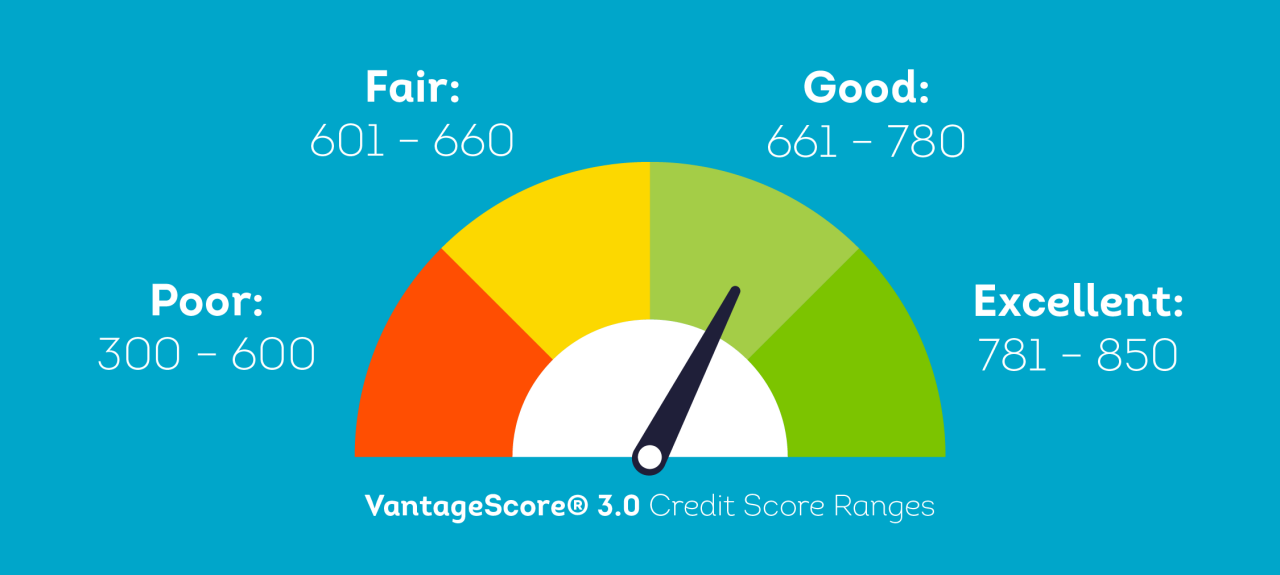
🏡 How to Improve Your Credit Score Before Buying a Home 🏡
Buying a home is a significant milestone in anyone’s life. However, before you can get the keys to your dream home, you need to ensure that your credit score is in top shape. A good credit score can save you thousands of dollars in interest over the life of your mortgage. Here’s how you can improve your credit score before buying a home.
Understanding Credit Scores 📊
Your credit score is a three-digit number that lenders use to determine your creditworthiness. It ranges from 300 to 850, with higher scores indicating better credit. Here are the factors that influence your credit score:
- Payment History (35%): Your record of on-time payments.
- Credit Utilization (30%): The amount of credit you’re using compared to your credit limits.
- Length of Credit History (15%): How long you’ve had credit accounts.
- Credit Mix (10%): The variety of credit accounts you have.
- New Credit (10%): Recent credit inquiries and newly opened accounts.
Steps to Improve Your Credit Score 🚀
- Check Your Credit Report: Obtain a free copy of your credit report from the major credit bureaus (Equifax, Experian, and TransUnion). Review it for errors and dispute any inaccuracies.
- Pay Your Bills on Time: Set up automatic payments or reminders to ensure you never miss a payment.
- Reduce Credit Card Balances: Aim to keep your credit utilization below 30%. Pay down high balances and avoid maxing out your cards.
- Avoid Opening New Credit Accounts: Each new account results in a hard inquiry, which can temporarily lower your score.
- Keep Old Accounts Open: The length of your credit history matters. Keep older accounts open to maintain a longer average credit history.
- Diversify Your Credit Mix: Having a mix of credit types (credit cards, installment loans, etc.) can positively impact your score.
- Negotiate with Creditors: If you’re struggling to make payments, contact your creditors to negotiate a payment plan.
- Become an Authorized User: Ask a family member with good credit to add you as an authorized user on their credit card.
- Use a Secured Credit Card: If you have poor credit, a secured credit card can help you rebuild your score.
- Monitor Your Credit Regularly: Use credit monitoring services to keep an eye on your score and receive alerts for any changes.
Real-World Examples 🌟
- Case Study 1: Jane improved her credit score by 100 points in six months by paying down her credit card balances and disputing an error on her credit report.
- Case Study 2: John raised his score by 50 points by becoming an authorized user on his sister’s credit card and making timely payments.
Conclusion 🏁
Improving your credit score before buying a home is crucial for securing the best mortgage rates. By following these steps, you can boost your score and save money in the long run. Remember, a higher credit score not only helps you get approved for a mortgage but also opens doors to better financial opportunities.
#RealEstate, #HomeBuying, #CreditScore, #MortgageTips, #HomeOwnership, #FinancialHealth, #CreditRepair, #DreamHome, #HouseHunting, #FirstTimeHomeBuyer
What’s the Best Day to List a Home? A Deep Dive into Timing Your Sale for Maximum Impact
What’s the Best Day to List a Home? A Deep Dive into Timing Your Sale for Maximum Impact
“Timing isn’t everything in real estate—but it’s pretty close.”
Introduction: Why Timing Matters in Real Estate
When it comes to selling your home, there are countless decisions to make—pricing, staging, marketing, and more. But one of the most overlooked yet critical factors is timing. Specifically, what day of the week and time of year you choose to list your home can significantly impact how quickly it sells and how much you get for it.
In this post, we’ll explore:
- The psychology behind buyer behavior
- Data-backed insights on the best day to list
- Seasonal trends in the housing market
- Local market nuances
- Real-world examples
- And a clear action plan for sellers
Let’s dive in.
The Psychology of Homebuyers: Why Day of the Week Matters
Imagine this: It’s Thursday morning. You’re sipping your coffee and browsing Zillow or Realtor.com. You see a fresh new listing pop up—beautiful photos, great location, and priced just right. You text your agent and schedule a showing for Saturday.
That’s the power of Thursday listings.
Homes listed on Thursdays:
- Sell faster than those listed on any other day
- Are more likely to sell above asking price
- Get more views and engagement online
Why? Because Thursday is the perfect lead-in to the weekend, when most buyers have time to tour homes. It gives them just enough time to plan, but not so much that they lose interest or get distracted by other listings.
The Data: What the Numbers Say
📊 Market Insights
Recent housing data shows that the week of April 13–19, 2025, is the best week of the year to list a home. This week offers:
- High buyer demand
- Low competition from other sellers
- Faster market pace
- Fewer price reductions
- Higher listing views
🗓 Day-of-Week Analysis
Research shows:
- Thursday is the best day to list
- Sunday is the worst (homes sit longer)
- Saturday and Monday are only marginally better than Sunday
Homes listed on Thursdays are more likely to go pending quickly and sell above list price.
Seasonal Trends: Spring into Action
🌸 Spring: The Golden Season
Spring—especially mid-April to late May—is historically the best time to sell. Why?
- Families want to move before the new school year
- Weather is ideal for showings
- Homes look better with blooming gardens and natural light
- Buyers are more active after winter hibernation
☀️ Summer: Still Strong, But Slowing
Summer remains a good time, especially early on. But as vacations ramp up and temperatures rise, buyer activity can dip.
🍂 Fall: A Second Wind
Early fall can be a sweet spot, especially in markets with mild climates. But urgency drops as the holidays approach.
❄️ Winter: Tough, But Not Impossible
Winter is the slowest season, but motivated buyers and less competition can still yield good results—especially in warm-weather states.
Local Market Nuances: Timing by Region
While national trends are helpful, real estate is hyper-local. For example:
- In Cincinnati, OH, the best time to list is the second half of May, with sellers earning up to 2.3% more.
- In Austin, TX, it’s late March.
- In Chicago, it’s late May.
That’s why it’s crucial to work with a local expert who understands your market’s unique rhythms.
The Digital Factor: Online Listings and Algorithms
Most buyers start their home search online. Platforms like Zillow, Redfin, and Realtor.com prioritize new listings, especially on high-traffic days like Thursday and Friday.
By listing on a Thursday, your home appears fresh and relevant just as buyers are planning their weekend tours. This boosts visibility and urgency.
The Agent’s Role: Strategic Listing
A savvy real estate agent will:
- Analyze local market data
- Recommend the best listing day and time
- Coordinate professional photography and staging
- Launch a marketing blitz timed with your listing
This strategic approach can make a huge difference in your final sale price and timeline.
Action Plan: How to Time Your Listing Perfectly
Here’s a step-by-step guide:
- Start prepping 4–6 weeks in advance
Declutter, deep clean, and make minor repairs. - Schedule professional photos
Ideally on a sunny day for natural light. - Choose a Thursday to list
Aim for April 13–19 if possible. - Launch your marketing
Social media, email blasts, and open house announcements. - Host showings over the weekend
Capture peak buyer interest. - Review offers by Monday
Create urgency with a deadline.
Conclusion: Timing Is Your Secret Weapon
Selling a home is both an art and a science. While you can’t control the market, you can control your timing. By listing on a Thursday, especially during mid-April, you’re giving yourself the best shot at a fast, profitable sale.
Whether you’re a first-time seller or a seasoned investor, remember: timing isn’t everything—but it’s close.
Ready to Sell? Let’s Talk!
If you’re thinking about selling your home and want to maximize your sale price and minimize stress, I’d love to help. As a local real estate expert, I’ll guide you through every step—from prepping your home to choosing the perfect listing day.
📞 Contact me today to schedule a home valuation and personalized selling strategy.
#realestate, #homeselling, #realtorlife, #houseforsale, #homebuying, #realestatetips, #openhouse, #justlisted, #realestatemarket, #propertylisting, #dreamhome, #realestateexpert, #homegoals, #realestatelife, #sellmyhome
15 Common Mistakes First-Time Home Buyers Make (And How to Avoid Them Like a Pro)

15 Common Mistakes First-Time Home Buyers Make (And How to Avoid Them Like a Pro)
Buying your first home is a major milestone — but it’s also a process filled with potential pitfalls. As a trusted real estate agent in Cincinnati, OH, I’ve helped hundreds of first-time buyers navigate the journey successfully. In this guide, I’ll walk you through the most common home buying mistakes and how to avoid them, so you can make smart, confident decisions.
🔑 1. Not Getting Pre-Approved for a Mortgage
Why it’s a mistake:
Without pre-approval, you don’t know your true budget — and sellers may not take your offer seriously.
How to avoid it:
Get pre-approved before house hunting. It strengthens your offer and helps you shop within your means.
💡 Pro Tip: Ask your lender for a pre-approval letter to include with your offer.
💸 2. Underestimating the True Cost of Homeownership
Beyond the mortgage:
- Property taxes
- Homeowners insurance
- Maintenance & repairs
- HOA fees (if applicable)
How to avoid it:
Use a home affordability calculator and build a budget that includes all recurring costs.
🏦 3. Using All Your Savings for the Down Payment
Why it’s risky:
You’ll need cash for:
- Closing costs
- Moving expenses
- Emergency repairs
How to avoid it:
Keep a reserve fund of at least 3–6 months of expenses after your down payment.
🏠 4. Ignoring First-Time Home Buyer Assistance Programs
What you might miss:
- Down payment grants
- Low-interest loans
- Tax credits
How to avoid it:
Check out HUD’s list of local programs or ask your agent about options in your area.
🤝 5. Not Hiring a Buyer’s Agent
Why it matters:
The listing agent works for the seller — not you.
How to avoid it:
Hire a buyer’s agent who will:
- Negotiate on your behalf
- Guide you through inspections and contracts
- Help you avoid costly mistakes
❤️ 6. Falling in Love with a Home Too Quickly
The danger:
Emotions can cloud judgment and lead to overpaying or ignoring red flags.
How to avoid it:
Make a list of must-haves vs. nice-to-haves. Tour multiple homes before deciding.
📍 7. Overlooking the Neighborhood
What to research:
- School ratings
- Crime statistics
- Commute times
- Future development
How to avoid it:
Visit the area at different times of day. Use tools like Niche.com or GreatSchools.org.
🔍 8. Skipping the Home Inspection
Why it’s risky:
You could miss major issues like:
- Foundation cracks
- Roof damage
- Plumbing or electrical problems
How to avoid it:
Always hire a licensed home inspector. Use the report to negotiate repairs or walk away if needed.
💳 9. Making Big Financial Changes Before Closing
What not to do:
- Open new credit cards
- Buy a car
- Change jobs
How to avoid it:
Keep your finances stable until after closing. Any changes can affect your loan approval.
📄 10. Not Understanding Your Mortgage Terms
Key terms to know:
- Fixed vs. adjustable rates
- PMI (Private Mortgage Insurance)
- Escrow accounts
How to avoid it:
Ask your lender to explain everything in plain language. Don’t sign anything you don’t understand.
💰 11. Forgetting About Closing Costs
Typical costs include:
- Appraisal fees
- Title insurance
- Loan origination fees
How to avoid it:
Budget 2–5% of the purchase price for closing costs. Ask your agent if the seller can cover some of them.
🛡️ 12. Not Shopping Around for Home Insurance
Why it matters:
Rates and coverage vary widely.
How to avoid it:
Get at least 3 quotes. Compare coverage types, deductibles, and customer reviews.
🧾 13. Overextending Your Budget
Just because you’re approved for more doesn’t mean you should spend it.
How to avoid it:
Buy below your max approval. Leave room for savings, travel, and future expenses.
🔮 14. Not Thinking Long-Term
What to consider:
- Will your family grow?
- Will you need a home office?
- Is resale value strong?
How to avoid it:
Choose a home that fits your lifestyle now and 5–10 years from now.
🕒 15. Rushing the Process
Why it’s a mistake:
You may overlook better options or miss red flags.
How to avoid it:
Be patient. The right home is worth waiting for.
✅ Bonus Tips for First-Time Buyers
- Get everything in writing — verbal promises don’t count.
- Don’t skip the final walk-through — check that repairs were made.
- Stay in close contact with your lender and agent — communication is key.
📞 Let’s Make Your First Home Purchase a Success
Buying your first home doesn’t have to be overwhelming. With the right guidance, you can avoid costly mistakes and enjoy the process.
As a local real estate expert, I’m here to help you:
- Understand your options
- Find the right home
- Negotiate the best deal
- Close with confidence
👉 Contact me today for a free consultation or to start your home search. Let’s make your dream of homeownership a reality — the smart way.
📲Mike McEntush – Your Trusted Realtor in Cincinnati, OH
📧mike.mcentush@cbrealty.com
📞 513-675-1702
🌐 www.mikesellscincyhomes.com
#FirstTimeHomeBuyer, #HomeBuyingTips, #RealEstateAdvice, #HomeBuyingMistakes, #RealEstateExpert, #HomeOwnership, #MortgageTips, #HouseHunting, #BuyAHome, #RealEstateCincinnati, #HomeBuyersGuide, #AvoidHomeBuyingMistakes, #NewHomeJourney, #RealEstateHelp, #SmartHomeBuying
🏡 How Long Does it Take to Buy a Home?

🏡 How Long Does it Take to Buy a Home? (Spoiler: Longer Than You Think, But Funnier Than You’d Expect)
Welcome to the wild and wacky world of home buying! If you’ve ever wondered how long it takes to buy a home, you’re in for a treat. Grab your popcorn, sit back, and enjoy the ride!
🎯 Step 1: The Great Home Hunt (a.k.a. Zillow Bingeing)
Buying a home is like embarking on an epic quest. First, you need to find the perfect home. This can take anywhere from a few days to several months. It’s like searching for a needle in a haystack—except the needle is a house, and the haystack is the entire real estate market, and the needle keeps getting bought by someone with cash.
You’ll spend hours scrolling through listings, judging kitchens like you’re on a cooking show, and wondering why every bathroom photo is taken with a fisheye lens. You’ll fall in love with a house only to find out it’s already under contract. You’ll visit homes that smell like regret and cat pee. It’s all part of the journey.
💸 Step 2: Making an Offer (a.k.a. The Real Estate Hunger Games)
Once you’ve found your dream home, it’s time to make an offer. This is where things get interesting. You might think making an offer is as simple as saying, “I want to buy this house,” but oh no, it’s much more complicated than that.
You’ll need to negotiate with the seller, and this can take days, weeks, or even months. It’s like haggling at a flea market, except instead of a vintage lamp, you’re trying to buy a house that costs more than your college education.
And don’t forget the emotional rollercoaster: “We love your offer!” turns into “We went with someone else” faster than you can say “earnest money.”
🕵️ Step 3: The Home Inspection (a.k.a. CSI: Crawlspace Edition)
After your offer is accepted, it’s time for the home inspection. This is where a professional comes in to check if your dream home is actually a haunted money pit.
The inspection can take a few hours, but scheduling it can take days or weeks. It’s like waiting for a doctor’s appointment, except the doctor is checking if your house has termites, mold, or a raccoon squatter in the attic.
You’ll get a report that’s 47 pages long and includes phrases like “possible structural concern” and “evidence of previous water intrusion,” which is inspector-speak for “this house has secrets.”
📊 Step 4: The Appraisal (a.k.a. The Value Guessing Game)
Next up is the appraisal. This is where an appraiser determines the value of the home. The appraisal itself takes a few hours, but getting the results can take days or weeks.
It’s like waiting for your report card, except instead of grades, you’re waiting to find out if your house is worth what you’re paying—or if the bank is going to say, “Yeah, no.”
If the appraisal comes in low, you’ll either renegotiate, pay the difference, or cry into your throw pillows. Sometimes all three.
🏦 Step 5: Mortgage Approval (a.k.a. Financial Strip Search)
Then comes the mortgage approval process. This is where the bank decides if they’re going to lend you the money to buy the house.
This can take anywhere from a few days to several weeks. It’s like applying for a job, except instead of a paycheck, you’re hoping for a loan—and instead of a resume, you’re submitting every financial document you’ve ever touched.
They’ll ask for your tax returns, pay stubs, bank statements, and possibly a blood sample. You’ll feel like you’re being audited by the CIA.
📝 Step 6: Closing Time (a.k.a. The Paperwork Olympics)
Finally, it’s time for the closing. This is where all the paperwork is signed and the keys are handed over. The closing itself takes a few hours, but getting to this point can take weeks or months.
It’s like graduating from school, except instead of a diploma, you get a house—and a mortgage that will follow you around like a loyal puppy for the next 30 years.
You’ll sign so many documents your hand will cramp. You’ll nod like you understand what “escrow” means. And then, finally, you’ll get the keys.
Cue the confetti.
🕰️ So… How Long Does It Take?
So, how long does it take to buy a home?
The answer is: it depends.
It can take anywhere from a few weeks to several months, and sometimes even longer. It’s a rollercoaster ride of emotions, paperwork, and caffeine. But in the end, it’s all worth it when you finally get the keys to your new home and realize you now own a mailbox.
🎉 Conclusion: You Made It!
In conclusion, buying a home is a journey filled with twists, turns, and the occasional existential crisis. It requires patience, perseverance, and a sense of humor. So, if you’re thinking about buying a home, buckle up and enjoy the ride!
And remember: no matter how long it takes, the moment you walk into your new home and realize it’s yours—it’s magic.
📣 Call to Action
Ready to start your home buying adventure?
Let’s make this journey a little less stressful and a lot more fun. Contact us today and let us help you find your dream home—without the drama (okay, maybe just a little).
#RealEstate, #HomeBuying, #DreamHome, #HouseHunting, #Property, #NewHome, #HomeSweetHome, #RealEstateLife, #HomeBuyers, #RealEstateTips
Solar Panels: Do They Help or Hurt Your Home Sale?

Solar Panels: Do They Help or Hurt Your Home Sale?
In today’s eco-conscious world, solar panels are more than just a trend—they’re a statement. But when it comes to selling your home, do these shiny rooftop additions help or hurt your chances? The answer isn’t as black and white as you might think. Let’s dive into the real impact of solar panels on home sales in 2025, backed by the latest data, expert opinions, and real estate trends.
1. The Rise of Solar Energy in Residential Real Estate
Over the past decade, solar energy has transitioned from a niche market to a mainstream home upgrade. With rising electricity costs, increasing environmental awareness, and generous government incentives, more homeowners are turning to solar as a smart investment.
According to SolarReviews’ 2025 study, homes with solar panels sold for 6.9% more on average than homes without them
2. The Pros: How Solar Panels Can Help Your Home Sale
Higher Resale Value
Buyers are increasingly willing to pay a premium for homes with solar panels. Why? Because they’re buying into long-term savings on energy bills and a greener lifestyle.
Faster Sales
Homes with solar panels often sell faster. A Forbes report notes that solar-equipped homes sell 20% faster than those without. In a competitive market, that speed can make all the difference.
Energy Savings Appeal
Buyers love the idea of lower utility bills. A well-maintained solar system can slash monthly electricity costs, making the home more attractive.
Tax Incentives and Rebates
Many states offer property tax exemptions for solar installations. In fact, 29 states have some form of solar property tax relief, which can be a major selling point.
3. The Cons: When Solar Panels Might Hurt Your Sale
Leased vs. Owned Panels
One of the biggest pitfalls is leasing. If you don’t own your solar panels outright, the lease must be transferred to the new owner—or bought out. This can complicate the sale and deter buyers.
Aesthetic Concerns
Not everyone loves the look of solar panels. Some buyers may see them as an eyesore, especially if the installation is bulky or outdated.
Maintenance and Repairs
Buyers may worry about the cost of maintaining or replacing solar equipment. If the system is older or not under warranty, it could be seen as a liability.
Financing Confusion
Solar financing can be complex. Buyers unfamiliar with solar loans or power purchase agreements (PPAs) might be hesitant to take on the responsibility.
4. Factors That Influence Solar’s Impact on Home Value
Location, Location, Location
In sunny states like California, Arizona, and Florida, solar panels are almost expected. In less sunny or less eco-conscious regions, the value boost might be smaller.
Electricity Rates
Areas with high electricity costs see greater benefits from solar, making homes with panels more desirable.
System Size and Age
A newer, larger system in good condition will add more value than an older, smaller one. Buyers want efficiency and longevity.
Ownership Status
Owned systems are far more attractive than leased ones. If you’re considering solar, buying the system outright is usually the best move for resale value.
5. Real Estate Agent Insights: What the Pros Say
Many real estate agents agree that solar panels can be a strong selling point—if marketed correctly. Here’s what they recommend:
- Highlight the Savings: Show potential buyers past utility bills to demonstrate cost reductions.
- Provide Documentation: Include warranties, maintenance records, and system specs in your listing.
- Educate Buyers: Not everyone understands solar. Be ready to explain how the system works and what benefits it offers.
6. Case Studies: Real Homes, Real Results
Case Study 1: Phoenix, AZ
A 4-bedroom home with a 7kW solar system sold for $35,000 more than comparable homes without solar. The seller owned the system outright and provided detailed energy savings data.
Case Study 2: Columbus, OH
A home with leased panels sat on the market for 90 days before selling at a discount. Buyers were hesitant due to the lease transfer process.
Case Study 3: San Diego, CA
A modern home with a sleek, integrated solar roof sold in just 5 days—20% above asking price. The system was new, owned, and under warranty.
7. Tips for Maximizing Solar Value When Selling
- Own Your System: If possible, avoid leasing. Owned systems are simpler to transfer and more appealing.
- Keep It Maintained: Clean panels and up-to-date inverters show buyers the system is in good shape.
- Market the Benefits: Use your listing to highlight energy savings, tax incentives, and environmental impact.
- Work with a Solar-Savvy Agent: Choose a real estate agent who understands solar and can communicate its value effectively.
8. The Future of Solar in Real Estate
As solar technology improves and becomes more affordable, its role in real estate will only grow. Innovations like solar shingles, battery storage, and smart home integration are making solar even more attractive to buyers.
In the next few years, we can expect:
- More solar-friendly mortgage options
- Increased demand for net-zero homes
- Higher resale premiums for solar-equipped properties
Conclusion: So, Do Solar Panels Help or Hurt Your Home Sale?
In most cases, solar panels help—but only if they’re installed, maintained, and marketed properly. They can boost your home’s value, attract eco-conscious buyers, and speed up the sale process. However, pitfalls like leasing complications or poor system condition can hurt your chances.
If you’re thinking about selling your home and you have solar—or are considering installing it—make sure you understand the full picture. The right approach can turn your solar investment into a major selling advantage.
Are you planning to sell your home and wondering how solar panels will impact your sale? I can help you navigate the process, evaluate your system’s value, and market your home to the right buyers. Let’s connect and make your solar-powered sale a success!
#solarhomes, #realestate2025, #homesellingtips, #solarpanels, #greenhomes, #energyefficienthomes, #sustainableliving, #homevalue, #ecofriendlyhomes, #solarinvestment, #realestatemarketing, #homeupgrades, #sellmyhome, #solarbenefits, #propertyvalue
The Best Smart Home Features for Resale Value in 2025

Best Smart Home Features to Help Sell Your Home (2025)
If you want to sell your home faster and for more money, smart home features can help. These upgrades are easy to use and very popular with buyers. They make life safer, easier, and more fun.
Let’s look at the best smart features to add before you sell.
1. Smart Security
First, let’s talk about safety. Buyers want to feel secure. Smart security systems help with that.
What to add:
- Video doorbells
- Smart locks
- Cameras
Why it helps:
- You can see who’s at the door.
- You can lock or unlock from your phone.
- Buyers feel more protected.
As a result, homes with smart security often sell faster.
2. Smart Thermostat
Next, think about comfort and savings. A smart thermostat controls your heating and cooling. It learns your habits and saves energy.
Why it helps:
- Lowers energy bills.
- Buyers like saving money.
- You can change the temperature from your phone.
In addition, many buyers look for energy-efficient homes.
3. Smart Lights
After that, consider smart lighting. These lights can turn on and off by themselves. You can also change their color or brightness.
Why it helps:
- Saves energy.
- Looks modern.
- Easy to control with your phone or voice.
Plus, smart lights make your home look great during showings.
4. Smart Kitchen Appliances
Now let’s move to the kitchen. Smart fridges, ovens, and dishwashers are very popular.
Why it helps:
- Makes cooking easier.
- Looks high-tech.
- Buyers love modern kitchens.
Because of this, smart kitchens can really impress buyers.
5. Smart Sprinklers
Don’t forget the outside. Smart sprinklers water your lawn only when needed. They check the weather and adjust.
Why it helps:
- Saves water.
- Keeps your yard green.
- No need to do it yourself.
As a result, your home has better curb appeal.
6. Voice Assistants
Also, voice assistants like Alexa or Google Assistant are a big hit. They let you control your home with your voice.
Why it helps:
- Easy to use.
- Controls lights, music, and more.
- Feels high-tech.
In short, they make your home feel smart and fun.
7. Smart Blinds
Another great feature is smart blinds. These open and close on a schedule or with your phone.
Why it helps:
- Saves energy.
- Adds privacy.
- Looks stylish.
Therefore, they’re a great upgrade for any room.
8. Smart Garage Door
Let’s not forget the garage. A smart garage door lets you open or close it from your phone.
Why it helps:
- No more forgetting to close it.
- Great for deliveries.
- Adds security.
In the end, it’s a small change that makes a big difference.
9. Whole-Home Systems
If you want full control, try a whole-home system. These connect all your smart devices in one app.
Why it helps:
- Easy to manage everything.
- Great for large homes.
- Buyers love full control.
Because of this, they’re perfect for high-end listings.
10. Smart Smoke Alarms
Safety is always important. Smart smoke and carbon monoxide alarms send alerts to your phone.
Why it helps:
- Keeps your family safe.
- Buyers trust smart safety tools.
- May lower insurance costs.
So, this is a smart upgrade that protects your home.
11. Water Leak Sensors
Leaks can cause big problems. Smart sensors warn you if there’s water under sinks or near pipes.
Why it helps:
- Stops damage early.
- Saves money.
- Shows buyers you care for your home.
In other words, it’s a small tool with big value.
12. Smart Certifications
Finally, homes with smart and energy-saving features can get special labels like Energy Star or LEED.
Why it helps:
- Makes your home stand out.
- Buyers trust certified homes.
- Can raise your home’s value.
As a result, your home may sell faster and for more.
What Buyers Want in 2025
Here’s what we know:
- Most buyers want smart features.
- Many will pay more for them.
- Younger buyers expect tech in homes.
So, adding smart features is a smart move.
Tips to Get the Most Value
To get the best results:
- Start with lights, thermostats, and security.
- Pick devices that work together.
- Keep it simple.
- Show off the tech in your listing.
- Let buyers try it during showings.
That way, your home will stand out.
Final Thoughts
In conclusion, smart home features help your home sell faster and for more money. Even small upgrades can make a big difference.
Let’s Get Started
Want help picking the best smart upgrades? I’m here to guide you. Let’s make your home stand out and sell for top dollar.
📞 Contact me today for a free home tech check!
#SmartHome, #RealEstateTips, #HomeSelling, #SmartHomeTechnology, #RealtorLife, #HomeUpgrades, #EnergyEfficiency, #HomeSecurity, #TechSavvyLiving, #ModernLiving, #HomeAutomation, #CincinnatiRealEstate, #LuxuryHomes, #HomeValue, #SellYourHome
How to Time Your Sale and Purchase Perfectly: A Realtor’s Guide to Seamless Real Estate Moves
How to Time Your Sale and Purchase Perfectly: A Realtor’s Guide to Seamless Real Estate Moves
Buying and selling a home at the same time is one of the most exciting—and challenging—experiences in real estate. Whether you’re upsizing, downsizing, relocating, or simply ready for a change, the key to a smooth transition lies in timing. Perfectly aligning your sale and purchase can save you thousands of dollars, reduce stress, and help you avoid temporary housing or double mortgage payments.
As a seasoned real estate professional, I’ve helped countless clients navigate this delicate dance. In this guide, I’ll walk you through everything you need to know to time your sale and purchase perfectly, from understanding market conditions to negotiating rent-backs and managing closing dates.
1. Understand the Market You’re In
Before you make any moves, you need to know whether you’re in a buyer’s market, a seller’s market, or a balanced market.
- Buyer’s Market: More homes are for sale than buyers. Great for purchasing, but your current home may take longer to sell.
- Seller’s Market: More buyers than homes. Your home may sell quickly, but finding a new one could be tough.
- Balanced Market: Supply and demand are relatively equal. This is the ideal scenario for timing both transactions.
Pro Tip: Use local data, not national trends. Real estate is hyper-local. I can provide a custom market analysis for your neighborhood and target area.
2. Start With a Strategy Session
The first step is to sit down with a trusted real estate agent (like me!) to map out your goals, timeline, and financial situation. We’ll discuss:
- Your ideal move-in and move-out dates
- Your home’s current market value
- Your budget for the next home
- Financing options and contingencies
This session sets the foundation for a well-timed plan.
3. Get Pre-Approved Early
Before you list your home or start shopping, get pre-approved for a mortgage. This gives you:
- A clear budget
- Stronger negotiating power
- Confidence to act quickly when the right home appears
Bonus: Pre-approval also helps us time your sale better, since we’ll know how much equity you’ll need from your current home.
4. Use Contingencies Wisely
Contingencies are your safety net. The most common ones include:
- Sale Contingency: You buy your new home only if your current one sells.
- Settlement Contingency: You buy only if your current home closes.
- Home of Choice Contingency: You sell only if you find a new home.
These clauses protect you from being stuck with two homes—or none at all.
5. Consider a Rent-Back Agreement
If your home sells before you find a new one, a rent-back can be a lifesaver. This allows you to stay in your home for a few days or weeks after closing, essentially renting it from the new owner.
This gives you time to:
- Close on your new home
- Avoid moving twice
- Reduce stress
Not all buyers will agree to this, but in a competitive market, many will.
6. Explore Bridge Loans or HELOCs
If you need to buy before you sell, a bridge loan or home equity line of credit (HELOC) can help. These short-term financing options let you tap into your current home’s equity to fund your next purchase.
Important: These loans come with risks and fees, so we’ll review them carefully together.
7. Time Your Closings Strategically
The ideal scenario? Back-to-back closings—you sell your home in the morning and buy your new one in the afternoon.
To make this happen:
- Work with a skilled agent and lender
- Choose flexible closing dates
- Communicate constantly with all parties
Even if the closings are a few days apart, we can plan for temporary housing or storage.
8. Prepare Your Home for a Quick Sale
To sell quickly and for top dollar, your home needs to shine. I’ll help you:
- Stage your home professionally
- Price it competitively
- Market it aggressively
The faster we sell, the easier it is to time your purchase.
9. Be Ready to Act Fast
In today’s fast-paced market, homes can go under contract in days—or hours. That’s why we’ll:
- Set up instant alerts for new listings
- Schedule showings quickly
- Submit strong, clean offers
Being prepared gives you the edge.
10. Use Temporary Housing as a Backup Plan
Sometimes, despite our best efforts, the timing doesn’t align perfectly. That’s okay! We can plan for:
- Short-term rentals
- Extended-stay hotels
- Staying with family or friends
I’ll also coordinate movers and storage if needed.
11. Leverage Technology to Stay Ahead
From virtual tours to e-signatures, today’s tech tools make it easier than ever to buy and sell simultaneously. I use:
- Digital marketing to attract buyers
- Virtual staging and 3D walkthroughs
- Online scheduling and document signing
This keeps everything moving—even if you’re relocating from out of town.
12. Stay Flexible and Communicate Constantly
The most successful clients are those who stay flexible and communicate openly. Real estate is full of moving parts, and sometimes we need to pivot.
I’ll keep you updated every step of the way, and together we’ll adjust as needed.
13. Work With a Realtor Who Knows the Game
Timing your sale and purchase perfectly isn’t just about luck—it’s about strategy, experience, and execution. As your dedicated real estate partner, I’ll:
- Analyze the market daily
- Negotiate fiercely on your behalf
- Coordinate all the moving pieces
You don’t have to do this alone. I’ve got your back.
Let’s Make Your Move Seamless
If you’re thinking about buying and selling at the same time, now is the perfect moment to start planning. With the right strategy, expert guidance, and a little flexibility, we can make your transition smooth, profitable, and even enjoyable.
📞 Call me today to schedule your personalized strategy session. Let’s time your sale and purchase perfectly—together.
#RealEstateTips, #HomeBuying, #HomeSelling, #RealEstateStrategy, #MovingTips, #MarketTiming, #RealtorLife, #BuyAndSell, #RealEstateExpert, #HomeGoals, #RealEstateAdvice, #SellYourHome, #BuyAHome, #RealEstateCincinnati, #CincyHomes, #HousingMarket2025, #RealEstatePlanning, #BridgeLoan, #RentBack, #ContingencyPlanning
Real Estate Terms Every Buyer and Seller Should Know

Real Estate Terms Every Buyer and Seller Should Know
Whether you’re buying your first home, selling your fifth, or just exploring the market, real estate can feel like learning a new language. From “escrow” to “contingency,” the terminology can be overwhelming. But don’t worry—this guide breaks down the most essential real estate terms every buyer and seller should know, so you can navigate your transaction with confidence.
And if you’re in the Cincinnati area, Mike McEntush is the expert you want by your side. With over a decade of experience, a passion for educating clients, and a deep understanding of the local market, Mike is your go-to REALTOR® for a smooth and successful real estate journey.
1. Listing Agreement
A listing agreement is a contract between a homeowner and a real estate agent that gives the agent the right to sell the home. It outlines the terms of the sale, including the commission, listing price, and duration of the agreement.
Why it matters: Sellers should understand what they’re agreeing to before signing. Mike McEntush ensures his clients are fully informed before moving forward.
2. MLS (Multiple Listing Service)
The MLS is a database where real estate agents list properties for sale. It allows agents to share information and helps buyers find homes that meet their criteria.
Pro tip: Mike uses the MLS to give his clients access to the most up-to-date listings in Cincinnati and surrounding areas.
3. Pre-Approval vs. Pre-Qualification
- Pre-qualification is an estimate of how much you might be able to borrow.
- Pre-approval is a more formal process where a lender verifies your financial information.
Why it matters: A pre-approval letter strengthens your offer. Mike can connect you with trusted lenders to get started.
4. Contingency
A contingency is a condition that must be met for a real estate contract to become binding. Common contingencies include:
- Home inspection
- Appraisal
- Financing
Mike’s tip: Always understand your contingencies. They protect your interests but can also affect your offer’s competitiveness.
5. Earnest Money
This is a deposit made by the buyer to show they’re serious about purchasing the home. It’s typically 1–3% of the purchase price and is held in escrow.
Good to know: If the deal falls through due to a contingency, the buyer usually gets this money back.
6. Escrow
Escrow is a neutral third party that holds funds and documents until all conditions of the sale are met.
Why it matters: Escrow ensures both parties are protected. Mike works closely with escrow officers to keep transactions on track.
7. Appraisal
An appraisal is an unbiased estimate of a home’s value, usually required by lenders to ensure the loan amount isn’t more than the home is worth.
Mike’s insight: If an appraisal comes in low, he’ll help you renegotiate or explore your options.
8. Closing Costs
These are fees paid at the end of a real estate transaction. They include:
- Title insurance
- Loan origination fees
- Attorney fees
- Taxes
Tip: Buyers and sellers both have closing costs. Mike provides a detailed estimate early in the process so there are no surprises.
9. Title Insurance
Title insurance protects against legal claims to the property. It ensures the seller has the right to transfer ownership.
Why it matters: It’s a one-time fee that can save you from costly legal issues down the road.
10. Home Inspection
A home inspection is a thorough review of the property’s condition, including the roof, plumbing, electrical, and more.
Mike’s advice: Never skip the inspection. He’ll recommend trusted inspectors and help you interpret the results.
11. FSBO (For Sale By Owner)
This means the homeowner is selling without a real estate agent. While it might seem like a way to save money, it often leads to complications.
Mike’s take: He’s helped many clients navigate FSBO deals and avoid costly mistakes.
12. Comparative Market Analysis (CMA)
A CMA is a report that compares your home to similar properties in the area to determine a fair market value.
Why it matters: Mike provides a free CMA to help sellers price their homes competitively and attract buyers.
13. Pending vs. Under Contract
- Under contract means an offer has been accepted but contingencies remain.
- Pending means all contingencies have been met and the deal is close to closing.
Mike’s insight: He tracks these statuses closely to help buyers find opportunities and sellers stay informed.
14. HOA (Homeowners Association)
An HOA manages common areas and enforces rules in certain communities. Fees vary and can affect your budget.
Tip: Mike helps buyers understand HOA rules and fees before making an offer.
15. Dual Agency
This occurs when one agent represents both the buyer and seller. It’s legal in some states but can create conflicts of interest.
Mike’s policy: He prioritizes transparency and always puts his clients’ interests first.
16. Amortization
This is the process of paying off a loan over time through regular payments. Early payments mostly cover interest, while later ones pay down the principal.
Why it matters: Understanding amortization helps you plan your finances long-term.
17. Equity
Equity is the difference between your home’s value and what you owe on your mortgage. It grows as you pay down your loan or if your home’s value increases.
Mike’s tip: He can help you tap into your equity for renovations or investment opportunities.
18. Short Sale
A short sale happens when a home is sold for less than the amount owed on the mortgage. It requires lender approval and can be complex.
Mike’s experience: He’s handled many short sales and can guide you through the process.
19. REO (Real Estate Owned)
These are properties owned by banks after foreclosure. They’re often sold “as-is” and can be a good deal for investors.
Mike’s advice: He’ll help you evaluate whether an REO is a smart investment.
20. Closing Disclosure
This document outlines the final terms of your loan, including monthly payments and closing costs. You’ll receive it at least three days before closing.
Mike’s role: He reviews this with you to ensure everything is accurate and clear.
Why Work with Mike McEntush?
Navigating real estate is easier when you have a knowledgeable, approachable, and dedicated professional by your side. Mike McEntush is more than just a REALTOR®—he’s your advocate, educator, and guide through every step of the process.
With over 14 years of experience, Mike has helped hundreds of buyers and sellers across Cincinnati, Milford, Loveland, Batavia, and beyond. His background in education and athletic training gives him a unique edge: he’s patient, strategic, and always focused on helping you win.
Whether you’re buying your dream home, selling your current one, or investing in property, Mike brings the energy, expertise, and integrity you need.
Ready to Make Your Move?
Don’t let confusing real estate jargon hold you back. Whether you’re buying or selling, Mike McEntush is here to help you understand every term, every step, and every opportunity.
📞 Call or text Mike today at (513) 675-1702
📧 Email: mike.mcentush@cbrealty.com
🌐 Visit: www.MikeSellsCincyHomes.com
Let’s turn your real estate goals into reality—together.
#RealEstate, #HomeBuying, #HomeSelling, #RealEstateTips, #CincinnatiRealEstate, #MikeMcEntush, #ColdwellBanker, #RealtorLife, #HomeOwnership, #RealEstateExpert, #PropertyInvestment, #HouseHunting, #RealEstateMarket, #FirstTimeHomeBuyer, #DreamHome
How to Buy and Sell a Home at the Same Time: Expert Tips from Realtor Mike McEntush

Buying and Selling a Home at the Same Time: The Ultimate Guide
Buying a new home while selling your current one is a real estate balancing act that can feel like walking a tightrope. It’s a complex process filled with emotional, financial, and logistical challenges—but with the right strategy and expert guidance, it can be a smooth and rewarding experience.
1. Why People Buy and Sell at the Same Time
Life doesn’t always wait for the perfect moment. Many homeowners find themselves needing to buy and sell simultaneously due to:
- Growing families needing more space
- Empty nesters looking to downsize
- Job relocations
- Desire for a better neighborhood or school district
- Financial opportunities like low interest rates or rising home values
Whatever your reason, the goal is the same: to transition from one home to another with minimal stress and maximum financial benefit.
2. The Challenges of Simultaneous Transactions
Buying and selling at the same time introduces a unique set of challenges:
- Timing the transactions so you’re not left without a home—or with two mortgages
- Coordinating closings and move-in/move-out dates
- Managing finances for down payments, closing costs, and moving expenses
- Emotional stress of juggling two major life events
But don’t worry—these challenges are manageable with the right plan and professional support.
3. Step-by-Step Strategy for Success
Here’s a proven roadmap to help you navigate the process:
Step 1: Understand Your Financial Position
- Get pre-approved for a mortgage
- Know your home equity
- Determine your budget for the new home
Step 2: Choose the Right Realtor
- Work with a professional like Mike McEntush (513-675-1702) who has experience handling dual transactions
Step 3: Prepare Your Current Home for Sale
- Declutter, stage, and make necessary repairs
- Get a comparative market analysis (CMA)
Step 4: Start House Hunting
- Identify your must-haves and nice-to-haves
- Be ready to act quickly when the right home appears
Step 5: List Your Home
- Time your listing to align with your buying goals
- Consider listing before or after making an offer on a new home (more on this below)
Step 6: Coordinate Closings
- Work with your realtor and lender to align timelines
- Use contingency clauses to protect yourself
4. Financing Options: Bridging the Gap
One of the biggest hurdles is financing your new home before selling your current one. Here are some options:
Bridge Loan
A short-term loan that uses your current home’s equity to fund the down payment on your new home.
Home Equity Line of Credit (HELOC)
Tap into your home’s equity before listing it for sale.
Sale-Leaseback
Sell your home and lease it back temporarily while you find your next one.
Contingent Offer
Make an offer on a new home that’s contingent on the sale of your current home.
Each option has pros and cons—Mike McEntush can help you choose the best fit for your situation.
5. Timing the Market: Sell First or Buy First?
This is the million-dollar question. Here’s a breakdown:
Sell First
Pros:
- Know exactly how much you can spend
- Avoid carrying two mortgages
Cons:
- May need temporary housing
- Risk of not finding a new home quickly
Buy First
Pros:
- Move directly into your new home
- Avoid temporary housing
Cons:
- Financial strain of two mortgages
- Risk if your current home doesn’t sell quickly
The best choice depends on your financial flexibility, local market conditions, and personal comfort level.
6. Contingency Clauses: Your Safety Net
Contingencies are contract clauses that protect you during the buying and selling process. Common ones include:
- Home Sale Contingency: Your purchase depends on selling your current home
- Home Purchase Contingency: Your sale depends on buying a new home
- Financing Contingency: Your offer depends on securing a mortgage
These clauses can give you peace of mind—but they also affect how competitive your offer is. A skilled negotiator like Mike McEntush can help you strike the right balance.
7. Working with the Right Realtor
This is where everything comes together. A seasoned realtor will:
- Price your home competitively
- Market it effectively
- Help you find your next home
- Coordinate timelines and negotiations
- Connect you with trusted lenders, inspectors, and movers
Mike McEntush (513-675-1702) has the local expertise, negotiation skills, and dedication to make your transition seamless.
8. Tips for a Smooth Transition
- Declutter early to make moving easier
- Stay organized with a checklist and calendar
- Communicate frequently with your realtor and lender
- Be flexible—things may not go exactly as planned
- Have a backup plan for temporary housing or storage
9. Real-Life Scenarios and Solutions
Scenario 1: The Quick Sale
You list your home and it sells in a week—but you haven’t found a new one yet. Solution: Negotiate a rent-back agreement with the buyer.
Scenario 2: The Dream Home Appears First
You find your dream home before listing yours. Solution: Use a bridge loan or make a contingent offer.
Scenario 3: Both Deals Close on the Same Day
This is ideal but requires precise coordination. Solution: Work with a realtor who can manage both timelines effectively.
10. Final Thoughts and Next Steps
Buying and selling a home at the same time is a big undertaking—but it’s absolutely doable with the right strategy and support. The key is preparation, flexibility, and working with a trusted professional who can guide you through every twist and turn.
#RealEstate, #HomeForSale, #JustListed, #LuxuryRealEstate, #DreamHome, #RealtorLife, #HouseHunting, #NewListing, #RealEstateInvesting, #OpenHouse, #InvestmentProperty, #RealEstateMarketing, #PropertyForSale, #RealtyExperts, #BuySellRent
🏡 Navigating Today’s Housing Market: Interest Rates, Hidden Costs & Smart Buying Tips

🏡 Navigating Today’s Housing Market: Interest Rates, Hidden Costs & Smart Buying Tips (June 2025)
The dream of homeownership is alive and well in 2025—but navigating the current real estate landscape requires more insight and preparation than ever. With interest rates hovering near 7% and housing inventory slowly rebounding, buyers are facing a unique mix of challenges and opportunities.
Whether you’re a first-time buyer or a seasoned homeowner looking to upgrade, understanding today’s mortgage rates, hidden costs, and smart buying strategies can make all the difference. Let’s dive into what you need to know to make a confident, informed decision in today’s market.
📈 Current Mortgage Interest Rates (June 2025)
As of June 2025, mortgage interest rates have stabilized after several years of volatility. Here’s a snapshot of the average rates for various loan types:
| Loan Type | Average Interest Rate |
|---|---|
| 30-Year Fixed | 6.83% – 6.91% |
| 15-Year Fixed | 6.03% – 6.09% |
| 30-Year FHA | ~6.60% |
| 30-Year VA | ~6.47% |
| 30-Year USDA | ~6.46% |
| 30-Year Jumbo | 6.86% – 6.95% |
What These Rates Mean for You
Let’s say you’re purchasing a $350,000 home with a 20% down payment. At a 6.9% interest rate on a 30-year fixed mortgage, your monthly principal and interest payment would be around $1,846—not including taxes, insurance, or other costs.
Compare that to just a few years ago when rates were under 4%, and you can see how today’s rates significantly impact affordability. However, with inflation cooling and the Federal Reserve signaling stability, many experts believe we may have reached a plateau.
💸 The Hidden Costs of Buying a Home
Interest rates are just one piece of the puzzle. Many buyers are surprised by the additional costs that come with purchasing a home. Here are the most common hidden expenses to budget for:
1. Closing Costs
Typically 2%–5% of the home’s purchase price, closing costs include:
- Loan origination fees
- Title insurance
- Appraisal and inspection fees
- Attorney fees (in some states)
- Escrow deposits
2. Property Taxes
These vary by location but can add thousands annually to your housing costs. Always check the local tax rate and whether it’s expected to increase.
3. Homeowners Insurance
Required by lenders, this protects your home from damage or loss. Costs vary based on location, home value, and coverage level.
4. Private Mortgage Insurance (PMI)
If your down payment is less than 20%, you’ll likely pay PMI—typically 0.5%–1% of the loan amount annually.
5. Maintenance and Repairs
From HVAC tune-ups to roof repairs, homeownership comes with ongoing upkeep. Experts recommend budgeting 1%–2% of your home’s value annually for maintenance.
6. HOA Fees
If you’re buying in a community with a homeowners association, monthly or annual fees may apply. These can range from $100 to over $1,000 depending on amenities and services.
🔍 What to Look for When Buying in 2025
With rates high and inventory competitive, buyers need to be strategic. Here’s what to focus on:
✅ Get Pre-Approved
Before you start house hunting, get pre-approved for a mortgage. This shows sellers you’re serious and gives you a clear budget.
✅ Know Your Credit Score
Your credit score directly impacts your interest rate. A higher score can save you thousands over the life of your loan.
✅ Choose the Right Mortgage Type
- Fixed-rate loans offer stability.
- Adjustable-rate mortgages (ARMs) may start lower but can increase over time.
- FHA/VA/USDA loans offer benefits for qualified buyers.
✅ Understand Rate Locks
Locking in your rate protects you from increases during the loan process. Ask your lender about lock periods and fees.
✅ Work with a Knowledgeable Agent
A great real estate agent can help you navigate negotiations, inspections, and paperwork. They’re your advocate in a complex process.
✅ Evaluate Neighborhood Trends
Look beyond the home—research school districts, crime rates, future development, and resale potential.
🧠 Smart Strategies for Today’s Buyers
Even in a high-rate environment, there are ways to make your purchase more affordable:
💡 Buy-Down Points
Paying points upfront can lower your interest rate. One point typically costs 1% of the loan amount and reduces your rate by 0.25%.
💡 Consider an ARM
If you plan to move or refinance within 5–7 years, an ARM may offer a lower initial rate.
💡 Negotiate Seller Concessions
In a slower market, sellers may be willing to cover closing costs or offer credits for repairs.
💡 Time Your Purchase
Spring and summer are busy seasons, but buying in the fall or winter may yield better deals.
💡 Explore First-Time Buyer Programs
Many states offer grants, tax credits, or down payment assistance for first-time buyers.
📞 Ready to Buy? Let’s Talk!
Buying a home is one of the biggest financial decisions you’ll ever make. With the right guidance, it can also be one of the most rewarding.
If you’re ready to explore your options, I’m here to help every step of the way—from pre-approval to closing day.
📲 Contact Mike McEntush
📞 Phone: 513-675-1702
📧 Email: mike.mcentush@cbrealty.com
🏡 Let’s turn your homeownership dreams into reality!
