For BuyersFor Sellers April 9, 2026

What Makes Real Estate Negotiations Break Down (And How to Avoid It) 🏡🤝

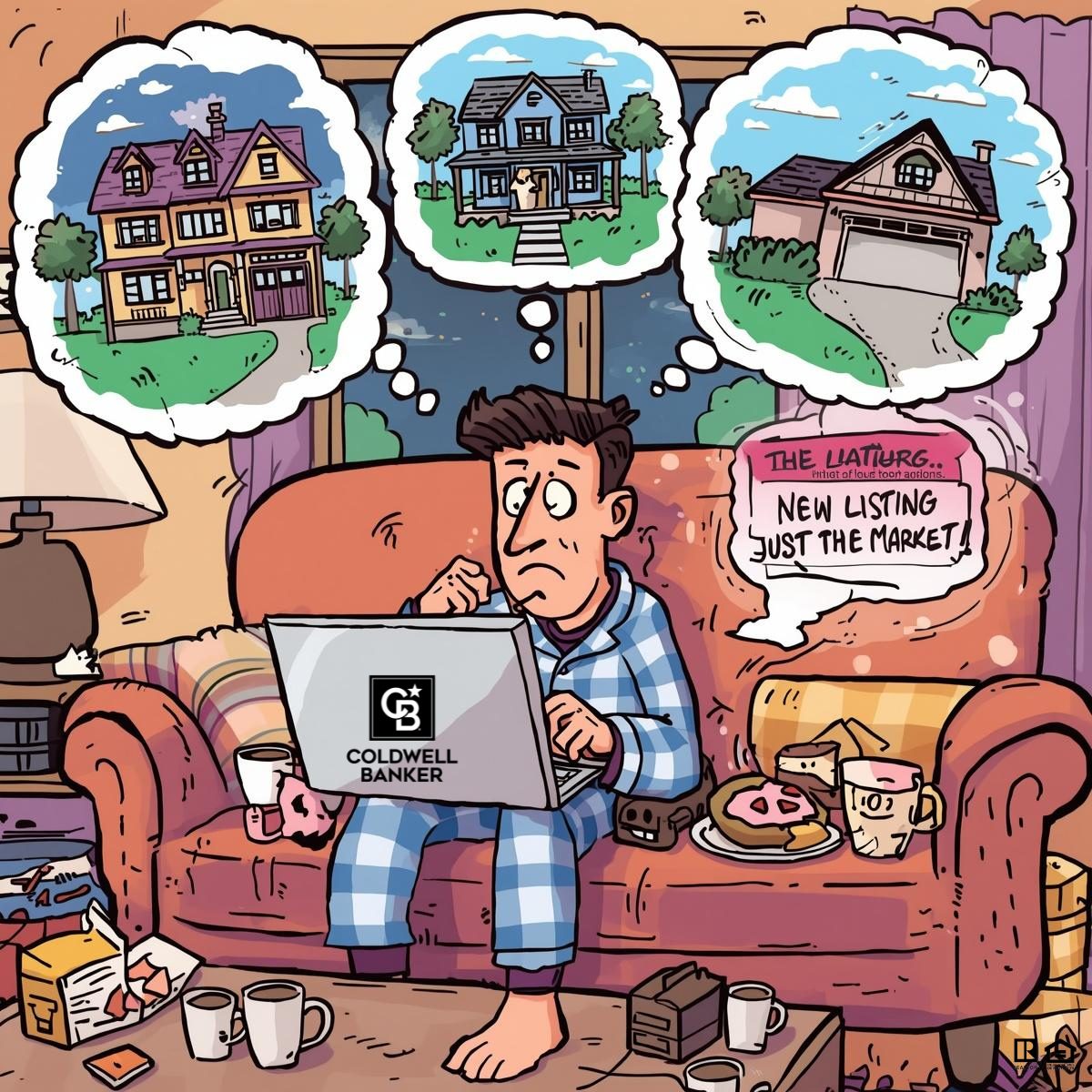
So you found the house. Or maybe you finally got an offer on your home. Either way, you’re excited, a little nervous, and ready to get to the finish line. Then things start to fall apart. The back-and-forth gets tense. Someone digs in. And suddenly, a deal that felt certain starts slipping away.

It happens more than people realize. And honestly? Most of the time, it didn’t have to. 💬

Negotiations break down for reasons that are often predictable — even preventable. After working with buyers and sellers across Cincinnati’s East Side, including Milford, Loveland, Anderson Township, Amelia, Batavia, and Clermont County, I’ve seen the same patterns show up again and again. Understanding them can literally be the difference between closing and starting over from scratch.

This post breaks it all down — the scenarios, the psychology, the local market dynamics, and the strategies that keep deals alive when things get rocky.


Why Negotiations Matter More Than Ever Right Now 📊

Let’s set the stage first. The real estate market in greater Cincinnati has been anything but predictable lately. Inventory in many East Side communities remains tight, yet buyers are being more selective as mortgage rates have stayed elevated. According to the National Association of REALTORS®, more transactions are falling through at the negotiation stage compared to pre-pandemic norms — and the top reasons are almost always emotional, not financial.

That’s an important distinction. Most failed deals aren’t killed by numbers. They’re killed by expectations, communication gaps, and ego. Knowing that changes how you approach the table entirely.

Furthermore, sellers in today’s market sometimes overestimate their leverage, while buyers sometimes overestimate how much room there is to push. Both of those miscalculations can derail a deal before it ever gains real momentum. The good news is that almost every breakdown scenario has a solution — if you know what to look for.


The Cincinnati East Side Market: What’s Actually Happening Right Now 📍

Before we talk tactics, context matters. And the East Side of Cincinnati is not a monolith. Each community has its own supply-and-demand story, and that story shapes how negotiations play out.

Milford and Loveland: Still Competitive, But More Measured

Milford and Loveland have consistently ranked among the most in-demand communities on the East Side. Strong school districts, easy highway access, and a walkable small-town feel keep buyer demand steady. Homes in these markets that are priced correctly and show well still receive multiple offers — sometimes within days.

However, the frenzy of 2021 and 2022 has cooled. Buyers are no longer waiving inspections blindly or offering $50,000 over list price just to compete. Instead, we’re seeing more measured offers with contingencies intact. Sellers who are still pricing and expecting 2022-level results are setting themselves up for frustration — and a longer road to closing. 🔄

Anderson Township: Steady Demand, Discerning Buyers

Anderson Township attracts a strong move-up buyer pool — people trading from smaller homes into larger ones, often with school-age kids driving the decision. These buyers are financially prepared and research-savvy. They know what homes have sold for. They’re not going to overpay, and they’re not afraid to walk away if the numbers don’t work.

Sellers in Anderson need to be sharp on pricing and condition. Buyers here will negotiate hard on inspection items, and they have the patience to do it. Agents who understand this dynamic — and position their clients accordingly — close more deals. Those who don’t often find themselves managing frustrated clients on both sides.

Amelia, Batavia, and Clermont County: Value-Driven Markets with Room to Negotiate

Clermont County communities like Amelia and Batavia offer some of the best value on Cincinnati’s East Side. Entry-level and mid-range buyers who’ve been priced out of Hamilton County are increasingly looking here — and they’re finding more room to work with.

Days on market tend to run longer in these communities compared to Loveland or Milford, which gives buyers slightly more negotiating leverage. Sellers, on the other hand, need to be realistic about pricing relative to condition. Overpriced listings in these ZIP codes sit — and sitting creates a perception problem that’s hard to reverse.

The flip side? Buyers who come in with aggressive lowball offers in a market where sellers are already pricing conservatively tend to alienate the other party immediately. Even in value-driven markets, respect and reasonableness matter.

Williamsburg (45176) and Bethel (45106): Emerging Opportunity Zones

These two communities are often overlooked in broader Cincinnati real estate conversations, but they’re worth paying attention to. Williamsburg and Bethel offer affordable price points, growing community investment, and a buyer pool that includes first-time homeowners, rural lifestyle seekers, and value-conscious investors.

Negotiations in these markets can be especially delicate because many buyers are first-timers who’ve never been through the process before. They don’t always know what’s normal and what isn’t — which makes having an experienced local agent more critical, not less. 🧭

If you’re searching for homes in Clermont County right now, browse current listings here or check out available homes in Williamsburg (45176) and Bethel (45106).


The Biggest Reasons Deals Fall Apart 💥

1. The Price Gap That No One Bridges

This is the most common culprit. A seller prices their home based on what they want, not what the market supports. A buyer offers what the data says it’s worth. And instead of working toward the middle, both sides hold firm.

The fix? Your agent needs to walk you through comparable sales before you ever make or accept an offer. Emotion can’t drive pricing strategy. Data has to. That’s exactly why I use real-time MLS data and a Comparative Market Analysis (CMA) for every client — buyers and sellers alike. If you want to understand what your East Side home is really worth right now, get a free home value estimate here. 🏠

2. Inspection Findings That Blindside Everyone

Here’s a hard truth: no home is perfect. Inspections almost always turn up something. The problem isn’t the finding itself — it’s how both sides respond to it.

Sellers sometimes take inspection requests personally, as if every repair item is an attack on their home. Buyers, on the other hand, occasionally use inspections to renegotiate the entire deal rather than focus on legitimate safety or structural concerns. Neither approach is productive.

A skilled REALTOR® knows how to frame repair requests around what’s fair and reasonable. Prioritizing major items — roof condition, HVAC systems, plumbing, electrical — while letting cosmetic issues go is almost always the smarter play. 🔧

3. Financing That Falls Through at the Worst Moment

Pre-approval is not the same as final loan approval. Buyers sometimes forget that. So when an appraisal comes in low, or when a lender can’t verify income documents in time, the deal suddenly has a new problem to solve.

Sellers start to question whether the buyer is even qualified. Trust erodes quickly. According to Freddie Mac’s housing research, financing issues are among the top three reasons residential transactions fail to close.

Buyers can protect themselves by staying in close communication with their lender and avoiding major financial changes — like new car purchases or job changes — between contract and closing. 💳

4. Low Appraisals That Create a Gap

When a home appraises for less than the agreed-upon purchase price, everyone has a decision to make. The buyer can make up the difference in cash. The seller can reduce the price. Or both parties can meet somewhere in the middle.

What often happens instead? The seller insists their home is worth the original price. The buyer refuses to pay over appraised value. And neither side explores creative solutions like splitting the appraisal gap or restructuring seller concessions. The result is a dead deal — and two frustrated people who could have found common ground with better guidance.

5. Sellers Who Won’t Negotiate on Inclusions

Sometimes a deal lives or dies over a refrigerator. It sounds ridiculous, but it happens constantly. Inclusion disputes are emotionally loaded because sellers often have sentimental attachments to items they assume they’re taking with them — while buyers made purchasing decisions based on what they saw in the house, including those items.

The simplest prevention? Get everything in writing upfront. Define inclusions and exclusions clearly before the contract is signed. Ambiguity is the enemy of smooth transactions. 📋

6. Timelines That Don’t Align

Sellers sometimes need to stay in the home for weeks after closing. Buyers need to close by a specific date to avoid double rent payments or a lease expiration. When those timelines clash and no one communicates early, frustration builds fast.

Fortunately, solutions like rent-back agreements and flexible closing dates exist for exactly these situations. They only work, however, when both sides are willing to have the conversation — and when an agent is guiding that discussion proactively.

7. Multiple Offer Situations Gone Wrong

In competitive markets, multiple offer situations can actually create negotiation breakdowns. Here’s how: a buyer submits an aggressive offer to win — then develops buyer’s remorse when they realize what they agreed to. They start looking for ways to exit through the inspection or ask for concessions they never would have requested otherwise.

Sellers, having felt confident after a bidding war, are now blindsided by a buyer who seems to be backing away from the deal. The emotional whiplash on both sides is real. The solution is setting clear expectations before submitting or accepting any offer, not after. 🎯

8. Poor Communication Between Agents

This one rarely gets talked about, but it matters enormously. When agents on opposite sides of a transaction don’t communicate well — or worse, communicate in a way that puts the other party on the defensive — deals suffer.

Real estate transactions involve dozens of moving parts and multiple deadlines. Delays in responding to offers, terse emails that read as adversarial, or agents who grandstand on behalf of their clients instead of solving problems together all contribute to unnecessary breakdowns. The best transactions happen when both agents are professional, communicative, and focused on getting to the closing table. 📞

9. Contingency Deadlines That Get Ignored

Every real estate contract has deadlines — inspection periods, financing contingency deadlines, appraisal windows, and more. When buyers or sellers miss these deadlines, even accidentally, it can throw the entire transaction into legal gray area.

Missed deadlines create distrust. They also create leverage opportunities for the other side that didn’t exist before. A buyer who blows past their inspection deadline may suddenly find themselves with fewer negotiating options. A seller who doesn’t respond to a repair addendum in time may be seen as uncooperative — even if they simply didn’t understand the timeline. Your agent’s job is to manage these deadlines obsessively, not casually. 📅

10. The “One More Thing” Spiral

This is one of the most deal-killing patterns I see — and it’s almost entirely avoidable. It starts innocuously enough: the buyer asks for a repair, and the seller agrees. Then the buyer comes back and asks for a price reduction on top of it. The seller, feeling like they already gave something, pushes back hard.

Now both sides are dug in. What started as a reasonable request has turned into a tug-of-war. The key is knowing when to stop asking. Skilled agents help their clients identify the most important items and go in with one clear, comprehensive request rather than a series of small asks that erode goodwill with every round. 🛑


The Emotional Side of Negotiation Nobody Talks About 🧠

Real estate is deeply personal. Sellers have memories attached to their homes. Buyers have visions of their future lives. When a negotiation feels like an attack on either of those things, people stop thinking clearly.

This is where an experienced agent earns their fee — not just by knowing the market, but by managing the emotional temperature of a deal. Great negotiators don’t just push for their client; they also read the other side and find paths that let both parties feel like they’ve won something.

In my experience working across the Cincinnati East Side market, the deals that close smoothly are rarely the ones where one side crushed the other. They’re the ones where both parties felt respected throughout the process. That mindset matters more than most people realize. 🤝


What Buyers Can Do to Negotiate More Effectively 🎯

  • Get fully pre-approved — not just pre-qualified — before making an offer
  • Lead with your strongest offer in low-inventory markets; lowball offers kill goodwill fast
  • Be selective with inspection requests — focus on major systems and safety items
  • Understand what the seller needs — timeline flexibility can sometimes be worth more than price
  • Work with an agent who communicates with the listing agent professionally and proactively
  • Don’t make major financial moves between contract and closing

Check out more buyer tips and market insights at the Mike Sells Cincy Homes Real Estate Blog. 📖


What Sellers Can Do to Keep Deals Together 🏷️

  • Price correctly from day one — overpricing leads to longer days on market and price reductions
  • Prepare for inspection findings before listing; a pre-listing inspection removes surprises
  • Respond to offers quickly — hesitation sends the wrong signal to motivated buyers
  • Stay flexible on closing dates when it doesn’t cost you significantly
  • Don’t take negotiations personally — it’s a transaction, not a verdict on your home’s worth
  • Define inclusions and exclusions clearly before you ever hit the market

Sellers who approach the process strategically — not emotionally — almost always come out ahead.


The Role of Your REALTOR® in All of This 🌟

Your agent isn’t just a paperwork processor. In any negotiation, they’re your strategist, your buffer, and your advocate — all at once. A great buyer’s agent knows when to push and when to hold back. A strong listing agent knows how to present offers and counteroffers in ways that keep both parties engaged.

The difference between a skilled negotiator and an average one? It can easily be thousands of dollars, weeks of unnecessary stress, and the difference between a clean closing and a blown deal. That’s not a small thing.


Let’s Keep Your Deal Together 💪

Negotiations don’t have to be a battle. When both sides are guided by data, managed with expertise, and supported by clear communication, most deals find their way to the closing table.

But that only happens when you have the right team in your corner from the very beginning.

I’m Mike McEntush, REALTOR® with Coldwell Banker Realty, and I specialize in helping buyers and sellers across Cincinnati’s East Side navigate every stage of the transaction — including the tough parts. Whether you’re buying your first home in Amelia, selling a longtime family home in Anderson Township, or exploring what the market looks like in Loveland or Milford, let’s build the right strategy together before you make any moves. 🏡

📅 Ready to talk strategy? Schedule a free 30-minute consultation here — no pressure, no sales pitch. Just real answers from someone who knows this market.

📬 Want market insights, buying and selling tips, and East Side real estate news delivered straight to your inbox? Subscribe to the blog here and stay ahead of the market every week.

📲 You can also reach me directly:

Your next move deserves the right strategy behind it. Let’s build it together. 🤝


#realestate, #realestateagent, #homebuying, #homeselling, #realestatetips, #cincinnatirealestate, #cincinnatiohio, #eastside, #clermontcounty, #milfordohio, #lovelandohio, #andersontownship, #ameliaohio, #bataviaohio, #firsttimehomebuyer, #sellingyourhome, #homenegotiation, #realtorlife, #realtor, #coldwellbanker, #homesforsale, #propertymarket, #househunting, #realestateinvesting, #mikesellscincyhomes

For Buyers March 12, 2026

Why “Just Browsing” Rarely Stays Casual in Real Estate 🏡

Many people begin their home search the same way.

They open a real estate app, scroll through a few listings, and say something like, We’re just browsing.”

At first, it feels harmless. There is no pressure and no deadline. Curiosity simply leads to a quick look at homes in a favorite neighborhood.

However, something interesting usually happens next.

Browsing slowly turns into imagining.

Buyers start picturing where the couch might go. A backyard suddenly looks perfect for summer cookouts. A front porch feels like the right place for morning coffee.

Before long, “just browsing” turns into something more serious.

After helping many buyers across the Cincinnati area, I have seen this pattern happen again and again. What starts as casual curiosity often becomes the first step toward a real move.

Let’s explore why that happens and what it means for both buyers and sellers.


Why Online Browsing Starts the Home Buying Journey

Today, nearly every home search begins online. Buyers can view hundreds of listings within minutes. Photos, pricing data, and neighborhood maps make exploring homes easier than ever.

According to the National Association of Realtors, roughly 97% of homebuyers use the internet during their home search.

https://www.nar.realtor/research-and-statistics

Because of that access, browsing homes has become part entertainment and part research. Many buyers start casually. Still, exposure to new listings often sparks ideas about lifestyle changes.

Consequently, browsing quickly becomes intentional.

Once someone sees a home that feels right, curiosity turns into real planning.


The Emotional Side of Home Shopping

Real estate decisions are not purely financial. Emotions play a powerful role.

A beautiful kitchen may inspire thoughts of holiday dinners. A quiet backyard might feel perfect for relaxing after work. Meanwhile, a finished basement could look ideal for movie nights or game days.

Therefore, browsing homes can feel surprisingly personal.

Buyers often connect with a property long before they schedule a showing. Because of that emotional connection, browsing tends to accelerate the decision-making process.

Suddenly, the search feels less like entertainment and more like a possibility.


Market Conditions Can Turn Browsers Into Buyers

Market conditions also influence how quickly browsing becomes serious.

Inventory levels change often. Interest rates shift. New listings appear daily.

As a result, buyers sometimes stumble across homes that feel like an opportunity.

For example, a house may appear in a desirable neighborhood at a competitive price. Alternatively, mortgage rates may drop slightly, improving affordability.

Data from the Federal Reserve Economic Data housing database shows how housing supply and mortgage rates influence buyer behavior.

https://fred.stlouisfed.org

When buyers see the right combination of price, location, and timing, browsing turns into action.


Lifestyle Goals Often Drive the Search

Another reason browsing rarely stays casual is lifestyle motivation.

Homes represent daily life, not just square footage.

Buyers often begin imagining:

walking to a nearby coffee shop
hosting family gatherings
giving kids space to play
creating a home office
enjoying a quieter neighborhood

Once people visualize a better lifestyle, motivation increases.

As a result, browsing listings can quickly become a serious search for the right environment.


Local Market Reality in Cincinnati

Here in the Cincinnati area, homes often move quickly in desirable communities.

Neighborhoods such as Milford, Loveland, Anderson Township, and Union Township continue attracting strong buyer interest. Consequently, well-priced homes often receive attention soon after hitting the market.

Because of that pace, buyers benefit from preparing early.

Even if someone begins browsing casually, understanding the local market helps them respond when the right home appears.

You can explore additional local insights here:

https://mikemcentush.sites.cbmoxi.com/cincinnati-real-estate-blog-tips-news

That blog shares Cincinnati market updates, buying tips, and home selling strategies.


Financial Curiosity Often Leads to Action

Many buyers begin browsing simply to understand pricing.

They want to know what homes cost in certain neighborhoods. Some people compare property taxes. Others wonder what monthly payments might look like.

Eventually, curiosity leads to a conversation with a lender.

At that point, buyers may realize a home purchase fits their budget sooner than expected.

Resources like the Consumer Financial Protection Bureau mortgage guide help buyers understand financing and payment options.

https://www.consumerfinance.gov/owning-a-home/

Once financial clarity appears, browsing becomes purposeful.

Buyers start planning instead of dreaming.


Sellers Benefit From Casual Browsers

Interestingly, browsing behavior helps sellers too.

Many buyers actively watching listings are still undecided. They are learning the market. They are comparing homes.

Because of that, a well-presented listing can capture their attention immediately.

Strong listing photos, strategic pricing, and smart marketing help convert browsers into showing requests.

Often, the winning buyer is someone who originally said they were “just looking.”


Tips for Buyers Who Are Just Browsing

Browsing can be productive if buyers approach it strategically.

Here are a few tips that make browsing more useful.

Track homes you like

Save listings that stand out. Over time you will notice patterns in what matters most.

Watch neighborhood differences

Home values often vary dramatically between nearby communities.

Study days on market

Homes that remain active longer may present negotiation opportunities.

Understand price per square foot

Comparing price per square foot can reveal hidden value.

Talk to a local REALTOR early

Even casual browsers benefit from professional insight.

Those simple steps turn browsing into meaningful research.


Why a REALTOR Strategy Matters

Online listings show homes. However, they rarely show the full story.

Inspection issues, negotiation strategies, contract terms, and market timing all affect real estate transactions.

A professional REALTOR provides guidance that buyers cannot get from a website.

For example, an experienced agent helps clients understand:

pricing trends
neighborhood growth
offer strategies
local competition
market timing

That expertise becomes especially valuable when browsing turns into buying.


Conclusion: Browsing Is Often the First Step

Almost every real estate journey begins casually.

Someone opens a home search app. Another person checks listings during lunch. A couple might scroll through homes while watching TV.

At first, the search feels harmless.

Yet browsing has a powerful effect. It introduces possibilities. It creates inspiration. It often sparks the idea that a move might actually make sense.

Eventually, curiosity turns into planning.

Planning leads to showings. Showings lead to offers. Offers lead to a new home.

Browsing, therefore, is rarely just browsing.

Instead, it is usually the beginning of the next chapter.


Thinking About Buying or Selling in Cincinnati?

If you have been browsing homes lately, you might already be closer to a move than you realize.

Understanding the local market can make the difference between missing opportunities and making smart decisions.

📅 Schedule a time to talk here
https://tinyurl.com/Schedulea30MinuteCall

You can also subscribe to my Cincinnati real estate blog for more insights:

https://mikemcentush.sites.cbmoxi.com/cincinnati-real-estate-blog-tips-news

#RealEstate, #HomeBuying, #HouseHunting, #CincinnatiRealEstate, #HousingMarket, #HomeSearch, #RealtorLife, #MikeSellsCincyHomes, #ColdwellBankerRealty, #FirstTimeHomeBuyer, #HomeSelling, #PropertySearch

For Buyers January 13, 2026

Why Buyers Are Choosing Homes With Personality

Why Buyers Are Choosing Homes With Personality 🏡✨

Introduction

Not long ago, buyers wanted one thing above all else. They wanted neutral homes. White walls. Gray floors. Simple finishes. Safe choices ruled the market.

However, that mindset is changing.

Today, many buyers want homes with personality. They want spaces that feel warm. They want rooms that tell a story. Most of all, they want homes that feel different from the rest.

As a REALTOR® working daily with buyers across Greater Cincinnati, I see this shift clearly. Personality is no longer a risk. Instead, it is often the reason a buyer falls in love.

So why is this happening now? And how does it affect buyers and sellers today? Let’s take a closer look. 👇


Market Context: Why This Trend Matters Right Now 📊

First, the housing market has changed. While inventory has improved in some areas, competition is still real. Because of that, buyers must make fast decisions.

At the same time, buyers are spending more time at home. Remote work, flexible schedules, and busy lives have changed how homes are used. As a result, buyers want homes that feel good to live in every day.

According to the National Association of REALTORS®, emotional connection plays a major role in buying decisions. In fact, buyers often choose homes that “feel right,” even when others check more boxes. You can explore similar insights at nar.realtor.

Because of this shift, personality now adds value instead of creating hesitation.


Key Trends Driving the Shift Toward Personality 🔑

Several trends are working together.

First, social media has raised expectations. Buyers scroll through Pinterest, Instagram, and home tours daily. Therefore, they arrive at showings with strong opinions and clear style goals.

Second, buyers want authenticity. Cookie-cutter homes feel forgettable. Meanwhile, unique homes feel memorable.

In addition, buyers want homes that reflect who they are. They are not just buying space. Instead, they are buying a lifestyle.

As a result, homes with character often stand out online. They also tend to receive stronger emotional reactions during showings.


Buyer and Seller Motivations Explained ❤️

From a buyer’s point of view, personality creates connection. A bold wall. A cozy corner. A unique light fixture. Each detail helps buyers picture their future.

On the seller side, personality becomes a marketing advantage. Instead of competing only on price, sellers compete on feeling.

However, balance still matters.

Buyers want personality, not clutter. They want charm, not confusion. When features feel intentional, buyers respond well. When they feel overwhelming, buyers hesitate.

That is why strategy matters so much.


Popular Home Features Buyers Love Right Now 🌟

Across Cincinnati and the surrounding areas, buyers are responding to features like:
      • Accent walls that add warmth 🎨

  • Statement lighting that defines a room 💡

  • Built-in shelving or custom details 📚

  • Exposed brick or wood elements 🧱

  • Vintage touches that feel curated, not dated

Instead of seeing these features as work, many buyers now see them as bonuses. In fact, homes with character often photograph better. Because of that, they generate more interest online.


Local Insights: What Cincinnati Buyers Are Seeing 🏙️

In places like Milford, Loveland, Anderson Township, and Batavia, buyers value charm. They like homes that feel rooted in the community.

Historic homes, mid-century designs, and thoughtfully updated properties often attract strong interest. Meanwhile, overly plain homes can blend together.

Because Cincinnati buyers tend to stay longer, they care deeply about how a home feels. Therefore, personality often matters just as much as square footage.

When priced correctly, these homes can sell quickly and confidently.


Financial and Lending Considerations 💰

Many sellers worry about financing. However, personality does not hurt appraisals.

Appraisers focus on condition, recent sales, and market data. They do not judge paint color or decor style.

That said, quality still matters. Clean finishes and good maintenance support value. According to consumerfinance.gov, buyers should still plan budgets carefully.

For buyers, this means choosing a home you love without stretching too far. For sellers, it means investing wisely while keeping your home’s character intact.


Home Search Tips for Buyers Who Want Personality 🔍

If you are buying, look beyond perfection.

Instead of skipping homes that look “different,” click into the listing. Read the description. Look at the layout. Often, personality hides behind outdated photos.

In addition, work with a REALTOR® who understands both numbers and emotions. That combination helps you spot opportunity before others do.

You can explore available homes anytime here:
👉 https://www.mikesellscincyhomes.com


Professional REALTOR® Strategy Advice 🧭

Here is the key truth: personality sells when it is intentional.

For sellers, that means highlighting what makes your home special. At the same time, it means editing distractions. Smart staging does not remove character. Instead, it frames it.

For buyers, it means trusting your instincts while staying informed. Emotion matters. However, strategy protects your investment.

As a Coldwell Banker Realty agent with deep local experience, I help clients balance both. From pricing to negotiation, the right plan creates better results.


Conclusion: Personality Is Standing Out in Today’s Market 🏁

Today’s buyers want more than a house. They want a home that feels right.

Because of that, personality has become a strength. Homes with warmth, charm, and intention often win attention faster.

Whether you are buying or selling, understanding this shift gives you an edge. Most importantly, it helps you make confident decisions.


Ready to Talk Strategy? 📲

Contact Mike McEntush, REALTOR® | Coldwell Banker Realty

Let’s talk about your goals and create a smart plan.

👉 Schedule a 30-minute consultation:
https://tinyurl.com/Schedulea30MinuteCall

👉 Subscribe to the Cincinnati Real Estate Blog:
https://mikemcentush.sites.cbmoxi.com/cincinnati-real-estate-blog-tips-news

Your home should feel like you. Let’s make sure the market sees it. 😊

#realestate, #cincinnatirealestate, #homebuyingtips, #homesellers, #househunting, #homeswithcharacter, #realtorlife, #coldwellbanker, #milfordohio, #lovelandohio

For Sellers January 8, 2026

The Role of Emotion in Home Selling

The Role of Emotion in Home Selling 🏡❤️


Introduction: Selling a Home Is Personal 🏠

Selling a home is rarely just about money.
Instead, it is about memories, milestones, and moments that matter.

For many homeowners, a house represents years of life. It’s where children grew up, holidays were celebrated, and routines were built. Because of that, emotion naturally becomes part of the selling process.

However, emotion does not have to be a problem. In fact, when handled correctly, it can be a powerful advantage. Sellers who understand emotions—both their own and the buyer’s—often sell faster and for better terms.

In this article, we’ll explore how emotion impacts home selling, why it matters in today’s market, and how to use it wisely to get results 😊.


Why Emotion Matters in Today’s Market 📊

Today’s real estate market moves quickly.
At the same time, buyers are overwhelmed with choices.

Because of this, emotion often becomes the deciding factor.

While buyers review prices, photos, and stats online, they still make decisions based on how a home feels. In many cases, they decide within minutes whether a home is “the one.”

Meanwhile, sellers face their own emotional pressures. Equity gains, interest rate changes, and life transitions all add stress. As a result, emotions can run high on both sides of the deal.

Therefore, understanding emotion is no longer optional. It is essential.


What the Data Tells Us About Emotion 📈

Although emotion sounds subjective, research proves its influence.

According to the National Association of Realtors, buyers rely heavily on first impressions. In addition, staged homes consistently sell faster and closer to list price.

Why does that matter?
Because staging helps buyers imagine their future.

Furthermore, pricing decisions often reflect emotion. Sellers may overprice due to attachment, while buyers may stretch budgets for a home that feels right.

In short, emotion drives action. Data simply supports it.


Seller Emotions: Pride, Attachment, and Stress 💭

For sellers, emotion often shows up in subtle ways.

Many homeowners feel proud of their home. That pride is earned. However, it can make feedback difficult to hear.

At the same time, memories create attachment. Because of this, it can be hard to see the home objectively.

Additionally, stress plays a role. Deadlines, showings, and negotiations all create pressure.

That said, awareness is the key. When sellers acknowledge these feelings, they can separate emotion from strategy.


Buyer Emotions: Excitement and Vision ✨

Buyers approach homes very differently.

They are not buying the past. Instead, they are buying the future.

When buyers walk into a home, they imagine daily life. They picture mornings, gatherings, and routines. As a result, emotional connection often outweighs logic.

This is why clean, bright, and welcoming homes perform better. Buyers want to feel comfortable quickly.

Therefore, sellers who focus on buyer emotion create stronger demand.


Lifestyle Features That Trigger Emotion 🛋️🌿

Emotion is closely tied to lifestyle. Certain features consistently connect with buyers.

For example:

  • Open kitchens encourage gathering 🍳

  • Natural light creates warmth ☀️

  • Outdoor spaces suggest relaxation 🌳

  • Primary suites offer calm and privacy 😌

Even small details matter. Neutral colors, soft lighting, and uncluttered rooms help buyers focus on possibility.

Ultimately, buyers are not buying features. They are buying how those features make them feel.


Local Insight: Emotion in the Cincinnati Market 🏙️

Here in Greater Cincinnati, emotion plays an even bigger role.

Many buyers value community, schools, and neighborhood identity. In addition, sellers often have deep roots in their homes.

Because of that, emotional attachment is common. However, successful sales still require balance.

When local market data meets emotional awareness, sellers gain clarity. That combination leads to smarter pricing and smoother negotiations.


Financial Decisions Are Emotional Too 💰

Money may seem logical. Yet emotions often influence financial decisions.

Buyers may fear missing out. Sellers may fear leaving money on the table.

During negotiations, these emotions intensify. Inspection results, appraisal gaps, and repair requests can feel personal.

This is where professional guidance matters most. Clear explanations and steady advice help keep emotions in check.

For current mortgage trends, Freddie Mac provides helpful insights here: https://www.freddiemac.com/pmms


Tips for Sellers to Manage Emotion 🧠

Selling successfully requires both heart and strategy.

Here are a few proven tips:

  • First, mentally prepare before listing

  • Next, view your home as a product

  • Then, focus on buyer experience

  • Finally, trust market-driven pricing

By following these steps, emotion becomes a guide—not a barrier.


REALTOR® Strategy: Turning Emotion into Results 🎯

This is where experience truly makes a difference.

As a REALTOR®, my role goes far beyond listing a home. I help sellers stay focused, confident, and informed.

At Coldwell Banker Realty, we blend local expertise, market data, and human insight. That balance leads to stronger offers and smoother closings.

In addition, resources like the National Association of Realtors (https://www.nar.realtor) reinforce how emotion shapes buyer behavior nationwide.


Final Thoughts: Emotion Is Power When Used Right 🔑

Emotion will always be part of home selling. That’s not a weakness. It’s a reality.

When sellers understand emotion—and work with a professional who does too—they gain control. As a result, decisions become clearer and outcomes improve.


Ready to Talk About Selling? Let’s Connect 📞

If you’re thinking about selling, I’d be honored to help.

👉 Mike McEntush, REALTOR® | Coldwell Banker Realty
📅 Schedule your consultation: https://tinyurl.com/Schedulea30MinuteCall
📰 Subscribe to my blog for weekly insights:
https://mikemcentush.sites.cbmoxi.com/cincinnati-real-estate-blog-tips-news

You deserve a strategy that respects both your emotions and your equity 😊

#RealEstate, #HomeSelling, #CincinnatiRealEstate, #SellYourHome, #HomeSellerTips, #ColdwellBanker, #MikeSellsCincyHomes, #RealEstateAdvice, #HousingMarket, #ListingStrategy

For Sellers December 23, 2025

Why Buyers Are Choosing Open Floor Plans

🏡 Why Buyers Are Choosing Open Floor Plans (And Why They’re Here to Stay)

Buying a home today looks very different than it did even a decade ago. While location, price, and condition still matter, how a home feels has taken center stage. Because of that shift, one design feature continues to rise to the top of buyer wish lists: open floor plans.

Across Cincinnati and the surrounding communities, buyers consistently ask for homes with open layouts. They want space to breathe, room to gather, and flexibility for real life. As a local REALTOR® who works daily with buyers and sellers, I see firsthand why open floor plans are winning hearts — and driving stronger offers. ❤️

So, let’s break down why buyers are choosing open floor plans, what it means for sellers, and how this trend impacts value, lifestyle, and long-term resale.


🌟 Market Context: Why This Topic Matters Right Now

The way people live in their homes has changed dramatically. Because remote work, flexible schedules, and multi-purpose living spaces are now common, buyers want homes that adapt with them.

Rather than boxed-in rooms and narrow hallways, today’s buyers are prioritizing:

  • Flow and flexibility

  • Natural light ☀️

  • Connection between living spaces

  • Better use of square footage

As a result, homes with open layouts often sell faster and attract more attention online. According to the National Association of REALTORS®, layout and functionality now rank among the top decision-making factors for buyers.
🔗 https://www.nar.realtor


📊 Key Trends + Data Supporting Open Floor Plans

Data continues to support what buyers are saying out loud. Over the past several years:

  • Homes with open layouts receive more online views

  • Listings with “open concept” in the description often see higher engagement

  • Buyers are more likely to overlook minor cosmetic flaws if the layout feels right

Meanwhile, builders across the country continue to design homes with fewer walls and more shared space. Even renovations increasingly focus on removing barriers between kitchens, dining areas, and living rooms.

Additionally, according to housing design studies from platforms like Houzz, open layouts remain one of the most requested features among buyers under 55.
🔗 https://www.houzz.com


🧠 Buyer Motivations: Why Open Floor Plans Feel So Right

Buyers don’t just want a house — they want a home that supports how they live. Because of that, open floor plans deliver emotional and practical value.

1. Better Connection & Togetherness ❤️

Families want to be together, even while doing different things. Cooking dinner while helping with homework or entertaining guests becomes easier when spaces flow naturally.

2. More Natural Light ☀️

Fewer walls allow light to travel through the home, making rooms feel brighter, warmer, and more inviting.

3. Flexible Use of Space

Instead of rigid room labels, open layouts allow buyers to adapt spaces as their needs change — home offices, play areas, or workout zones included.

4. Entertaining Made Easy 🍷

Whether hosting holidays or casual get-togethers, open floor plans make entertaining feel effortless.


🛋️ Popular Home Features That Pair Perfectly With Open Layouts

Open floor plans shine even brighter when combined with other buyer-favorite features, including:

  • Large kitchen islands 🍽️

  • Quartz or granite countertops

  • Walk-in pantries

  • Hardwood or luxury vinyl flooring

  • Oversized windows

  • Neutral color palettes

Because these features enhance flow and usability, buyers often perceive greater value — even if the home isn’t larger on paper.


📍 Local & Regional Insights: What I’m Seeing in Cincinnati

Here in the Greater Cincinnati market, demand for open layouts remains strong — especially in suburbs and growing communities like Milford, Loveland, Anderson Township, Batavia, and Union Township.

From my experience:

  • Homes with open layouts receive more showing requests

  • Buyers linger longer during showings

  • Offers often come in faster, and sometimes stronger

In contrast, homes with heavy compartmentalization may require staging updates or pricing adjustments to compete.

If you’re curious how your home compares to current buyer preferences, you can get a quick estimate here:
👉 https://tinyurl.com/OurHomeEstimate


💰 Financial & Lending Considerations

While open floor plans don’t automatically increase square footage, they often improve perceived value, which matters greatly during appraisals and buyer decision-making.

Additionally:

  • Buyers may stretch budgets for homes that “feel right”

  • Lenders favor homes that align with market demand

  • Open layouts can reduce the need for costly renovations later

However, it’s important to remember that layout alone isn’t everything. Pricing, condition, and location still play key roles — which is where professional guidance becomes critical.


🔍 Home Search Tips for Buyers Who Want Open Floor Plans

If an open layout is high on your wish list, here are a few smart tips:

  • Look past cosmetic issues and focus on structure

  • Ask whether walls are load-bearing before ruling out a home

  • Pay attention to ceiling height and window placement

  • Consider how furniture placement will define spaces

Most importantly, work with a REALTOR® who understands how to spot potential — not just perfection.


🧭 Professional REALTOR® Strategy Advice

As a REALTOR® with Coldwell Banker Realty, my role goes far beyond opening doors. I help buyers and sellers align design trends with smart financial decisions.

For sellers, that might mean:

  • Strategic staging to highlight openness

  • Minor layout adjustments for maximum impact

  • Marketing that emphasizes flow, light, and lifestyle

For buyers, that means:

  • Identifying homes with layout potential

  • Understanding resale value

  • Negotiating wisely based on condition and demand

You don’t need to navigate these decisions alone — and you shouldn’t.


✅ Conclusion: Open Floor Plans Are About Lifestyle, Not Just Design

At the end of the day, buyers choose open floor plans because they support modern living. They feel welcoming, flexible, and connected — all things people crave in a home.

While trends may evolve, the desire for light, flow, and togetherness isn’t going anywhere. Whether you’re buying, selling, or simply planning ahead, understanding this shift gives you a serious advantage.


📞 Ready to Talk About Your Next Move?

If you’re thinking about buying or selling — or just want clarity about your options — I’d love to help.

👉 Schedule a 30-minute consultation here:
🔗 https://tinyurl.com/Schedulea30MinuteCall

📰 Subscribe to my blog for weekly market insights:
🔗 https://mikemcentush.sites.cbmoxi.com/cincinnati-real-estate-blog-tips-news

#CincinnatiRealEstate, #OpenFloorPlan, #HomeBuyingTips, #HomeSellingTips, #ModernHomes, #RealEstateExpert, #ColdwellBankerRealty, #MikeSellsCincyHomes, #HomeDesignTrends, #BuyersMarket, #SellersMarket, #RealEstateBlog

For Sellers December 22, 2025

The Most Popular Home Features Modern Buyers Want Today

🏡 The Most Popular Home Features Modern Buyers Want Right Now

Buying a home today is not what it used to be.
Buyers are smarter, more prepared, and more selective than ever before. Because of that, the features inside a home now matter just as much as the price and location.

As a Cincinnati REALTOR®, I see these changes every day. Buyers walk into homes with clear expectations. Sellers who understand those expectations usually win. Meanwhile, those who ignore them often sit on the market longer.

So, whether you are buying, selling, or planning ahead, this guide breaks down the most popular home features modern buyers want today—and why they matter so much. 👇


📊 Why Home Features Matter More in Today’s Market

First, let’s talk about why this topic is so important.

Inventory levels change quickly. At the same time, interest rates remain higher than many buyers expected. Because of that, buyers are far more cautious with their money.

As a result, buyers prefer homes that:

  • Feel move-in ready

  • Offer flexible spaces

  • Require fewer upgrades after closing

According to the National Association of REALTORS®, buyers are willing to pay more for homes that reduce future costs and fit modern lifestyles.
👉 https://www.nar.realtor/research-and-statistics

Therefore, understanding buyer preferences is no longer optional. Instead, it is essential.


🔑 Key Trends Shaping Buyer Demand

Several big trends are driving today’s buyer decisions.

For example:

  • Remote and hybrid work 💻

  • Energy efficiency and lower bills 🌱

  • Multi-generational living 👨‍👩‍👧‍👦

  • Lifestyle-focused layouts 🧘‍♂️

Because these trends affect daily life, buyers now think long-term. In other words, they are not just buying a house. They are buying how that house will work for them.


🛋️ Open Floor Plans (But Smarter Than Before)

Open floor plans are still popular. However, buyer preferences have shifted.

Instead of wide-open spaces with no definition, buyers now want flow and function. For instance, kitchens that open to living rooms still perform well. At the same time, buyers want subtle separation.

Why does this matter?

  • It improves natural light ☀️

  • It supports entertaining 🍷

  • It works better for families

As a result, smart layouts now beat oversized layouts.


🍳 Kitchens That Feel Modern and Practical

Without question, the kitchen remains the heart of the home.
In fact, many buyers decide how they feel about a house within minutes of seeing the kitchen.

Modern buyers look for:

  • Large islands with seating

  • Quartz or granite countertops

  • Updated cabinets

  • Walk-in pantries

  • Stainless steel appliances

According to Zillow, homes with updated kitchens sell faster and often for more money.
👉 https://www.zillow.com/research

Because kitchens are expensive to remodel, buyers strongly prefer homes where this work is already done.


🛁 Bathrooms That Feel Like a Retreat

Bathrooms have changed too.
Instead of basic spaces, buyers now want comfort and calm.

Popular bathroom features include:

  • Walk-in showers 🚿

  • Double vanities

  • Neutral tile

  • Updated lighting

Even secondary bathrooms matter more than before. Therefore, small updates in these spaces can create big emotional wins during showings.


💻 Home Offices and Flexible Rooms

Remote work reshaped housing needs.
Because of that, home offices are no longer optional for many buyers.

Buyers often look for:

  • Dedicated office spaces

  • Bonus rooms

  • Flex rooms that change over time

For example, a room might serve as an office today and a nursery tomorrow. As a result, flexibility adds real value.

If you are selling, staging a flex room properly can completely change buyer perception.


🌞 Natural Light and Energy Efficiency

Bright homes feel better.
Efficient homes cost less to live in.

Because of that, buyers strongly prefer:

  • Large windows

  • Energy-efficient HVAC systems

  • Updated insulation

  • Smart thermostats

According to the U.S. Department of Energy, energy-efficient homes often have lower monthly costs and higher resale value.
👉 https://www.energy.gov

Therefore, energy efficiency is no longer just a bonus. Instead, it is an expectation.


🏠 Primary Suites Buyers Truly Want

Primary bedrooms are now private retreats.
Buyers want space, comfort, and separation.

Top features include:

  • Walk-in closets

  • En-suite bathrooms

  • Quiet locations away from other bedrooms

As a result, homes with well-designed primary suites consistently stand out.


🧺 Storage That Makes Life Easier

Clutter stresses buyers out.
Because of that, storage matters more than ever.

Highly desired features include:

  • Mudrooms

  • Laundry rooms (not closets)

  • Walk-in closets

  • Organized garage space

When buyers can picture an organized life, they connect emotionally with the home faster.


🌿 Outdoor Living Spaces Buyers Love

Outdoor space became a priority—and it remains one.

Buyers actively look for:

  • Covered patios

  • Decks

  • Fenced yards

  • Fire pits or outdoor seating 🔥

In Greater Cincinnati, usable outdoor space often boosts demand, especially for families and pet owners.


📍 Local Insight: What Cincinnati Buyers Want Most

In the Cincinnati market, buyers often prioritize:

  • Updated interiors

  • Functional layouts

  • Move-in-ready condition

East-side communities like Milford, Loveland, Anderson Township, and Batavia continue to attract buyers who want lifestyle, schools, and long-term value.

For more local trends, visit:
👉 https://mikemcentush.sites.cbmoxi.com/cincinnati-real-estate-blog-tips-news


💵 Financial Reality Buyers Face

Because interest rates are higher, buyers are more careful.

That means:

  • Less patience for major repairs

  • More focus on condition

  • Strong preference for turnkey homes

As a result, sellers who prepare properly often sell faster and with fewer concessions.


🔍 Smart Home Search Tips for Buyers

If you are buying, focus on:

  • Layout flexibility

  • Energy efficiency

  • Upgrade costs versus price

Instead of chasing trends, think about how the home will work five or ten years from now.


🧭 Why a REALTOR® Strategy Matters

This is where professional guidance makes a real difference.

I help buyers:

  • Spot true value

  • Avoid costly mistakes

  • Plan for long-term resale

I help sellers:

  • Highlight the right features

  • Price homes strategically

  • Prepare homes to win buyer attention

Because of that, working with the right REALTOR® can save time, money, and stress.


🏁 Final Thoughts

The most popular home features today reflect how people live now.
Buyers want comfort, flexibility, efficiency, and peace of mind.

If you understand these trends, you gain an advantage—whether you are buying or selling.


📞 Ready to Talk About Your Next Move?

If you want help understanding what buyers want—or how your home compares—I would love to help.

📲 Schedule a 30-minute consultation:
👉 https://tinyurl.com/Schedulea30MinuteCall

📩 Subscribe to the Cincinnati Real Estate Blog:
👉 https://mikemcentush.sites.cbmoxi.com/cincinnati-real-estate-blog-tips-news

#CincinnatiRealEstate, #CincinnatiRealtor, #MikeSellsCincyHomes, #HomeBuyingTips, #HomeSellingTips, #RealEstateExpert, #ColdwellBankerRealty, #ModernHomes, #RealEstateTrends, #HomeFeatures, #BuyersMarket, #SellersMarket

For BuyersMillennials December 8, 2025

The Rise of Millennial Homeownership

The Rise of Millennial Homeownership: Why America’s Largest Buyer Group Is Changing Real Estate

https://dallas.culturemap.com/media-library/young-couple-buying-their-first-house.jpg?coordinates=0%2C0%2C0%2C0&height=1500&id=31513328&width=2000&utm_source=chatgpt.com

1. Introduction: A New Era in Homeownership 🏡✨

For years, experts predicted millennials would never buy homes. They said this generation was drowning in student loans, too focused on travel, and uninterested in settling down. Yet here we are — millennials now make up the largest share of homebuyers in America. Even better? They’re purchasing homes with purpose, clarity, and confidence.

As a Cincinnati-area REALTOR® who works daily with first-time and repeat millennial buyers, I’ve seen the shift firsthand. This isn’t simply a trend — it’s a major demographic movement reshaping neighborhoods, pricing, and expectations across the country.

In this blog, we’ll explore the data, motivations, lifestyle preferences, and financial strategies driving the rise of millennial homeownership. Throughout, you’ll find expert guidance, helpful tips, internal links, external research, and plenty of real-world insights based on what I see every day here in Greater Cincinnati.

Whether you’re a buyer, seller, or just watching the market evolve, this guide will help you understand exactly what’s happening — and why it matters.


2. Market Context: Why the Rise of Millennial Buyers Matters 📈

Millennials — adults roughly 25–44 — make up the largest living adult generation and, for the first time, the majority of homebuyers. According to the National Association of REALTORS® (NAR), millennials accounted for 43% of all home purchases in recent years (source: https://www.nar.realtor). That’s a massive shift, and it’s transforming everything from pricing strategies to what sellers must highlight to attract this demographic.

Why this matters:

  • They have strong purchasing power. Many millennials are now in their peak earning years.

  • They’re entering family-building and wealth-building phases. Buying a home fits both.

  • They demand modern features. This pushes builders and sellers to update their offerings.

  • They research heavily. Transparency and trust from REALTORS® matter more than ever.

Locally, in areas like Milford, Loveland, Batavia, Anderson Township, and Union Township, millennials are driving competition for well-priced, move-in-ready homes. As a top Cincinnati REALTOR®, I see them influencing which neighborhoods boom next and how fast homes appreciate.


3. Key Trends + Data: What the Numbers Say 📊

National and regional data give us a clear picture:

✔️ Millennials are buying earlier than Gen X and Boomers did.

Many purchased their first home around 32–34. That number continues to drop as remote work expands.

✔️ Student loans were a hurdle — but not a wall.

More lenders are using flexible debt-to-income considerations, helping qualified millennials secure loans.

✔️ Remote work expanded the map.

With the ability to work from home, many are choosing suburbs like Milford, Amelia, and Loveland for affordability and lifestyle benefits.

✔️ They prefer turnkey homes.

Unlike previous generations, millennials often work demanding jobs and don’t want heavy renovation projects.

✔️ They value affordability + resale.

Millennial buyers are extremely investment-minded and care deeply about long-term ROI.

These trends shape everything from offer strategies to how sellers prepare their homes for market.


4. Buyer & Seller Motivations: Why Millennials Are Buying Now 🎯

Millennials aren’t buying homes because “that’s what people do at 30.” Instead, their motivations are more intentional and financially driven.

Top Reasons Millennials Are Buying:

  • Desire for stability in an unpredictable rental market

  • Rising rents outpacing monthly mortgage payments

  • Ability to build wealth and gain equity

  • Growing families or future family planning

  • A craving for personal space and privacy

Interestingly, lifestyle factors matter just as much as financial ones. Many millennials want a space that supports hobbies, work, pets, and wellness — a major shift from previous generations.

Seller Motivations:

Sellers who understand millennial preferences win big. Because millennials prioritize turnkey condition, updated kitchens, smart-home features, and energy-efficiency, homes that include these see faster sales and higher offers.

Want to explore how to prepare your home for this generation? Check out my tips page here:
➡️ https://mikesellscincyhomes.com (internal link suggestion — replace with your actual internal page)


5. Popular Home Features + Lifestyle Drivers 🛋️💡

Millennials aren’t just buying houses — they’re curating lifestyles. The home must match their values, rhythms, and daily routines.

Most-Wanted Features for Millennial Buyers:

  • Updated kitchens with neutral tones

  • Smart-home tech, including thermostats, security, and lighting

  • Low-maintenance yards

  • Energy-efficient windows and appliances

  • Flexible spaces that can evolve over time

  • A dedicated home office or workspace

  • Open-concept living areas

  • Pet-friendly layouts

Lifestyle Drivers:

  • Health & wellness: spaces for home gyms

  • Outdoor living: patios, decks, fenced yards

  • Convenience: proximity to coffee shops, local restaurants, parks

  • Walkability: Many choose neighborhoods with sidewalks and trails

These preferences aren’t fads. They reflect a generation building homes around comfort, technology, and experience.


6. Local Cincinnati & Regional Insights 🏘️

Here in Greater Cincinnati — especially across Clermont and Hamilton Counties — millennial buying behavior is creating noticeable shifts.

Communities seeing strong millennial demand:

  • Milford (45150) — charming downtown, walkability, excellent schools

  • Loveland (45140) — bike trail, active food scene, family-friendly

  • Batavia (45103) — affordability + new developments

  • Anderson Township (45255) — strong schools, parks, updated homes

  • Amelia (45102) — value + growing amenities

  • Williamsburg (45176) — affordability with land/space

Millennials often choose these areas because they offer a blend of budget-friendly options, lifestyle convenience, and long-term investment potential.

As a trusted Cincinnati REALTOR®, I analyze these buyer flows to guide sellers on pricing strategy and help buyers land homes in competitive pockets.


7. Financial & Lending Considerations 💵📄

Millennials are incredibly financially aware. They research every option and ask detailed questions — which is a good thing.

What Millennial Buyers Prioritize:

  • Lower interest rates and long-term affordability

  • Down payment assistance programs

  • First-time buyer incentives

  • Competitive closing costs

  • Transparent lender communication

Useful Resources:

Smart Strategies for Millennials:

  • Get pre-approved early

  • Compare 3–4 lenders

  • Consider 3–5% down programs

  • Factor in insurance + utilities, not just mortgage payment

  • Build an emergency fund for homeownership

With rates still fluctuating, having the right guidance makes all the difference.


8. Home Search Tips for Millennial Buyers 🔍🏡

Here are expert, real-world tips I give every millennial client:

1. Know your must-haves vs. nice-to-haves.

This helps you act fast in a competitive market.

2. Get your pre-approval ready before touring.

Sellers take your offer more seriously.

3. Tour homes quickly.

Great millennial-friendly homes often sell within days.

4. Lean on data.

Your decisions should be supported by comps, trends, and local insights.

5. Think 5–7 years ahead.

Don’t buy only for today — buy for the lifestyle you’re building.

For more insights, visit my home search page here:
➡️ https://mikesellscincyhomes.com


9. Professional Realtor® Strategy Advice 🔑

Millennials appreciate transparency, strategic communication, and clear guidance. As a top Cincinnati REALTOR®, I approach millennial clients with:

✔️ Data-driven pricing strategies

✔️ Modern marketing + professional photography

✔️ Neighborhood-specific insight

✔️ Local connections for lenders, inspectors, contractors

✔️ Clear explanation of every step

✔️ Negotiation that protects long-term financial goals

For sellers, understanding millennial expectations means preparing, staging, and listing with intention.
For buyers, navigating budget, location, and competition requires an advocate who knows the market inside and out.

This is where a trusted pro makes all the difference.


10. Conclusion  🌟

The rise of millennial homeownership isn’t just a statistic — it’s a major movement reshaping communities, revitalizing suburbs, and modernizing real estate. Millennials bring energy, intention, and curiosity to the buying process, and they expect REALTORS® who match that commitment.

Whether you’re a millennial ready to buy your first home, a seller hoping to attract this massive audience, or simply looking for expert market insight, I’m here to guide you with honesty, expertise, and unmatched local experience.

Ready to talk about your next move? Let’s chat.

📞 Contact Mike McEntush, REALTOR® — Coldwell Banker Realty
📅 Schedule your consultation: https://tinyurl.com/Schedulea30MinuteCall
📝 Subscribe to the blog: https://mikemcentush.sites.cbmoxi.com/my-blog

#realestate, #realtor, #homebuying, #homesellers, #millennialhomebuyers, #cincyrealestate, #coldwellbanker, #househunting, #realestatetips, #firsttimehomebuyer, #ohiohomes, #realestatemarket

For Sellers December 5, 2025

What Millennials Want in a Home

🌟 What Millennials Want in a Home: A Simple and Helpful Guide for Buyers & Sellers

Millennials now make up the largest group of homebuyers in the real estate market. Because of this, their preferences shape what sells, what sits, and what gets top dollar. 🏡✨

This generation values comfort, flexibility, and smart design. They care about affordability, lifestyle, and long-term stability. As a REALTOR® working across Greater Cincinnati, I see these trends every day.

Let’s walk through what Millennials want in a home — and how buyers and sellers can use this insight to make better decisions. 👇


📌 1. Introduction

Millennials (born 1981–1996) approach homeownership with a fresh mindset. Many waited longer to buy, yet they now enter the market with clearer goals and stronger expectations. They want homes that are practical, comfortable, efficient, and easy to maintain.

Their decisions often focus on value, lifestyle fit, and community. Because they gather a lot of information online before touring a home, they expect clarity and convenience throughout the process.


📈 2. Market Context: Why This Topic Matters Today

The market changes quickly, and Millennials play a huge role in these changes. Inventory stays tight, interest rates shift often, and buyers want more transparency. Millennials lead these trends because they rely on data and digital tools when making big decisions.

According to the National Association of REALTORS®, they are the largest share of buyers in the U.S.
👉  https://www.nar.realtor

As a result, sellers who understand Millennial expectations often see more showings, quicker offers, and a smoother sale. Buyers also benefit because they can focus on homes that truly match their needs.


📊 3. Key Trends + Data

Several major trends shape how Millennials search for homes. These trends appear nationwide and across Cincinnati.

⭐ Trend 1: Affordability still leads

Prices continue to rise. Because of this, Millennials often look for good value in suburbs and growing neighborhoods.

⭐ Trend 2: Remote work changed the layout buyers want

Many Millennials now work from home. Therefore, they need offices, flex rooms, or finished basements.

⭐ Trend 3: Energy efficiency matters

Homes with efficient systems save money. This makes features like modern HVAC, good insulation, and LED lighting very appealing.

⭐ Trend 4: Smart features make homes stand out

Millennials like technology that adds safety or convenience. For example, video doorbells, smart thermostats, and app-controlled lighting all score high.

⭐ Trend 5: Outdoor living space is important

Decks, patios, fenced yards, and green areas offer room to relax. Millennials love this because it adds space and comfort.


❤️ 4. Buyer + Seller Motivations

Millennials buy homes for different reasons than past generations.

🎯 Why Millennials Buy

They often want:

  • A stable place to call home

  • Lower monthly costs compared to rising rent

  • A chance to build equity

  • More space for work or family

  • A community that fits their lifestyle

Many feel ready for long-term roots and want a home that supports growth and flexibility.

🎯 Why Sellers Should Care

Since Millennials make up the biggest buyer group, sellers who tailor their homes to this market often see stronger results. Homes that match Millennial wants tend to sell faster and attract better offers.


🧭 5. Popular Home Features Millennials Love

Below are the features that appear again and again on Millennial wish lists.

🔹 Move-In Ready Condition

Busy schedules and tight budgets make renovations tough. Because of this, updated homes attract more Millennial buyers.

🔹 Open Floor Plans

Open layouts feel bright and flexible. They support cooking, watching kids, relaxing, and hosting friends.

🔹 Energy Efficiency

Millennials value low energy costs. Efficient appliances and updated systems make a home more appealing and more comfortable.

🔹 Modern Kitchens

Simple, clean, and functional kitchens rank high. Features like islands, updated counters, and good storage help a lot.

🔹 Outdoor Spaces

Fenced yards, patios, and decks add value. Even small outdoor areas give buyers a sense of freedom and relaxation.

🔹 Walkability and Community

Millennials enjoy walking to parks, trails, coffee shops, gyms, and pet-friendly spots. They want both connection and convenience. 🐶☕


📍 6. Local Insights for the Cincinnati & Clermont County Market

These preferences also appear across Milford, Loveland, Batavia, Amelia, Anderson Township, Williamsburg, and more.

🌆 In the city and inner suburbs

Millennials search for:

  • Walkability

  • Updated interiors

  • Character homes

  • Good parking

🏘️ In suburbs like Milford, Loveland, and Batavia

They want:

  • Newer builds

  • Larger yards

  • Finished basements

  • Nearby parks and trails

  • Strong school districts

🌳 In rural or quieter areas

They prefer:

  • Space

  • Privacy

  • Room for hobbies

  • Lower traffic

👉 Learn more about local communities and market updates:
https://mikemcentush.sites.cbmoxi.com


💰 7. Financial + Lending Considerations

Financing can feel overwhelming. However, Millennials have many options that make owning a home possible.

✔ Down Payment Help

Ohio offers grants, tax programs, and reduced-rate loan options. These tools make the first step easier.

✔ Loan Types

FHA, VA, and USDA loans help buyers with different needs. Each program offers unique benefits and flexible guidelines.

✔ Monthly Payment Focus

Millennials pay close attention to monthly payments. Because of this, they compare interest rates, utility costs, and taxes carefully.

✔ Closing Cost Support

Some lenders offer credits. Some sellers offer concessions. These options help keep buyer expenses manageable.

👉  https://www.consumerfinance.gov


🔍 8. Home Search Tips for Millennial Buyers

Here are simple tips that make the process easier and faster.

📝 Tip 1: Get pre-approved early

This sets your budget and strengthens your offer.

📝 Tip 2: Make a clear must-have list

Focus on the features that matter most.

📝 Tip 3: Explore up-and-coming areas

Places like Batavia, Amelia, and Williamsburg offer great value today and strong growth tomorrow.

📝 Tip 4: Consider the total cost

Look at utilities, taxes, insurance, and maintenance. These costs matter long-term.

📝 Tip 5: Use smart tools

Virtual tours, digital CMAs, and online scheduling save time and stress.


🧠 9. Realtor® Strategy Tips for Sellers

Sellers can attract more Millennial buyers with a few smart steps.

💡 Strategy 1: Highlight updates

Smart tech and energy-efficient features catch attention right away.

💡 Strategy 2: Complete repairs upfront

Move-in ready homes reduce stress and increase buyer confidence.

💡 Strategy 3: Stage with purpose

Create a home office setup. Add cozy outdoor space. Show flexibility.

💡 Strategy 4: Use strong online marketing

Millennials shop on their phones. High-quality photos and mobile-friendly descriptions make a big difference.

💡 Strategy 5: Price with precision

Millennials compare carefully. Accurate pricing helps generate stronger interest.

👉https://mikemcentush.sites.cbmoxi.com


🎉 10. Conclusion

Millennials influence today’s housing trends in major ways. Because they value comfort, flexibility, efficiency, and community, sellers should adjust their approach. Buyers should use these insights to find homes that match their lifestyle and long-term goals.

Whether you’re buying or selling, you deserve a clear plan and a trusted guide. I’m here to help you navigate the market with confidence, support, and expert insight.


📞 Ready to Plan Your Next Move?

👉 Contact Mike McEntush, REALTOR® | Coldwell Banker Realty
Your trusted expert for Cincinnati, Clermont County, and the entire east side.

📅 Schedule a consultation: https://tinyurl.com/Schedulea30MinuteCall
📝 Subscribe to my blog: https://mikemcentush.sites.cbmoxi.com/my-blog

#realestate, #millennialbuyers, #homebuyingtips, #cincinnatihomes, #clermontcounty, #lovelandohio, #milfordohiohomes, #househunting, #ohiorealestate, #firsttimehomebuyer, #realtorlife, #homesearch

Investors December 2, 2025

What Makes a Neighborhood Investor-Friendly?

What Makes a Neighborhood Investor-Friendly? A Simple Guide for Today’s Buyers, Sellers & Investors

Real estate investing has become more popular than ever. However, not every neighborhood is a good fit for investors. Some areas offer steady returns, predictable demand, and long-term growth. Others do not. Understanding the difference can help you make smarter decisions whether you are buying, selling, or investing. 🏡💰

As a full-time REALTOR® working across Greater Cincinnati, I see what truly attracts investors. I also see why certain neighborhoods grow faster than others. This guide explains those patterns in a simple and friendly way. You’ll learn what investors search for, how trends shape markets, and what makes certain areas stand out.


1. Introduction

Investor-friendly neighborhoods matter. They create strong housing demand, attract new buyers, and keep local markets stable. These areas often have rising property values, good rental occupancy, and homes that hold long-term appeal.

Because of this, understanding what makes a neighborhood attractive to investors can help:

  • Buyers choose a home with solid appreciation potential

  • Sellers position their property for stronger offers

  • Investors find profitable opportunities

  • Homeowners understand future trends

A little knowledge goes a long way when navigating these markets.


2. Market Context: Why This Topic Matters Today

The housing market continues to shift. Rising costs, limited inventory, and changes in how people work shape today’s neighborhoods. According to recent data from Realtor.com and Redfin (external links: Realtor.com, Redfin), investors make up nearly 18% of home purchases in some areas.

Because investors play a larger role, their choices influence property values. They also impact the type of housing offered, the pace of updates, and how quickly homes sell. When investors choose a neighborhood, it signals confidence.

For homeowners, this is valuable information. For buyers, it can help guide long-term planning. And for investors, these patterns point toward the best opportunities.


3. Key Trends and Data Shaping Investor-Friendly Areas

Several major trends affect where investors choose to buy. These trends also help predict which neighborhoods may grow in the future.

📌 Growth in Rental Demand

Many people now rent longer due to affordability challenges. Investors pay attention to neighborhoods where rental demand stays strong year-round.

📌 A Shift Toward Suburbs and Small Cities

More buyers want homes outside big cities. Suburban neighborhoods near good schools, jobs, and shopping are especially attractive. Cities like Cincinnati, Columbus, Indianapolis, and Louisville continue to benefit from this trend.

📌 Remote and Hybrid Work

People who work from home want extra space. Rooms that can serve as an office, finished basements, and flexible layouts all boost rental and resale appeal.

📌 Renovation Opportunities

Investors love neighborhoods with older homes that need updates. These “value-add” properties often create higher returns after renovations.

📌 Community Improvements

New parks, retail development, or road improvements can lift entire neighborhoods. Investors follow these upgrades closely because they signal long-term growth.


4. Buyer and Seller Motivations in Investor-Friendly Neighborhoods

Understanding motivations helps explain why some areas attract more attention.

🏠 What Buyers Want

  • Updated homes

  • Good resale potential

  • Strong community feel

  • Modern finishes

  • Affordable prices

💼 What Investors Want

  • Predictable rental demand

  • Manageable renovation projects

  • Steady long-term returns

  • Areas with incoming development

  • Stable property values

📈 What Sellers Want

  • Quick sales

  • Strong offers

  • As-is purchase options

  • Interest from both investors and buyers

When these motivations align, neighborhoods thrive.


5. Popular Home Features and Lifestyle Drivers

Certain home features make a property more attractive to renters and buyers. Investors pay special attention to anything that boosts appeal or reduces maintenance costs.

✨ Popular Home Features

  • Updated kitchens

  • Modern bathrooms

  • Durable flooring

  • Energy-efficient appliances

  • Off-street parking

  • Finished basements

  • Fenced yards

✨ Popular Location Features

  • Walkability to shops

  • Parks and trails

  • Access to highways

  • Close to job centers

  • Strong school districts

  • Local restaurants and stores

These features help properties rent quickly and support long-term growth.


6. Local Insights: A Look at Greater Cincinnati

Cincinnati remains one of the best real estate markets for investors because it offers strong demand, affordable home prices, and steady job growth.

Neighborhoods like:

  • Milford (45150)

  • Loveland (45140)

  • Anderson Township (45255)

  • Union Township (45245)

  • Goshen

  • Batavia

  • Clermont County suburbs

…offer the right mix of value, convenience, schools, and long-term stability.

Many of these areas also have active development, revitalization, or infrastructure improvements underway. Investors appreciate that kind of momentum.

👉 More Cincinnati market insights (internal link):
https://mikemcentush.sites.cbmoxi.com/my-blog


7. Financial and Lending Factors Investors Consider

Numbers matter. A neighborhood becomes investor-friendly when the financial side makes sense.

📊 Cash Flow

Investors calculate whether the rent covers monthly expenses and still produces profit.

📊 Rent-to-Value Ratios

A rent-to-value ratio of 0.8% to 1% is often attractive for long-term rentals.

📊 Property Taxes

Lower tax areas help improve overall returns.

📊 Insurance Costs

Investors avoid neighborhoods with high insurance premiums unless returns outweigh risks.

📊 Lending Options

Investors may use:

  • Conventional loans

  • DSCR loans

  • Hard money

  • HELOCs

  • Portfolio loans

Flexible financing makes a neighborhood even more appealing.


8. Home Search Tips for Investors and Buyers

These simple tips help you evaluate a neighborhood’s true potential.

🔍 Look at the Neighborhood First

Homes can be updated. Locations cannot.

📈 Check Days on Market

Homes selling quickly usually signal strong demand.

🏗 Watch for Planned Development

New grocery stores, highways, or retail centers often point to future growth.

💬 Work with a Local REALTOR®

Local knowledge matters more than online data. Street-by-street insight makes a big difference.


9. Professional REALTOR® Strategy Advice

After helping many clients across Greater Cincinnati, I recommend several key strategies.

⭐ Use Local Market Data

Neighborhoods close together can behave differently.

⭐ Balance Cash Flow and Future Appreciation

Smart investments look at today’s value and tomorrow’s growth.

⭐ Review Zoning Rules

Zoning impacts what you can do with a property.

⭐ Avoid Choosing Neighborhoods Based on Price Alone

Cheaper homes do not always create stronger returns.

⭐ Never Skip Inspections

Even seasoned investors benefit from knowing a property’s condition.

⭐ Build a Strong Team

Contractors, lenders, inspectors, and title partners help protect your investment.

If you want personalized guidance for neighborhoods like 45150, 45245, 45140, or anywhere in Greater Cincinnati, I can help you navigate the best options.


10. Conclusion: Investor-Friendly Neighborhoods Help Communities Grow

A neighborhood becomes investor-friendly when it offers strong demand, stable growth, and reliable returns. These areas attract buyers, renters, and investors who all want the same thing: value, convenience, and long-term opportunity.

Understanding these factors helps you make confident real estate decisions. Whether you plan to buy, sell, or invest, the right neighborhood can support your goals for years to come.


📞 Ready to Explore Investor-Friendly Areas? Let’s Talk!

I help buyers, sellers, and investors make clear, informed decisions across Greater Cincinnati.

👉 Schedule a 30-minute consultation:
https://tinyurl.com/Schedulea30MinuteCall

👉 Subscribe for weekly Cincinnati market updates:
https://mikemcentush.sites.cbmoxi.com/my-blog

📲 Contact Mike McEntush, REALTOR® | Coldwell Banker Realty

#realestate, #realtor, #realestatetips, #homebuying, #homeselling, #realestateinvesting, #investorfriendly, #propertyinvestment, #cincinnatirealestate, #coldwellbanker, #mikemcentush, #housingmarket

For Buyers December 1, 2025

The Rise of Flexible Living Space:

The Rise of Flexible Living Space: Why Today’s Buyers Want Homes That Do More 🏡✨

Life has changed, and the way people use their homes has changed with it. Today, homeowners want spaces that offer options. They want rooms that can shift from office to guest room, or from gym to game room. As a result, flexible living space has become one of the biggest trends driving the 2025 real estate market.

Although every buyer wants something a little different, most of them share one clear expectation: their home should work for their lifestyle—not the other way around.

In this guide, we’ll explore why flexible space matters, how it affects home values, and what buyers and sellers can expect in the Cincinnati and Clermont County markets. Along the way, you’ll find tips, data, and local insights to help you make confident decisions about your next move.

Let’s jump in! 🚀


1. Introduction: A New Way of Thinking About Home

People have always wanted comfortable homes. However, today’s homeowners want something more. They want freedom. They want rooms that can change as their lives change. Families are growing. Careers are shifting. Hobbies are expanding. Because of that, flexible layouts are now in high demand.

In the past, many households had formal living rooms or under-used spaces. Yet now, those same areas are being transformed into home offices, art studios, playrooms, or guest suites. It’s clear that homeowners want versatility. And they’re willing to pay for it.


2. Market Context: Why Flexible Living Is Surging

The shift toward flexible living didn’t happen overnight. Instead, it formed through several major lifestyle changes.

📌 The Remote and Hybrid Work Boom

More people are working from home than ever before. According to Gallup’s 2024 report, over half of U.S. workers use a hybrid or remote schedule. Because of that, home offices have become essential.

📌 Evolving Lifestyles

Families today have more complex schedules. Kids need space for homework, gaming, or activities. Adults want areas for fitness or hobbies. Even pets often influence home layout choices.

📌 Rising Costs

Housing prices have grown in recent years. As a result, buyers want more value from every room. A flexible floorplan helps them maximize their investment.

📌 Midwest Migration

The Cincinnati region continues to attract families from high-cost cities. Many of these buyers expect modern layouts with adaptable rooms.

📌 Multigenerational Living

More adults are sharing homes across generations. Parents may move in with children. Adult children may return home to save for a house. Extra space has become a priority.

Because of these trends, flexible living is no longer optional. It’s a must-have feature for a large share of buyers.


3. Key Trends + Data Shaping Flexible Living 📊

Several important trends illustrate how fast this demand is growing.

🏡 Home Offices

A dedicated home office is now a top priority. NAR reports that 70% of buyers want an office. Many households even prefer two workspaces.

🏠 Finished Basements

Buyers love finished basements because they can serve almost any purpose. Across Midwest markets, homes with finished basements often sell 6–10% faster.

🎮 Specialty Activity Spaces

People want areas for:

  • Gaming

  • Fitness

  • Crafts

  • Streaming content

  • Music

  • Kids’ activities

Even small nooks can serve a big purpose.

🏘 Accessory Dwelling Units (ADUs)

ADUs have increased nationwide. They offer:

  • Guest housing

  • Rental income

  • Caregiver space

  • Multi-generational solutions

(Source: U.S. Census Bureau — Accessory Dwelling Trends)

🛏 Convertible Rooms

Murphy beds, modular furniture, and fold-away desks help homeowners transform a single room into two or three uses.

💡 Smart Partitions

Sliding doors, glass panels, and room dividers make it easy to separate spaces without construction.

The data is clear: buyers want homes that can evolve with them.


4. Buyer & Seller Motivations

Understanding why flexible space matters helps both buyers and sellers make smarter decisions.

Why Buyers Want Flexible Living

Buyers today want homes that can:

  • Support new work patterns

  • Grow with their families

  • Make daily life easier

  • Adjust without costly renovations

  • Offer privacy and comfort

  • Create space for hobbies and wellness

They’re searching for homes that meet multiple needs at once.

Why Sellers Benefit From Flexibility

Homes with flexible features often:

  • Attract more showings

  • Sell faster

  • Command stronger offers

  • Appeal to multiple generations

  • Stand out against stiff competition

When buyers can imagine several uses for the same room, they connect emotionally with the home.

Generational Motivations

Each age group sees flexibility differently:

  • Gen Z loves creative, studio-like spaces

  • Millennials want hybrid layouts for family and work

  • Gen X needs adaptable rooms for teens and aging parents

  • Boomers want spaces that support long-term comfort

Sellers who understand these motivations can market their homes more effectively.


5. Popular Home Features + Lifestyle Drivers 🧩

Certain features are appearing in more homes because they support flexible living.

📌 Multi-Use Offices

Instead of one desk, buyers want workstations for multiple people. Loft areas and basements often work well for this.

📌 Finished Basements

Basements are incredibly useful. They can become:

  • Guest suites

  • Playrooms

  • Media rooms

  • Workout areas

  • Workshops

  • Teen hangouts

  • Home theaters

They offer more value than almost any other room in the home.

📌 Loft and Bonus Rooms

These spaces are easy to customize. They often become:

  • Kids’ learning areas

  • Hobby spaces

  • Secondary living rooms

  • Hybrid office/media rooms

📌 Outdoor Flex Areas

Covered patios, screened-in porches, and three-season rooms expand usable living space. Cincinnati’s mild spring and fall make these areas especially popular.

📌 Smart Storage

Custom shelves, closet systems, and hidden storage keep rooms clean and open for multiple uses.

📌 Murphy Beds and Wall Storage

These features help smaller spaces do a lot more.

📌 Sliding Partitions

Partitions let homeowners enjoy open layouts while keeping privacy when needed.

These features give buyers confidence that the home can adapt with them.


6. Local + Regional Insights: Cincinnati & Clermont County

The flexible-living trend is especially strong in this region. Many neighborhoods in Cincinnati and Clermont County offer homes with lofts, basements, split levels, and bonus rooms.

Top Local Trends

Buyers here often look for:

  • Finished basements

  • Dual-purpose offices

  • Guest suites

  • First-floor flex rooms

  • Screened-in porches

  • Multi-zone living areas

Demand by Zip Code

Here’s a closer look:

  • 45150 – Milford: Finished basements and flex rooms attract the most interest.

  • 45140 – Loveland: Buyers want lofts, bonus rooms, and basement living areas.

  • 45103 – Batavia: Outdoor-flex features and lofts are very popular.

  • 45255 – Anderson Township: Home offices and hybrid-use basements lead the market.

  • 45102 – Amelia: Buyers want flex rooms on both main and lower levels.

  • 45244 – Newtown/Anderson: Ranch layouts with adaptable spaces appeal to downsizers.

For ongoing updates, you can explore my blog anytime:
👉 https://mikemcentush.sites.cbmoxi.com/my-blog

Local buyers expect flexibility, and local sellers who highlight it gain an advantage.


7. Financial & Lending Considerations 💰

Flexible layouts also connect to financial decisions.

📈 Appraisal Value

Homes with finished basements, usable lofts, or potential guest suites often appraise higher.

💡 Energy Savings

Zoned HVAC and smart thermostats may qualify for Energy Star tax incentives.
Learn more: https://www.energystar.gov/about/federal_tax_credits

🏠 Home Office Tax Deductions

Some homeowners may qualify for deductions when using dedicated office space. A tax professional can help determine eligibility.

💼 Rental Opportunities

Flexible rooms may support long-term rentals, short-term rentals, or shared living. However, zoning and local laws always apply.

💵 Resale Power

Homes with adaptable layouts appeal to more buyers, creating stronger resale potential.


8. Home Search Tips for Buyers 🔑

If you want a home that supports flexible living, here are ideas to guide your search:

1. Look for Rooms With Clear Potential

Consider whether a loft, basement, or bonus room could serve more than one purpose.

2. Don’t Focus Only on Décor

Think about shape, layout, and lighting instead.

3. Identify Wasted Space

Even a small corner can become a reading nook or workspace.

4. Plan for the Future

Choose spaces that can adapt as your needs change.

5. Revisit Homes a Second Time

Sometimes potential becomes clearer on the second visit.

You can start your home search here:
👉 https://mikemcentush.sites.cbmoxi.com


9. Professional REALTOR® Strategy Advice 🧠

Both buyers and sellers benefit greatly from smart strategy.

For Sellers

  • Use simple staging. A desk and chair can turn a spare room into an office.

  • Add lighting to define zones. Layers of light make spaces feel larger and more useful.

  • Clear clutter. Buyers love open spaces that feel ready to customize.

  • Highlight flexibility in marketing. Strong descriptions help buyers imagine future uses.

For Buyers

  • Keep an open mind. Some homes offer more versatility than they appear to at first glance.

  • Consider homes with bonus rooms. These spaces can solve many needs.

  • Evaluate basements carefully. A good basement adds tremendous value.

  • Think long-term. A flexible home grows with you.

Great strategy can help you use flexible living to your advantage—no matter your goals.


10. Conclusion: The Future of Home Design Is Flexible 🏡✨

Flexible living is more than a trend. It’s a direct response to how people live today. Since families change and lifestyles shift, buyers want homes that can shift with them. Sellers who understand this rise in demand often find greater success, especially in a competitive market.

If you’re planning to buy or thinking about selling, now is the perfect time to evaluate how flexible your home is—or how flexible your next home should be.


📞 Ready to Explore Homes With Flexible Living? Let’s Talk!

Contact Mike McEntush, REALTOR® | Coldwell Banker Realty
Your trusted expert for Cincinnati & Clermont County real estate.

📅 Schedule your complimentary 30-minute consultation:
👉 https://tinyurl.com/Schedulea30MinuteCall

📚 Subscribe for weekly local market insights:
👉 https://mikemcentush.sites.cbmoxi.com/my-blog

I’m here to help you find the home that fits your life—now and in the future.

#realestate, #realtor, #home, #realestateagent, #househunting, #realtorlife, #homesweethome, #realestateinvesting, #justlisted, #dreamhome, #newlisting, #openhouse, #forsale, #interiordesign, #homegoals, #luxuryrealestate, #property, #hometour, #realestatelife, #sold

For BuyersFor Sellers November 13, 2025

The 50-Year Mortgage: Could It Make Housing More Affordable?

The 50-Year Mortgage: Could It Make Housing More Affordable? (Pros, Cons & What Buyers Should Know)

Buying a home in today’s market feels a little like running a marathon uphill… in the rain… wearing flip-flops. Prices remain stubbornly high, interest rates stay sticky, and competition in many markets — especially here in Greater Cincinnati — continues to surprise buyers month after month. 🏡💨

Because of these market challenges, a new idea is starting to circulate in policy conversations: the 50-year mortgage. While this is not an approved loan product in the United States today, the concept is gaining attention as affordability becomes a national issue.

So, what would a 50-year mortgage actually mean for homebuyers, sellers, and the future of real estate?

Let’s break it down — the pros, the cons, the data, the potential risks, and how it could reshape the path to homeownership.


Why the 50-Year Mortgage Idea Matters Right Now

The 50-year mortgage is making headlines because affordability is becoming one of the biggest barriers to buying a home.

Home prices have climbed for nearly a decade, interest rates jumped sharply from historic lows, and wages haven’t kept pace. As a result, policymakers are wondering if spreading payments over a longer period could help.

Meanwhile, buyers are looking for relief. Sellers want broader demand. Lenders want stable, responsible loan structures. And the conversations around housing reform continue to expand.

Even though a 50-year mortgage is not currently an available product backed by major agencies, the idea is becoming part of the national conversation about housing.


Key Trends + Data Behind the Push for Affordability

Understanding why the 50-year mortgage is being discussed starts with the numbers. And the numbers are… eye-opening. 👀

1. Home prices have more than doubled in many markets since 2012.

According to the Federal Housing Finance Agency, U.S. home prices rose over 40% just between 2020 and 2023 alone.
Source: FHFA House Price Index → https://www.fhfa.gov

2. Mortgage rates shifted fast.

Rates went from the 2–3% range to the 6–7% range — dramatically lowering affordability. A buyer who could afford a $450,000 home in 2021 may now only qualify for around $300,000.

3. Wage growth hasn’t kept up.

While incomes have increased, they simply haven’t risen at the same pace as home prices.

4. Inventory shortages remain a major driver.

Low supply + high household formation = continued upward pressure on prices.

These realities are pushing policymakers to think outside the box, which is where the 50-year mortgage enters the chat.


What Exactly Is a 50-Year Mortgage?

A 50-year mortgage simply extends the amortization schedule over five decades instead of the typical 15 or 30 years.

The basic idea:
➡️ Longer payoff period
➡️ Lower monthly payments
➡️ Potentially easier entry into the housing market

But again — this is not a current U.S. loan product. It is a theoretical policy tool being discussed, not something a buyer can apply for today.


Pros of a 50-Year Mortgage (If It Ever Became Available)

Even though the loan doesn’t exist today, it’s helpful to examine the potential upside… and why some people support the idea.

🌟 Lower Monthly Payments

This is the biggest selling point.
Extending a mortgage from 30 to 50 years could lower the monthly payment significantly, making homeownership feel more attainable.

🌟 Increased Housing Access for First-Time Buyers

Younger buyers, renters paying high monthly rents, or individuals in expensive metros might find buying possible for the first time.

🌟 Potential Boost in Home Sales

Lower payments would expand the buyer pool — something sellers and builders could benefit from.

🌟 Budget Flexibility

A lower monthly payment gives people more room in their budget for repairs, emergencies, and savings.

🌟 Could Incentivize More New Construction

Builders often respond to increased demand. A larger buyer pool might encourage more inventory — something the country desperately needs.


Cons of a 50-Year Mortgage (and Why Many Experts Are Cautious)

Long-term affordability sounds great — but it comes with real risks.

⚠️ Much Higher Total Interest Paid

The biggest drawback:
A 50-year mortgage would drastically increase the total interest paid over the life of the loan.

Even a slightly lower rate doesn’t offset 20 extra years of interest.

⚠️ Slow Equity Growth

An extended amortization means buyers build equity very slowly.
This could trap homeowners in loan structures where:

  • They owe more than the home is worth

  • They struggle to sell or refinance

  • Homeownership becomes less of a wealth-building tool

⚠️ Potentially Higher Prices

Some economists argue that increasing the length of mortgages could push home prices even higher, because lower monthly payments boost affordability — which increases competition — which can raise prices.

This happened in other countries that introduced ultra-long mortgages.

⚠️ Risk of Over-Leveraging Buyers

Stretching payments that far could encourage buyers to purchase more than they can realistically afford.

⚠️ Longer Debt Horizon = Less Flexibility

Being tied to a home loan for 50 years affects:

  • Retirement planning

  • Job mobility

  • Savings goals

  • Long-term financial strategy

A 50-year mortgage may lower payments but create new long-term challenges.


Buyer Motivations: Why This Idea Is Getting Attention

Buyers today face a unique set of challenges. Many are motivated by:

• Escaping high rents

Rents rise annually, so locking in a mortgage — even over 50 years — feels more stable.

• Wanting to build long-term stability

A home is still one of the strongest wealth-building tools.

• Desire for ownership instead of waiting

Some buyers are tired of waiting for the “perfect” market, which may never come.

• Increased pressure from low inventory

Options are limited, so buyers are willing to explore creative financing ideas.


Popular Home Features & Lifestyle Drivers (Why Buyers Still Want In)

Even with affordability challenges, buyers remain motivated by lifestyle benefits such as:

🏡 More space
🌳 Yards and outdoor areas
👨‍👩‍👧 Room for families and pets
🔧 Ability to customize their home
🚀 Long-term stability in a specific community

These motivations remain strong, even if buyers need creative strategies or new loan types to get there.


Local Cincinnati & Regional Insights

Here in Greater Cincinnati — from Milford to Loveland to Amelia, Batavia, and everywhere in between — affordability conversations look a little different.

Compared to coastal markets, Cincinnati remains relatively affordable, yet we still see:

  • Low inventory

  • Competitive bidding

  • Rising prices in popular suburbs

  • High demand for move-in-ready homes

  • Younger buyers struggling to enter the market

A tool like a 50-year mortgage, even if only hypothetical, reflects something local buyers feel:
➡️ The dream of homeownership is getting harder to reach.

Local policy leaders and housing coalitions continue discussing affordability solutions, but no single approach will solve everything.


Financial & Lending Considerations (If 50-Year Mortgages Ever Become Real)

If this loan type ever became available, lenders, financial advisors, and borrowers would need to consider:

1. Interest Rates

Would a 50-year mortgage have higher rates? Lower? Incentivized rates?
No one knows yet.

2. Qualifying Standards

Would underwriting become stricter to offset risk?

3. Loan-to-Value Impact

Ultra-long loans increase risk if home values fall.

4. Refinance Opportunities

Would buyers be able to refinance into 30-year products later?

5. Wealth-Building Tradeoffs

A longer mortgage slows equity growth, especially in early years.

6. Risk in Slow-Growth Markets

In areas without rapid appreciation, buyers could become stuck.


Home Search Tips in Today’s Market (That Work With Any Mortgage)

Regardless of future loan products, buyers still need smart strategies.

✔ Start with a real, accurate pre-approval

This shapes your budget and helps you compete confidently.

✔ Look at payment, not price

Most buyers make decisions based on monthly payment anyway.

✔ Explore down-payment assistance programs

Ohio and national programs can dramatically improve affordability.

✔ Expand your search radius

Communities like Batavia, Williamsburg, and Amelia often offer better value than high-competition markets.

✔ Work with a full-time REALTOR®

In a tight market, representation matters more than ever.


Professional REALTOR® Strategy Advice (My Take as a Local Expert)

After working with buyers all over Greater Cincinnati — including first-timers, upsizers, downsizers, and investors — here’s my honest take:

1. Affordability needs creative solutions

A 50-year mortgage could help some buyers, but it isn’t a magic fix.

2. Buyers need clarity more than “new loan types”

Understanding what you can truly afford — and what aligns with your long-term goals — matters more than any single mortgage structure.

3. Wealth is built through strategy, not just loan terms

Equity growth, smart timing, negotiation, and the right property make the biggest impact.

4. Local market expertise beats guesswork

Every neighborhood behaves differently. What works in Loveland may not work in Anderson Township.

5. Your mortgage strategy should fit your life

A longer loan may lower payments, but a shorter loan builds wealth faster.
That decision comes down to your goals.


Conclusion: Will the 50-Year Mortgage Solve the Affordability Problem?

The 50-year mortgage is an interesting idea — one that reflects the very real challenges buyers face in today’s market.
It could help lower monthly payments and expand access to homeownership.
It could also create long-term financial risks and slow wealth-building.

The reality?
There is no single solution to the affordability crisis.
However, informed buyers with a strong strategy still win in today’s market — even without new loan programs.

If you’re thinking about buying, selling, or planning your next move in Greater Cincinnati, let’s talk through your goals and build a personalized plan.


📞 Ready to Explore Your Options? Let’s Talk.

I’m here to help you navigate the market with confidence and clarity.
Whether you’re buying your first home, upgrading, or considering selling, I’ll walk you through the steps — and the strategy — that works best for you.

👉 Contact Mike McEntush, REALTOR® – Coldwell Banker Realty
👉 Schedule a 30-Minute Consultation: https://tinyurl.com/Schedulea30MinuteCall
👉 Subscribe to the Blog: https://mikemcentush.sites.cbmoxi.com/my-blog
👉 Explore Homes: https://www.mikesellscincyhomes.com

#realestate, #realtor, #homebuying, #mortgagetips, #housingmarket, #firsttimehomebuyer, #cincinnatihomes, #ohrealestate, #coldwellbanker, #homeownership, #realestatetips, #househunting, #propertymarket, #realestateexpert, #buyersagent, #sellersagent

For Sellers November 3, 2025

Boomer Buyers: Still a Force in Today’s Housing Market

Boomer Buyers Are Still a Force in the Market 🏡✨

Introduction

For years, many headlines suggested that Millennials and Gen Z now run the real estate world. Yet that’s only part of the story. Baby Boomers remain a powerful buying group, shaping prices, inventory, and design trends across the country — including here in Greater Cincinnati.

They bring strong equity, clearer goals, and confident decision-making. Their influence remains so strong that many experts still view Boomers as the primary market drivers. That surprises some people, but it makes sense when you dig deeper.

Although some Boomers stay in their longtime homes, many are moving to be closer to family, simplify life, reduce maintenance, or enjoy new experiences. Because of that, they continue to play a major role in both buying and selling.

Let’s explore what’s driving their choices, where they’re moving, and how this affects today’s market.


Why This Topic Matters 🔎

Smiling older woman relaxing in a leather chair inside a cozy living room with bookshelves in the background.

A relaxed Boomer homeowner enjoying a comfortable home setting.

Boomers aren’t just holding onto real estate — they’re making active, intentional decisions. Many now have the flexibility to live where they prefer instead of where work once required. As a result, lifestyle often outweighs financial factors.

Even though interest rates remain a concern nationwide, Boomers frequently have enough equity to keep their monthly costs lower. That positions them well compared to younger buyers. Because they’re often willing and able to make competitive offers, they remain a force sellers can’t overlook.

Internal Link — Browse neighborhoods:
https://www.mikesellscincyhomes.com


Calculator and pen placed on a notebook on a clean white surface.

Simple tools to help plan homebuying or downsizing finances.

Key Trends + Data 📈

Recent statistics reflect the continuing strength of Boomer demand. According to the National Association of REALTORS®, Boomers represent about 39% of all buyers, making them the largest purchasing group nationwide.

This trend is driven by several factors:

✅ They often sell long-held homes with strong equity gains.
✅ Many are comfortable using cash or making large down payments.
✅ They shop with intention and rarely rush.
✅ Technology no longer slows them down.

Additionally, Boomers are focused on finding spaces that support comfort, mobility, and leisure rather than simply saving money. Single-level floor plans, vibrant communities, and convenient services stay highly desirable.

External Source:
https://www.nar.realtor/research-and-statistics


What Motivates Boomer Buyers? 💭

Boomers seek homes that reflect the way they want to live today. Their motivations vary, although several themes show up often.

Many want to simplify. Lower maintenance means more time for family, golf, pickleball, or travel. Others hope to move closer to children or grandchildren, making daily life easier and more connected.

Accessibility is another consideration. Main-level living, walk-in showers, and flexible layouts support comfort now and in the future. Some buyers focus on walkability, preferring homes near coffee shops, parks, retail, or healthcare. Fresh scenery also appeals, so warmer climates, small towns, and outdoor recreation help guide choices.

Unlike first-time buyers, Boomers typically know what they want. They take a thoughtful approach and feel confident about their priorities. That clarity helps them move faster when they find the right fit.


Home Features Boomers Love ✨

Boomers are looking for homes that make life easier. Although their wants vary, a few features stand out:

⭐ First-floor primary suites
⭐ Minimal steps
⭐ Open layouts and bright spaces
⭐ Updated kitchens
⭐ Walk-in showers
⭐ Energy-efficient systems
⭐ Attached garages
⭐ Low-maintenance yards
⭐ Turn-key condition

It’s important to note that many Boomers are rightsizing rather than downsizing. They may choose a smaller home, but still want upgraded finishes, storage, and flexible space for guests.

Community amenities matter too. Walk paths, fitness centers, pools, shared gathering space, and social programs attract active buyers who value connection.

Internal Link — Local communities with great amenities:
https://www.mikesellscincyhomes.com


Local Insights: Cincinnati + East-Side Favorites 🏘️

The east side of Cincinnati continues to draw Boomer buyers thanks to a blend of convenience, character, and recreation. Several communities stand out for their livability and charm.

🌼 Milford — A scenic riverfront setting near the Little Miami Bike Trail.
🚲 Loveland — A vibrant small-town feel with restaurants and excellent outdoor access.
🌳 Batavia — Growing neighborhoods + strong affordability.
🌆 Anderson Township — Suburban comfort close to downtown Cincinnati.
🏞 Amelia — Expanding development + practical amenities.
🌾 Williamsburg — Peaceful country living with good value.

Each offers a mix of walkability, nature, accessibility, and community programming. These advantages pair well with what Boomer buyers want, which keeps demand strong year-round.


Financial + Lending Considerations 💵

Boomers often approach homebuying differently than younger generations. Because many hold high equity, they can make offers that feel less stressful and more strategic. Some pay in cash. Others choose financing to keep investments working.

Downsizing doesn’t always reduce cost. A smaller yet newer home with fresh upgrades might match — or even exceed — the price of a larger older one. That’s why it helps to review market trends before choosing a direction.

A few financial items to consider:

🔹 Equity and reinvestment
🔹 Potential tax impact
🔹 HOA fees + what they cover
🔹 Bridge loans or timing of sale
🔹 Long-term maintenance
🔹 Medical access

External Source — CFPB Mortgage Info:
https://www.consumerfinance.gov

Tip: Reviewing options with a REALTOR® + lender helps you see the full picture, especially when planning retirement.


Home Search Tips for Boomers 🔍

A smooth search starts with clarity. Because Boomers already know themselves well, the search often becomes enjoyable and efficient.

Try these ideas:

✅ Focus on lifestyle needs first.
✅ Think about daily routines.
✅ Consider future flexibility.
✅ Factor in maintenance.
✅ Explore storage options.
✅ Review neighborhood services.
✅ Take virtual tours first.
✅ Ask about resale value.

The process doesn’t have to feel rushed. With proper planning, you can explore confidently, compare options actively, and find a place that supports long-term enjoyment.


How a REALTOR® Helps 👋

Boomers benefit from guidance tailored to experience, lifestyle, and future planning. Because the market moves quickly, a REALTOR® can help identify hidden opportunities, negotiate terms, and coordinate timing.

Here’s where professional help makes life easier:

✨ Smart pricing + negotiation
✨ Local neighborhood knowledge
✨ Network of trusted pros
✨ Seamless sale-to-purchase planning
✨ Rightsizing strategy
✨ Access to off-market options

Working with someone who understands the emotional and financial pieces of this stage of life brings peace and clarity.

Schedule a conversation ➜
https://calendly.com/mikemcentush/30min


E-E-A-T: What Builds Trust ✅

Real estate decisions hold emotional and financial weight. Because of that, you want guidance backed by knowledge and experience.

🏡 Experience: Firsthand work with Boomer buyers relocating, upsizing, or rightsizing.
📊 Expertise: Daily insight into market pricing, timing, and negotiation strategies.
📕 Authoritativeness: Backed by respected data and trusted professional standards.
🤝 Trustworthiness: Client-focused service built on transparency and long-term support.

These principles help you make decisions with clarity and confidence.


Final Thoughts + Next Steps 💬

Boomers continue to influence today’s real estate market in meaningful ways. Their purchasing power, clear motivation, and long-term perspective help keep markets moving. Their decisions shape design trends, pricing, and inventory — especially in desirable communities like Milford, Loveland, Batavia, and Anderson Township.

If you’re thinking about moving — whether that means relocating, simplifying, or exploring something new — it helps to connect early. When we talk through your goals, we’ll identify what matters most and build a plan that fits your lifestyle.

You’ve built a great story so far. Now it’s time for the next chapter.


Let’s Connect! 📞

👉 Contact: Mike McEntush, REALTOR® / Coldwell Banker Realty
👉 Schedule a consultation:
https://calendly.com/mikemcentush/30min
👉 Subscribe to the blog for future updates!

#realestate, #realtor, #boomers, #homebuying, #homeselling, #downsizing, #rightsizing, #cincinnati, #lovelandohio, #milfordohio, #andersonohio, #coldwellbanker, #mikesellscincyhomes, #housingmarket, #realestatetips, #buyersagent, #sellersagent, #realestateblog, #ohiohomes