For Buyers April 15, 2026

Why Buyers Are Choosing Walkable Communities 🚶‍♂️🏡

The Wish List Has Changed

Buyers are different now. They still want good schools. They still want updated kitchens. But something new keeps showing up at the top of the list: walkability. 🌳

More buyers are asking one question before they even schedule a showing: “Can I walk to anything from here?”

That shift is real. It’s happening right now. And it’s reshaping the housing market in ways that matter — whether you’re buying soon or just thinking about your next move.

As a local REALTOR® on Cincinnati’s East Side, I’m seeing this play out every week. So let’s talk about it. 👇


Why Walkability Matters More Than Ever 📊

For years, suburban living meant a trade-off. You got the bigger yard and the quiet street. But you also got in your car for everything. Coffee. Groceries. Dinner. A haircut. All of it required driving.

That trade-off isn’t automatic anymore. Remote work changed things fast. According to a Pew Research study, over a third of people who can work from home are still doing so regularly. Without a daily commute, buyers have more freedom. They’re using that freedom to put lifestyle first. 🏠

Younger buyers grew up near walkable areas. They don’t want to give that up. Older buyers downsizing are thinking ahead too. They want to age in place — without depending on a car for every errand. 🚗➡️🚶

The numbers back this up. Walk Score research shows that walkable homes sell for more per square foot than car-dependent ones. Walkability isn’t just a lifestyle perk. It’s a real financial advantage.


What Buyers Actually Mean by “Walkable” 🔑

When buyers say they want a walkable neighborhood, here’s what they’re really asking for:

  • Coffee shops and casual dining nearby — A neighborhood with real energy, not a food desert ☕🍕
  • Parks, trails, or green space — Outdoor access is non-negotiable for most buyers right now
  • Schools, libraries, or community centers close by — Families want to feel connected to something
  • Grocery stores or local markets within reach — Nobody wants to drive 20 minutes for milk
  • Sidewalks, streetlights, and foot traffic — Signs that a neighborhood is alive and safe 🙌

Beyond walking, biking is part of the picture too. Buyers are looking at bike lanes, greenways, and trail networks. Cincinnati has been investing in these assets. That investment is driving real buyer demand.


Why Buyers Pay More for It 💡

Walkable homes often cost more. There’s usually a price premium. But buyers are willing to pay it — and here’s why.

First, they’re thinking about the real cost of owning a car. Gas, insurance, maintenance — that adds up to thousands of dollars every year. Walkability can reduce or even eliminate some of those costs. When buyers do that math, the higher price starts to make sense.

Second, resale value matters. Walkable neighborhoods have held their value better during market downturns than car-dependent areas. Buyers who plan ahead know they’re buying into a location that stays desirable. 📈

Third — and most importantly — it comes down to quality of life. Walking to dinner. Grabbing coffee without keys in hand. Watching kids ride bikes to a friend’s house. That stuff has real value. It’s not abstract. It’s the reason people love where they live. 💛


What This Looks Like on Cincinnati’s East Side 🗺️

Here’s the local context most articles skip. Cincinnati’s East Side has several communities that deliver real walkability. Each one does it a little differently.

Milford has strong buyer demand right now. Its downtown corridor along the Little Miami River draws remote workers and young families. Local restaurants, trail access, and a true small-town feel — without giving up easy highway access. It’s a great combo.

Loveland is one of the most walkable towns in the entire Cincinnati metro. The Little Miami Scenic Trail runs right through town. It connects to a long regional trail network. Buyers who want an active lifestyle are shopping here hard — and inventory is tight because of it. 🚴

Anderson Township offers a different kind of walkability. It’s more suburban, but smart. Shopping, restaurants, and services cluster around the Beechmont Corridor and Anderson Towne Centre. Buyers get comfort and convenience without driving across town. 🛍️

Batavia and Amelia are growing. New development is placing retail and dining closer to residential areas. That’s a direct response to what buyers are asking for.

Want to see what’s available right now? Start your East Side search here: 👉 Search Available East Side Homes


The Financial Side of the Equation 💰

Let’s talk numbers. Walkable homes often carry a higher price tag — but smart buyers look at the full picture.

Many buyers qualify for more than they expect. FHA loans, conventional financing, and Ohio down payment assistance through OHFA can make even premium-location homes reachable. Some lenders are also beginning to factor in lower transportation costs when reviewing applications.

Property taxes in Clermont County are still among the most competitive in the Cincinnati metro. Even in high-demand walkable communities, the tax advantage is real. That matters when you’re calculating your monthly payment. 📊

Long-term appreciation is also worth noting. Walkability continues to command a premium. Buying into a walkable neighborhood now positions you well for strong equity growth down the road.


Smart Tips for Finding a Walkable Home 🧭

If walkability is on your list, here’s how to search smarter:

  1. Start with Walk Score — It’s not perfect, but walkscore.com gives you a fast baseline for comparing areas
  2. Visit at different times — A neighborhood can look great on a Tuesday morning. Go back on a Saturday night to feel the real vibe
  3. Look past the score — “Near restaurants” doesn’t mean walkable if there are no sidewalks or you’d have to cross a six-lane road
  4. Ask about trail access — On the East Side, Little Miami Trail access is a real lifestyle asset that adds long-term value
  5. Watch for up-and-coming areas — Communities investing in walkability now are a smart buy before prices catch up 🎯

Why Working with a Local Expert Matters Here

Here’s the truth. Not all walkable neighborhoods are created equal. As a local East Side specialist, I know which communities are genuinely walkable — and which ones just score well because a gas station is close by. Those are very different things. 😄

I also know which homes are priced fairly for their location. Some sellers over-price based on walkability without the comps to support it. That knowledge protects buyers from paying too much. It also helps sellers price to win.

When I work with buyers who want walkability, I build a search around specific corridors and micro-neighborhoods. That’s more precise than searching by ZIP code alone. It saves time. It also helps buyers move fast when the right home hits the market. 🏆

In a tight market, speed and preparation matter. Getting pre-approved, knowing your must-haves, and working with an agent who knows the inventory — that combination makes a real difference.

For more tips and local market updates, check out Mike’s Real Estate Blog. I post regularly with hyperlocal Cincinnati content you won’t find anywhere else. 📰


The Bottom Line 🏁

Walkability isn’t a trend. It’s a shift in how people want to live. Buyers are doing the math — on transportation costs, on quality of life, on long-term value — and walkable neighborhoods are winning.

Cincinnati’s East Side offers real options. Milford, Loveland, Anderson Township, Batavia, Amelia — each one brings something different to the table. The key is knowing which community fits your lifestyle and goals.

That’s exactly what I help people figure out every day.


Let’s Find Your Perfect Neighborhood Together 📞

Ready to start the search? I’d love to help you find a home in a community that actually fits how you want to live.

I’ve helped over 275 buyers and sellers on Cincinnati’s East Side. I know this market well — and I know where to find the right fit for you. 💪

👉 Schedule a free 30-minute call: Click here to pick a time — no pressure, just a real conversation about your goals.

📖 Want more local market content? Subscribe to the blog and get East Side real estate news, tips, and insights delivered to you: Subscribe Here

📲 Reach out directly anytime:


Mike McEntush is a REALTOR® with Coldwell Banker Realty, specializing in Cincinnati’s East Side residential market. He holds ePRO, MRP, PSA, and ABR designations and has helped over 275 clients buy and sell homes across Clermont County and surrounding communities.


#RealEstate #HomeBuying #WalkableCommunities #CincinnatiRealEstate #EastSideCincinnati #HousingMarket #FirstTimeHomeBuyer #LovelandOhio #MilfordOhio #AndersonTownship #ClermontCounty #HomesForSale #BuyAHome #NeighborhoodLife #RealtorLife #MovingToCincinnati #CincyHomes #HomeBuyingTips #LocalMarket #RealEstateTips #MikeSellsCincyHomes #ColdwellBanker #OhioRealEstate #WalkScore #SuburbanLiving #LifestyleHomes #HouseHunting #RealEstateExpert #CincinnatiLiving #NewHome

For Buyers March 12, 2026

Why “Just Browsing” Rarely Stays Casual in Real Estate 🏡
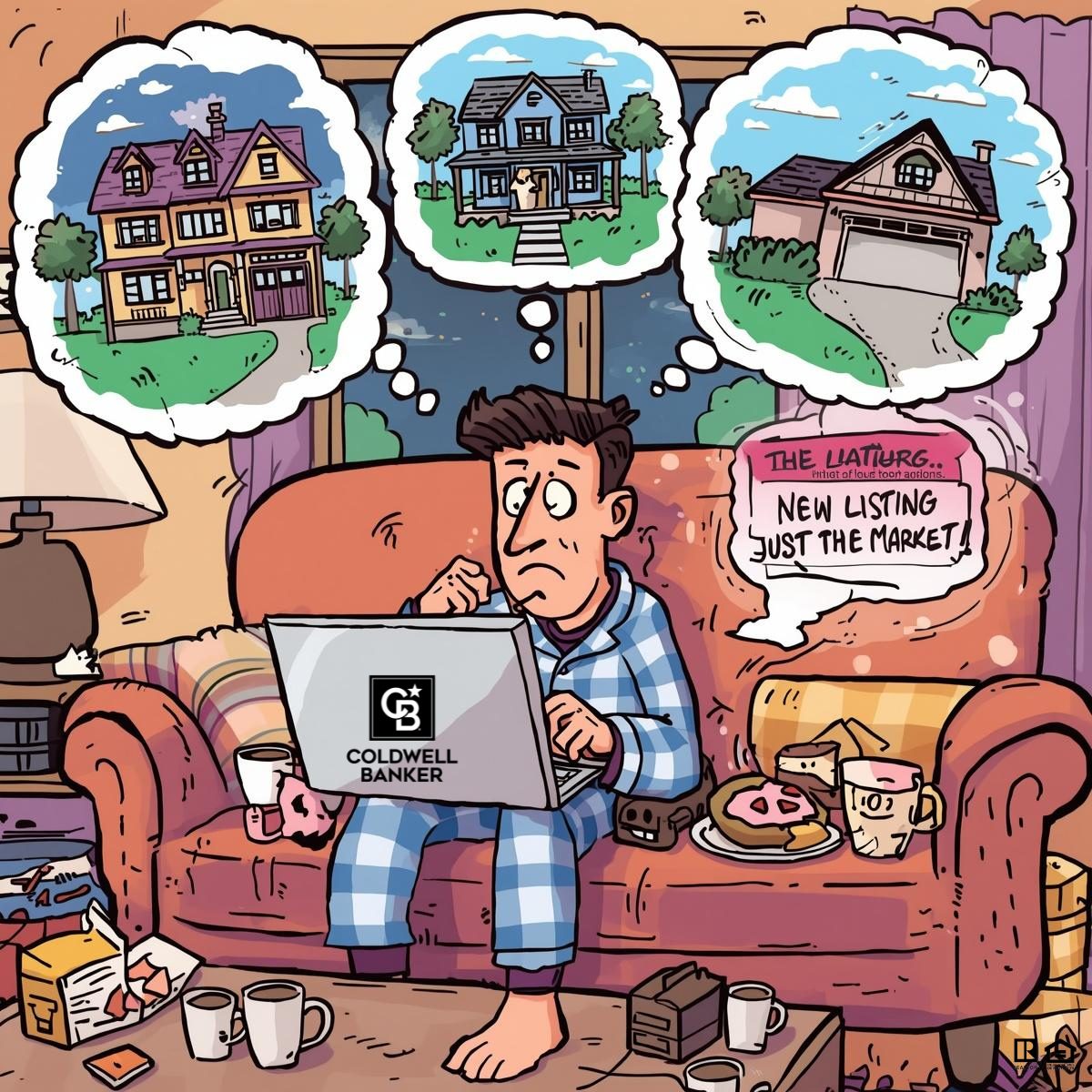
Many people begin their home search the same way.

They open a real estate app, scroll through a few listings, and say something like, We’re just browsing.”

At first, it feels harmless. There is no pressure and no deadline. Curiosity simply leads to a quick look at homes in a favorite neighborhood.

However, something interesting usually happens next.

Browsing slowly turns into imagining.

Buyers start picturing where the couch might go. A backyard suddenly looks perfect for summer cookouts. A front porch feels like the right place for morning coffee.

Before long, “just browsing” turns into something more serious.

After helping many buyers across the Cincinnati area, I have seen this pattern happen again and again. What starts as casual curiosity often becomes the first step toward a real move.

Let’s explore why that happens and what it means for both buyers and sellers.


Why Online Browsing Starts the Home Buying Journey

Today, nearly every home search begins online. Buyers can view hundreds of listings within minutes. Photos, pricing data, and neighborhood maps make exploring homes easier than ever.

According to the National Association of Realtors, roughly 97% of homebuyers use the internet during their home search.

https://www.nar.realtor/research-and-statistics

Because of that access, browsing homes has become part entertainment and part research. Many buyers start casually. Still, exposure to new listings often sparks ideas about lifestyle changes.

Consequently, browsing quickly becomes intentional.

Once someone sees a home that feels right, curiosity turns into real planning.


The Emotional Side of Home Shopping

Real estate decisions are not purely financial. Emotions play a powerful role.

A beautiful kitchen may inspire thoughts of holiday dinners. A quiet backyard might feel perfect for relaxing after work. Meanwhile, a finished basement could look ideal for movie nights or game days.

Therefore, browsing homes can feel surprisingly personal.

Buyers often connect with a property long before they schedule a showing. Because of that emotional connection, browsing tends to accelerate the decision-making process.

Suddenly, the search feels less like entertainment and more like a possibility.


Market Conditions Can Turn Browsers Into Buyers

Market conditions also influence how quickly browsing becomes serious.

Inventory levels change often. Interest rates shift. New listings appear daily.

As a result, buyers sometimes stumble across homes that feel like an opportunity.

For example, a house may appear in a desirable neighborhood at a competitive price. Alternatively, mortgage rates may drop slightly, improving affordability.

Data from the Federal Reserve Economic Data housing database shows how housing supply and mortgage rates influence buyer behavior.

https://fred.stlouisfed.org

When buyers see the right combination of price, location, and timing, browsing turns into action.


Lifestyle Goals Often Drive the Search

Another reason browsing rarely stays casual is lifestyle motivation.

Homes represent daily life, not just square footage.

Buyers often begin imagining:

walking to a nearby coffee shop
hosting family gatherings
giving kids space to play
creating a home office
enjoying a quieter neighborhood

Once people visualize a better lifestyle, motivation increases.

As a result, browsing listings can quickly become a serious search for the right environment.


Local Market Reality in Cincinnati

Here in the Cincinnati area, homes often move quickly in desirable communities.

Neighborhoods such as Milford, Loveland, Anderson Township, and Union Township continue attracting strong buyer interest. Consequently, well-priced homes often receive attention soon after hitting the market.

Because of that pace, buyers benefit from preparing early.

Even if someone begins browsing casually, understanding the local market helps them respond when the right home appears.

You can explore additional local insights here:

https://mikemcentush.sites.cbmoxi.com/cincinnati-real-estate-blog-tips-news

That blog shares Cincinnati market updates, buying tips, and home selling strategies.


Financial Curiosity Often Leads to Action

Many buyers begin browsing simply to understand pricing.

They want to know what homes cost in certain neighborhoods. Some people compare property taxes. Others wonder what monthly payments might look like.

Eventually, curiosity leads to a conversation with a lender.

At that point, buyers may realize a home purchase fits their budget sooner than expected.

Resources like the Consumer Financial Protection Bureau mortgage guide help buyers understand financing and payment options.

https://www.consumerfinance.gov/owning-a-home/

Once financial clarity appears, browsing becomes purposeful.

Buyers start planning instead of dreaming.


Sellers Benefit From Casual Browsers

Interestingly, browsing behavior helps sellers too.

Many buyers actively watching listings are still undecided. They are learning the market. They are comparing homes.

Because of that, a well-presented listing can capture their attention immediately.

Strong listing photos, strategic pricing, and smart marketing help convert browsers into showing requests.

Often, the winning buyer is someone who originally said they were “just looking.”


Tips for Buyers Who Are Just Browsing

Browsing can be productive if buyers approach it strategically.

Here are a few tips that make browsing more useful.

Track homes you like

Save listings that stand out. Over time you will notice patterns in what matters most.

Watch neighborhood differences

Home values often vary dramatically between nearby communities.

Study days on market

Homes that remain active longer may present negotiation opportunities.

Understand price per square foot

Comparing price per square foot can reveal hidden value.

Talk to a local REALTOR early

Even casual browsers benefit from professional insight.

Those simple steps turn browsing into meaningful research.


Why a REALTOR Strategy Matters

Online listings show homes. However, they rarely show the full story.

Inspection issues, negotiation strategies, contract terms, and market timing all affect real estate transactions.

A professional REALTOR provides guidance that buyers cannot get from a website.

For example, an experienced agent helps clients understand:

pricing trends
neighborhood growth
offer strategies
local competition
market timing

That expertise becomes especially valuable when browsing turns into buying.


Conclusion: Browsing Is Often the First Step

Almost every real estate journey begins casually.

Someone opens a home search app. Another person checks listings during lunch. A couple might scroll through homes while watching TV.

At first, the search feels harmless.

Yet browsing has a powerful effect. It introduces possibilities. It creates inspiration. It often sparks the idea that a move might actually make sense.

Eventually, curiosity turns into planning.

Planning leads to showings. Showings lead to offers. Offers lead to a new home.

Browsing, therefore, is rarely just browsing.

Instead, it is usually the beginning of the next chapter.


Thinking About Buying or Selling in Cincinnati?

If you have been browsing homes lately, you might already be closer to a move than you realize.

Understanding the local market can make the difference between missing opportunities and making smart decisions.

📅 Schedule a time to talk here
https://tinyurl.com/Schedulea30MinuteCall

You can also subscribe to my Cincinnati real estate blog for more insights:

https://mikemcentush.sites.cbmoxi.com/cincinnati-real-estate-blog-tips-news

#RealEstate, #HomeBuying, #HouseHunting, #CincinnatiRealEstate, #HousingMarket, #HomeSearch, #RealtorLife, #MikeSellsCincyHomes, #ColdwellBankerRealty, #FirstTimeHomeBuyer, #HomeSelling, #PropertySearch

First Time Home Buyers February 24, 2026

What New Homeowners Forget to Budget For (And How to Avoid Costly Surprises) 🏡💰

Buying a home feels amazing. You get the keys. You walk through the door. It finally feels real.

Then the bills start showing up.

Most buyers focus on the mortgage payment. That makes sense. However, the mortgage is only one piece of homeownership.

Over the years helping buyers across Milford, Loveland, Anderson Township, and Batavia, I’ve noticed the same pattern. New homeowners are confident at closing. A few months later, they are surprised by expenses they did not fully plan for.

Let’s fix that.


Why This Matters in Today’s Market 📊

Home prices have risen in recent years. At the same time, interest rates have moved up and down. Because of that, buyers are stretching budgets just to secure the right home.

According to the National Association of Realtors® (https://www.nar.realtor), inventory remains tight in many markets. Therefore, competition is still strong in certain price ranges.

As a result, buyers focus heavily on qualifying and winning the house. That is understandable. However, long-term success depends on what happens after closing.

Homeownership builds wealth over time. In fact, data from the Federal Reserve (https://www.federalreserve.gov) shows homeowners tend to build far more net worth than renters. Still, that wealth requires planning.

Smart budgeting turns stress into stability.


1. Property Taxes Can Change 📑

Many buyers look at the current tax bill and assume it will stay the same.

It might not.

In Ohio, property taxes are based on assessed value. If you buy at a higher price than the previous owner paid, taxes can adjust over time. In addition, school levies and local changes may increase totals.

Before closing, review:

  • The current tax amount

  • Owner-occupancy reductions

  • Whether taxes are escrowed

Small changes feel minor at first. Over time, they matter.


2. Maintenance and Repairs Add Up 🔧

Every home needs upkeep. Even newer homes require regular care.

A common rule is to budget 1% to 3% of the home’s value each year. On a $300,000 home, that means $3,000 to $9,000 annually.

That money goes toward:

  • HVAC service

  • Roof repairs

  • Plumbing fixes

  • Appliance replacement

  • Landscaping

  • Exterior maintenance

An inspection reduces risk. However, it does not prevent future issues. Therefore, an emergency repair fund is essential.

When systems fail, they do not wait for a convenient time.


3. Utilities Cost More Than You Expect 💡

Renters often underestimate utilities.

Once you own the home, you cover:

  • Electric

  • Gas

  • Water and sewer

  • Trash

  • Internet

  • HOA dues (if applicable)

Larger homes usually mean higher bills. Meanwhile, older windows or aging insulation can increase heating and cooling costs.

Before buying, call utility companies. Ask for average monthly usage. That simple step prevents surprises.


4. Insurance Coverage Gaps 🛡️

Lenders require homeowners insurance. Still, the base policy may not cover everything.

You might need:

  • Sewer backup coverage

  • Flood insurance

  • Higher liability limits

  • Replacement cost coverage

According to the Insurance Information Institute (https://www.iii.org), water damage is one of the most common homeowner claims.

A small policy upgrade now can save thousands later.


5. HOA Fees and Assessments 🏘️

Some neighborhoods include HOA fees. Others do not.

In many Cincinnati suburbs, especially newer communities, HOA dues are common. These fees may cover landscaping, ponds, pools, or walking trails.

Although monthly dues seem manageable, special assessments can happen. Therefore, review HOA documents carefully before closing.

Knowing the rules protects your budget.


6. Furnishing and Upgrades 🛋️

After closing, excitement kicks in.

You want new furniture. You want better landscaping. You want everything to feel perfect.

However, those upgrades add up quickly.

Instead of financing everything at once, pace yourself. Prioritize essentials first. Then upgrade gradually.

Financial stability feels better than new patio furniture.


7. Moving and Post-Closing Costs 📦

Buyers prepare for down payment and closing costs. Yet many forget the smaller items.

These include:

  • Moving trucks

  • Lock changes

  • Utility deposits

  • Minor repairs

  • Window coverings

  • Security systems

In addition, escrow adjustments can increase monthly payments in year two if taxes or insurance rise.

A cash cushion gives peace of mind.


Lending and Financial Strategy 💳

Lenders approve you based on ratios. That does not always mean the payment feels comfortable in real life.

Before buying, consider:

  • Keeping 3–6 months of savings

  • Avoiding new debt after closing

  • Understanding total monthly cost, not just mortgage

  • Thinking long-term about job stability

Helpful resources are available through the Consumer Financial Protection Bureau (https://www.consumerfinance.gov).

Buying smart protects your future flexibility.


Local Insight for Cincinnati Buyers 🗺️

In areas like 45150, 45140, and 45244, we continue to see strong demand for updated homes. Buyers are competing for move-in ready properties.

However, many homes built in the early 2000s now face:

  • Aging HVAC systems

  • Roof replacements

  • Exterior maintenance

Knowing neighborhood trends helps you plan ahead. What works in Loveland may differ from Milford or Anderson Township.

Local knowledge matters.

You can find more buyer education here:
👉 https://mikemcentush.sites.cbmoxi.com/cincinnati-real-estate-blog-tips-news


REALTOR® Strategy: Plan Beyond the Mortgage 🎯

In my experience, stress rarely comes from the purchase price alone.

Instead, pressure builds from unplanned expenses.

That is why I walk buyers through:

  • Realistic monthly projections

  • Tax history review

  • Maintenance planning

  • Resale value considerations

  • Long-term financial goals

Preparation creates confidence. Confidence builds wealth.


Final Thoughts: Own With Confidence 🏡✨

Homeownership is powerful. It builds equity. It creates stability. It offers freedom.

At the same time, it requires preparation.

Mortgage payments are predictable. Maintenance and taxes are not. However, when you budget wisely, those costs become manageable.

If you are thinking about buying on Cincinnati’s East Side, let’s talk strategy before you make a move.

📅 Schedule your consultation here:
https://tinyurl.com/Schedulea30MinuteCall

And subscribe for ongoing real estate insights and local market updates:
👉 https://mikemcentush.sites.cbmoxi.com/cincinnati-real-estate-blog-tips-news

#realestate, #homebuying, #newhomeowner, #cincinnatirealestate, #firsttimehomebuyer, #milfordohio, #lovelandohio, #andersontownship, #clermontcounty, #coldwellbanker
For BuyersFor Sellers February 19, 2026

What Inventory Levels Actually Tell Us 🏡📊

If you’ve followed the real estate market at all lately, you’ve probably heard the phrase “low inventory.” It gets tossed around on the news, on social media, and in everyday conversation. But what does inventory really tell us? And more importantly, what does it mean for buyers and sellers right here in the Cincinnati market?

Let’s break it down in plain English. Because inventory levels are not just a number. They’re a signal. And if you know how to read that signal, you can make smarter real estate decisions. 👇


Why Inventory Levels Matter More Than You Think

In real estate, inventory refers to the number of homes actively for sale at a given time. However, professionals don’t just count listings. Instead, we measure something called months of supply.

Months of supply shows how long it would take to sell all current homes on the market if no new homes were listed.

  • 6 months of supply = balanced market ⚖️

  • Less than 6 months = seller’s market 🔥

  • More than 6 months = buyer’s market 💰

According to the National Association of Realtors, the U.S. has been operating below a balanced market level for several years. You can review their national housing data here: https://www.nar.realtor/research-and-statistics 📈

Meanwhile, locally in Cincinnati and the East Side communities like Milford, Loveland, Anderson Township, and Batavia, we’ve consistently seen tighter inventory than the national average.

That matters. Because low inventory affects pricing, competition, negotiation power, and timing.


What Low Inventory Really Means 🔎

When inventory is low, three things typically happen:

1️⃣ Prices Tend to Rise

Fewer homes for sale means more buyers competing for each property. As a result, sellers often receive multiple offers. Over time, that pushes home values upward.

This is simple supply and demand. The fewer homes available, the more valuable each one becomes.

The Federal Reserve regularly tracks housing supply data as part of broader economic analysis. Housing shortages are one reason prices have remained strong despite higher interest rates. You can explore housing data trends here: https://fred.stlouisfed.org


2️⃣ Homes Sell Faster ⏳

Low inventory usually leads to shorter days on market. Buyers move quickly because they know options are limited.

However, here’s the nuance:
Even in a low-inventory environment, homes still need to be priced correctly. Condition still matters. Marketing still matters.

I’ve seen homes in strong seller markets sit longer than they should simply because pricing was too aggressive or presentation was poor. Inventory sets the tone. Strategy determines the result.


3️⃣ Negotiation Power Shifts

In tight inventory conditions, sellers hold more leverage. They may limit contingencies. They may request flexible possession terms. They may choose offers based on strength, not just price.

Conversely, when inventory rises, buyers regain leverage. They can negotiate repairs. They can ask for closing costs. They can take more time evaluating options.

Understanding this shift is critical before you enter the market.


What Rising Inventory Tells Us 📊

Now let’s talk about the flip side. When inventory begins to increase, it does not automatically mean prices will crash.

Instead, it often signals normalization.

More listings mean:

  • Buyers have more choices

  • Bidding wars become less frequent

  • Pricing becomes more strategic

  • Negotiations become more balanced

That doesn’t mean sellers lose. It simply means expectations adjust.

In fact, moderate inventory growth is healthy. It prevents price spikes that push affordability out of reach. It also stabilizes long-term appreciation.


Buyer Motivations in Today’s Inventory Climate 🏠

Buyers are motivated by three main factors right now:

✔️ Stability

Many buyers want predictable payments and long-term security. Even with higher rates, owning can provide stability compared to rising rent.

✔️ Lifestyle Changes

Growing families, relocations, downsizing, and job changes continue regardless of inventory levels. Life does not pause for market cycles.

✔️ Future Equity

When inventory is tight, buyers often worry about overpaying. However, historically, real estate has shown steady appreciation over time. Data from the U.S. Census Bureau confirms long-term housing demand trends tied to population growth.

Inventory influences timing. It does not eliminate opportunity.


Seller Motivations in a Low Inventory Market 💼

Sellers benefit from low inventory, but that does not mean every seller should rush to list.

Smart sellers consider:

  • Local absorption rate

  • Competing listings

  • Seasonality

  • Interest rate environment

  • Buyer demand in their price range

For example, a $250,000 home in Clermont County may face intense competition from buyers. Meanwhile, a $900,000 property may operate in a different micro-market.

Inventory is hyper-local. That’s why national headlines rarely tell the full story.


Popular Home Features That Matter More When Inventory Is Tight ✨

In a limited supply environment, buyers prioritize move-in-ready homes.

They are looking for:

  • Updated kitchens

  • Open floor plans

  • Home offices

  • Energy efficiency

  • Outdoor living space

When inventory rises slightly, buyers become pickier. Condition matters more. Overpriced homes sit longer.

Presentation is everything. Professional photography. Clean staging. Clear pricing strategy. These are not optional in competitive markets.


Cincinnati and East Side Market Insights 📍

Here’s where local knowledge becomes critical.

Cincinnati, particularly areas like Milford, Loveland, Anderson Township, Pierce Township, and Batavia, has experienced steady demand driven by:

  • Strong school districts

  • Proximity to downtown

  • Affordable price points compared to national averages

  • Stable employment base

Inventory here has remained tighter than historical norms. That means buyers must be prepared. Sellers must be strategic.

If you want hyper-local insights specific to your neighborhood, you can start with a free home value estimate here:
👉 https://tinyurl.com/OurHomeEstimate


Financial and Lending Considerations 💰

Inventory and interest rates work together.

When rates rise, some sellers hold onto their low mortgage rates, which reduces inventory further. That creates a supply squeeze.

Meanwhile, buyers evaluate monthly payment more than purchase price.

Before making a move, speak with a trusted lender. Understand:

  • Current rate options

  • Buydown strategies

  • Adjustable vs fixed loans

  • Closing cost structures

Preparation reduces stress.

If you need trusted lending connections, I’m happy to introduce you to experienced professionals in the Cincinnati market.


Smart Home Search Tips in a Low Inventory Market 🔍

Here’s what works:

1️⃣ Get fully pre-approved
2️⃣ Set realistic expectations
3️⃣ Move quickly but think clearly
4️⃣ Focus on long-term value, not short-term emotion
5️⃣ Work with an agent who understands negotiation strategy

Additionally, broaden your search criteria slightly. Expanding radius or adjusting feature expectations often opens opportunity.

You can also explore current listings directly on my website:
👉 https://www.mikesellscincyhomes.com


Professional REALTOR® Strategy Advice 🧠

Inventory is not just about counting homes. It’s about reading momentum.

As a REALTOR® with Coldwell Banker Realty serving Cincinnati and the East Side communities, I analyze:

  • Weekly pending-to-listing ratios

  • Absorption rates

  • Price reductions

  • Showing traffic

  • Days on market trends

Those indicators often reveal shifts before headlines do.

Because here’s the truth:
Inventory is a leading indicator.

When inventory tightens rapidly, price pressure builds.
When inventory expands gradually, negotiation balance improves.

Making a move without understanding that context is risky. Making a move with strategy is powerful.


Final Thoughts: Inventory Is a Signal, Not a Headline 📌

Inventory levels tell a story.

They tell us about supply and demand. They reveal negotiation leverage. They shape pricing strategy. They influence timing.

However, inventory alone does not determine success.

Preparation matters. Guidance matters. Local expertise matters.

If you’re thinking about buying or selling in Cincinnati, Milford, Loveland, Anderson Township, Batavia, or surrounding communities, let’s talk strategy.

📅 Schedule a time to connect here:
👉 https://tinyurl.com/Schedulea30MinuteCall

And if you want ongoing local market updates, tips, and insights, subscribe to the blog here:
👉 https://mikemcentush.sites.cbmoxi.com/cincinnati-real-estate-blog-tips-news

Real estate is not about reacting to headlines. It’s about understanding the data and making confident moves. I’d love to help you do exactly that.

#realestate, #housingmarket, #cincinnatirealestate, #homesforsale, #buyersagent, #sellersagent, #inventorylevels, #realestatetips, #coldwellbankerrealty

First Time Home Buyers February 4, 2026

Pre-Qualified vs. Pre-Approved: What the Difference Really Means in Real Life

Pre-Qualified vs. Pre-Approved: The Difference That Actually Matters When Buying a Home 🏡

If you are planning to buy a home, you have likely heard two terms that sound almost identical: pre-qualified and pre-approved. While they are often used interchangeably, they mean very different things in real life.

More importantly, misunderstanding the difference can cost you time, money, and even the home you want. Because of that, knowing how each one works helps you move forward with confidence.

Let’s break this down in a way that actually makes sense.


Why This Distinction Matters in Today’s Market 📊

The real estate market has changed. Inventory remains limited in many areas, interest rates can shift quickly, and sellers are paying close attention to buyer strength.

As a result, preparation matters more than ever.

Sellers want certainty.
Listing agents want fewer surprises.
Buyers want clarity before making a big decision.

That is exactly where pre-qualification and pre-approval come into play.


What Pre-Qualification Really Means ☎️

A pre-qualification is typically the first step in the mortgage conversation. In simple terms, it is an informal estimate of what you might be able to afford.

During this step, a lender usually asks about:

  • Your estimated income

  • Your monthly debts

  • Your general credit profile

  • Your savings or assets

However, documents are not verified at this stage. In most cases, credit is not pulled either.

Because of that, pre-qualification is fast and easy. Still, it is only a starting point.

When Pre-Qualification Is Helpful

For example, pre-qualification works well when you are:

  • Exploring whether buying makes sense

  • Setting an early budget range

  • Planning a future move

  • Starting conversations with a REALTOR®

Where It Falls Short

That said, pre-qualification is not a commitment from a lender. It also does not guarantee loan approval. Most importantly, it carries very little weight with sellers.

In real-world transactions, that distinction matters.


What Pre-Approval Means in Real Life ✅

A pre-approval is far more thorough. At this stage, the lender verifies your financial picture instead of relying on estimates.

This process usually includes:

  • A full credit check

  • Income verification with pay stubs or tax returns

  • Bank statement review

  • Employment confirmation

  • Debt-to-income analysis

Once complete, the lender issues a pre-approval letter. This letter confirms the loan amount you are approved for, assuming you find a suitable property.

Why Pre-Approval Is a Game Changer

Because the numbers are verified, pre-approval carries real weight. In fact, many sellers will not even consider an offer without it.

As a result, pre-approval:

  • Strengthens your offer

  • Builds seller confidence

  • Reduces last-minute surprises

  • Speeds up the closing process

  • Gives you clearer buying boundaries

In competitive situations, this can make all the difference.


Pre-Qualified vs. Pre-Approved: Quick Comparison 👀

Feature Pre-Qualified Pre-Approved
Credit Check Usually no Yes
Income Verified No Yes
Documents Reviewed No Yes
Seller Confidence Low High
Offer Strength Weak Strong

How Sellers and Listing Agents View These Letters 🏠

From a seller’s perspective, the question is simple: Can this buyer close without issues?

A pre-approval answers that question clearly. A pre-qualification does not.

Listing agents review offers with risk in mind. Therefore, they tend to favor buyers who demonstrate:

  • Verified financing

  • Reliable local lenders

  • Clean loan terms

  • Strong communication

That is why, as a REALTOR®, I strongly encourage buyers to get fully pre-approved before shopping seriously.


Common Buyer Mistakes to Avoid 🚩

Even well-prepared buyers sometimes make avoidable mistakes.

For instance, many buyers assume pre-qualification is enough. Others shop at the top of their approval range without considering comfort.

Additional mistakes include:

  • Waiting too long to talk with a lender

  • Opening new credit during the process

  • Ignoring credit health early on

  • Choosing lenders with limited local support

Fortunately, these issues are easy to avoid with the right guidance.


Financial Clarity Beyond the Approval 💳

Another major benefit of pre-approval is understanding the full financial picture.

Specifically, it helps clarify:

  • Monthly payment comfort

  • Cash needed at closing

  • Reserve requirements

  • How interest rate changes affect affordability

For trusted education on mortgages and credit, the Consumer Financial Protection Bureau provides excellent buyer resources:
👉 https://www.consumerfinance.gov/owning-a-home/

Additionally, Freddie Mac offers clear explanations of mortgage readiness and credit standards:
👉 https://myhome.freddiemac.com/buying

Both are reliable, non-biased sources worth reviewing.


Local Insight from the Cincinnati Market 📍

Here in the Cincinnati area, especially on the east side, pre-approval has become the standard, not the exception.

In multiple-offer situations, buyers without pre-approval are often passed over. This happens even when their offer price is strong.

It is not personal. Instead, it is about reducing risk.

For more local buyer guidance, you can explore additional articles here:
👉 https://mikemcentush.sites.cbmoxi.com/cincinnati-real-estate-blog-tips-news


Smarter Home Search Tips 🗺️

Once pre-approved, your search becomes far more focused.

To stay on track:

  • Shop below your maximum approval

  • Factor in taxes and insurance

  • Avoid new debt during escrow

  • Keep documents accessible

  • Stay in regular contact with your lender and REALTOR®

This approach keeps deals smoother and timelines predictable.


REALTOR® Strategy That Protects You 🤝

As a full-time REALTOR® with Coldwell Banker Realty, my role is to guide you beyond the basics.

That includes:

  • Connecting you with strong local lenders

  • Reviewing financing terms before offers

  • Structuring offers to reduce risk

  • Communicating clearly with listing agents

  • Helping you avoid surprises late in the process

Buying a home is not just about finding the right property. It is about presenting the strongest position possible.


Final Thoughts: Which One Do You Need? 🧠

Pre-qualification is a fine starting point if you are just exploring options.

However, if you are ready to tour homes or write offers, pre-approval is essential.

It gives you leverage.
It protects your time.
It builds confidence on all sides.

Most importantly, it helps you buy smart.


Ready to Talk Through Your Next Move? 📅

If you are thinking about buying or simply want clarity, I would be glad to help.

Contact Mike McEntush, REALTOR®
Coldwell Banker Realty

👉 Schedule a one-on-one consultation:
https://tinyurl.com/Schedulea30MinuteCall

👉 Subscribe to the blog for weekly local insights:
https://mikemcentush.sites.cbmoxi.com/cincinnati-real-estate-blog-tips-news

Let’s make sure you are prepared, confident, and positioned to win.


#RealEstateTips, #HomeBuying101, #MortgagePreApproval, #FirstTimeHomeBuyer, #CincinnatiRealEstate, #EastSideCincy, #HouseHunting, #RealEstateAdvice, #BuyersAgent, #ColdwellBanker

For Buyers January 28, 2026

Why Buyers Are Choosing Homes With Character

Why Buyers Are Choosing Homes With Character 🏡✨

Why Charm Is Winning in Today’s Real Estate Market

Introduction: Buyers Want Homes That Feel Right ❤️

Today’s buyers want more than space.
They want connection.

Because of that, homes with character are getting more attention. These homes feel warm, personal, and memorable.

Instead of asking only about square footage, buyers now focus on how a home feels. As a result, charm has become a major selling point.

So why is this shift happening now? More importantly, how does it affect buyers and sellers in Cincinnati? Let’s break it down. 👇


Market Context: Why Character Matters Today 📊

Over the years, new construction has grown fast. While that added options, it also created sameness.

At the same time, buyer habits changed. Since many people now work from home, they spend more time inside. Therefore, comfort matters more than ever.

According to the National Association of REALTORS®, buyers rank design and layout as top decision factors
👉 https://www.nar.realtor/research-and-statistics

Because of this, homes with personality often stand out quickly. In fact, many receive stronger offers.


Key Trends Driving This Shift 🧠📈

Several trends explain why buyers want character.

First, buyers feel design fatigue. Many homes look identical. Over time, that becomes boring.

Second, nostalgia plays a role. Older homes remind buyers of places they loved growing up.

Meanwhile, social media raised expectations. Buyers now want homes that look good and feel unique.

Finally, character homes often sit in established areas. These neighborhoods offer trees, sidewalks, and history.


Buyer Motivation: Why Character Feels Like Home 🏠💛

Buying a home is emotional.
Logic narrows choices.
Emotion makes the final call.

Homes with character create instant connection. A fireplace feels cozy. Built-ins feel thoughtful. A porch feels welcoming.

In addition, buyers know these details cost more today. Therefore, original features feel valuable.

Most importantly, unique homes feel special. Buyers like owning something different.


Seller Perspective: Why Character Helps You Win 💰

From a seller’s view, charm is powerful.

When marketed well, these homes often receive:

  • More online views

  • Better showing feedback

  • Strong emotional reactions

  • Serious buyers

Because charm stands out, sellers avoid competing on price alone. Instead, they compete on appeal.

That is why professional photos and smart pricing matter even more.


Features Buyers Love Most 🪟🔥

Buyers consistently respond to authentic details, such as:

  • Original hardwood floors

  • Exposed brick or stone

  • Built-in shelving

  • Vintage fireplaces

  • Arched doorways

  • Sunrooms and porches

  • Mature landscaping

However, buyers do not expect perfection. They do expect good care. When charm meets upkeep, demand increases.


Lifestyle Changes Driving Demand 🛋️✨

Lifestyle plays a big role here.

Today’s buyers want flexible rooms. Character homes often offer defined spaces instead of wide-open layouts.

As a result, dining rooms become offices. Sunrooms become reading areas. Basements become media rooms.

Because of this flexibility, buyers see long-term value.


Cincinnati Market Insights 🏙️

This trend is strong across Greater Cincinnati.

Areas like Loveland, Milford, Anderson Township, Hyde Park, and Clermont County feature homes with lasting charm.

Since land is limited in these areas, these homes hold value well. Buyers understand they cannot be replaced.

For more local insight, visit my Cincinnati real estate blog 👉
🔗 https://mikemcentush.sites.cbmoxi.com/cincinnati-real-estate-blog-tips-news


Financial & Lending Considerations 💵

Older homes require planning.

Because systems may be older, inspections matter. However, many lenders are comfortable with these homes.

According to the Consumer Financial Protection Bureau, renovation loans help buyers finance updates
👉 https://www.consumerfinance.gov/owning-a-home/

With guidance, buyers protect their investment while enjoying character.


Smart Tips for Buyers 🔍✔️

When shopping for character homes:

  • Focus on neighborhoods first

  • Look past cosmetic flaws

  • Watch craftsmanship details

  • Ask about updates

  • Work with an experienced REALTOR®

Above all, trust your gut. If it feels right, it usually is.


REALTOR® Strategy: Why Experience Matters 🧭

Character homes need the right strategy.

As a REALTOR® with Coldwell Banker Realty, I help buyers see real value. I also help sellers highlight what makes their home special.

These homes need custom marketing. Generic listings do not work.

Curious what your home may be worth today? Start here:
🔗 https://tinyurl.com/OurHomeEstimate


Final Thoughts: Why Character Continues to Win 🏡✨

Buyers want homes that feel real.

Character creates emotion.
Emotion builds connection.
Connection drives action.

Understanding this trend gives buyers and sellers a clear advantage.


Ready to Take the Next Step? 📞

If you are buying or selling a home with character, let’s talk.

👉 Schedule a one-on-one consultation:
🔗 https://tinyurl.com/Schedulea30MinuteCall

👉 Subscribe for weekly Cincinnati market insights:
🔗 https://mikemcentush.sites.cbmoxi.com/cincinnati-real-estate-blog-tips-news

Mike McEntush, REALTOR®
Coldwell Banker Realty


#CincinnatiRealEstate, #HomesWithCharacter, #MikeSellsCincyHomes, #ColdwellBankerRealty, #CincyRealtor, #EastSideCincy, #LovelandOH, #MilfordOH, #AndersonTownship, #ClermontCountyRealEstate, #HomeBuyingTips, #HomeSellingTips

For Buyers October 30, 2025

The Psychology Behind Picking a Neighborhood

🧠 The Psychology Behind Choosing a Neighborhood on Cincinnati’s East Side

Most buyers begin by scanning homes online—kitchens, bedrooms, yards, and whether the basement is finished. That’s the fun part. Yet the most important decision often happens before you tour a single property:

👉 Choosing the neighborhood.

Where you live shapes nearly everything: your routine, your stress level, your sense of community, and your long-term happiness. The neighborhood affects where you grocery shop, how long your commute takes, what you do on weekends, and how relaxed you feel at the end of the day. In many ways, the neighborhood becomes the framework that supports your daily life.

As you explore, your mind is constantly processing cues about identity, belonging, safety, lifestyle alignment, and future potential. You may not notice the evaluation happening, but your instincts are already deciding whether a place feels like home.

Let’s break down what your brain is looking for—often without you realizing it.


Why Neighborhood Psychology Matters

Understanding how your mind reacts to place allows you to choose with confidence. It also helps:

  • Prevent buyer’s remorse

  • Clarify what you value

  • Reduce decision fatigue

  • Align lifestyle with surroundings

Ultimately, you are not only buying a house. You are choosing a life setting. The neighborhood determines whether that setting feels energizing, peaceful, social, or stressful.


Identity: “Does this place feel like me?”

Identity plays a major role in choosing where to live. We’re naturally drawn to places that reflect who we are—or who we want to become. You can feel this even when you’re not consciously thinking about it.

For example, some people love walkability, coffee shops, and casual outdoor space. Others prefer quiet streets, structured neighborhoods, or areas with traditional character. Meanwhile, some buyers want color, creativity, or new areas with growing energy.

Think about how you describe yourself. If you see your personality reflected in a neighborhood’s tone, you’ll probably feel at ease there.

Ask yourself:

“Could I see myself living daily life here—comfortably?”

The answer reveals a great deal.


Belonging & Social Comfort

Humans have a deep need to belong. When you drive through a neighborhood, your brain quickly looks for signs of social compatibility. You may notice whether neighbors wave, walk dogs, or chat on sidewalks. These signals help you decide whether you might fit in.

Some areas feel lively and social. Others feel quiet and private. Both options can be appealing depending on your personality. If you enjoy a friendly atmosphere, a more active neighborhood may feel right. If you prefer peace and space, a quieter area will feel more comfortable.

As you explore, pay attention to neighborhoods where you relax and feel welcome. That emotional response is data worth listening to.


Family Psychology

Even buyers without kids often consider how a neighborhood might support future plans. Our minds naturally imagine what life could look like years down the road. You may picture young children playing outside or imagine walking to a nearby park. These images come from your planning instincts.

Because of this, people often feel drawn to neighborhoods with sidewalks, schools, or green spaces. These features signal that a community can grow with you over time.

If you catch yourself imagining life there—birthdays, morning walks, or weekend routines—the neighborhood may be a strong match.


Financial Comfort

While neighborhood choice is emotional, money influences the decision as well. People tend to feel better when their environment aligns with their financial personality.

Some neighborhoods feel steady and predictable. Others feel full of potential. Meanwhile, some offer affordability that gives buyers space to grow financially.

Everyone’s comfort level with investment varies. Conservative buyers gravitate toward long-established areas. Opportunity-seekers may look for rising pockets. Value-seekers appreciate neighborhoods with balanced prices and convenience.

Choosing a neighborhood that aligns with your financial instincts creates long-term peace of mind.


Safety & Instinct

Safety is a primal human need. Long before you pull crime reports, your body senses whether you feel secure. You might notice lighting, sidewalks, home upkeep, or street activity. These subtle cues influence your comfort level.

If a neighborhood feels orderly and calm, your nervous system relaxes. You breathe easier. Conversely, if something feels unsettling—even if you can’t explain it—your body remains alert.

Listen to that instinct. It’s often accurate, and it plays a large role in whether you emotionally connect with a place.


Daily Convenience & Routine

Daily routine is where happiness lives. A neighborhood that supports your lifestyle will feel easier and more enjoyable.

Think about how often you:

  • Grocery shop

  • Visit parks

  • Drive to work

  • Grab coffee

  • Attend activities

If those tasks are simple, life feels smoother. Shorter drives save time. Walkable assets make errands pleasant. Access to highways eases commuting. Convenience significantly boosts satisfaction.

Meanwhile, neighborhoods that require long drives for basic errands can create frustration over time. Convenience is not glamorous, yet it consistently adds value to your daily rhythm.


Atmosphere & Aesthetic Comfort

Atmosphere affects mood instantly. As you drive or walk through a neighborhood, you take in scenery, trees, architecture, sound, and space. Those impressions matter.

Some people feel at peace when homes sit under large trees. Others prefer open space, newer streets, or clean contemporary lines. There is no wrong preference—only what matches your internal rhythm.

If your shoulders drop when you arrive somewhere, notice that feeling. It’s telling you the neighborhood resonates with you emotionally.


Familiarity vs. Fresh Start

Everyone leans toward either familiarity or reinvention. Some people prefer places that resemble where they grew up. Familiarity offers comfort. It makes transitions easier.

Others want a fresh start. They seek someplace different from their past. This shift feels energizing and hopeful. Cincinnati’s East Side gives space for both experiences: familiar suburban patterns and interesting pockets with more distinct character.

Neither approach is better. Both reflect your current season of life.


Lifestyle & Weekend Rhythm

Weekend routines highlight what matters most. If you picture biking, coffee shops, and casual Saturday mornings, some neighborhoods make that easier. If you picture quiet backyards and relaxed evenings, others will suit you better.

Consider where you’ll spend time:

  • Parks

  • Water

  • Trails

  • Restaurants

  • Friends’ homes

When a neighborhood supports your ideal weekend rhythm, life feels more fun—and less forced. That’s a major sign you’re in the right place.


Future Vision

Although some people buy with long-term plans, others simply want a space that works now. Both approaches are valid. Your mind still checks whether a neighborhood aligns with future needs.

You may wonder if you could stay for several years, or whether moving again would be easy when the time comes. You might picture how life will look if your job changes or your family grows. Even brief thoughts like these reveal how a place fits your long-range goals.

Future alignment gives decisions confidence. When your present and future selves agree, the neighborhood feels right.


A Quick Note on East-Side Cincinnati

Cincinnati’s East Side includes a mix of classic neighborhoods, modern conveniences, and scenic areas. The region offers friendly communities, nature access, and varied price points. Some pockets feel bustling. Others are peaceful. Several offer walkable gathering spaces. Many include steady, lived-in charm.

Because each street can feel different, walking, driving, and visiting local shops are great ways to evaluate personality. Spend time observing, and you’ll quickly sense which areas match your pace.


Emotional Green Flags

You’ve likely found the right neighborhood when:

  • You picture yourself living daily life there

  • Weekend plans feel easy

  • Your body relaxes

  • The pace feels natural

  • You feel socially comfortable

When these elements align, choosing becomes much easier.


Conclusion

The neighborhood you choose is more than a backdrop. It shapes your lifestyle, your mood, your routines, and your relationships. Cincinnati’s East Side offers options for almost every style—quiet, active, traditional, or expressive.

By paying attention to how different places make you feel, you’ll find a neighborhood that supports both your present and your future. When your head and your heart agree, you’ve found home.


📞 Ready to Explore Cincinnati’s East Side?

If you’re searching for a neighborhood that fits you, I’d love to help.
Let’s talk through your needs, your lifestyle, and your long-term goals so we can find a community where you’ll truly thrive.

Schedule a chat:
📅 https://calendly.com/mikemcentush/30min

Get intel before you buy or sell:
🌐 www.mikesellscincyhomes.com

Subscribe to the blog!  https://mikemcentush.sites.cbmoxi.com/my-blog

Receive weekly insights on neighborhoods, market trends, and local lifestyle tips.

#MikeSellsCincyHomes #CincyRealEstate #EastSideCincy
#HomeBuyingTips #NeighborhoodVibes #CincyHomes
#OhioLiving #ChooseWisely #HomeJourney