For Sellers May 18, 2026

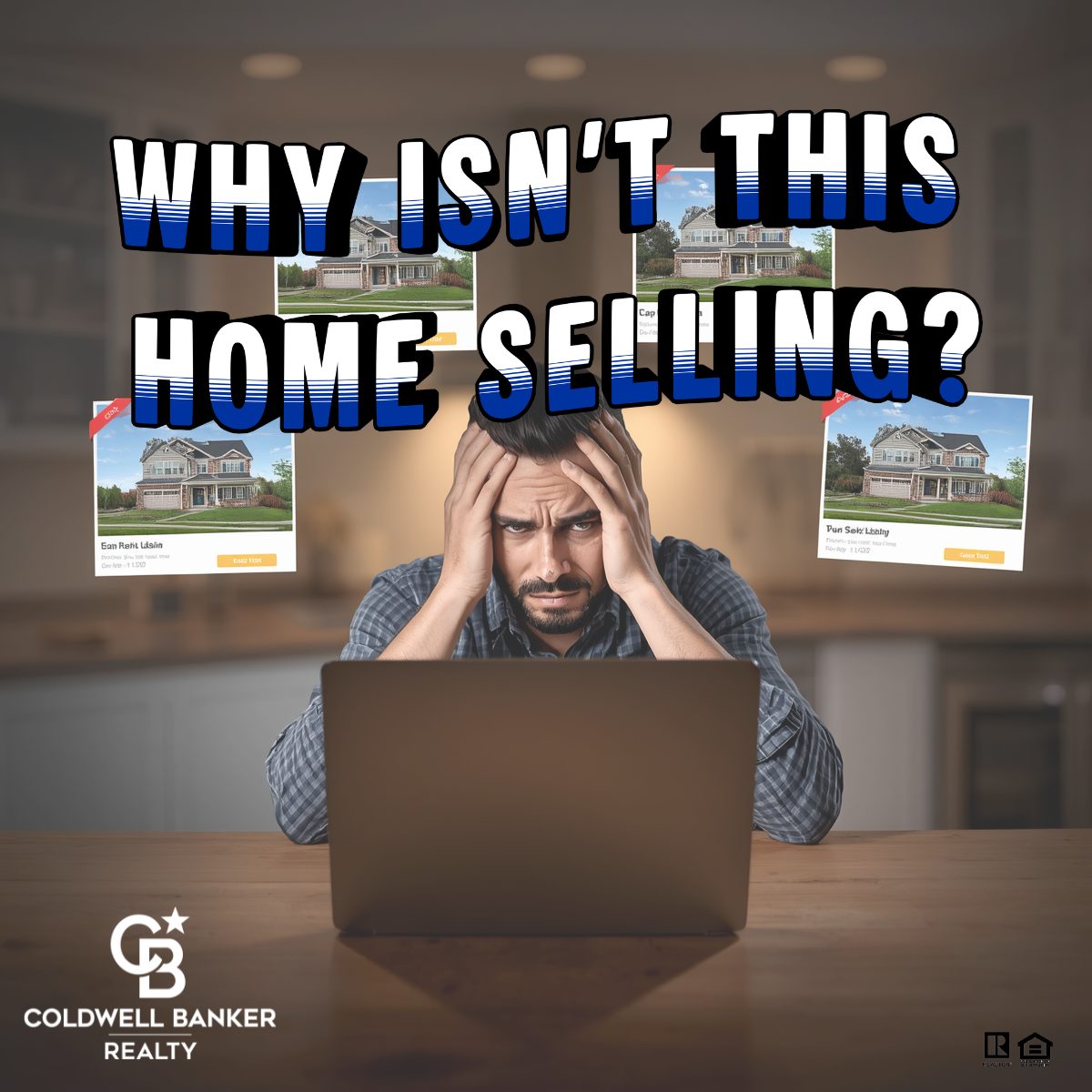
Why Some Listings Sit on the Market in Amelia, Ohio

Every spring, the same thing happens in Amelia. A seller lists their home with high hopes. The sign goes up. The photos look decent. And then… nothing. Weeks pass. Showings trickle in. Offers don’t come.

If you’ve been asking yourself why your home isn’t selling in Amelia, you’re not alone. However, the answer isn’t always obvious — and most sellers don’t find out until real damage is done.

After working with dozens of sellers across Clermont County, I can tell you this: stalled listings almost always come down to a short list of fixable problems. In this post, I’ll break down exactly what those problems are. More importantly, I’ll show you how to fix them.


The Amelia Market Has Changed — Have You Kept Up?

First, let’s talk about what’s actually happening in the market right now.

Amelia and the broader Clermont County area have shifted. We’re no longer in the frenzied seller’s market of 2021. Today, buyers have more choices. As a result, they’re more selective. They’re also better informed — most of them have spent weeks on Zillow, Redfin, and Realtor.com before ever scheduling a showing.

That shift matters. For example, a home that might have sold in a weekend two years ago now needs to earn buyer attention. Competition is real. Pricing has to be sharp. And presentation? It has to be excellent.

According to the National Association of Realtors, the majority of buyers start their home search online. In other words, your listing’s digital presence is your first showing — whether you’re ready for it or not.

If your home has been sitting, something in that equation is off. So let’s figure out what.


Reason #1: The Price Is Wrong

This one is uncomfortable. Nevertheless, it’s the truth — overpricing kills more listings than anything else.

Most sellers set their asking price based on what they need, what they spent, or what a neighbor got two years ago. None of those things matter to today’s buyer. What matters is what comparable homes are selling for right now, in this market, in your neighborhood.

Here’s what happens when a home is priced too high. First, it gets skipped in online searches. Buyers filter by price range — and if you’re $15,000 above where they’re looking, you don’t even show up. Second, the buyers who do find it compare it to other homes at that price point. When your home doesn’t stack up, they move on.

In Amelia specifically, homes priced just 5–10% above market value tend to sit. That gap feels small. However, to a buyer with a budget and a lender’s approval letter, it’s often a deal-breaker.

The fix? A real Comparative Market Analysis — not a Zestimate. A proper CMA looks at recent closed sales, active competition, and condition adjustments. That’s the foundation of a smart pricing strategy. You can start that conversation here anytime.


Reason #2: Buyers Are Reacting to What They See First

Most sellers think the showing is where the home gets judged. In reality, judgment happens long before anyone walks through the door.

Think about how buyers actually shop. They scroll through photos on their phone. They make snap decisions in two seconds. Therefore, if your listing photos are dark, cluttered, or shot from awkward angles, you’re losing buyers before they ever schedule a tour.

Additionally, curb appeal plays a huge role. A home with overgrown landscaping, a worn front door, or a dated exterior sends a signal. That signal isn’t “this home needs a little work.” To a buyer, it reads as “this home wasn’t maintained.” And once that thought is planted, it’s hard to shake.

Professional photography isn’t a luxury anymore. It’s the baseline. In a market where buyers are comparing your home to 30 others in the same price range, great photos are often the deciding factor between a showing and a swipe.


Reason #3: Deferred Maintenance Is Scaring Buyers Away

Beyond photos, physical condition matters enormously. In fact, visible maintenance issues are one of the fastest ways to kill buyer confidence.

Buyers notice things. A sagging gutter. Soft spots in the flooring. Water stains on the ceiling. Even small issues, when left unaddressed, make buyers wonder what else is hiding. As a result, they either pass entirely or come in with a lowball offer to account for the “risk.”

Furthermore, many buyers are using FHA or conventional financing that has condition requirements. A home with a failing roof or a cracked foundation may not even qualify for certain loan types. That shrinks your buyer pool significantly.

The smart move is to complete a pre-listing inspection before you go on the market. This way, you control the narrative. You know what needs attention. You can fix the things that matter and disclose the things you won’t. That transparency builds buyer trust — and trust closes deals.


Reason #4: Your Marketing Isn’t Reaching the Right Buyers

Even a well-priced, well-maintained home can sit if it isn’t being marketed effectively. Unfortunately, many sellers assume the MLS does all the heavy lifting. It doesn’t.

Effective marketing means your home shows up where buyers are actually spending time. That includes Facebook, Instagram, and YouTube — not just real estate portals. It also means targeted digital ads, email campaigns to active buyer lists, and sometimes outreach to agents who are working with buyers in your price range.

Moreover, the listing description matters more than most people think. A generic description that lists square footage and bedroom counts doesn’t inspire action. On the other hand, a compelling narrative that speaks to lifestyle, location, and what makes the home unique? That creates emotional connection. And emotional connection drives offers.


Reason #5: The First 30 Days Are Everything

Here’s something most sellers don’t fully understand until it’s too late: the first 30 days on the market are your most powerful window.

That’s when your listing is fresh. Buyers and agents notice new listings immediately. Therefore, if you’re not ready on day one — priced right, looking great, marketed aggressively — you’re burning your best opportunity.

After 30 days, something shifts. Buyers start to wonder why the home is still available. Days on market becomes a psychological signal. The longer a listing sits, the more negotiating leverage buyers feel they have. As a result, late-stage offers tend to be lower, and some buyers won’t even bother.

The best sellers I work with don’t list until everything is ready. They get the inspection done first. They handle the touch-ups. They review the pricing strategy. Then — and only then — do they go live.


What Actually Works: A Pre-List Checklist

Before listing your Amelia home, work through these steps:

Nail the price. Base it on recent comparable sales, not emotion or online estimates. Work with a local agent who knows the Clermont County market.

Get a pre-listing inspection. Find out what buyers will find before they find it. Fix what makes sense. Disclose what you won’t fix. This builds credibility.

Boost curb appeal. Mow, edge, plant fresh mulch, and paint the front door if needed. First impressions happen at the curb — often before anyone steps inside.

Declutter and depersonalize. Buyers need to visualize themselves in the space. Too much furniture or personal items makes that harder.

Invest in professional photography. Budget for a real photographer or at minimum shoot with excellent lighting and wide angles. This is not the place to cut corners.

Market beyond the MLS. Social media ads, email campaigns, agent-to-agent outreach, and digital targeting all expand your reach to serious buyers.


The Financial Reality Sellers Often Ignore

Let’s talk about money for a moment — specifically, how interest rates affect your sale.

Rates have stayed elevated compared to the historic lows of 2020–2021. Consequently, buyer purchasing power has decreased. A buyer approved for $350,000 in 2021 might only qualify for $300,000 today. That math directly affects how your home is priced relative to what buyers can afford.

Additionally, a home sitting on the market for 90+ days often ends up selling for less than it would have at a correct price on day one. The price reductions add up. The negotiating leverage buyers gain adds up. In the end, patience that feels like strategy often costs more than it saves.

For more information on current lending conditions and what they mean for sellers, Freddie Mac’s housing market research is a solid resource.


The Bottom Line for Amelia Sellers

Selling a home in Amelia isn’t complicated — but it does require getting a few key things right. Price it accurately. Present it well. Market it aggressively. And be ready from day one.

If your home has been sitting, there’s a reason. The good news is that reason is almost always fixable. However, time is working against you. Every day on the market costs you leverage, exposure, and potentially money.

I work with sellers in Amelia, Batavia, Anderson Township, and throughout Clermont County every month. My job is to give you honest answers — not just tell you what you want to hear.


Ready to Find Out What’s Actually Going On?

Find out what your home is really worth — not a Zillow guess, but a real CMA from someone who knows this market. 👉 Get Your Home Value Here

If you’re buying instead, check out current listings in Clermont County right now. 👉 Search Clermont County Homes for Sale

Let’s schedule a straight-talk conversation about your home, your timeline, and your options. 👉 Schedule a Free 30-Minute Call

Stay current on the Cincinnati and Clermont County market with weekly real estate insights. 👉 Subscribe to the Blog

For BuyersFor Sellers April 23, 2026

Is It a Buyer’s or Seller’s Market on Cincinnati’s Eastside? Who Has the Edge Today?

If you are watching the Cincinnati Eastside housing market right now, you are probably asking the same question many buyers and sellers are asking: who has the edge today? The answer is a little more nuanced than a simple yes or no. Right now, the Eastside still leans seller-friendly in many neighborhoods, but buyers have more breathing room than they did during the ultra-competitive market of the last few years.

Introduction

From my experience working with local buyers and sellers, the Eastside market is best described as active, but more balanced than it used to be. That means well-priced homes still get attention, yet buyers are no longer forced to make rushed decisions in every situation. In other words, strategy matters more now than hype.

Why This Matters

This question matters because market conditions shape every real estate decision. If you are buying, you want to know how aggressive your offer should be. If you are selling, you want to know whether you can push pricing or need to be more precise. On the Eastside, where lifestyle, schools, and location all play a big role, those details can make a real difference.

What the Numbers Suggest

Across Greater Cincinnati, the market has been showing signs of more balance. Inventory has been rising, which gives buyers more options, but prices have remained firm enough to keep sellers in a strong position in many areas. For example, local market reports show the median sold price in Greater Cincinnati at $300,000, up from a year ago, while active inventory increased sharply. That combination usually points to a market that is shifting, not flipping overnight.

Another useful clue is the sale-to-list ratio. Some Cincinnati-area market data shows homes selling near list price overall, while a meaningful share is still selling above asking and another share is selling below. That tells us buyers have more negotiating power than before, but sellers still have leverage if the home is priced and presented correctly.

What Buyers Are Looking For

Eastside buyers tend to care about more than just price. They often want strong schools, classic neighborhoods, walkable amenities, and homes that feel move-in ready. That is why places like Hyde Park, Oakley, Mount Lookout, Pleasant Ridge, and Anderson continue to draw attention.

Features like updated kitchens, finished lower levels, outdoor living spaces, and functional floor plans are especially popular. Buyers also like neighborhoods with mature trees, established curb appeal, and easy access to parks and everyday conveniences. When a home checks those boxes, it tends to stand out fast.

Buyer or Seller Advantage

So, who has the edge today? In many Eastside pockets, sellers still have the slight advantage, but the market is no longer one-sided. Buyers now have more choice, more time to compare homes, and more room to negotiate than they had during the frenzy years. That is good news for both sides, as long as expectations are realistic.

For sellers, that means pricing carefully and marketing well. For buyers, that means staying ready and acting quickly when the right home appears. The homes that are well maintained, well located, and well priced usually still perform the best.

Lifestyle And Location

One reason the Eastside remains so desirable is the lifestyle it offers. Many buyers want a neighborhood that feels established and convenient without sacrificing character. That is a big part of why Eastside communities continue to attract steady demand.

Schools, parks, and commute access all matter here. Families often want a location that fits daily life as much as long-term plans. That is also why many Eastside buyers are willing to pay a little more for the right neighborhood if it means a better fit overall.

Financing Conditions

Mortgage rates still play a major role in the market. Freddie Mac reported the average 30-year fixed mortgage rate at 6.30% in April 2026, which keeps affordability front and center for many buyers. Even when prices are stable, borrowing costs can change what a buyer can comfortably afford.

Because of that, getting pre-approved before shopping is essential. It helps buyers understand their budget and gives sellers confidence that an offer is real. A strong loan pre-approval can also help a buyer move more quickly when a desirable Eastside home hits the market.

Smart Home Search Tips

If you are buying on the Eastside, start by narrowing your search to the neighborhoods that match your priorities. Hyde Park feels different from Anderson, and Oakley offers a different lifestyle than Mount Lookout. The more focused your search is, the easier it becomes to compare homes fairly.

It also helps to watch days on market and price changes. A home that has been sitting for a while may offer more room for negotiation, while a newly listed home in a hot pocket may still draw strong interest quickly. This is where local market knowledge really pays off.

Finally, compare more than just list price. Think about condition, location, school access, and resale value. A slightly higher-priced home may be the better value if it saves you on repairs and better fits your lifestyle.

Realtor® Strategy Advice

If you are buying, be prepared before you tour homes. Get pre-approved, know your monthly budget, and understand your must-haves versus nice-to-haves. That way, when you find the right Eastside home, you can make a confident offer without second-guessing yourself.

If you are selling, focus on presentation and pricing. A clean, well-staged home with professional photos and a smart launch strategy will usually get more attention. In today’s market, the homes that look great online and feel great in person tend to perform best.

For more local real estate insights, check out my blog here: Cincinnati Real Estate Blog Tips & News. If you are planning a move, you can also use that page to stay updated on market trends, buying tips, and selling advice.

Conclusion

The Cincinnati Eastside is not a pure buyer’s market, and it is not the overheated seller’s market we saw before either. Right now, it is somewhere in between — with sellers still holding a slight edge in many neighborhoods, but buyers gaining more room to negotiate and compare.

That makes this a great time to get a local strategy in place. If you are thinking about buying or selling, I’d be glad to help you look at the numbers, understand your options, and build a plan that fits your goals. Schedule a time to talk with Mike McEntush, REALTOR® / Coldwell Banker Realty through mikesellscincyhomes.com, and subscribe to the blog so you never miss a market update. 🏡✨

#CincinnatiRealEstate, #EastsideCincinnati, #HydeParkHomes, #OakleyOhio, #AndersonTownship, #MountLookout, #PleasantRidge, #HomeBuyingTips, #HomeSellingTips, #RealEstateAgent

For Sellers April 1, 2026

Why Most Home Sellers Underestimate Their Prep Timeline — And Pay for It Later 🏡⏰

“I’ll Be Ready in Two Weeks” — Famous Last Words 😬

It happens all the time. A homeowner calls and says, “Mike, I want to list in two weeks. We just need to clean up a little.” Two weeks later, we’re nowhere near ready — and the stress is through the roof.

Here’s the truth: most sellers dramatically underestimate how long it actually takes to prepare a home for the market. According to Zillow’s research, the average seller spends three to five months preparing before their home hits the market. That’s not three to five weeks. Months. Yet nearly every seller I work with assumes two to four weeks is plenty of time.

So why does this gap exist? More importantly, what can you do about it? Let’s break it all down — because your prep timeline directly impacts your sale price, your days on market, and your entire selling experience.


Why This Matters More Than Ever in Today’s Market 📊

The Cincinnati real estate market — especially on the East Side in communities like Milford, Loveland, Anderson Township, Amelia, and Batavia — has remained competitive heading into 2026. However, buyers are more discerning than they were a few years ago.

During the frenzy of 2021 and 2022, a dusty, outdated home could still attract multiple offers. Those days are mostly gone. Today, buyers have more choices. Consequently, they’re comparing your home against professionally staged, well-photographed listings. If your house looks rushed online, buyers will scroll right past it — even if the bones are great.

Furthermore, interest rates hovering in the mid-to-upper 6% range have tightened buyer budgets. As a result, they’re spending that money more carefully. They want a home that feels move-in ready — or at least close to it. A rushed prep job sends exactly the wrong signal.


The Real Timeline: What Actually Has to Happen 🗓️

Most sellers think of prep as cleaning and maybe painting one room. The actual list is much longer — and every item takes real time.

Weeks 1–2: Declutter and Deep Assessment

Before anything else, you need to see your home through a buyer’s eyes. Closets need to look spacious, not stuffed. Garage floors should be visible. Additionally, this is when you’ll start identifying what needs to be repaired or updated. Most sellers are genuinely surprised by how much surfaces during this phase.

Weeks 3–4: Repairs and Contractor Work 🔨

Finding a reliable contractor isn’t as simple as a phone call anymore. Good contractors are booked out two to four weeks in advance. Simple projects — patching drywall, fixing a leaky faucet, replacing dated light fixtures, or touching up trim — take longer than expected once you factor in scheduling and material delays. Therefore, lining up contractors early is critical.

Weeks 5–6: Paint, Flooring, and Cosmetic Updates 🎨

Fresh paint is consistently one of the highest ROI improvements a seller can make. According to the National Association of Realtors®, a fresh coat of neutral paint ranks among the top five projects that generate the best return before listing. Painting an entire interior takes several days of work plus dry time. Similarly, refinishing hardwood floors or replacing carpet requires additional cure time — days when no one can even walk through the home.

Weeks 7–8: Staging, Photography, and Final Prep 📸

Professional staging makes a measurable difference in how quickly a home sells. After staging is complete, professional photography and video need to be scheduled. Great listing photos aren’t a luxury anymore — they’re a requirement. All of this takes time to coordinate, especially around contractor schedules and your daily life.


What Sellers Are Really Motivated By — And How That Backfires 💡

Most sellers want two things: sell fast and make as much money as possible. Totally reasonable goals. Unfortunately, rushing the prep timeline often works against both of them.

The “Stale Listing” Problem

When a home hits the market before it’s truly ready, buyers sense it immediately. Price reductions become more likely. Days on market creep up. Once a listing sits for 30, 45, or 60+ days, buyers start asking what’s wrong with it. At that point, you’ve already lost leverage — and that’s a hard position to recover from.

The Payoff of Patience

On the flip side, sellers who invest six to eight weeks of intentional prep consistently see better outcomes. Their homes sell faster. They also sell for more money. It’s not magic. It’s strategy — and it works every time.


What Buyers in Milford, Loveland, and Anderson Township Are Looking For 🔍

Understanding buyer expectations in our local market helps sellers prioritize where to spend their time and money. Buyers searching in Clermont County and the East Side of Cincinnati are typically looking for updated kitchens and bathrooms, clean and neutral finishes, functional outdoor spaces, and solid mechanical systems.

Notably, buyers will walk through a home that hasn’t been fully remodeled. However, they’ll factor every deferred maintenance item into their offer price. Therefore, even small improvements can yield outsized returns when it comes to the final negotiation.

Want to see what homes are selling for in your neighborhood right now? Check out my Cincinnati Real Estate Blog for current market updates and local insights.


The Financial Math Behind a Good Prep Timeline 💰

Here’s something most sellers overlook: carrying costs. Every extra week your home sits unsold has a real dollar cost. Mortgage payments, utilities, insurance, and property taxes keep coming regardless.

Why Upfront Spending Saves You More Later

Realtor.com’s data consistently shows that homes listed in optimal condition sell faster and with fewer concessions. Fewer concessions means more money in your pocket at closing. Spending $5,000 to $10,000 on strategic prep often saves far more than that in price reductions and buyer credits later.

Get Your Numbers First

Before you spend a dollar on prep, know what your home is actually worth. Get a free, no-obligation home value estimate here 👉 https://tinyurl.com/2026HouseValue


Local Market Insight: East Side Cincinnati in 2026 🏘️

Communities like Milford, Loveland, Amelia, Batavia, and Anderson Township continue to attract buyers because of excellent schools, outdoor amenities, and solid value compared to other parts of the Cincinnati metro. That demand is real and ongoing.

More Inventory Means Higher Expectations

However, with more inventory available than in previous years, sellers no longer have the luxury of listing a mediocre product and expecting top dollar. Buyers have options now. Consequently, how you present your home matters more than it has in years.

The sellers who are winning right now treat their home sale like a business transaction — with a plan, a realistic timeline, and a clear strategy from day one.


A Smart Seller’s Prep Checklist ✅

If you’re thinking about selling in the next three to six months, start here:

  • Get a pre-listing consultation with a local REALTOR® who knows your neighborhood’s buyer expectations
  • Walk your home with fresh eyes — or ask a trusted friend to do it honestly
  • Build a priority list of repairs versus cosmetic improvements
  • Set a realistic prep budget and stick to it
  • Build in buffer time — contractors get delayed, products get backordered
  • Never skip professional photography — it’s one of the best investments you’ll make before listing

My Advice as a REALTOR® Who Works This Market Every Day 🎯

Sellers who call me three to six months before they want to list consistently have the smoothest experience. They also walk away with the best outcomes. The ones who call two weeks before wanting to go live? We make it work, but it’s stressful — and it almost always leaves money on the table.

The best move you can make right now, even if listing is months away, is starting the conversation. Together, we’ll build a realistic timeline, identify your highest-leverage prep priorities, and create a strategy that gets you the best possible result when your home hits the market.


Let’s Talk Before You Start Prepping 📞

You don’t have to figure this out alone. Helping East Side Cincinnati sellers build a smart, realistic prep strategy is exactly what I do — so you’re never scrambling at the last minute or leaving money behind.

👉 Schedule a free 30-minute call: https://tinyurl.com/Schedulea30MinuteCall

👉 Get your free home value estimate: https://tinyurl.com/2026HouseValue

👉 Subscribe to the blog for weekly market insights and seller tips: https://mikemcentush.sites.cbmoxi.com/cincinnati-real-estate-blog-tips-news

#realestate, #homeselling, #cincinnatirealestate, #sellingyourhome, #homesellingtips, #listingagent, #realestateadvice, #homepreplist, #eastcincinnati, #milfordohio, #lovelandohio, #andersontownship, #homeprep, #sellersmarket, #realestatemarket, #homeseller, #realtorlife, #coldwellbanker, #listingprep, #realestatetips, #housingmarket, #moveupbuyer, #realtoradvice, #clermontcounty, #cincyrealestate


For Buyers March 25, 2026

What Makes a House Feel Like a Home? 🏡

When people start the home buying or selling process, they usually focus on numbers first. Price, interest rates, square footage, and resale value all matter. However, there’s another piece that often gets overlooked at the beginning but becomes everything by the end… how a home feels.

After helping buyers and sellers all over the Cincinnati East Side, I can tell you this with confidence: the homes people fall in love with aren’t always the biggest or the newest. Instead, they’re the ones that create an emotional connection.

So let’s break it down. What actually turns a house into a home—and how can you use that insight whether you’re buying or selling? 👇


Why This Topic Matters in Today’s Market 📊

The real estate market has shifted over the last couple of years. Buyers are more intentional. They’re not just chasing listings—they’re looking for lifestyle.

Because of that, homes that feel right are still selling fast, even when others sit.

According to the National Association of Realtors, emotional connection plays a major role in purchasing decisions. Buyers often decide within minutes if a home is “the one.”

That means:

  • Sellers need to create a feeling, not just list features
  • Buyers need to understand what truly matters to them beyond specs

If you want to explore what’s currently available in our market, you can start here:
👉 https://tinyurl.com/45150HomesforSaleList


Key Trends: What Buyers Are Really Looking For 👀

Over the past year, I’ve seen a clear shift in what drives decisions.

Here’s what stands out right now:

1. Comfort Over Perfection

Buyers are prioritizing livability over luxury. A slightly dated home that feels warm often beats a sterile, fully updated one.

2. Functional Space Matters More

Open layouts still matter, but now it’s about usable space:

  • Home offices
  • Flex rooms
  • Finished basements

3. Natural Light Is Non-Negotiable ☀️

Walk into a bright home and it instantly feels better. That emotional lift is real—and it sells homes.

4. Neighborhood Vibe Counts

It’s not just the house anymore. Buyers care about:

  • Walkability
  • Community feel
  • School districts
  • Proximity to local spots

If you’re curious how your home stacks up in today’s market, grab a quick value here:
👉 https://tinyurl.com/OurHomeEstimate


Buyer and Seller Motivations (The Real Story) 🤝

Buyers

Most buyers say they want:

  • More space
  • Better location
  • Updated finishes

But what they really want is:

  • A place where life feels easier
  • A space they’re proud of
  • A home that fits their daily routine

Sellers

Sellers often focus on:

  • Price
  • Timing
  • Market conditions

However, the most successful sellers understand something different:
They’re not just selling a property—they’re selling a feeling.


What Actually Makes a Home Feel Like Home ❤️

Let’s get practical. These are the real drivers I see every day.

1. Flow and Layout

A home should make sense the moment you walk in. If buyers feel confused, they disconnect.

Good flow creates comfort.


2. Light, Air, and Energy

Natural light changes everything. It makes spaces feel:

  • Bigger
  • Cleaner
  • More inviting

Even simple things like opening blinds or trimming bushes outside can make a huge difference.


3. Personalization (But Not Too Much)

Buyers want to picture their life in the home.

That’s why neutral, clean spaces work best when selling.
Meanwhile, buyers should look past decor and focus on structure.


4. Sensory Experience

This is where deals are won or lost.

Think about:

  • Smell (huge factor)
  • Temperature
  • Noise levels
  • Cleanliness

A home that smells fresh and feels comfortable instantly creates trust.


5. Emotional Anchors

This is the big one.

It could be:

  • A cozy living room
  • A backyard for kids or pets
  • A kitchen where everyone gathers

Once a buyer emotionally connects to one space, the rest of the home follows.


Local Insights: Cincinnati East Side Living 🏘️

Here on the East Side—places like Milford, Loveland, Anderson Township, and Batavia—buyers are drawn to a mix of lifestyle and value.

What stands out locally:

  • Tree-lined streets and established neighborhoods 🌳
  • Strong community feel
  • Access to parks, trails, and outdoor spaces
  • Homes that feel “lived in” rather than overly modern

In areas like 45150 and 45103, I consistently see homes with character outperform newer builds that feel generic.

That tells you something important:
People want connection, not just construction.


Financial Side: Why Emotion Still Drives Numbers 💰

Even though real estate is a financial decision, emotion plays a role in pricing.

Homes that feel like “home” tend to:

  • Sell faster
  • Receive stronger offers
  • Have fewer price reductions

Meanwhile, homes that feel cold or empty often sit longer—even if priced well.

According to Freddie Mac, buyer confidence and emotional certainty directly impact decision speed.

That’s why presentation matters just as much as pricing.


Home Search Tips (Don’t Miss This) 🔍

If you’re a buyer, here’s how to stay focused:

✔️ Pay Attention to Your First Reaction

Your gut is usually right within the first 60 seconds.

✔️ Don’t Get Distracted by Cosmetics

Paint and flooring can change. Layout and location cannot.

✔️ Picture Daily Life

Ask yourself:

  • Where would I drink coffee? ☕
  • Where do I unwind?
  • Does this space make life easier?

✔️ Compare Feeling, Not Just Features

Two homes may check the same boxes, but one will stand out emotionally.

That’s the one to pay attention to.


Realtor® Strategy: How I Help Clients Win 🧠

Here’s how I guide clients through this process:

For Buyers:

  • Narrow down what “home” actually feels like to you
  • Eliminate distractions from listings that don’t fit your lifestyle
  • Move quickly when the right one hits

For Sellers:

  • Position your home to create an emotional connection
  • Focus on lighting, layout, and presentation
  • Price strategically to drive demand

Real estate is part strategy, part psychology.
Understanding both is what gets results.


Final Thoughts: It’s More Than a House 🏡

At the end of the day, a house becomes a home when it supports your life—not just your budget.

It’s where routines happen.
It’s where memories are built.
It’s where you actually want to be.

That’s what buyers are chasing right now.

And if you understand that, you’ll make better decisions whether you’re buying, selling, or just planning your next move.


Let’s Talk About Your Next Move 📲

If you’re thinking about buying or selling on the Cincinnati East Side, let’s put a real strategy together.

👉 Schedule a time with me here:
https://tinyurl.com/Schedulea30MinuteCall

👉 Stay up to date with tips, market insights, and new listings:
https://mikemcentush.sites.cbmoxi.com/cincinnati-real-estate-blog-tips-news

👉 Want to know what your home is worth right now?
https://tinyurl.com/OurHomeEstimate

I’ll help you cut through the noise and focus on what actually matters.

#CincinnatiRealEstate, #HomeBuyingTips, #HomeSellingTips, #RealEstateExpert, #HouseToHome, #CincinnatiHomes, #MilfordOhio, #LovelandOhio, #AndersonTownship, #BataviaOhio, #FirstTimeHomeBuyer, #MoveUpHome, #RealEstateAdvice

For BuyersFor Sellers March 23, 2026

Why National Real Estate Headlines Don’t Match What’s Actually Happening in Your Local Market 🏡

Introduction: What You’re Hearing vs What You’re Seeing 🤔

If you’ve been following real estate news lately, you’ve likely seen bold claims.
“Home prices are dropping.”
“Buyers are disappearing.”
“Inventory is rising fast.”

However, when you look around Cincinnati—especially areas like Loveland, Milford, or Anderson Township—it doesn’t feel like that at all.

So, what’s really happening?

More importantly, why does the national story feel so different from your local experience?

Let’s break it down in a way that actually helps you make smarter decisions.


Why This Topic Matters Right Now 📊

First, real estate is one of the most localized industries in the country.
Yet, most headlines are written using national averages.

Because of that, the information often lacks context.

For instance, a slowdown in Phoenix or Austin might dominate headlines. Meanwhile, Cincinnati may still have steady demand and limited inventory.

As a result, buyers hesitate when they shouldn’t. Sellers delay when they don’t need to.

That confusion creates missed opportunities.


What National Headlines Are Actually Measuring 📰

To understand the gap, you need to know what headlines are based on.

Most data comes from large aggregators like:

These are excellent resources. However, they focus on national or metro-wide trends.

Therefore, they tend to highlight:

  • Broad inventory shifts
  • National price averages
  • Mortgage rate changes
  • Large market volatility

While useful, these don’t reflect street-level conditions.


What’s Actually Happening in Cincinnati 📍

Now, let’s zoom in.

Across the Eastside Cincinnati market, the story looks different.

  • Inventory remains relatively tight
  • Well-priced homes still move quickly
  • Updated homes continue to command strong prices
  • Buyer demand is still active, just more selective

In other words, the market hasn’t stopped. Instead, it has normalized.

That’s a big difference.


Key Local Trends That Matter More Than Headlines 🔍

Instead of reacting to national news, focus on these:

1. Pricing Strategy Matters More Than Ever

Buyers are still buying. However, they are far more price-aware.

Consequently, overpriced homes sit longer.
On the other hand, properly priced homes move.


2. Condition Drives Speed

Move-in-ready homes continue to sell quickly.
Meanwhile, homes needing updates require patience and negotiation.

Because of this, preparation before listing is critical.


3. Interest Rates Are Reshaping Behavior

Rates haven’t eliminated buyers. Instead, they’ve changed how buyers shop.

For current rate trends, check:
👉 https://www.freddiemac.com/pmms

As a result:

  • Buyers are more payment-focused
  • Creative financing is more common
  • Seller concessions are back in play

Buyer and Seller Motivation Hasn’t Disappeared 💡

Despite the headlines, people are still making moves.

Buyers are driven by:

  • Life changes
  • Family needs
  • Job relocation
  • Desire for stability

Sellers are driven by:

  • Equity gains
  • Downsizing or upgrading
  • Lifestyle changes

Therefore, the market continues to function because life continues to happen.


What Buyers Actually Want Right Now 🏠

Interestingly, buyer preferences have become clearer.

Today’s buyers prioritize:

  • Updated kitchens and bathrooms
  • Functional layouts and home offices
  • Outdoor living space
  • Low-maintenance homes

Because of this, homes that check these boxes consistently outperform others.


Lifestyle Still Beats Headlines ❤️

Here’s something headlines rarely capture: lifestyle.

Buyers are not just purchasing homes. Instead, they are buying into communities.

That includes:

  • Schools
  • Parks and walkability
  • Local businesses
  • Neighborhood feel

For example, proximity to trails, coffee shops, and community hubs still drives strong demand in Cincinnati.


Financial Factors You Should Actually Watch 💰

Yes, rates matter. However, they are only one piece of the puzzle.

You should also consider:

  • Monthly affordability
  • Loan structure options
  • Seller incentives
  • Long-term equity potential

Additionally, many buyers are adjusting strategies rather than waiting.

For a deeper look at housing trends, this is a strong resource:
👉 https://www.nar.realtor/research-and-statistics


Smart Home Search Tips in Today’s Market 🔑

If you’re buying, here’s what works right now:

  • Get fully pre-approved
  • Move quickly on strong opportunities
  • Focus on value, not just price
  • Stay flexible and patient

Most importantly, rely on local data—not national noise.


Seller Strategy: Where Most People Miss ⚠️

Many sellers still rely on outdated expectations.

However, today’s successful sellers do this instead:

  • Price correctly from day one
  • Prepare the home properly
  • Market aggressively online
  • Adjust quickly based on feedback

Because of this, the first two weeks on the market are more important than ever.


Why a Local REALTOR® Makes the Difference 🎯

This is where local expertise becomes critical.

While headlines create confusion, local data creates clarity.

A strong REALTOR® helps you:

  • Interpret real-time trends
  • Price strategically
  • Negotiate effectively
  • Avoid costly mistakes

That guidance is what turns information into results.


Final Take: Think Local, Act Smart 🏆

So, should you ignore headlines completely?

Not exactly. However, you should treat them as background noise—not decision-making tools.

Instead, focus on:

  • Your neighborhood
  • Your price range
  • Your timing
  • Your goals

Because at the end of the day, real estate decisions happen locally.


Let’s Build Your Strategy 📞

If you’re thinking about buying or selling, let’s talk through what’s actually happening in your area.

👉 Schedule a 30-minute strategy call:
https://tinyurl.com/Schedulea30MinuteCall

No pressure. Just a clear plan.


Stay Ahead of the Market 📬

Want more insights like this without the noise?

👉 Subscribe here:
https://mikemcentush.sites.cbmoxi.com/cincinnati-real-estate-blog-tips-news

#CincinnatiRealEstate, #RealEstateHeadlines, #LocalMarketInsights, #MikeSellsCincyHomes, #HomeBuyingTips, #HomeSellingTips, #HousingMarketUpdate, #OhioRealEstate, #RealtorLife, #ClermontCountyHomes

For Sellers March 20, 2026

What Sellers Should Do Before Calling an Agent 🏡

Introduction

Most homeowners think the process begins when they call a REALTOR®. However, the strongest sales actually start before that first conversation.

When you prepare the right way, everything gets easier. You attract better buyers, reduce stress, and often walk away with more money. On the other hand, skipping key steps can lead to price drops and frustration.

So, let’s break this down. Here’s exactly what smart sellers are doing before they ever reach out to an agent.


Why Preparation Matters More Right Now 📊

The market has shifted. While homes are still selling, buyers are more selective than they were a few years ago.

According to the National Association of Realtors, buyers today compare more homes and negotiate more aggressively.

As a result, preparation is no longer optional. It is a major advantage.

For example:

  • Well-prepared homes still sell quickly

  • Average homes sit longer

  • Poorly presented homes require price cuts

Because of that, your prep work directly impacts your bottom line.

For national housing data, you can also review:
👉 https://www.nar.realtor/research-and-statistics


Step 1: Define Your “Why” 🎯

Before anything else, get clear on your reason for selling.

Are you moving for space? Downsizing? Relocating? Cashing out equity?

Each situation requires a different approach. For instance, a relocation seller may prioritize speed, while a move-up buyer might focus on maximizing profit.

Once your “why” is clear, your strategy becomes much easier to build.


Step 2: Get a Realistic Home Value 💰

Online estimates can be helpful. Still, they often miss the details that matter most.

Sites like Zillow and Redfin rely on algorithms. They cannot fully account for condition, layout, or upgrades.

Instead, start with a more accurate baseline:
👉 https://tinyurl.com/OurHomeEstimate

Then, compare that with recent local sales.

Additionally, you can explore pricing trends here:
👉 https://www.redfin.com/news/housing-market-update/


Step 3: Walk Your Home Like a Buyer 👀

Next, take a slow walk through your home. Try to see it through a buyer’s eyes.

Look closely at:

  • Smells and air quality

  • Clutter or tight spaces

  • Paint condition

  • Lighting

  • Curb appeal

Even small issues can change how buyers feel. First impressions matter more than most sellers expect.


Step 4: Fix the Obvious Problems 🔧

You do not need a full remodel. Instead, focus on simple, visible fixes.

Start with:

  • Leaky faucets

  • Loose handles

  • Burnt-out bulbs

  • Wall touch-ups

According to Remodeling Magazine, minor updates often deliver better returns than major renovations.

For cost vs. value insights:
👉 https://www.remodeling.hw.net/cost-vs-value/


Step 5: Declutter and Simplify 🧼

At this point, shift your focus to presentation.

Buyers want to picture themselves living in your home. That becomes difficult when the space feels personal or crowded.

So, take these steps:

  • Remove excess furniture

  • Pack away personal photos

  • Organize closets and storage

Not only does this help your home show better, it also gives you a head start on moving.


Step 6: Think About Timing ⏳

Timing matters more than most people realize.

While spring tends to bring more buyers, less competition in fall or winter can work in your favor. Therefore, your situation should guide your timing.

Ask yourself:

  • When do I need to move?

  • Do I need to buy first?

  • How flexible is my timeline?

Planning ahead gives you leverage later.


Step 7: Gather Key Documents 📁

Before listing, organize your paperwork. This step saves time and builds trust with buyers.

Start collecting:

  • Utility averages

  • Tax records

  • HOA details

  • Upgrade receipts

  • Warranty info

When questions come up, you will be ready with answers.


What Buyers Want Right Now 🏠

Today’s buyers expect homes to feel clean, updated, and move-in ready.

In many cases, they are willing to pay more for convenience. However, they will hesitate if a home feels like work.

Popular features include:

  • Updated kitchens and bathrooms

  • Open layouts

  • Outdoor living spaces

  • Energy efficiency

Even if your home is older, presentation can still close the gap.


Local Insight: Cincinnati Market Reality 📍

Here in the Eastside Cincinnati market, preparation is everything.

Buyers are active, but they are also careful. They compare options and move quickly on homes that stand out.

Meanwhile, homes that skip prep often sit longer and require reductions.

Because of that, the difference between “listed” and “sold” usually comes down to strategy.


Know Your Numbers Before You List 💵

Before calling an agent, understand your financial position.

Start with:

  • Mortgage balance

  • Estimated closing costs

  • Net proceeds

For a helpful breakdown of selling costs, check:
👉 https://www.consumerfinance.gov/owning-a-home/closing-costs/

Clarity here allows you to make confident decisions later.


Smart Sellers Plan Their Next Move Early 🔄

Even before listing, start thinking about your next home.

Where do you want to go? What price range works? How competitive is that market?

By planning early, you avoid rushed decisions later.


Professional Strategy That Actually Works 🧠

Here’s the reality. The best agents do not just list homes. They position them.

When sellers prepare ahead of time, the entire strategy improves. Pricing becomes sharper. Marketing becomes stronger. Offers become better.

That is how top results happen.


Mistakes to Avoid 🚫

Before reaching out, watch for these common mistakes:

  • Waiting until you are rushed

  • Pricing emotionally instead of strategically

  • Ignoring small repairs

  • Listing before preparing

Each one can cost you time and money.


Final Thoughts

Preparation changes everything.

When you take the time to get ready first, you control the process instead of reacting to it. As a result, you reduce stress and increase your chances of a strong outcome.

In the end, the goal is simple. Sell smart, not fast.


Let’s Build Your Game Plan

If you are even thinking about selling, let’s map it out together.

👉 Schedule a quick strategy call:
https://tinyurl.com/Schedulea30MinuteCall

👉 Get your home value here:
https://tinyurl.com/OurHomeEstimate

👉 Subscribe for more tips and local insights:
https://mikemcentush.sites.cbmoxi.com/cincinnati-real-estate-blog-tips-news

#CincinnatiRealEstate, #HomeSellingTips, #SellYourHome, #RealEstateAdvice, #ListingAgent, #HomeValue, #SellerStrategy, #MoveUpHome, #ClermontCountyHomes, #MikeSellsCincyHomes

For Sellers March 3, 2026

Why Sellers Panic After Week 1 (And Why You Probably Shouldn’t) 🏡😅

The first week your home hits the market feels huge. Photos go live. Showings start. Notifications pop up. You check your phone constantly.

Then, if no offer appears by day seven, anxiety creeps in.

I’ve seen it time and time again in the Cincinnati real estate market. Sellers begin wondering if they over-priced. They start questioning condition. Some even want a price drop before enough data comes in.

However, week-one panic is usually emotional, not strategic. And understanding what’s truly happening can protect your equity.


Why This Matters in Today’s Housing Market 📊

Real estate cycles change.

During the ultra-low rate era of 2020–2022, many homes sold in days. As a result, sellers developed an expectation that immediate offers were normal.

Today, buyer behavior looks different. According to the National Association of Realtors, average days on market fluctuate based on interest rates, inventory, and affordability. You can review their latest housing data here: https://www.nar.realtor/research-and-statistics

Meanwhile, weekly mortgage trends from Freddie Mac show how even small rate shifts influence buyer confidence: https://www.freddiemac.com/pmms

Because financing drives purchasing power, demand adjusts quickly when rates move. Therefore, week one rarely tells the full story anymore.


What the First Seven Days Are Actually For 📈

The first week is about exposure and information gathering.

Your listing syndicates across the MLS. It flows to platforms like Zillow (https://www.zillow.com/research/) and Realtor.com (https://www.realtor.com/research/). Buyers save it. Agents schedule tours. Comparisons begin.

However, comparison shopping takes time.

Buyers often want to see three to five homes before writing. Additionally, many wait through the first weekend to evaluate options. Consequently, silence does not equal rejection. It simply means the market is processing.


Why Sellers Emotionally Spiral 😬

Selling a home is personal.

After deep cleaning, staging, and preparing, you want validation. When that validation does not show up in the form of an offer, doubt creeps in.

Silence feels like criticism. In reality, it’s usually math.

Buyers are reviewing monthly payments. They are analyzing taxes and insurance. They may also be waiting for competing listings to hit the market. Furthermore, some buyers strategically wait to see if a price adjustment occurs.

That behavior reflects strategy, not dislike.


The Four Most Common Week-One Issues

Let’s shift from emotion to data.

1️⃣ Pricing Position

Price drives traffic, and traffic drives offers.

Even a 3–5% pricing gap can reduce urgency. Buyers today are payment-sensitive. Therefore, small overpricing can stall momentum quickly.

When showings occur but offers do not, that often signals price alignment, not marketing failure.

2️⃣ Competition

Inventory shapes leverage.

If two similar homes list simultaneously, buyers compare condition, updates, and layout. Naturally, the best positioned property attracts the first contract.

That does not mean your home will not sell. Instead, it means positioning matters.

3️⃣ Condition vs. Expectation

Online photography raises perceived value. Once buyers walk in, they compare finishes, flooring, and mechanical systems.

If updates feel dated relative to price, hesitation increases. Consequently, feedback such as “We loved it, but…” typically reflects cost calculations.

4️⃣ Financing Sensitivity 💰

Higher mortgage rates influence behavior. You can track historical trends directly through Freddie Mac’s Primary Mortgage Market Survey here: https://www.freddiemac.com/pmms

As payments rise, buyers become cautious. Because affordability matters more than ever, value perception becomes critical.


Local Cincinnati Market Insight 🌆

National headlines grab attention. Local data drives decisions.

Here in Greater Cincinnati, entry-level homes often move quickly. Conversely, mid-to-upper price ranges may require 2–4 weeks for the right buyer to emerge.

Season also plays a role. Spring markets accelerate movement. Late summer and winter slow pacing slightly.

For more local insight, you can explore my Cincinnati market updates here:
👉 https://mikemcentush.sites.cbmoxi.com/cincinnati-real-estate-blog-tips-news

Hyper-local strategy always beats generalized fear.


The Data I Review After Week One 📊

Instead of reacting emotionally, I analyze three things:

• Showing volume
• Online saves and engagement
• Feedback patterns

If traffic is strong but offers are absent, price adjustment may be strategic.
If traffic is weak, exposure or price alignment may need refinement.

However, immediate price cuts without enough data can backfire. Sudden reductions may signal desperation rather than value. Timing and positioning must work together.


When a Price Adjustment Makes Sense

Price reductions are not failures. They are tools.

If comparable homes are going under contract at lower numbers, and feedback consistently mentions price, a calculated repositioning within 14–21 days can reignite urgency.

Waiting too long, on the other hand, risks staleness. Buyers begin asking, “What’s wrong with it?”

Strategic adjustments protect momentum.


Popular Features That Still Drive Faster Sales 🏠✨

Buyer preferences continue evolving.

Move-in-ready condition remains powerful. Neutral paint, updated kitchens, and flexible office space attract attention quickly. Additionally, outdoor living areas resonate strongly in today’s lifestyle-driven market.

Because buyers value convenience, turnkey homes often win.


What I Tell My Sellers

The first week gives us information. The second week gives us direction.

Strong marketing includes professional photography, MLS exposure, digital targeting, and agent outreach. Once that exposure produces feedback, we refine.

Experience matters here. Real estate is not about reacting quickly. It is about responding wisely.


Financial Perspective Matters 🧠

Homes sell when three elements align:

  1. Price

  2. Condition

  3. Demand

If one is slightly off, activity slows. However, minor corrections typically restore alignment.

Panic, by contrast, leads to rushed decisions. Strategy preserves equity.


Let’s Build a Plan, Not React to Fear 📞

If you are thinking about selling, or if your home just hit the market and you are feeling uneasy, let’s talk through real data.

We will review competition. We will analyze pricing. We will create a plan that positions your property correctly from the start.

Schedule a consultation here:
👉 https://tinyurl.com/Schedulea30MinuteCall

And if you want ongoing market insights, subscribe here:
👉 https://mikemcentush.sites.cbmoxi.com/cincinnati-real-estate-blog-tips-news


Final Thoughts

Week one feels intense. That’s normal.

However, real estate is a process shaped by pricing strategy, buyer psychology, financing trends, and local inventory levels. Because those variables constantly shift, patience paired with data produces the best results.

Calm decisions create stronger outcomes.

#realestate, #homeselling, #cincinnatirealestate, #housingmarket, #realtorlife, #sellmyhome, #homevalues, #propertymarket, #realestatetips, #listingagent