

 Facebook
 X
X
 Pinterest
 Copy Link
Why National Real Estate Headlines Don’t Match What’s Actually Happening in Your Local Market 🏡

Introduction: What You’re Hearing vs What You’re Seeing 🤔
If you’ve been following real estate news lately, you’ve likely seen bold claims.
“Home prices are dropping.”
“Buyers are disappearing.”
“Inventory is rising fast.”
However, when you look around Cincinnati—especially areas like Loveland, Milford, or Anderson Township—it doesn’t feel like that at all.
So, what’s really happening?
More importantly, why does the national story feel so different from your local experience?
Let’s break it down in a way that actually helps you make smarter decisions.
Why This Topic Matters Right Now 📊
First, real estate is one of the most localized industries in the country.
Yet, most headlines are written using national averages.
Because of that, the information often lacks context.
For instance, a slowdown in Phoenix or Austin might dominate headlines. Meanwhile, Cincinnati may still have steady demand and limited inventory.
As a result, buyers hesitate when they shouldn’t. Sellers delay when they don’t need to.
That confusion creates missed opportunities.
What National Headlines Are Actually Measuring 📰
To understand the gap, you need to know what headlines are based on.
Most data comes from large aggregators like:
- National Association of Realtors → https://www.nar.realtor/research-and-statistics
- Redfin → https://www.redfin.com/news/
- Freddie Mac → https://www.freddiemac.com/pmms
These are excellent resources. However, they focus on national or metro-wide trends.
Therefore, they tend to highlight:
- Broad inventory shifts
- National price averages
- Mortgage rate changes
- Large market volatility
While useful, these don’t reflect street-level conditions.
What’s Actually Happening in Cincinnati 📍
Now, let’s zoom in.
Across the Eastside Cincinnati market, the story looks different.
- Inventory remains relatively tight
- Well-priced homes still move quickly
- Updated homes continue to command strong prices
- Buyer demand is still active, just more selective
In other words, the market hasn’t stopped. Instead, it has normalized.
That’s a big difference.
Key Local Trends That Matter More Than Headlines 🔍
Instead of reacting to national news, focus on these:
1. Pricing Strategy Matters More Than Ever
Buyers are still buying. However, they are far more price-aware.
Consequently, overpriced homes sit longer.
On the other hand, properly priced homes move.
2. Condition Drives Speed
Move-in-ready homes continue to sell quickly.
Meanwhile, homes needing updates require patience and negotiation.
Because of this, preparation before listing is critical.
3. Interest Rates Are Reshaping Behavior
Rates haven’t eliminated buyers. Instead, they’ve changed how buyers shop.
For current rate trends, check:
👉 https://www.freddiemac.com/pmms
As a result:
- Buyers are more payment-focused
- Creative financing is more common
- Seller concessions are back in play
Buyer and Seller Motivation Hasn’t Disappeared 💡
Despite the headlines, people are still making moves.
Buyers are driven by:
- Life changes
- Family needs
- Job relocation
- Desire for stability
Sellers are driven by:
- Equity gains
- Downsizing or upgrading
- Lifestyle changes
Therefore, the market continues to function because life continues to happen.
What Buyers Actually Want Right Now 🏠
Interestingly, buyer preferences have become clearer.
Today’s buyers prioritize:
- Updated kitchens and bathrooms
- Functional layouts and home offices
- Outdoor living space
- Low-maintenance homes
Because of this, homes that check these boxes consistently outperform others.
Lifestyle Still Beats Headlines ❤️
Here’s something headlines rarely capture: lifestyle.
Buyers are not just purchasing homes. Instead, they are buying into communities.
That includes:
- Schools
- Parks and walkability
- Local businesses
- Neighborhood feel
For example, proximity to trails, coffee shops, and community hubs still drives strong demand in Cincinnati.
Financial Factors You Should Actually Watch 💰
Yes, rates matter. However, they are only one piece of the puzzle.
You should also consider:
- Monthly affordability
- Loan structure options
- Seller incentives
- Long-term equity potential
Additionally, many buyers are adjusting strategies rather than waiting.
For a deeper look at housing trends, this is a strong resource:
👉 https://www.nar.realtor/research-and-statistics
Smart Home Search Tips in Today’s Market 🔑
If you’re buying, here’s what works right now:
- Get fully pre-approved
- Move quickly on strong opportunities
- Focus on value, not just price
- Stay flexible and patient
Most importantly, rely on local data—not national noise.
Seller Strategy: Where Most People Miss ⚠️
Many sellers still rely on outdated expectations.
However, today’s successful sellers do this instead:
- Price correctly from day one
- Prepare the home properly
- Market aggressively online
- Adjust quickly based on feedback
Because of this, the first two weeks on the market are more important than ever.
Why a Local REALTOR® Makes the Difference 🎯
This is where local expertise becomes critical.
While headlines create confusion, local data creates clarity.
A strong REALTOR® helps you:
- Interpret real-time trends
- Price strategically
- Negotiate effectively
- Avoid costly mistakes
That guidance is what turns information into results.
Final Take: Think Local, Act Smart 🏆
So, should you ignore headlines completely?
Not exactly. However, you should treat them as background noise—not decision-making tools.
Instead, focus on:
- Your neighborhood
- Your price range
- Your timing
- Your goals
Because at the end of the day, real estate decisions happen locally.
Let’s Build Your Strategy 📞
If you’re thinking about buying or selling, let’s talk through what’s actually happening in your area.
👉 Schedule a 30-minute strategy call:
https://tinyurl.com/Schedulea30MinuteCall
No pressure. Just a clear plan.
Stay Ahead of the Market 📬
Want more insights like this without the noise?
👉 Subscribe here:
https://mikemcentush.sites.cbmoxi.com/cincinnati-real-estate-blog-tips-news
#CincinnatiRealEstate, #RealEstateHeadlines, #LocalMarketInsights, #MikeSellsCincyHomes, #HomeBuyingTips, #HomeSellingTips, #HousingMarketUpdate, #OhioRealEstate, #RealtorLife, #ClermontCountyHomes

How Long Buyers Really Stay in Their First Home (And Why It Matters More Than You Think)

Buying your first home is exciting. It feels like a finish line… but in reality, it’s just the starting point.
One of the biggest misconceptions I see as a REALTOR® here in Cincinnati is this: people assume their first home needs to be their “forever home.” That pressure leads to hesitation, overthinking, and sometimes not buying at all.
Let’s clear that up.
Because once you understand how long buyers actually stay in their first home—and why—it completely changes how you should approach your decision.
📊 Market Reality: Your First Home Isn’t Your Last
Here’s the truth most buyers don’t hear enough:
👉 The average first-time buyer stays in their home 5 to 7 years
According to data from the National Association of Realtors, tenure has been stretching slightly longer in recent years, but the concept remains the same.
Your first home is typically:
-
A launching pad, not a final destination
-
A wealth-building tool, not a perfect fit forever
-
A strategic step, not a lifetime commitment
And honestly, that should feel like a relief.
🤔 Why This Topic Matters Right Now
The market has shifted. Interest rates, inventory, and affordability all play a role in buyer decisions today.
Because of that, many buyers are asking:
-
“What if I outgrow this home too fast?”
-
“What if I buy and regret it?”
-
“Should I wait for the perfect house?”
Here’s the perspective shift 👇
You don’t need the perfect home. You need the right first step.
And when you understand your likely timeline, you can make smarter, more confident decisions.
📈 Key Trends Buyers Need to Know
Let’s break this down in real-world terms.
1. First homes are getting kept slightly longer
Higher interest rates have slowed turnover a bit. However, life still happens—jobs change, families grow, and needs evolve.
2. Equity builds faster than most expect
Even modest appreciation + paying down your mortgage = real wealth over time.
👉 You can explore current market trends here:
🔗 https://www.nar.realtor/research-and-statistics
3. Lifestyle changes drive moves more than market timing
People don’t move because of interest rates alone. They move because:
-
They need more space
-
They want better schools
-
Their commute changes
-
Their income grows
🧠 What Actually Makes People Move
Let’s get practical. After working with a lot of buyers and sellers across Clermont County and the East Side, here’s what I consistently see:
👨👩👧👦 Life changes fast
-
First kid → suddenly the house feels small
-
Second kid → now it feels really small
-
Remote work → need for office space
💰 Income grows
As careers progress, buying power increases. That starter home becomes a stepping stone.
🏡 Preferences evolve
What seemed “perfect” at 28 looks very different at 35.
And that’s normal.
🛋️ What Buyers Want in Their First Home (Today)
Buyers today aren’t just thinking short-term. They’re trying to balance now + next.
Here’s what’s trending:
-
Functional layouts (not just square footage)
-
Space for remote work 📈
-
Manageable maintenance
-
Solid resale potential
-
Good location over “perfect finishes”
Smart buyers are asking:
👉 “Will this home still make sense in 5 years?”
That’s the right question.
📍 Local Insight: Cincinnati & Clermont County Trends
In our local market—places like Milford, Loveland, Batavia, and Anderson Township—first-time buyers typically fall into that same 5–7 year window.
However, I’ve noticed something important:
👉 Buyers who choose location + layout wisely tend to stay longer
👉 Buyers who chase finishes or trends tend to move sooner
For example:
-
A slightly outdated home in a great area = longer stay + better appreciation
-
A fully updated home in a weaker location = shorter stay + limited upside
That’s strategy. And it matters.
💵 Financial Reality: The Hidden Advantage of Starter Homes
This is where things get interesting.
Your first home isn’t just a place to live—it’s your entry point into equity building.
Here’s how that plays out:
-
You buy at $275,000
-
Market appreciates modestly over 5 years
-
You pay down your loan
👉 You could walk away with tens of thousands in equity
That equity becomes:
-
Your next down payment
-
Your leverage in a competitive market
-
Your financial cushion
Learn more about mortgage fundamentals here:
🔗 https://www.consumerfinance.gov/owning-a-home/
🔍 Home Search Tips (Based on Real Experience)
If you’re buying your first home, here’s how I guide clients:
1. Think in 5-year windows
Don’t try to predict 20 years. Focus on what works for your life over the next 5.
2. Prioritize location over cosmetics
You can change paint. You can’t change the street.
3. Avoid overextending
Leave room in your budget for life. Homes shouldn’t create stress.
4. Look for resale appeal
Ask yourself:
👉 “Would another buyer want this in 5–7 years?”
5. Accept imperfection
No first home checks every box. And it doesn’t need to.
🧭 A REALTOR® Strategy That Actually Works
Here’s how I approach this with my clients:
We don’t just look at homes—we build a short-term + long-term strategy.
That includes:
-
Entry price vs future resale value
-
Neighborhood growth potential
-
School district impact
-
Market timing within your personal timeline
Because buying your first home isn’t just about today…
👉 It’s about setting up your next move before you even make this one.
⚖️ Should You Stay Longer Than 5–7 Years?
Sometimes, yes.
You might stay longer if:
-
You lock in a great interest rate
-
You love the location
-
Renovations make the home fit better
-
The market conditions favor staying put
But here’s the key:
👉 Staying should be a choice, not a necessity
And when you buy smart upfront, you keep that flexibility.
🧩 Putting It All Together
Let’s simplify this.
Your first home should:
✔ Fit your life for the next 5 years
✔ Be financially manageable
✔ Have strong resale potential
✔ Be in a solid location
It does not need to:
❌ Be perfect
❌ Be forever
❌ Solve every future scenario
Once you understand that, everything gets easier.
💬 Final Thoughts
Buying your first home is a big deal. It’s one of the most important financial decisions you’ll make.
However, it’s also just the beginning of your journey.
When you approach it with the right mindset—thinking in phases, not perfection—you put yourself in a position to win long term.
And that’s what matters.
📲 Let’s Build Your Game Plan
If you’re thinking about buying your first home—or even wondering if now is the right time—I’d be happy to help you map it out.
No pressure. Just a real conversation about your goals.
👉 Schedule a time here:
https://tinyurl.com/Schedulea30MinuteCall
👉 Stay up to date with local market insights:
https://mikemcentush.sites.cbmoxi.com/cincinnati-real-estate-blog-tips-news
#CincinnatiRealEstate, #FirstTimeHomeBuyer, #HomeBuyingTips, #ClermontCountyHomes, #LovelandOhio, #MilfordOhio, #BataviaOhio, #AndersonTownship, #RealEstateAdvice, #HomeOwnership, #BuyersAgent, #MikeSellsCincyHomes
Why Timing the Housing Market Is So Stressful (And What Smart Buyers and Sellers Do Instead)

Trying to time the housing market sounds simple in theory. Many buyers and sellers believe there is a perfect moment to make a move. Prices should be high for sellers. Interest rates should be low for buyers. Competition should also be minimal.
Unfortunately, that ideal moment rarely appears.
Instead, people who try to wait for the perfect market often experience frustration, hesitation, and second-guessing. Meanwhile, the market keeps moving.
After working with buyers and sellers across the Cincinnati area, one lesson stands out. Real estate success usually comes from smart strategy, not perfect timing. 🏡
So let’s explore why market timing creates so much stress and what works far better in the real world.
Why Timing the Housing Market Feels So Complicated
Several factors influence housing markets. Interest rates change. Inventory levels rise or fall. Local job growth also plays a role.
Because of these moving pieces, predicting the perfect moment to buy or sell becomes extremely difficult.
Even professional economists struggle with short-term housing predictions. According to the National Association of Realtors, housing markets depend heavily on supply, demand, and economic conditions.
You can read their latest housing reports here:
https://www.nar.realtor/research-and-statistics
At the same time, mortgage rates move quickly. Data from Freddie Mac shows how frequently rates fluctuate.
Mortgage rate trends can be tracked here:
https://www.freddiemac.com/pmms
Because of this constant change, buyers and sellers often ask the same questions.
Should I wait six months?
Will prices drop next year?
Are interest rates about to fall?
Am I buying at the wrong time?
Those concerns are normal. However, they often create more stress than clarity.
National Headlines vs Local Market Reality
Real estate markets are extremely local.
National headlines might suggest the housing market is slowing. However, conditions can look very different in specific cities or neighborhoods.
For example, the Cincinnati region continues to see strong housing demand. Several factors contribute to this trend.
Job stability helps keep buyers active.
Home prices remain relatively affordable compared to many large metros.
Additionally, inventory remains limited in many neighborhoods.
Because of this, homes in communities like Milford, Loveland, Batavia, and Anderson Township often sell quickly.
Local population data from the U.S. Census Bureau also shows steady stability in many Midwestern suburbs.
You can review census housing trends here:
https://www.census.gov/housing
Consequently, buyers waiting for dramatic price drops sometimes miss opportunities in healthy local markets.
Market Trends That Add Pressure for Buyers and Sellers
Several recent trends have made timing the market feel even more stressful.
Mortgage Rate Changes
Mortgage rates influence affordability more than most buyers realize.
Even a one percent rate change can significantly affect a monthly payment. Because of that, many buyers feel pressure to purchase before rates rise further.
Others decide to wait, hoping rates will fall later. Unfortunately, predicting rate movements is difficult.
Low Housing Inventory
Another major factor is housing supply.
Many areas still have fewer homes available than buyers want. As a result, desirable homes can attract multiple offers.
That competition can create urgency for buyers.
Meanwhile, sellers sometimes worry inventory will increase later and reduce demand.
Social Media Noise
Real estate advice floods social media every day.
Some influencers claim the market is about to crash. Others say prices will skyrocket.
Unfortunately, many of those predictions are based on opinion rather than real data.
Too much conflicting information often leaves buyers and sellers feeling overwhelmed.
Why Buyers Move Regardless of Market Timing
Most buyers are not trying to outsmart the market. Instead, their decisions are driven by real life changes.
For example, many people buy homes because of growing families. Others relocate for jobs. Some buyers simply want more space.
Common reasons buyers move include:
• Family growth 👨👩👧👦
• Job relocation
• School district priorities
• Downsizing after retirement
• First-time homeownership goals
Life rarely waits for perfect market timing. Therefore, delaying a move for years may not align with personal goals.
Why Sellers Decide to Move
Sellers face a similar challenge.
Of course, most homeowners want to sell at the highest possible price. That goal makes sense.
However, selling decisions often revolve around lifestyle changes.
Some homeowners move for career opportunities. Others downsize after children leave home. Retirement planning also plays a role.
Waiting for slightly higher prices may not outweigh the benefits of moving forward with life plans.
Real estate is both a financial investment and a place where daily life happens.
Home Features Buyers Want Right Now
Another reason market timing is difficult involves changing buyer preferences.
In recent years, buyers have prioritized several key features.
Home office space has become very important.
Outdoor living areas remain highly desirable.
Updated kitchens attract strong interest.
Flexible living space also matters to many buyers.
Because of these trends, homes offering those features often generate strong demand regardless of market headlines.
Financial and Lending Considerations
Interest rates certainly influence buying decisions. However, they represent only one part of the financial picture.
Smart buyers evaluate several important factors.
Monthly payment comfort matters most.
Down payment availability also plays a role.
Long-term ownership plans are equally important.
Job stability should be considered carefully.
Mortgage experts often remind buyers of one key point.
A home purchased today can potentially be refinanced later if interest rates drop.
However, missing the right home now cannot always be undone.
Helpful consumer guidance can also be found through the Consumer Financial Protection Bureau.
https://www.consumerfinance.gov/housing
Practical Home Search Tips
Trying to perfectly time the market can distract buyers from what truly matters.
Instead, focusing on preparation makes the process much smoother.
Start by getting pre-approved for a mortgage.
Next, determine a comfortable monthly payment range.
Then research neighborhoods that fit your lifestyle.
Finally, stay flexible about cosmetic home features.
Preparation allows buyers to move quickly when the right opportunity appears.
A REALTOR® Strategy That Reduces Stress
Working with an experienced REALTOR® helps remove much of the uncertainty.
Rather than guessing about the market, a strong real estate strategy focuses on data and local knowledge.
Effective strategies often include:
Local housing data
Neighborhood demand trends
Accurate pricing analysis
Negotiation planning
Clear timing aligned with personal goals
When these pieces come together, buyers and sellers gain confidence in their decisions.
In many cases, success comes from preparation rather than prediction.
Cincinnati Market Perspective
From my experience helping buyers and sellers across Clermont County and Cincinnati’s east side, several patterns appear consistently.
Homes priced correctly attract strong interest.
Prepared buyers move quickly when the right home becomes available.
Strategic pricing often generates stronger offers for sellers.
Ultimately, successful real estate decisions come from good planning rather than perfect timing.
Final Thoughts
Trying to perfectly time the housing market often leads to unnecessary stress.
Too many variables exist. News headlines change constantly. Predictions rarely match reality.
However, smart buyers and sellers focus on strategy instead.
Careful financial planning helps guide decisions. Understanding local market conditions also provides clarity. Working with an experienced REALTOR® adds confidence throughout the process.
When those elements come together, real estate decisions become much easier.
Ready to Talk About Your Next Move?
If you are thinking about buying or selling in the Cincinnati area, let’s build a strategy that fits your goals.
Every situation is different. A quick conversation can help you understand your options and next steps.
Schedule a time to talk here:
https://tinyurl.com/Schedulea30MinuteCall
You can also subscribe to my blog for local real estate tips, housing market updates, and buyer/seller strategies.
Subscribe here:
https://mikemcentush.sites.cbmoxi.com/cincinnati-real-estate-blog-tips-news
I’m always happy to help you navigate the market with confidence.
Mike McEntush
REALTOR® | Coldwell Banker Realty
Helping clients buy and sell homes across Cincinnati and Clermont County.
Focus Keyphrase: timing the housing market
#RealEstateTips, #HousingMarket, #HomeBuyingAdvice, #HomeSellingTips, #CincinnatiRealEstate, #MikeSellsCincyHomes, #ClermontCountyHomes, #LovelandOhioHomes, #MilfordOhioRealEstate, #FirstTimeHomeBuyer, #HomeSellerAdvice, #RealEstateStrategy
Why “Just Browsing” Rarely Stays Casual in Real Estate 🏡
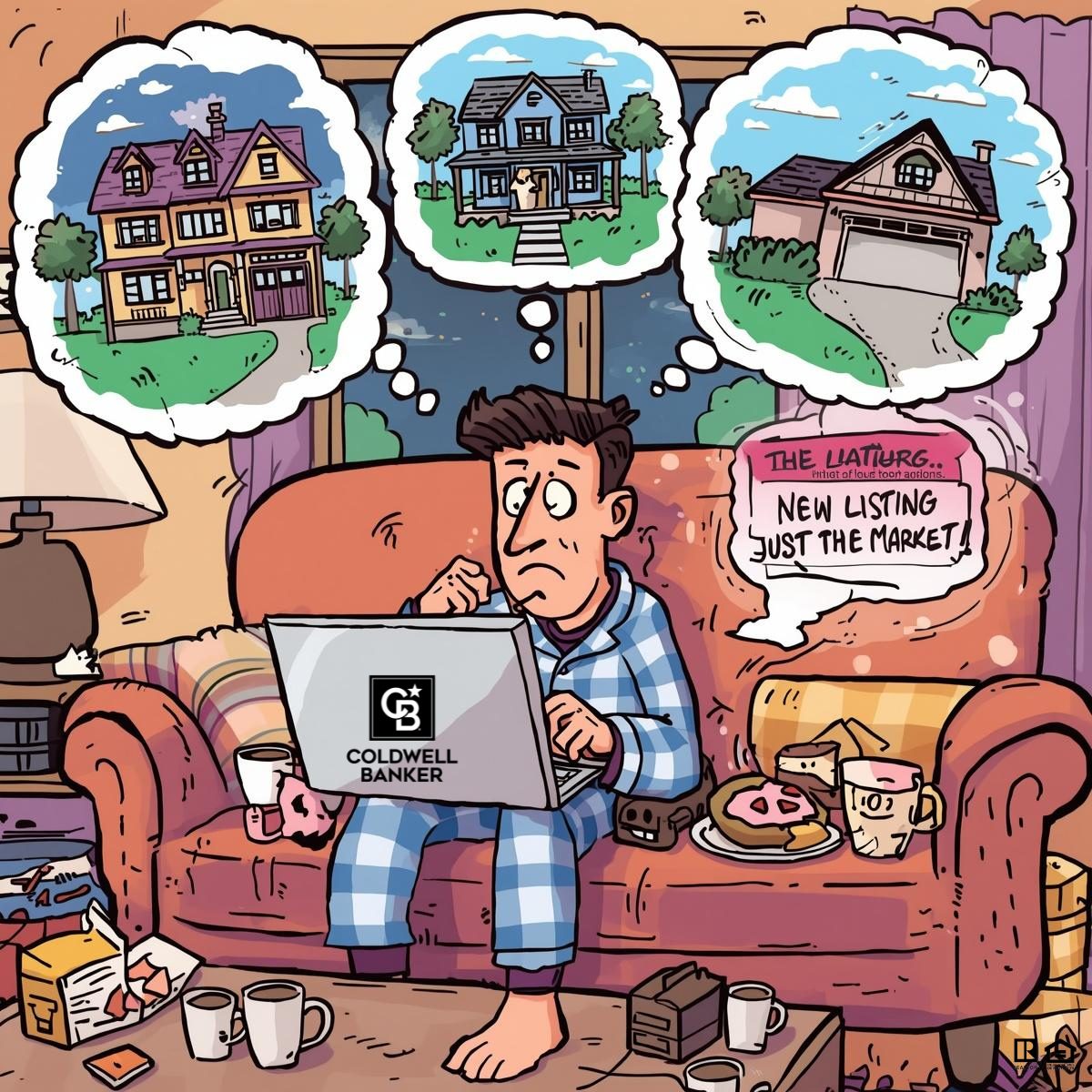
Many people begin their home search the same way.
They open a real estate app, scroll through a few listings, and say something like, “We’re just browsing.”
At first, it feels harmless. There is no pressure and no deadline. Curiosity simply leads to a quick look at homes in a favorite neighborhood.
However, something interesting usually happens next.
Browsing slowly turns into imagining.
Buyers start picturing where the couch might go. A backyard suddenly looks perfect for summer cookouts. A front porch feels like the right place for morning coffee.
Before long, “just browsing” turns into something more serious.
After helping many buyers across the Cincinnati area, I have seen this pattern happen again and again. What starts as casual curiosity often becomes the first step toward a real move.
Let’s explore why that happens and what it means for both buyers and sellers.
Why Online Browsing Starts the Home Buying Journey
Today, nearly every home search begins online. Buyers can view hundreds of listings within minutes. Photos, pricing data, and neighborhood maps make exploring homes easier than ever.
According to the National Association of Realtors, roughly 97% of homebuyers use the internet during their home search.
https://www.nar.realtor/research-and-statistics
Because of that access, browsing homes has become part entertainment and part research. Many buyers start casually. Still, exposure to new listings often sparks ideas about lifestyle changes.
Consequently, browsing quickly becomes intentional.
Once someone sees a home that feels right, curiosity turns into real planning.
The Emotional Side of Home Shopping
Real estate decisions are not purely financial. Emotions play a powerful role.
A beautiful kitchen may inspire thoughts of holiday dinners. A quiet backyard might feel perfect for relaxing after work. Meanwhile, a finished basement could look ideal for movie nights or game days.
Therefore, browsing homes can feel surprisingly personal.
Buyers often connect with a property long before they schedule a showing. Because of that emotional connection, browsing tends to accelerate the decision-making process.
Suddenly, the search feels less like entertainment and more like a possibility.
Market Conditions Can Turn Browsers Into Buyers
Market conditions also influence how quickly browsing becomes serious.
Inventory levels change often. Interest rates shift. New listings appear daily.
As a result, buyers sometimes stumble across homes that feel like an opportunity.
For example, a house may appear in a desirable neighborhood at a competitive price. Alternatively, mortgage rates may drop slightly, improving affordability.
Data from the Federal Reserve Economic Data housing database shows how housing supply and mortgage rates influence buyer behavior.
When buyers see the right combination of price, location, and timing, browsing turns into action.
Lifestyle Goals Often Drive the Search
Another reason browsing rarely stays casual is lifestyle motivation.
Homes represent daily life, not just square footage.
Buyers often begin imagining:
• walking to a nearby coffee shop
• hosting family gatherings
• giving kids space to play
• creating a home office
• enjoying a quieter neighborhood
Once people visualize a better lifestyle, motivation increases.
As a result, browsing listings can quickly become a serious search for the right environment.
Local Market Reality in Cincinnati
Here in the Cincinnati area, homes often move quickly in desirable communities.
Neighborhoods such as Milford, Loveland, Anderson Township, and Union Township continue attracting strong buyer interest. Consequently, well-priced homes often receive attention soon after hitting the market.
Because of that pace, buyers benefit from preparing early.
Even if someone begins browsing casually, understanding the local market helps them respond when the right home appears.
You can explore additional local insights here:
https://mikemcentush.sites.cbmoxi.com/cincinnati-real-estate-blog-tips-news
That blog shares Cincinnati market updates, buying tips, and home selling strategies.
Financial Curiosity Often Leads to Action
Many buyers begin browsing simply to understand pricing.
They want to know what homes cost in certain neighborhoods. Some people compare property taxes. Others wonder what monthly payments might look like.
Eventually, curiosity leads to a conversation with a lender.
At that point, buyers may realize a home purchase fits their budget sooner than expected.
Resources like the Consumer Financial Protection Bureau mortgage guide help buyers understand financing and payment options.
https://www.consumerfinance.gov/owning-a-home/
Once financial clarity appears, browsing becomes purposeful.
Buyers start planning instead of dreaming.
Sellers Benefit From Casual Browsers
Interestingly, browsing behavior helps sellers too.
Many buyers actively watching listings are still undecided. They are learning the market. They are comparing homes.
Because of that, a well-presented listing can capture their attention immediately.
Strong listing photos, strategic pricing, and smart marketing help convert browsers into showing requests.
Often, the winning buyer is someone who originally said they were “just looking.”
Tips for Buyers Who Are Just Browsing
Browsing can be productive if buyers approach it strategically.
Here are a few tips that make browsing more useful.
Track homes you like
Save listings that stand out. Over time you will notice patterns in what matters most.
Watch neighborhood differences
Home values often vary dramatically between nearby communities.
Study days on market
Homes that remain active longer may present negotiation opportunities.
Understand price per square foot
Comparing price per square foot can reveal hidden value.
Talk to a local REALTOR early
Even casual browsers benefit from professional insight.
Those simple steps turn browsing into meaningful research.
Why a REALTOR Strategy Matters
Online listings show homes. However, they rarely show the full story.
Inspection issues, negotiation strategies, contract terms, and market timing all affect real estate transactions.
A professional REALTOR provides guidance that buyers cannot get from a website.
For example, an experienced agent helps clients understand:
• pricing trends
• neighborhood growth
• offer strategies
• local competition
• market timing
That expertise becomes especially valuable when browsing turns into buying.
Conclusion: Browsing Is Often the First Step
Almost every real estate journey begins casually.
Someone opens a home search app. Another person checks listings during lunch. A couple might scroll through homes while watching TV.
At first, the search feels harmless.
Yet browsing has a powerful effect. It introduces possibilities. It creates inspiration. It often sparks the idea that a move might actually make sense.
Eventually, curiosity turns into planning.
Planning leads to showings. Showings lead to offers. Offers lead to a new home.
Browsing, therefore, is rarely just browsing.
Instead, it is usually the beginning of the next chapter.
Thinking About Buying or Selling in Cincinnati?
If you have been browsing homes lately, you might already be closer to a move than you realize.
Understanding the local market can make the difference between missing opportunities and making smart decisions.
📅 Schedule a time to talk here
https://tinyurl.com/Schedulea30MinuteCall
You can also subscribe to my Cincinnati real estate blog for more insights:
https://mikemcentush.sites.cbmoxi.com/cincinnati-real-estate-blog-tips-news
#RealEstate, #HomeBuying, #HouseHunting, #CincinnatiRealEstate, #HousingMarket, #HomeSearch, #RealtorLife, #MikeSellsCincyHomes, #ColdwellBankerRealty, #FirstTimeHomeBuyer, #HomeSelling, #PropertySearch
Why Real Estate Headlines Don’t Match Local Reality 🏡

Turn on the news or scroll social media and you will see dramatic real estate headlines almost every day.
“Housing Market Crash Coming.”
“Home Prices Skyrocketing.”
“Buyers Disappearing.”
Those headlines grab attention. However, they rarely tell the full story of what is happening in your local real estate market.
In fact, national housing headlines often paint a picture that does not match what buyers and sellers experience in places like Cincinnati, Clermont County, Milford, Loveland, or Anderson Township.
That gap between headlines and reality causes confusion. Some buyers pause their search. Meanwhile, some sellers hesitate to list their homes.
Let’s break down why this happens and how understanding local market data can help you make better real estate decisions.
The Problem With National Real Estate Headlines 📰
National housing news focuses on broad trends across the entire country. That means the data includes markets that behave very differently from each other.
For example:
-
Coastal markets like California or New York
-
Fast-growing cities like Austin or Phoenix
-
Smaller Midwest markets like Cincinnati
Each of those areas moves at a different pace.
However, the media usually combines all that data into one headline. As a result, the story may not reflect what is happening locally.
According to the National Association of Realtors, housing markets vary widely based on local supply, job growth, migration patterns, and affordability. National Association of Realtors
You can review national housing data here:
https://www.nar.realtor/research-and-statistics
Still, that national data is only part of the story.
Local market conditions matter far more when you are deciding whether to buy or sell a home.
Why Local Real Estate Markets Behave Differently 📍
Real estate has always been local. In fact, two neighborhoods just ten miles apart can have completely different market conditions.
Several factors influence that difference.
Inventory Levels
The number of homes available for sale strongly affects pricing.
Low inventory often leads to:
-
Multiple offers
-
Faster sales
-
Stronger prices
Higher inventory can slow the market and give buyers more negotiating power.
Local Job Growth
Areas with strong employment tend to see steady housing demand. For example, Cincinnati benefits from major employers in healthcare, finance, and manufacturing.
Migration Patterns
People moving into an area create demand. Cities with steady population growth often experience stronger housing markets.
The U.S. Census Bureau tracks migration and population trends that influence housing demand. United States Census Bureau
Affordability
Mortgage rates matter. However, affordability also depends on local home prices and incomes.
Therefore, a national rate change may affect one city differently than another.
Key Real Estate Trends Buyers and Sellers Should Watch 📊
Instead of relying on headlines, smart buyers and sellers focus on local housing indicators.
Here are several that matter most.
Days on Market
Days on market shows how quickly homes are selling.
Shorter times usually mean stronger demand.
Longer times may indicate more inventory or cautious buyers.
Price Reductions
Price reductions often signal shifting market conditions. When reductions increase, sellers may be adjusting expectations.
Price Per Square Foot
Price per square foot helps compare similar homes across neighborhoods.
New Listings vs Pending Sales
When more homes go under contract than come to market, supply tightens.
Conversely, when listings outpace sales, the market can soften.
For example, in many Cincinnati area neighborhoods, inventory remains limited even when national headlines suggest the market is slowing.
That is why local expertise matters.
What Buyers Are Really Looking For Today 🏠
Buyers today still want homes. However, their priorities have evolved.
Many people now focus on lifestyle features that support daily living.
Here are several trends I see regularly when working with buyers.
Functional Home Offices
Remote and hybrid work continue to influence home searches.
Dedicated office space remains a high priority.
Updated Kitchens and Bathrooms
Buyers often prefer homes that need minimal renovation.
Move-in-ready homes typically sell faster.
Outdoor Living Spaces
Patios, decks, and backyard spaces attract strong interest.
People value outdoor relaxation and entertaining.
Energy Efficiency
Energy-efficient windows, HVAC systems, and insulation are increasingly important.
The U.S. Department of Energy notes that efficient homes can significantly reduce utility costs. U.S. Department of Energy
Understanding these lifestyle drivers helps sellers position their homes more effectively.
What Motivates Sellers Right Now 📦
Sellers also respond to different factors than what headlines suggest.
Several motivations appear consistently in the Cincinnati market.
Life Changes
Many homeowners sell because of:
-
Job relocations
-
Growing families
-
Downsizing
-
Retirement
Equity Growth
Homeowners who bought several years ago often have significant equity today.
That equity can help fund a move to another home.
Lifestyle Upgrades
Some sellers want larger homes or different locations that better fit their lifestyle.
Because of those factors, homes continue to come to market even when news headlines suggest sellers are waiting.
The Cincinnati Market Reality 🏙️
Locally, the housing market often behaves very differently from national predictions.
Across many Cincinnati suburbs, demand remains strong for well-priced homes.
Areas like:
-
Milford
-
Loveland
-
Batavia
-
Anderson Township
-
Union Township
continue to see steady buyer interest.
Homes that are priced correctly and marketed well still attract attention.
Meanwhile, properties that are overpriced may sit longer.
That difference reinforces an important point.
Pricing strategy matters more than market headlines.
Mortgage Rates and Lending Considerations 💰
Mortgage rates always influence housing activity. Even small changes can affect affordability.
Still, buyers adapt faster than most headlines suggest.
Many strategies help buyers move forward despite higher rates.
Rate Buydowns
Some sellers offer rate buydowns to reduce the buyer’s interest rate.
Adjustable Rate Mortgages
ARMs can lower initial monthly payments.
Local Lending Programs
Certain buyers qualify for special financing options.
For example, programs through Freddie Mac and Fannie Mae help support homeownership nationwide. Freddie Mac
Fannie Mae
https://www.freddiemac.com
https://www.fanniemae.com
Working with a knowledgeable lender and REALTOR® helps buyers understand these options.
Smart Home Search Tips for Buyers 🔍
If you are searching for a home, here are several strategies that work well in today’s market.
Focus on Local Data
Always look at neighborhood statistics rather than national headlines.
Tour Homes Quickly
Well-priced homes can still move fast.
Stay Flexible
Sometimes small cosmetic updates can turn a good home into a great one.
Work With a Local Expert
A knowledgeable REALTOR® can help you identify opportunities before others notice them.
Professional REALTOR® Strategy Advice 🧠
One of the biggest mistakes buyers and sellers make is relying on national housing news.
Real estate decisions should be based on local insight and professional strategy.
A strong real estate plan includes:
-
Accurate local market analysis
-
Strategic pricing
-
Effective marketing
-
Skilled negotiation
-
Data-driven decision making
Because every neighborhood behaves differently, professional guidance can help you avoid costly mistakes.
The Bottom Line 🏡
Real estate headlines often tell only part of the story.
National housing trends provide useful context. However, they rarely reflect the full reality of local markets.
That is why buyers and sellers benefit from working with a professional who understands the local landscape.
The truth is simple.
Your local market matters more than national headlines.
Understanding inventory levels, buyer demand, and neighborhood trends gives you the clarity needed to make confident decisions.
Let’s Talk About Your Real Estate Goals 📞
If you are thinking about buying or selling a home in the Cincinnati area, I would be happy to help you understand what is really happening in the local market.
Schedule a quick conversation here:
https://tinyurl.com/Schedulea30MinuteCall
You can also explore more helpful real estate tips and market insights on my blog:
https://mikemcentush.sites.cbmoxi.com/cincinnati-real-estate-blog-tips-news
As a REALTOR® with Coldwell Banker Realty, I focus on helping buyers and sellers navigate the market with clear information and smart strategy.
Whether you are buying your first home, moving up, or planning to sell, having the right plan makes all the difference.
Let’s connect and build that plan together.
Follow the Blog for Weekly Real Estate Insights 📬
Want regular updates about the Cincinnati housing market, buying strategies, and home selling tips?
Subscribe to the blog here:
https://mikemcentush.sites.cbmoxi.com/cincinnati-real-estate-blog-tips-news
You will get practical advice, local market insights, and helpful strategies delivered regularly.
#RealEstate, #HousingMarket, #HomeBuying, #HomeSelling, #RealtorLife, #CincinnatiRealEstate, #MikeSellsCincyHomes, #HouseHunting, #RealEstateAdvice, #MarketUpdate, #HomeOwnership, #ColdwellBanker
